


ANU - Museum of the Jewish People is displaying rare parchment sheets from a medieval Spanish Torah scroll for the first time, offering a glimpse into Jewish life and scribal traditions in Spain before the expulsion.
The fragments, which include Genesis chapters 28-46, are among only five early Spanish Torah scrolls known today, the museum said. They have been preserved in exceptional condition for hundreds of years and are being shown ahead of Shavuot, the festival marking the giving of the Torah.
Gallery
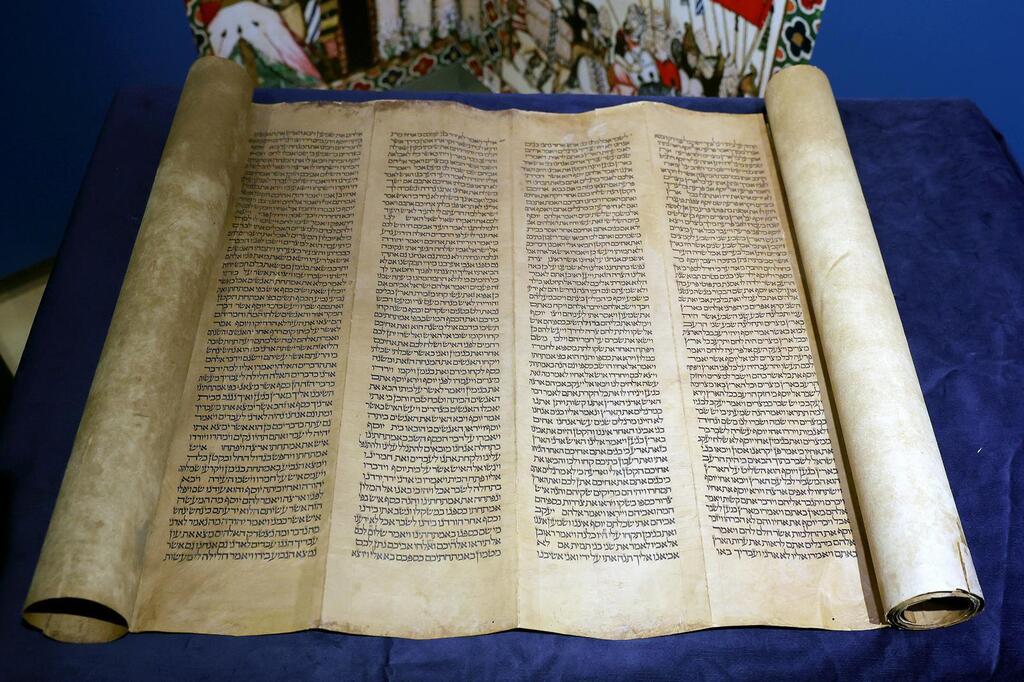
The medieval Spanish Torah scroll displayed at ANU - Museum of the Jewish People
(Photo: Itzik Biran)
The scroll was written in ink on parchment in a square Spanish Hebrew script typical of the period. Carbon dating places it in the late 13th or early 14th century, making it about 700 years old.
Few Spanish Torah scrolls from before the expulsion have survived, especially compared with medieval Ashkenazi scrolls. Torah scrolls often shared the fate of the communities that used them and were destroyed, lost or displaced during periods of persecution, fire and expulsion. Some were taken by Jews expelled from Spain to new communities, while others ended up in Christian hands, preserved in church libraries or reused as binding material for books.
The scroll’s importance lies not only in its age and origin but also in its distinctive writing tradition. Alongside ornamental crowns above certain Hebrew letters, other letters were marked with special tags and stylized forms known in rabbinic literature as “unusual letters.”
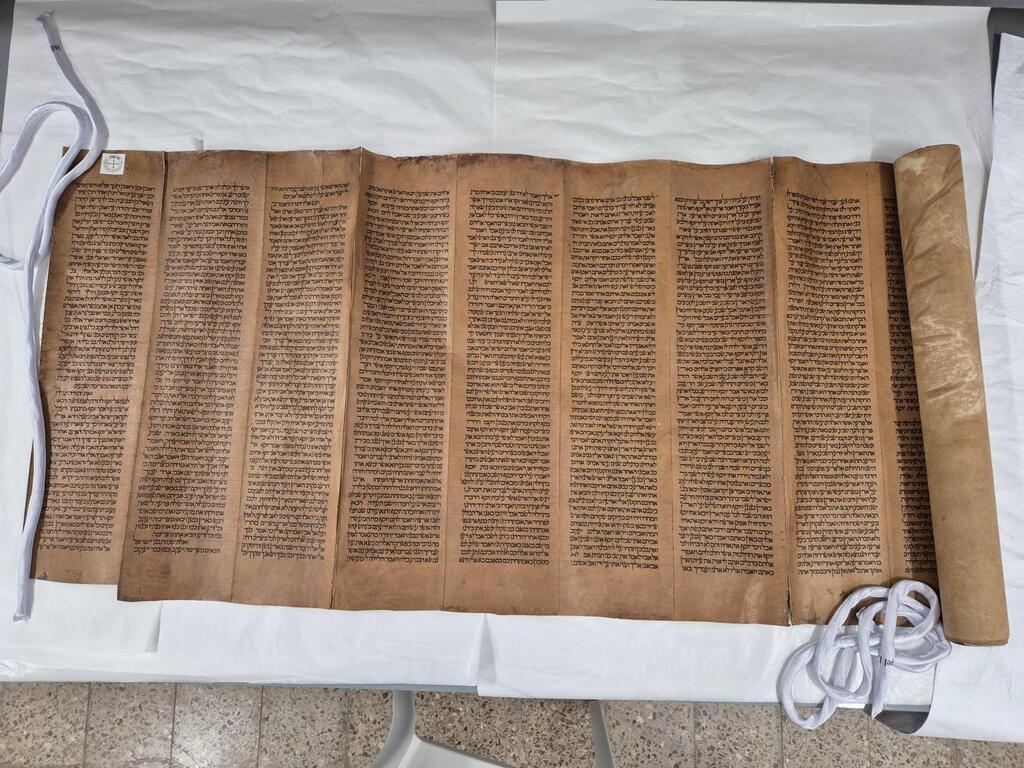
The sheets in the ancient Torah scroll
(Photo: ANU - Museum of the Jewish People)
The museum said these markings were not merely decorative but reflected an ancient tradition in which the visual form of a Hebrew letter carried interpretive, spiritual and sometimes mystical meaning. The tradition drew on rabbinic sources and later played a central role in the writings of Hasidei Ashkenaz, a Jewish mystical and ascetic movement in the German Rhineland in the 12th and 13th centuries, as well as in “Sefer Tagin,” which catalogued unique scribal markings in Torah scrolls.
Over time, especially from the early modern period onward, this tradition faded in favor of a more standardized scribal style and is no longer practiced today.
Researchers have also identified later annotations and corrections on the fragments, suggesting the scroll continued to serve a Jewish community over time. At some point, the original scroll appears to have been dismantled, leaving only some of its parchment sheets intact.
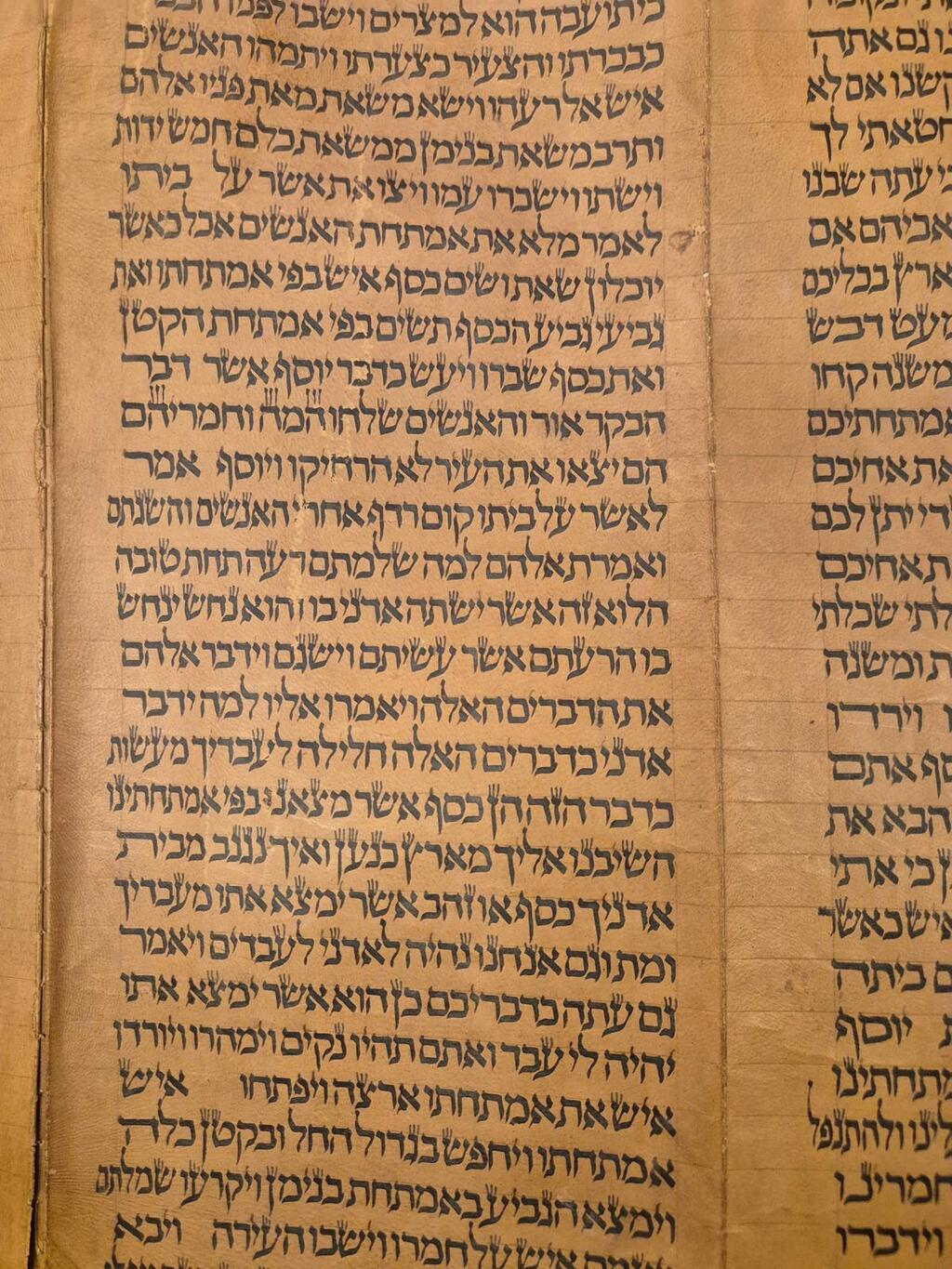
One of the pages of the ancient Torah scroll
(Photo: ANU - Museum of the Jewish People)
The scroll is on loan to the museum from the Feld Family Collection.
Oded Revivi, CEO of ANU, said unveiling the scroll ahead of Shavuot carried special meaning. “Beyond its extraordinary historical value, it reminds us that the Torah scroll has long served as a focal point of Jewish identity, memory and creativity,” he said. “Every letter, ornament and marking tells a story of community, faith and a rich spiritual world built over centuries.
“The survival of these fragments through the upheavals of history allows us to offer the public a rare and tangible glimpse into the cultural and spiritual world of Spanish Jewry in the centuries before the expulsion.”
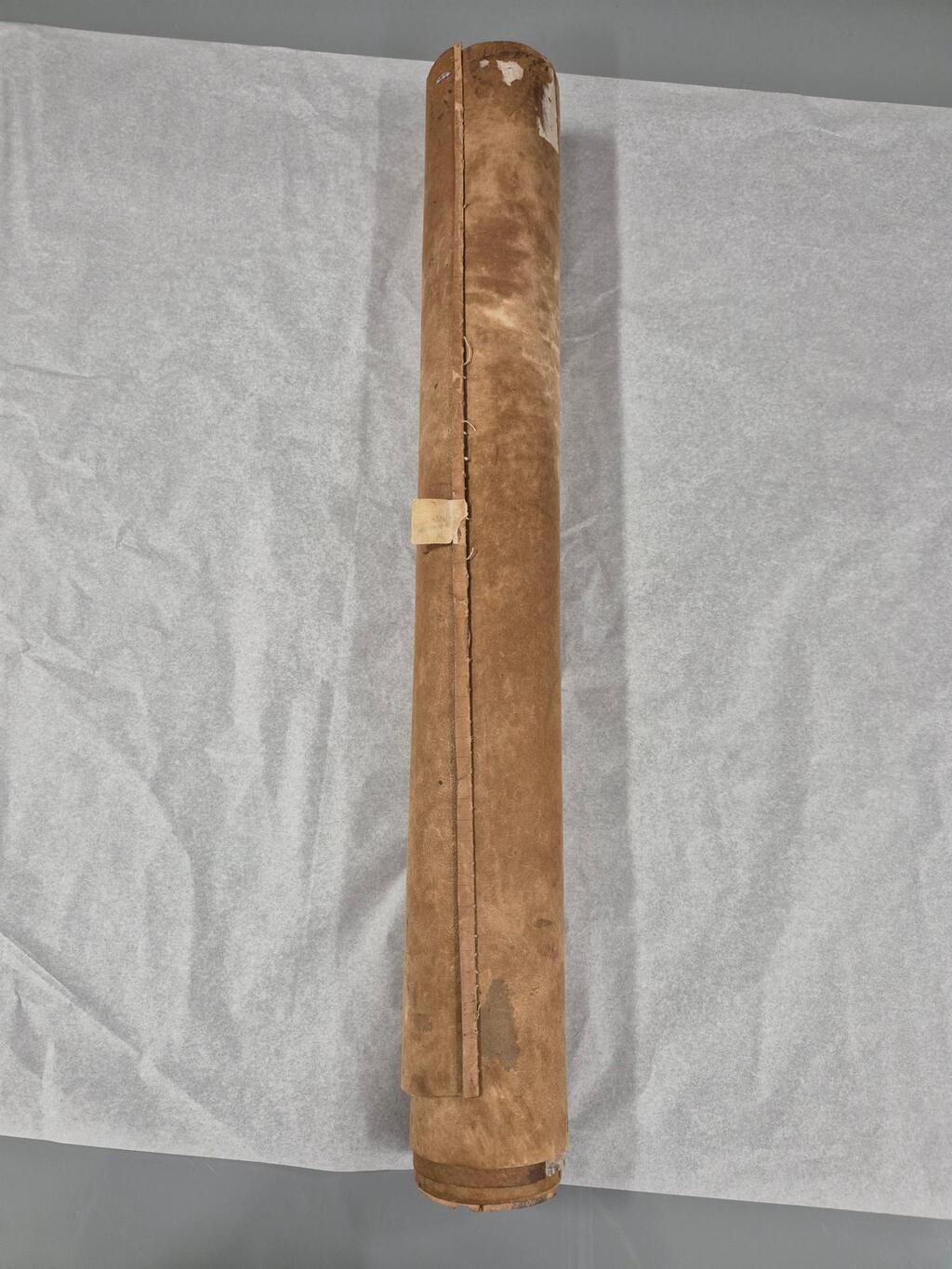
Torah scroll preserved for about 700 years
(Photo: ANU - Museum of the Jewish People)
Chief curator Dr. Orit Shaham Gover said the fragments allow visitors to encounter “a world that was almost lost,” including scribal traditions, calligraphy and the spiritual ideas of medieval Spanish Jewry.
“In today’s fast and digital age, encountering the original handwriting, the ink traces and the decorated letters creates an unmediated connection to people, communities and Jewish memory passed down for hundreds of years,” she added.