

When Gila Tolub and her husband moved to Israel with their young family in 2015, they struggled to adjust to their new life. “At first we regretted moving to Israel,” Tolub said. “Today it’s clear we made the right choice.”
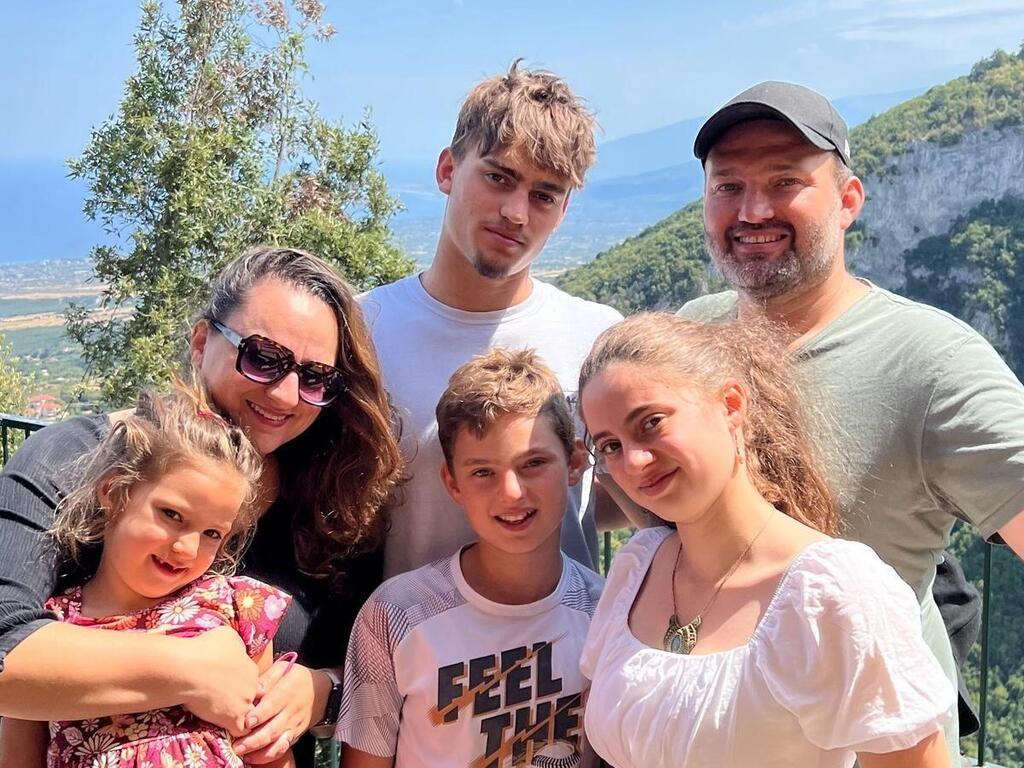
Tolub, 42, lives in Modi’in with her husband, Raphael, and their four children, ages 21, 17, 12 and 6. She is the chief executive officer of the ICAR Collective, a nonprofit organization dedicated to promoting healing from the trauma of the Oct. 7 Hamas attacks. A former partner at McKinsey & Company, one of the world’s leading consulting firms, she says her professional and personal journey prepared her for her current work helping others recover.
Born in Paris, Tolub was the fifth of six children in a French ultra-Orthodox family with strong Zionist roots. She studied in the Haredi school system and skipped two grades, finishing high school at 15½ with full matriculation. She was later accepted into a special academic program for Haredi women in Brooklyn, in partnership with Garden City University on Long Island. There, she earned degrees in psychology, behavioral sciences and computer science, completing her studies by the age of 19.
Tolub met her husband, Raphael, a French-born religious Jew, while he was studying finance and marketing at Yeshiva University in New York. The couple married at 21. They spent their first year of marriage in Israel before returning to New York so he could finish his degree. Their first daughter was born there, and in 2004 the family moved to France, where their second son was born.
A car accident that killed Tolub’s best friend in France changed the course of her life. “Her death shook me deeply,” she said. “I realized that life is short and that we have to do the best we can with the abilities we have.” She enrolled in the University of Chicago to pursue a master’s degree in business administration, and the family relocated to the city. Their third child was born there.
In 2010, while still a student, Tolub joined McKinsey & Company as a strategic consultant. She worked there for 12 years, rising to the position of partner. Her work required constant travel, and she returned home only on weekends, while her husband managed the family’s daily life.
The family decided to immigrate to Israel during Hanukkah in 2015, choosing Modi’in for its English- and French-speaking community. Their youngest child, a native-born Israeli, was born there. Tolub continued working for McKinsey, but her husband did not have a job at first. “The first year was very hard,” she recalled. “Our daughter adjusted well, but our son, who started second grade, was bullied and wanted to return to America. We eventually transferred him to a Torah-based school.” Today, she said, that same son is in 12th grade at a religious high school and plans to enlist in an elite IDF combat unit. “At the time, we regretted making aliyah because of his struggles,” Tolub said. “Now, a decade later, we know we made the right decision.”
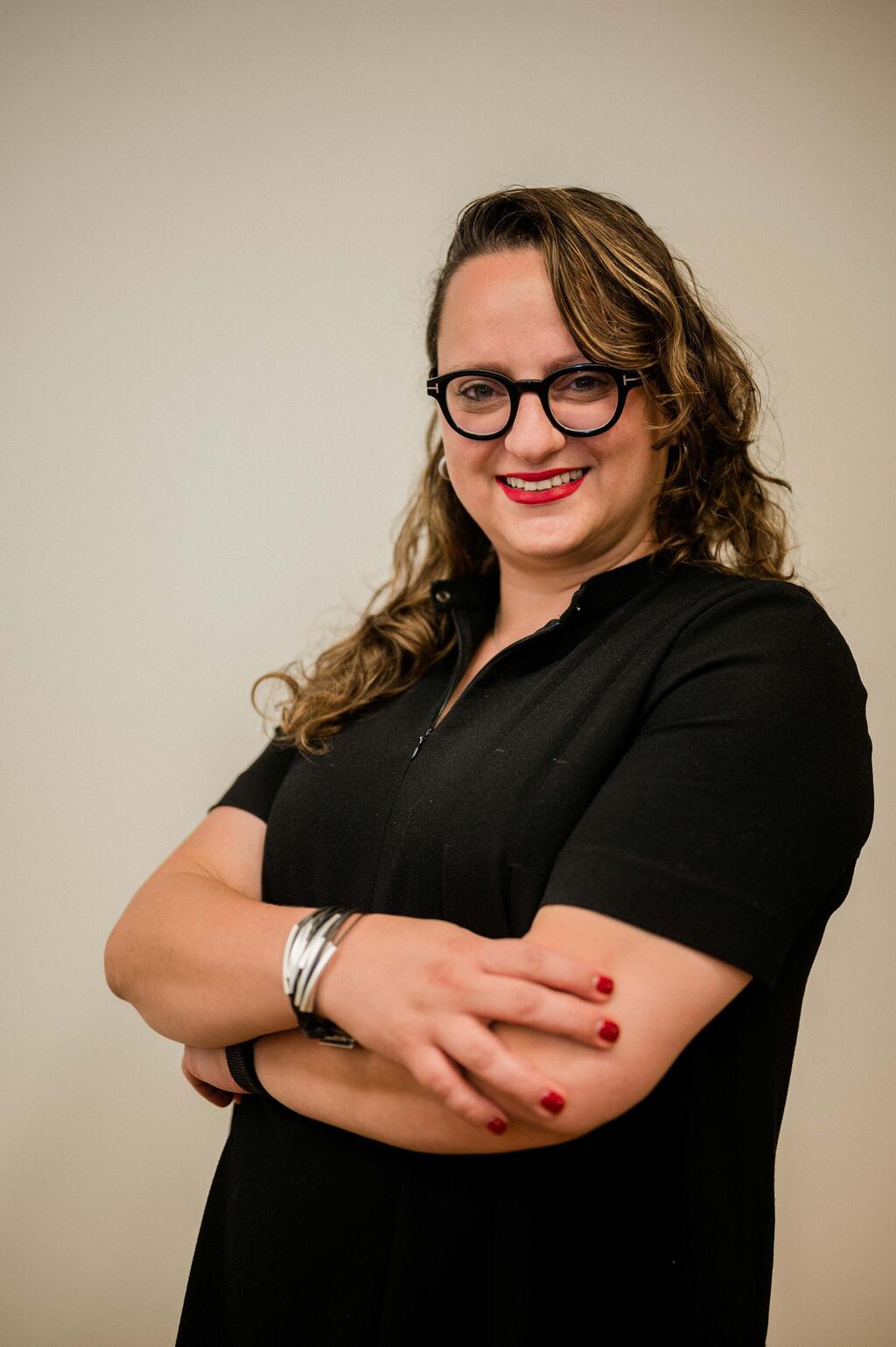
(Photo: Liat Shalit)
Tolub left McKinsey in the summer of 2023, feeling she had reached the end of that chapter in her career. Then came the Oct. 7 Hamas attacks. In the first week of the war, she wrote a position paper on trauma recovery and was asked to help organize volunteer activities at Ronit Farm, where survivors of the Nova music festival were being supported. Two months later, the operation moved to Rishpon, and Tolub returned to her proposal, which called for a central coordinating body to unite the many organizations in Israel working in trauma and mental health care.
In July 2024, Tolub and her partners founded the ICAR Collective, where she now serves as CEO. The organization has mapped roughly 400 nonprofits across Israel that focus on mental health and has held conferences to foster collaboration. The collective also develops projects aimed at speeding recovery for the general public. “We see this as a national trauma that requires immediate attention,” she said. “Our goal is to prevent long-term problems for Israeli society. Personally, I feel that everything I’ve done in my life has led me to this — helping the country that is our home.”
When asked what she still finds challenging in Israel, Tolub smiled. “Working on Sundays,” she said. She admires the courteous customer service she remembers from the United States and says her favorite place in Israel is Caesarea, where her in-laws live. What she misses most from her native France? “The bread,” she said.