

The narrative of the Book of Esther takes place, according to the text, entirely outside the Land of Israel. Most books of the Bible focus on Jewish life in their homeland during various periods, on exile or on the return to the land. The Book of Esther, uniquely, unfolds wholly in exile — without geographic landmarks in Israel that tour guides can point to as evidence of the story.
In that sense, the scroll is distant from view. But for Iranian Jews, and for some non-Jewish residents as well, Mordechai and Esther are not only biblical figures. They have become cornerstones of communal identity. Their burial sites are important local places of prayer — even though Jews from Israel who regularly visit the Western Wall, the Cave of the Patriarchs and Mount Meron cannot easily add these graves to their own pilgrimage routes.
Iran’s chief rabbi dances with his students outside the tomb of Mordechai and Esther last year


Beyond Esther and Mordechai, other biblical figures are, according to local tradition, buried in Iran, including Daniel, the prophet Habakkuk and a more mysterious figure mentioned in rabbinic sources, Serach bat Asher.
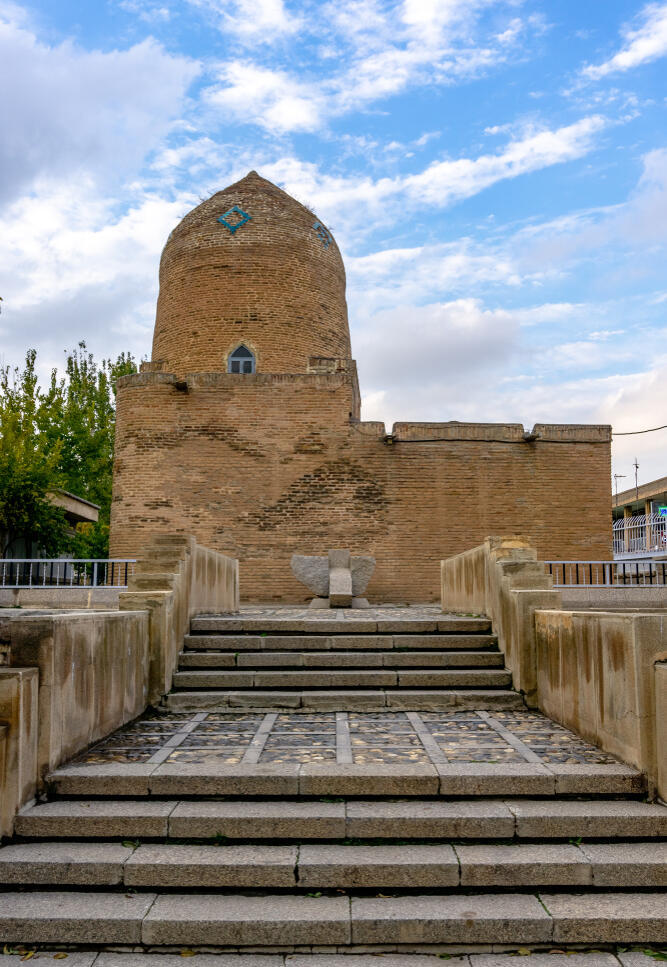
Esther and Mordechai
The burial place of Esther and Mordechai is not known with certainty and is not mentioned in the scroll. Iranian Jews maintain that the tomb is located in the city of Hamadan. Other traditions place Esther’s burial in the Galilee community of Bar’am, in the Samaria village of Awarta or in Tiberias.
In Hamadan, a prominent burial complex houses two ancient tombstones. Jews in Iran not only believe this is the resting place of the heroes of the Purim story, but also regard it as a prayer site where lighting candles is considered auspicious for finding a spouse.
According to tradition, the graves are located in a burial cave containing two large wooden sarcophagi draped in velvet coverings. The one on the right is attributed to Esther and bears an inscription identifying it as her coffin. The one on the left is attributed to Mordechai and includes a reference to his lineage, identifying it as his holy ark. Inscriptions on the walls of the burial hall cite passages from the Scroll of Esther and proclaim God’s eternal sovereignty.
The site has also become sacred to Muslims in Iran, who consider it an important place of prayer. Visitors are required to remove their shoes, in keeping with Muslim custom in prayer halls.
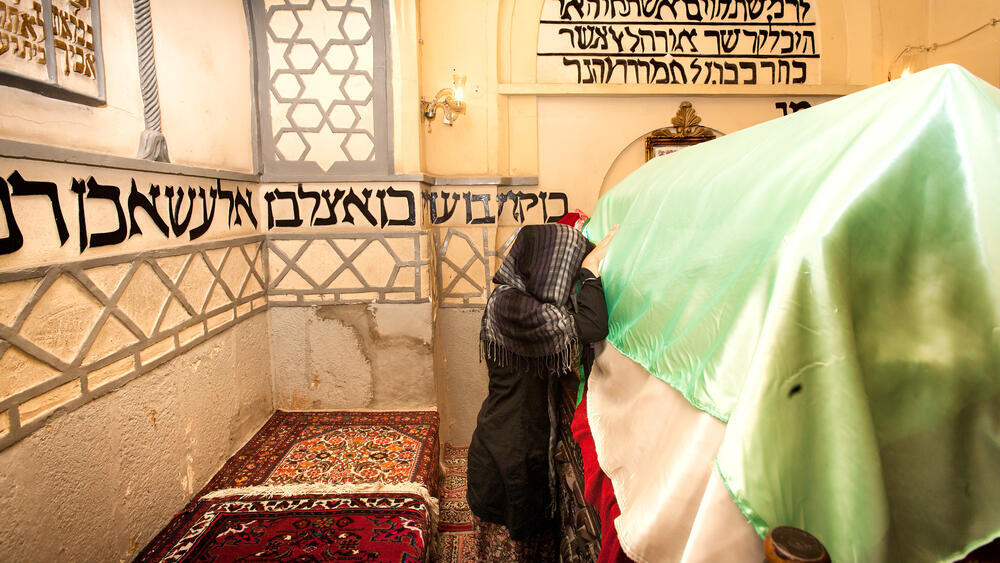
A woman prays at the tomb identified with Mordechai the Jew and Queen Esther
(Photo: Damon Lynch, Shutterstock)
Daniel
Mordechai and Esther are not the only figures honored with prominent burial sites in a country that is currently at war with Israel. In the ancient city of Susa, now Shush in southwestern Iran, a tomb identified with Daniel stands within an ornate structure that highlights and honors the site. It, too, serves as a place of prayer and pilgrimage.
Benjamin of Tudela, the 12th-century Jewish traveler who chronicled his journeys, described Daniel’s tomb in Iran in his writings.
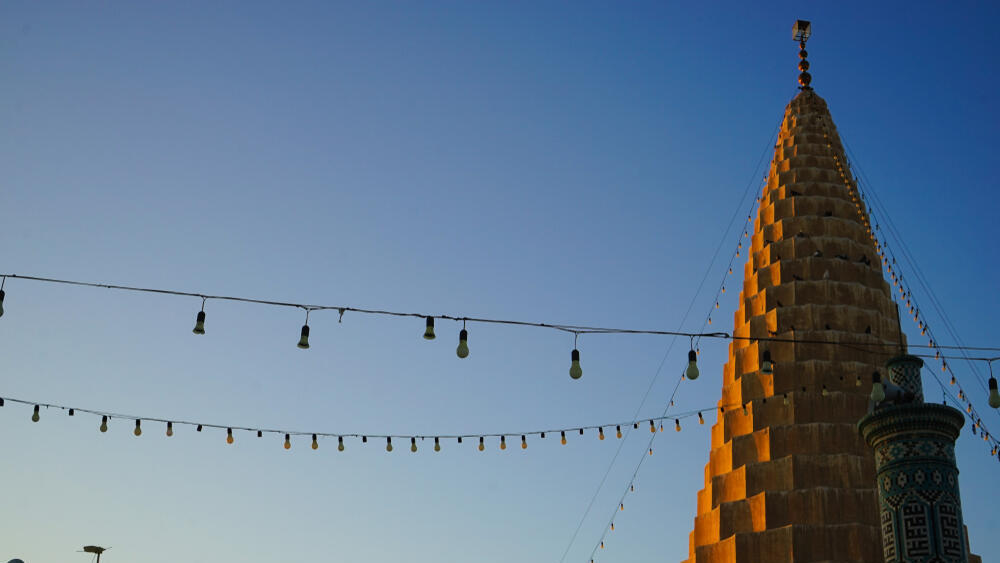
The tomb of Daniel in ancient Susa
(Photo: Photo Hedge / Shutterstock)
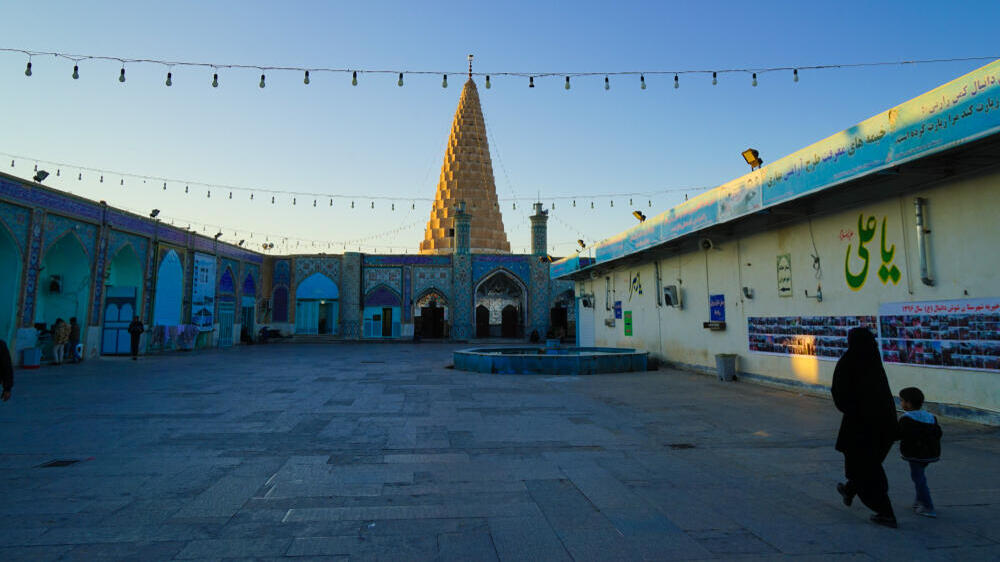
(Photo: Photo Hedge / Shutterstock)
Habakkuk
A structure near the city of Tuyserkan in western Iran is known among Iranian Jews as the Tomb of Habakkuk. It is a respected prayer site embraced by local residents. In 1960, the Iranian government issued a special stamp in honor of the site.
This is only one tradition regarding the prophet’s burial place. Others believe Habakkuk is buried at Tel Hukok in northern Israel or on the Mount of Olives in Jerusalem. Iranian Jews, however, maintain that he is buried in their country, and the site serves as a focus of prayer and spiritual devotion.
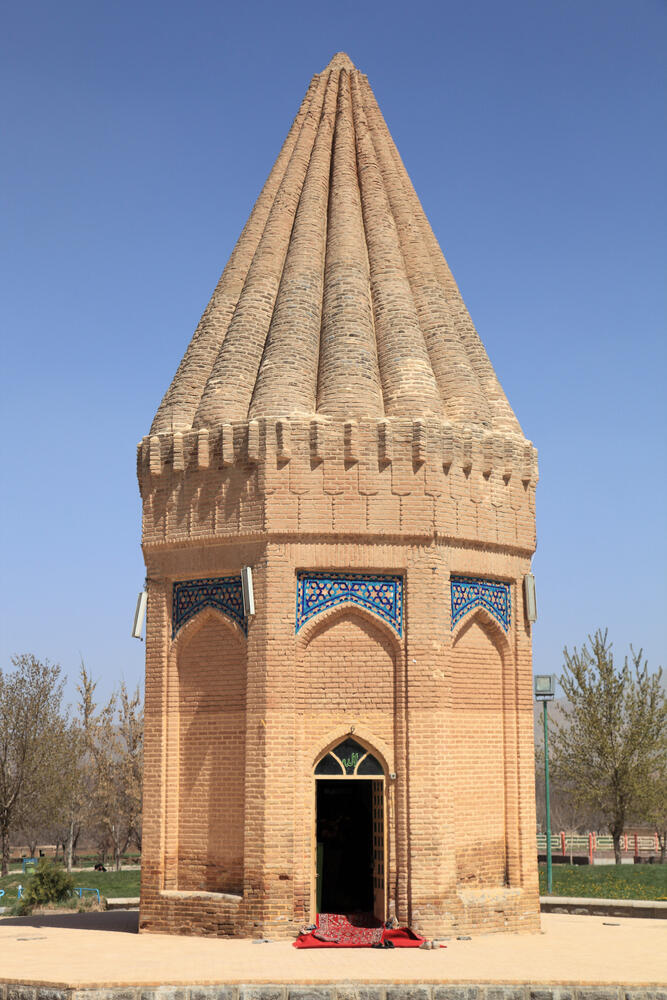
The tomb of the prophet Habakkuk near the city of Tuyserkan in Iran
(Photo: Konevi / Shutterstock)
Serach bat Asher
Serach bat Asher, a granddaughter of the patriarch Jacob, is mentioned several times in the Torah and in rabbinic literature. Among Iranian Jews, particularly in Isfahan, a local legend is associated with her.
According to the story, during the reign of Shah Abbas I in the late 16th and early 17th centuries, when Jews in Persia faced persecution, the ruler went hunting and spotted a deer. He shot arrows at it but repeatedly missed. The chase continued until the deer entered a cave. Abbas followed, and the cave suddenly sealed behind him.
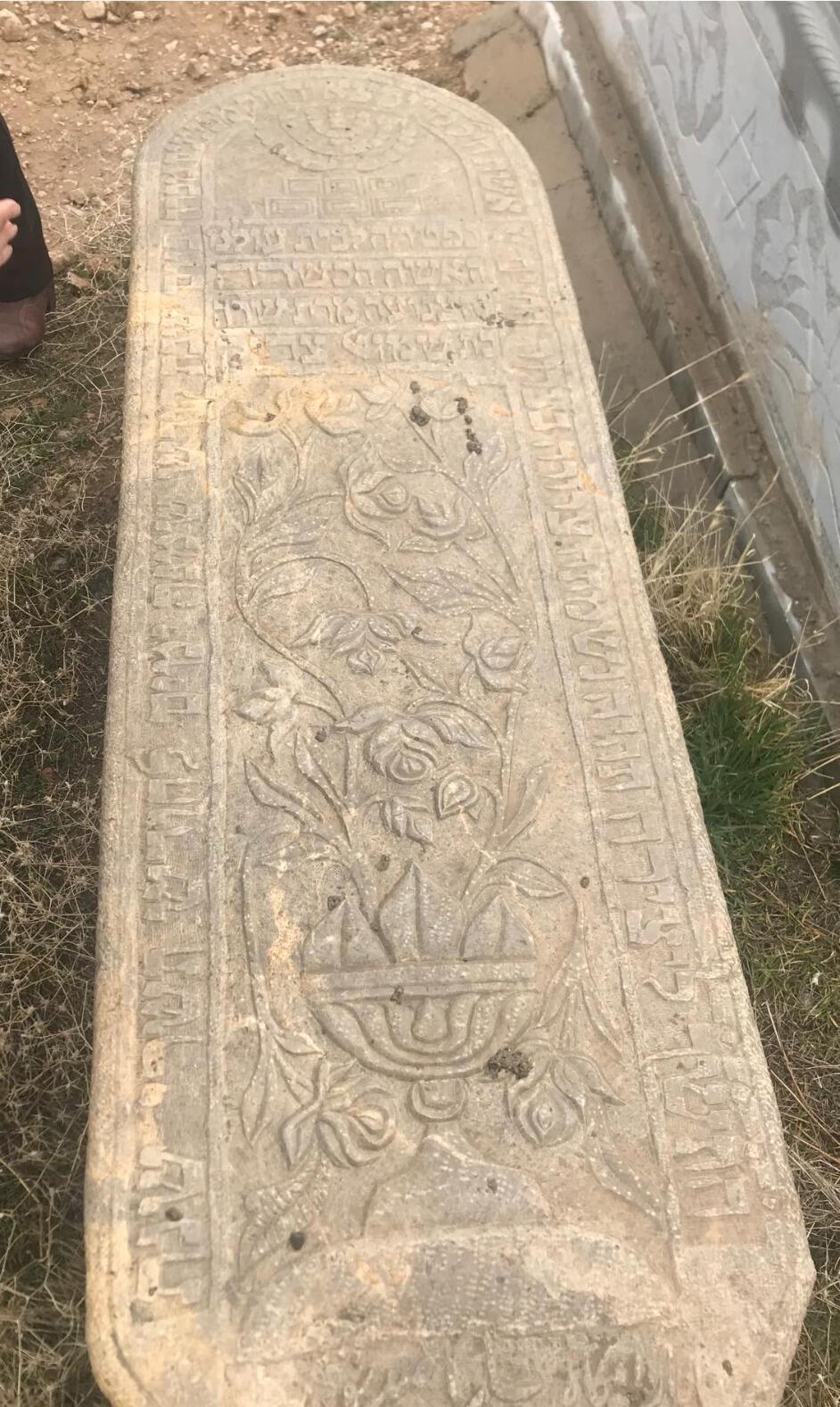
A tombstone in the cave of Serach bat Asher near Isfahan
(Photo: From the Facebook page of Rabbi Yehuda Gerami )
The legend says the deer transformed into a beautiful woman who told him she was Jacob’s granddaughter. She confronted him over the harsh decrees imposed on her people and declared that the cave would remain closed unless he promised to revoke them. The ruler agreed, and the cave reopened.
In memory of what was seen as a miracle, the Jews of Isfahan established a synagogue, guest rooms and a cemetery at the site. They called it “Mama Serach,” and it was declared a holy place. Iranian Jews, particularly those from Isfahan, traditionally visited the site each year during the period from the Hebrew month of Elul through Yom Kippur.