

A new funding arrangement will make yeshiva and seminary students in MASA programs eligible for the same scholarship subsidies available to participants in other MASA tracks.
The World Mizrachi organization said the agreement follows years of lobbying on behalf of more than 50 yeshivot and seminaries that operate within the MASA framework. The effort was led by Rabbi Doron Perez, executive chair of World Mizrachi, and Roi Abecassis, deputy chair of KKL and World Mizrachi’s representative at KKL.
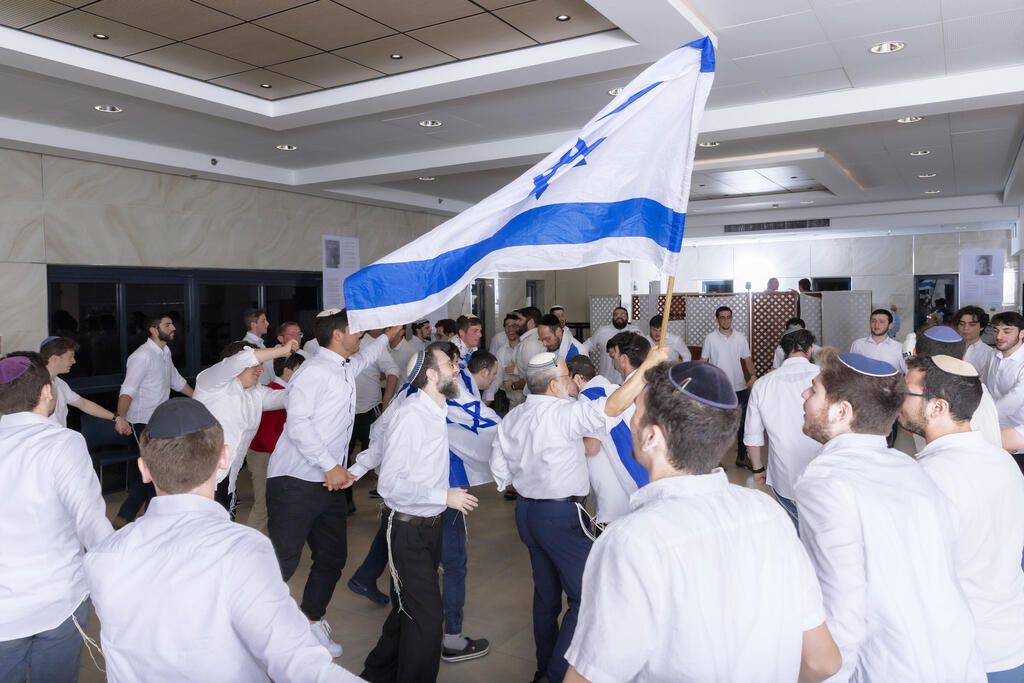
Yeshiva and seminary students in MASA programs will be eligible for the same scholarship subsidies available to participants in other MASA
(Photo: Yeshivat Lev HaTorah )
Until now, many yeshiva and seminary students studying in Israel relied heavily on private fundraising to help cover program costs, while other MASA participants received funding directly through KKL. The disparity created financial pressure for students from the Diaspora, many of them from Religious Zionist communities, who come to Israel for Jewish study programs, according to World Mizrachi.
The new arrangement is intended to ensure equal eligibility for MASA scholarship funds across program categories.
World Mizrachi said the decision is part of a broader effort to support yeshivot and seminaries serving international students. Since establishing a forum for the institutions six years ago, the organization said it has lobbied for increased support from Israel’s national institutions, helped raise millions of dollars annually through joint crowdfunding campaigns and recently secured an emergency budget of 5 million shekels for students who remained in Israel during the conflict with Iran, when their programs closed for the Passover break.
“It has been a personal privilege over the years to work on behalf of these institutions that are so committed to connecting students through a love of the people of Israel, the Torah of Israel, the land of Israel and the State of Israel,” Perez said.
Abecassis said the agreement removes a barrier that had affected the institutions for years.
“We have succeeded in removing a long-standing obstacle that has stood in the way of yeshivot and seminaries, enabling them to continue their mission on behalf of international students,” he said.
World Mizrachi described the change as significant for Zionist Torah education and for programs that seek to strengthen ties between young Diaspora Jews and Israel.