

More than 90 of Israel's leading architecture firms gathered in Beer Sheva this week as Jewish National Fund-USA formally launched the design competition for the World Zionist Village, the largest initiative in the organization's 125-year history.
The gathering brought together Jewish National Fund-USA CEO Russell F. Robinson, Beer Sheva Mayor Ruvik Danilovich, World Zionist Village Director Yoel Rosby, senior planning teams and architects from across the country as the project officially moved from vision to execution.
From Abraham's Well to the future: JNF-USA launches its most ambitious project in 125 years
(Video: Lior Sharon, Herzel Yosef)


For Robinson, the World Zionist Village represents far more than a construction project. Standing near Abraham's Well, where the future campus will be built, he described the initiative as an investment in the next century of Jewish life and Zionist engagement.
"We use the word Zionism so much," Robinson said. "But if you really take it from its essence, the first Zionist was Abraham, who was told to go forward to a new land. It was here that the first purchase ever recorded in history was made, and it was also here that a conversation first began — a conversation that continues for Muslims, Christians and Jews."
The World Zionist Village will be built adjacent to Abraham's Well and is envisioned as a destination where Israelis, Diaspora Jews and visitors from around the world can come together through education, leadership programs, innovation initiatives and community experiences. According to Rosby, the goal is to create a place that redefines how future generations engage with Zionism, transforming it into a living, modern and inclusive experience while remaining rooted in Jewish history and identity.
Danilovich said the project reflects Beer Sheva's growing role as one of Israel's most important centers of innovation, education and development. Long considered the capital of the Negev, the city has become a focal point for national investment, high-tech growth and population expansion. The mayor described the World Zionist Village as a natural extension of Beer Sheva's evolution and a powerful statement about the future of southern Israel.
Architects participating in the competition were asked to imagine how the site can integrate heritage, sustainability, innovation and community into a single cohesive vision. Among them was architect Erez Ella, founding partner of HQ Architects, who described the challenge as transforming a broad Zionist vision into real spaces where people can meet, learn and build relationships.
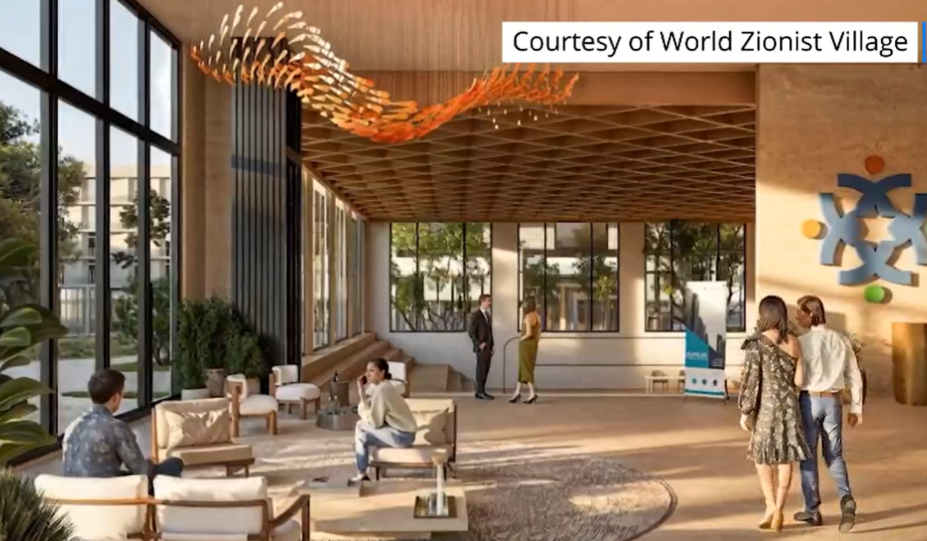
At the heart of the project is Robinson's belief that meaningful connections between Israelis and Jews around the world cannot be taken for granted. Plans for the village include educational programs, leadership initiatives, internships, gap-year experiences, guest accommodations and gathering spaces designed to bring together people from different backgrounds and communities.
The project also reflects Jewish National Fund-USA's broader Circle of Impact strategy, which focuses on strengthening Israel through education, resilience, community development and population growth, particularly in the Negev and Galilee. Robinson noted that while the organization became known over the past century for helping develop the land of Israel, its mission today is equally focused on investing in people and the future of Jewish life.
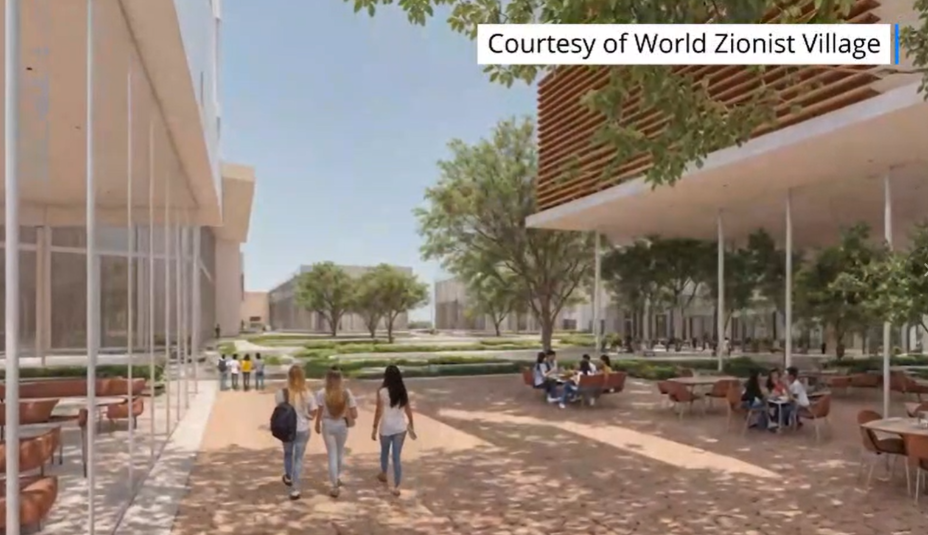
Architects participating in the competition were asked to imagine how the site can integrate heritage, sustainability, innovation and community
"One hundred and twenty-five years ago, people gave what they could for a dream of returning to the land of Israel," Robinson said. "Today we have the responsibility to build the next chapter. If we don't do it, our children's children will ask why. But if we do it right, they'll understand that this was where we chose to invest in hope, in relationships and in the future."
As the design competition gets underway, the World Zionist Village is still taking shape on paper. But for Robinson, Danilovich, Rosby and the dozens of architects now tasked with imagining its future, the goal is already clear: creating a place where the story that began with Abraham's journey continues through the next generation of Zionist leadership, engagement and connection.