


The state opening ceremony marking Holocaust Remembrance Day will be pre-recorded at Yad Vashem and broadcast on Monday at 8 p.m. The decision to film the ceremony in advance was made earlier this week in accordance with Home Front Command guidelines, and despite the expected continuation of the ceasefire, the event is not currently expected to return to its usual format.
This year’s ceremony will focus on the theme “The Jewish Family During the Holocaust.” Yad Vashem Council Chairman and Holocaust survivor Rabbi Israel Meir Lau will light the memorial torch; Roni Dalumi and Harel Skaat will perform musical pieces; Hadas Yaron will appear in dramatic segments; and Miri Michaeli will host the event.
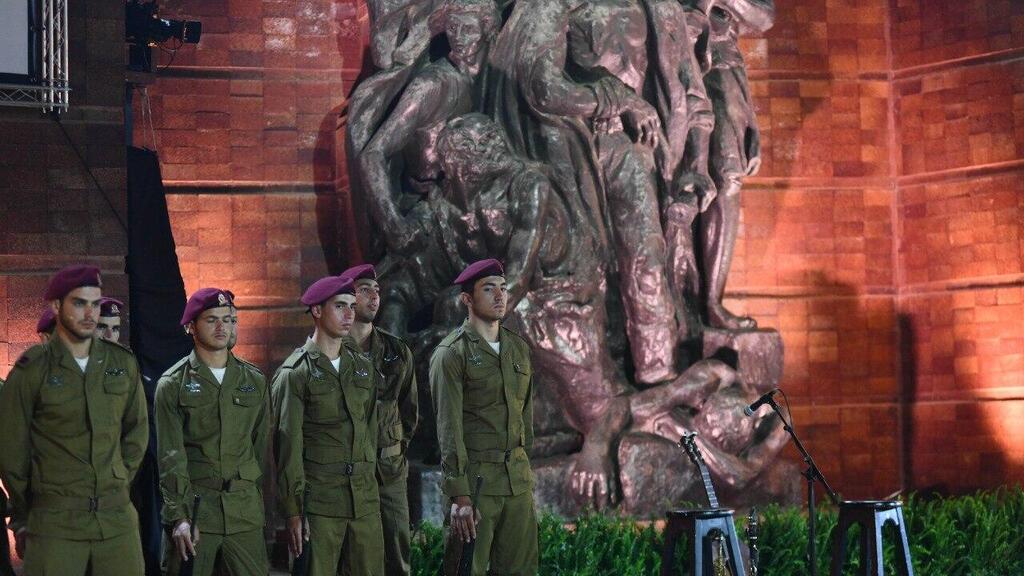
During the ceremony, six Holocaust survivors will light torches, accompanied by videos telling their stories:
Saadia Bahat, 98, born in Lithuania, was deported with his family to the Vilna Ghetto after the German invasion in 1941. During one of the Aktionen, his father was murdered. In September 1943, the Germans demanded volunteers to move to camps in Estonia. Saadia volunteered and parted from his mother, who was later murdered. In Estonia, he was transferred among six camps and forced to work cutting trees and laying railroad tracks in swamps, under starvation conditions and in freezing cold. He carved walking sticks for the Germans in exchange for bread. Many prisoners were murdered, but Saadia survived.
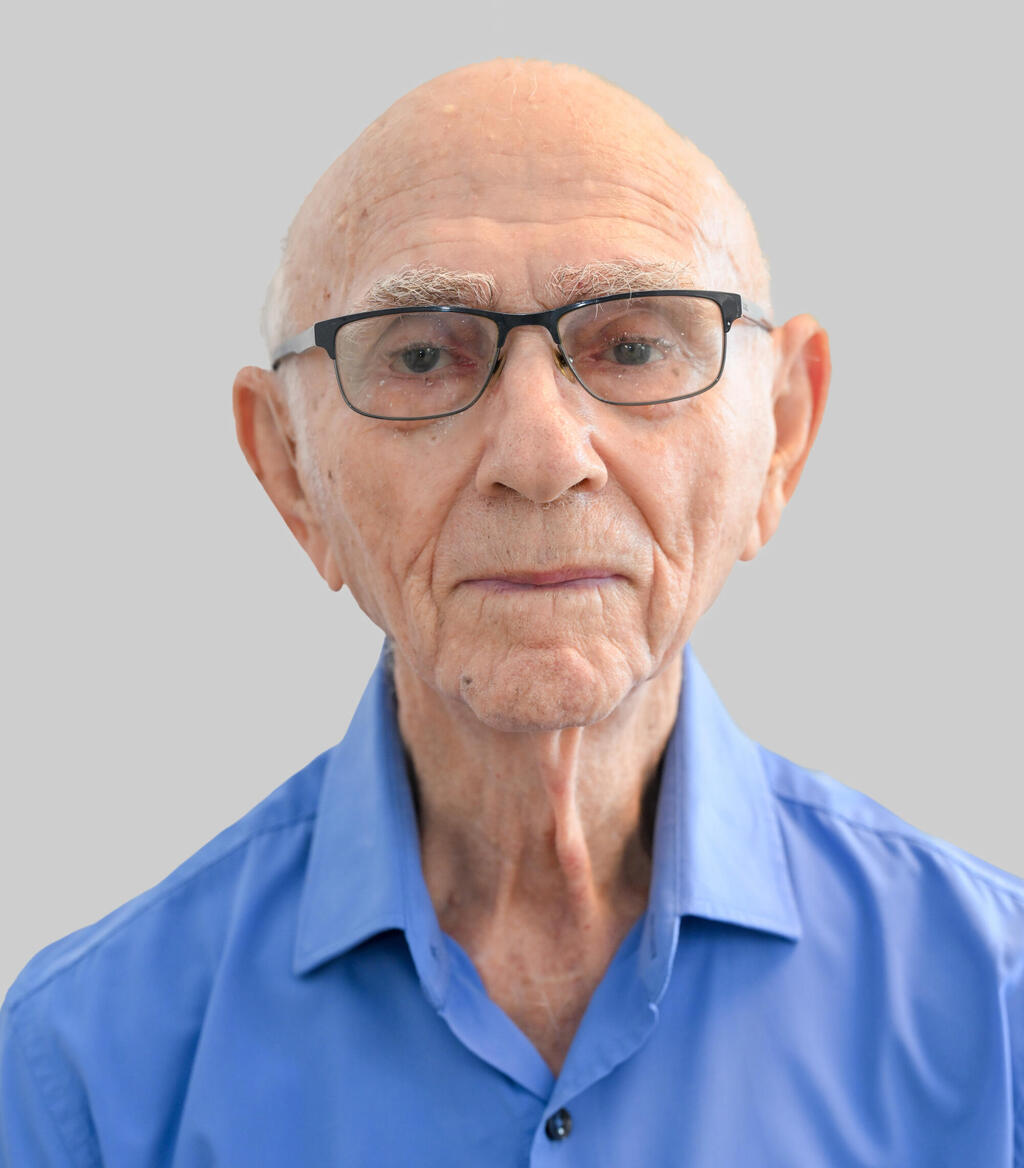
Saadia Bahat
(Photo: Yad Vashem/Jorge Novominsky)
At one point, Bahat was transported by ship to the Stutthof concentration camp, where he was placed in the children’s barracks. All the children, except for seven — including Saadia — were sent to be killed. He was later taken to a submarine shipyard and worked there as a welder under suffocating conditions. As the Soviet army approached from the east, the prisoners were forced on a death march westward. During the march, Behat fell ill with typhus. One of the marchers reported this to the Nazis, but instead of shooting him, they left him in an isolated hut. Four days later, a Soviet soldier broke in and liberated him.
In February 1946, Bahat arrived in pre-state Israel through the Youth Aliyah program and joined the Haganah. He volunteered for the Palmach, fought in the Harel Brigade and was wounded in battle. After the establishment of the state, he studied mechanical engineering at the Technion, worked for 37 years at Rafael Advanced Defense Systems and received the Israel Defense Prize. After retiring, he began a career as an artist-sculptor. He and his wife of 70 years, Dit, have three children, eight grandchildren and six great-grandchildren.
Michael Sidko, 90, was born in Ukraine to a Christian father and a Jewish mother. After Germany invaded the Soviet Union in June 1941, the family went to the train station to evacuate eastward. Suddenly, his brother Grisha remembered he had forgotten to release his pigeons from their enclosure so that they wouldn't die and ran home. Their mother and the other children got off the train to follow him, and the train departed without them. The father, who was seated in another carriage, did not know the family had disembarked and continued on. The family returned home, which had already been looted by neighbors.
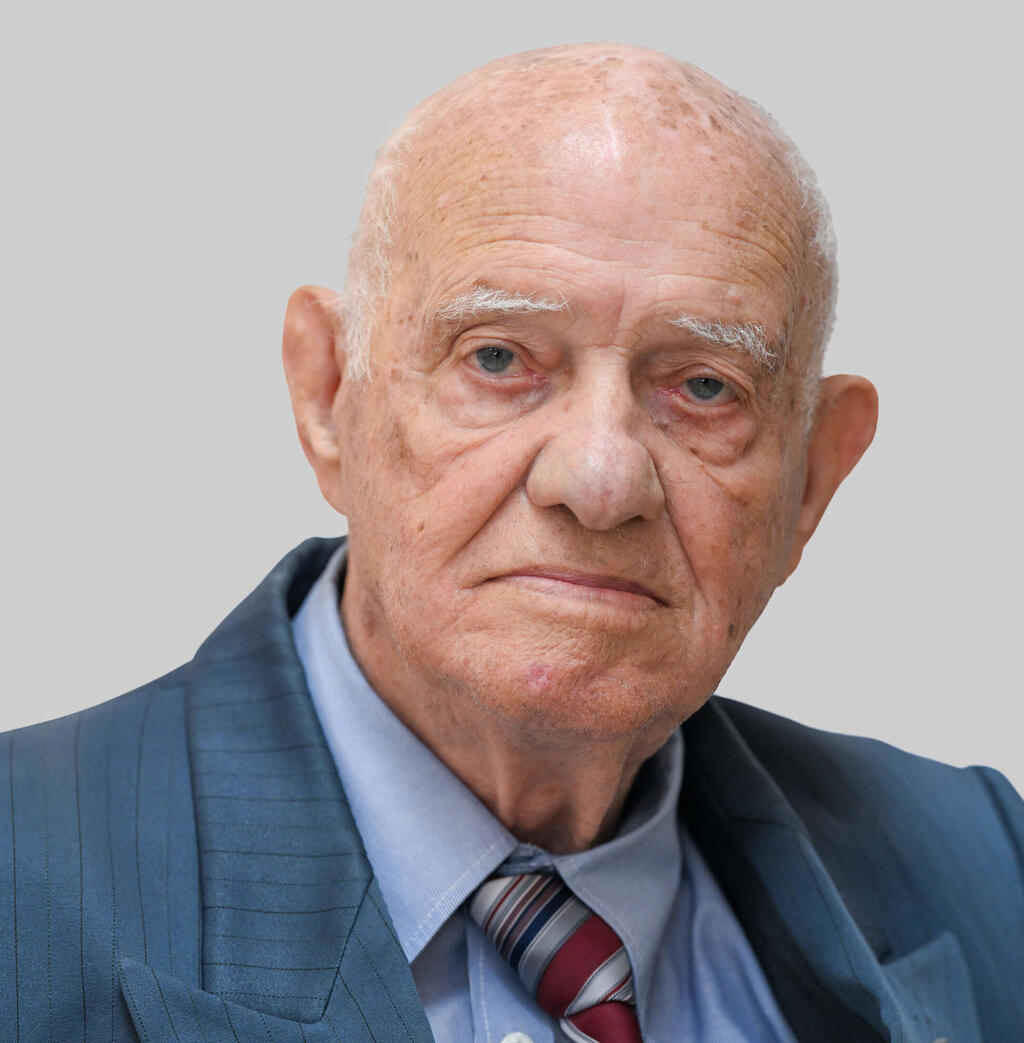
Michael Sidko
(Photo: Yad Vashem/Jorge Novominsky)
In September 1941, the family was taken to the Babi Yar killing site. Michael and Grisha were separated from their mother, their three-year-old sister Clara and their infant brother, and witnessed their murder. Grisha managed to smuggle Michael away, and the two wandered in search of shelter. They hid in the basement of their building with Sofia Krivorot-Baklanova and her daughter, Galina, local non-Jews. Whenever German soldiers or police arrived, Sofia presented the boys as her own sons, corroborated by her daughter. In 2004, Sofia and Galina were recognized as Righteous Among the Nations. After the war, their father, Piotr returned home and found his sons.
Michael served in the Red Army, worked as an engineer and immigrated to Israel with his family in 2000. He and his late wife Valentina have a son and a daughter, four grandchildren and six great-grandchildren.
Miriam (Daisy) Bar-Lev, 90, was born in 1936 in Tel Aviv, where her Dutch father was sent for work, but her family moved to the Netherlands after the start of the Arab riots in Mandatory Palestine. After the Nazi occupation, the family was deported to the Westerbork camp. After six months, they were sent to Bergen-Belsen, where Daisy and her mother were separated from her father. The two stood for hours in roll calls in the cold - starving, barefoot and inadequately clothed. Many people collapsed before their eyes. Her father, who dug sewage trenches, fell ill and died.
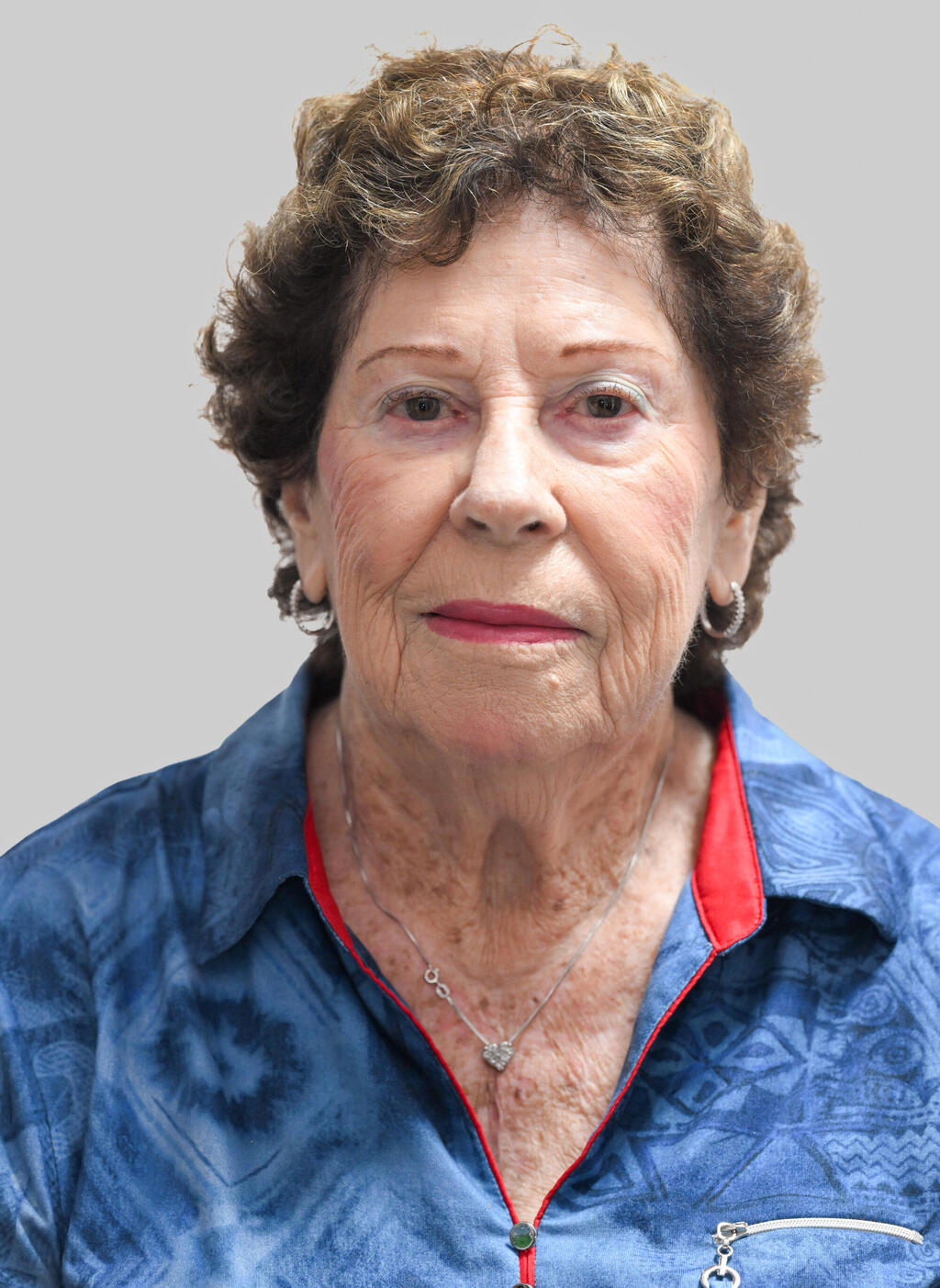
Miriam (Daisy) Bar-Lev
(Photo: Yad Vashem/Jorge Novominsky)
After two years, Daisy and her mother were taken out of Bergen-Belsen, marched through a forest and crammed into cattle cars. The train — later known as the “Lost Train” — traveled and stopped intermittently for about two weeks. In April 1945, its passengers were liberated by the Red Army.
Daisy and her mother immigrated to Israel in 1946. She settled in Kibbutz Ginegar and changed her name to Miriam. She studied nursing and served in the IDF as an instructor and platoon sergeant. She studied nursing and worked in a health fund in Nahariya and in schools until her retirement. She and her late husband Zvi have three sons and seven grandchildren.
Moshe Harari, 92, was born in a village in Poland. At the end of 1941, his family was transferred to the Mordy Ghetto. His father would sneak out of the ghetto to work for farmers and bring food back. In August 1942, the Jews were gathered in the town square ahead of deportation, but the family managed to escape to the forest. They hid in various places and, after about six months, reached a Polish farmer who sheltered them for payment; he hid them behind straw bales in the attic of the barn, and later in a pit under the granary floor, where they could only lie down or sit hunched over. In spring 1944, the Red Army liberated the area, and the family returned home. They faced antisemitism, his father disappeared and was likely murdered, and later, Poles broke into their home, looted it and threw explosive grenades, critically wounding his mother.
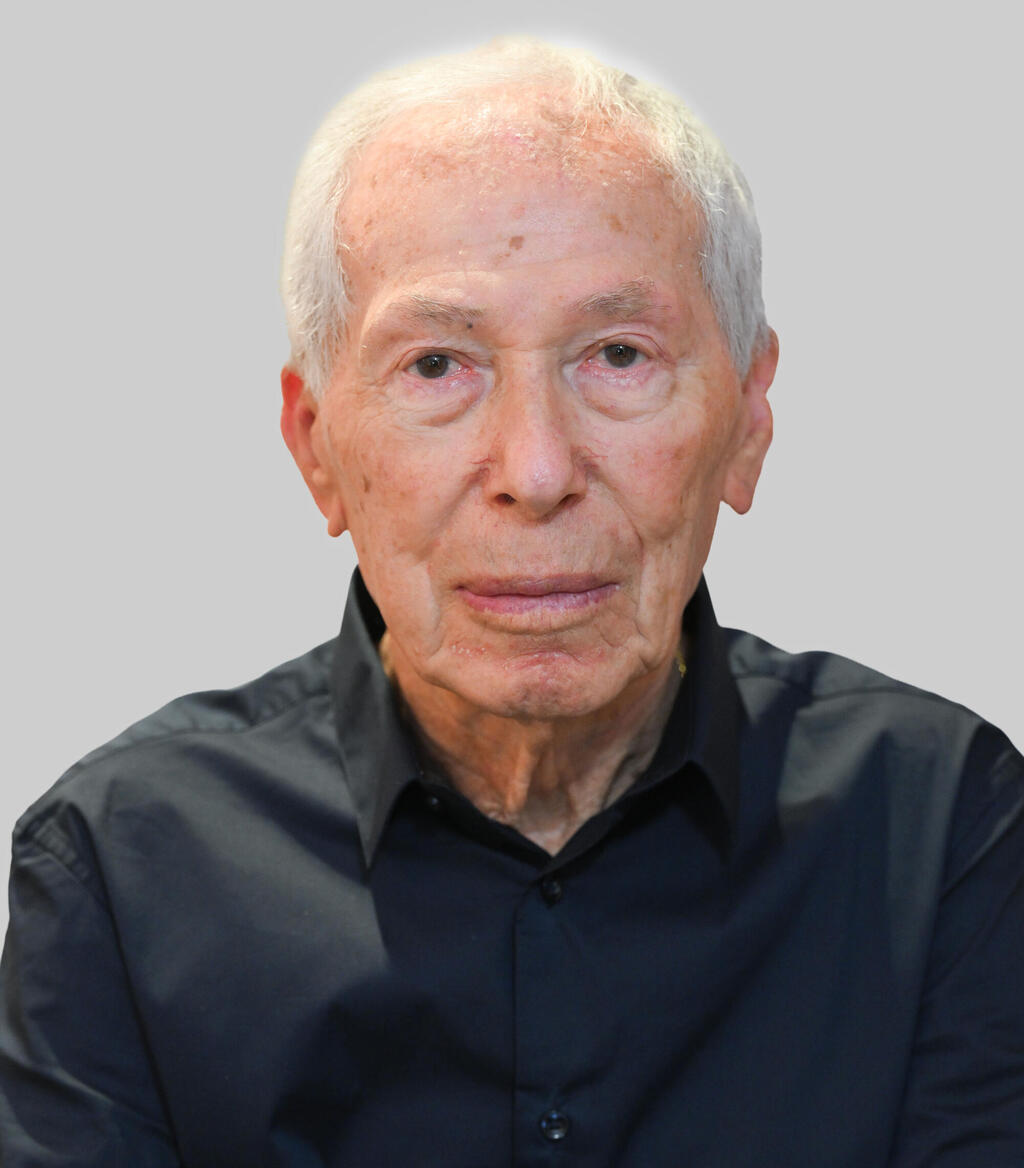
Moshe Harari
(Photo: Yad Vashem/Jorge Novominsky)
In 1947, Moshe, his mother and his sister arrived in pre-state Israel aboard the ship Kaf Tet B'November. But the British intercepted the boat and sent the passengers to a detention camp in Cyprus, and after six months they returned. Moshe worked for decades in the military industry. He and his late wife, Zehava, have three children, six grandchildren and two great-grandchildren.
Ilana-Lina Fallach, 89, was born in Benghazi, Libya; they lived on good terms with their Muslim neighbors, and Ilana’s grandmother was even a wet-nurse for an Arab mother who lived next door. In late 1940, the British bombed Benghazi, and the Fallachs hid together with many other Jews in a shelter beneath the city’s central square. Many family members were killed in the bombardment.
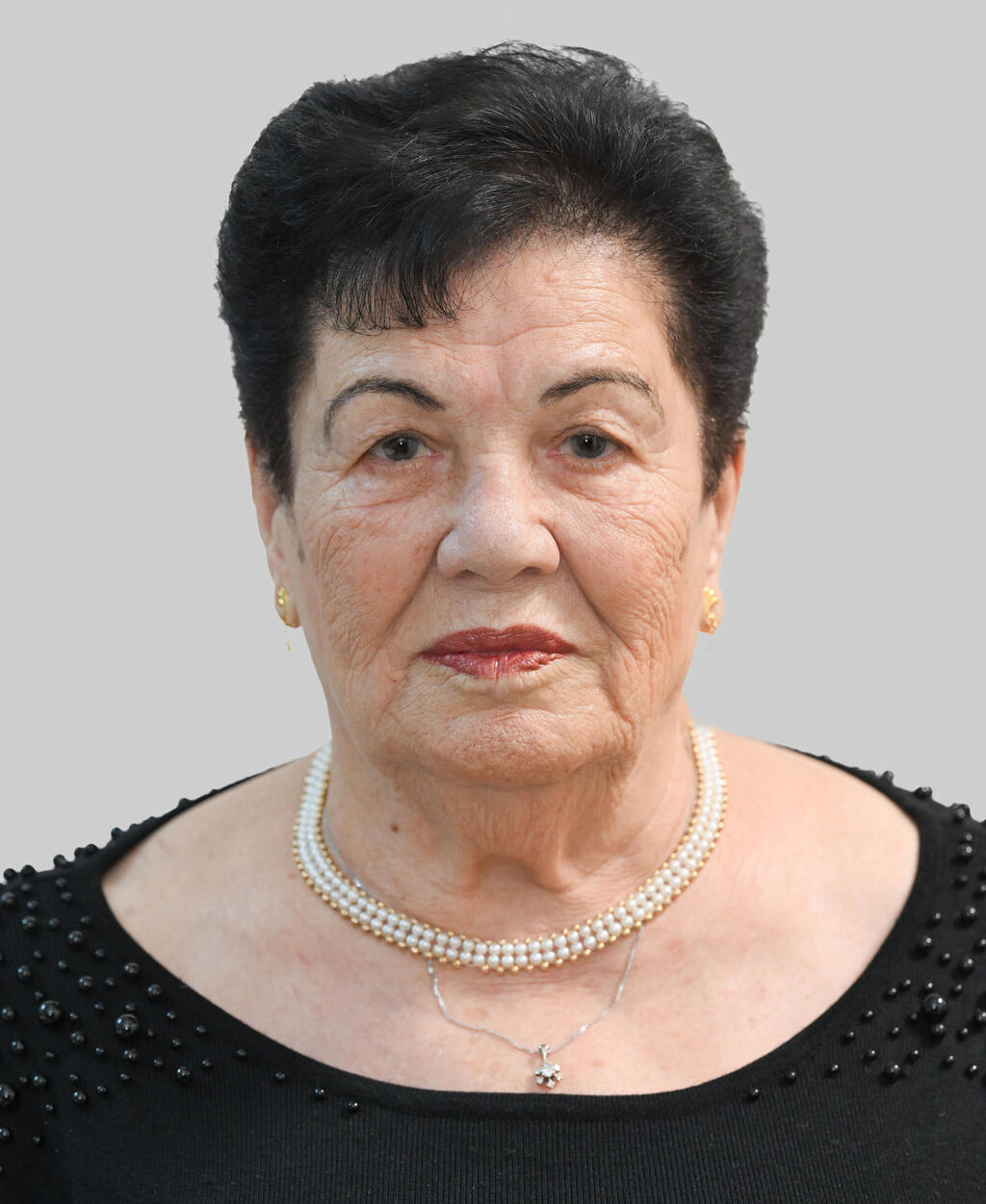
Ilana-Lina Fallach
(Photo: Yad Vashem/Jorge Novominsky)
The Italian authorities arrested those with British citizenship, and her British father was forced to flee to Egypt. In 1942, the extended family was loaded onto a livestock truck and taken to the Giado concentration camp. Her sister Yolanda died during the difficult journey. They lived in a barrack infested with lice and fleas. Food was scarce, spoiled and worm-infested, and many died of hunger and disease. Ilana would climb the fence, give bracelets or rings to Bedouins who came near the camp and receive food in return. One day, a German soldier saw her and broke her leg with a kick. A typhus outbreak later killed her sister Allegra.
The camp was liberated by the British army in early 1943. The Fallachs returned to Benghazi, where they were reunited with Shimon, but Muslims had overrun the family home. Ilana’s broken leg caused an infection to rage through her body, and she only avoided amputation thanks to penicillin. Soon after, riots broke out, and the family fled in the middle of the night to Tripoli, immigrating to Israel in 1949. From a young age, Ilana helped support her family and later opened a hair salon. She is a Holocaust educator who speaks to many audiences about the Holocaust of Libyan Jewry. She and her late husband Clement have five children, 11 grandchildren and 12 great-grandchildren.
Avigdor Neumann, 95, was born in the town of Sevluš in Czechoslovakia, now in Ukraine. In 1939, the town came under Hungarian rule, and his father helped save Jews without citizenship from expulsion to Poland by assisting in the forging of Hungarian citizenship papers. In March 1944, the Germans invaded Hungary and deported the family from their home. They were sent to a ghetto and then to Birkenau, where one of the Jewish prisoners separated Avigdor from his mother and moved him to the men’s line. The next day, he was told that his mother, brother and sisters had been murdered. His father and another brother died in other camps. Avigdor was assigned to garbage collection and tried to assuage his hunger by eating scraps of refuse. One day, he discovered his older sister was alive in the women's section of the camp.
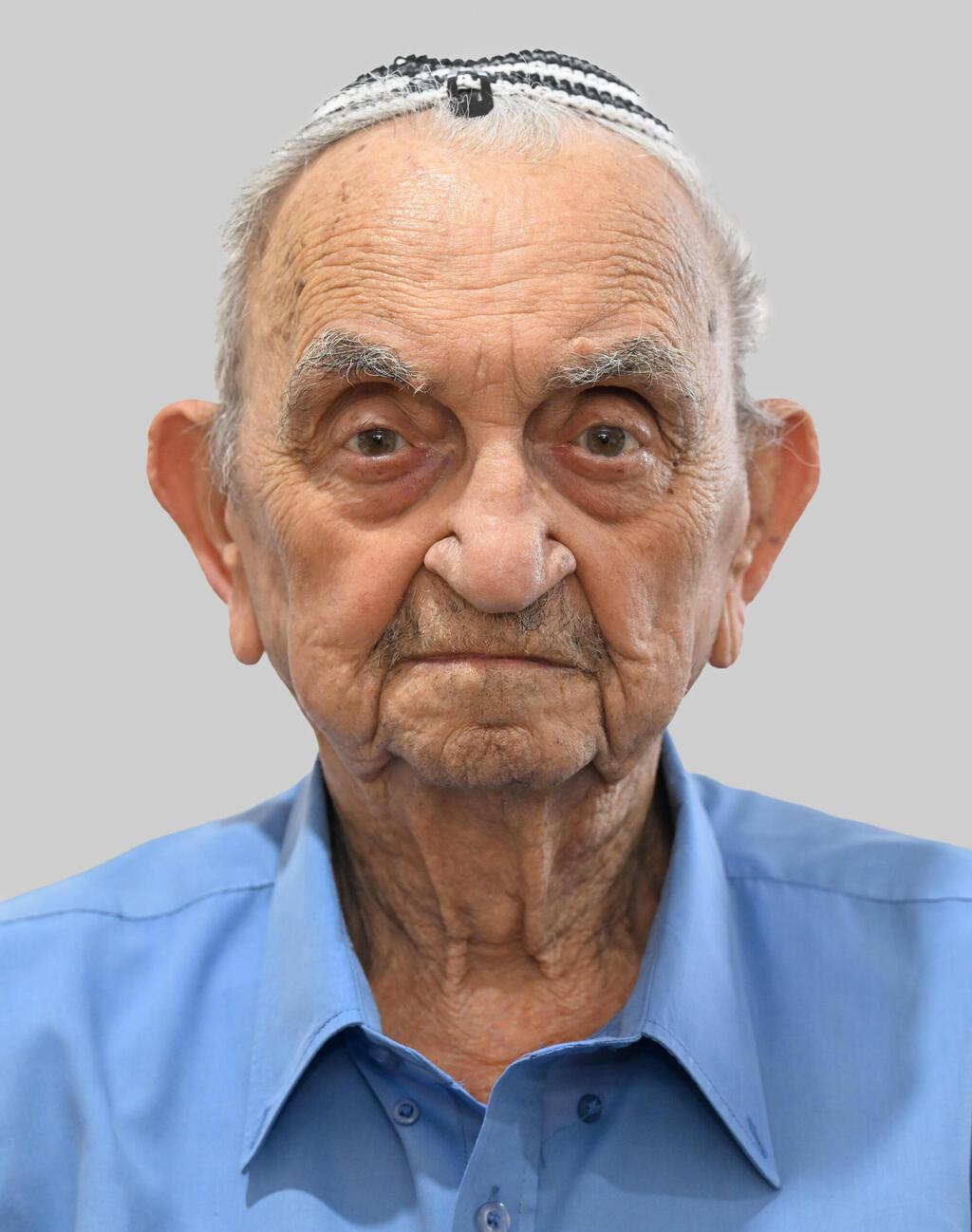
Avigdor Neumann
(Photo: Yad Vashem/Jorge Novominsky)
In January 1945, Avigdor was sent on a death march and reached the Gunskirchen camp, where he was liberated by the U.S. Army. He returned home, found his older sister, and together they made their way to Israel aboard the immigrant ship “Theodor Herzl,” but were detained by the British and sent to Cyprus. They later arrived in Israel. Avigdor fought in all of Israel’s wars up to the Yom Kippur War, in which he was wounded. He and his wife Rivka have a son and a daughter, seven grandchildren, 45 great-grandchildren and one great-great-grandchild.
Two additional figures will take part in the ceremony in addition to the torchlighters: survivor Haviva Burst, 96, who was born in Poland as Luba-Chaya Hochlerer, will deliver the survivors’ address. Following the Nazi invasion, her mother and three siblings went into hiding and disappeared. Haviva hid with her father in a pit in the forest until he joined the partisans and left her with Christians, who took her in for payment. She was moved several times and in her last hiding place, Haviva hid behind a wardrobe in the corner of the room and used a coat as a toilet. She was only able to stretch her limbs at night. Later, her father was murdered, the money for her hiding ran out, and she wandered alone in forests, sneaking into villages for food. A man she encountered interrogated her, and she ultimately admitted she was Jewish. She feared he would turn her in, but he brought her to his home, where she lived with his family.
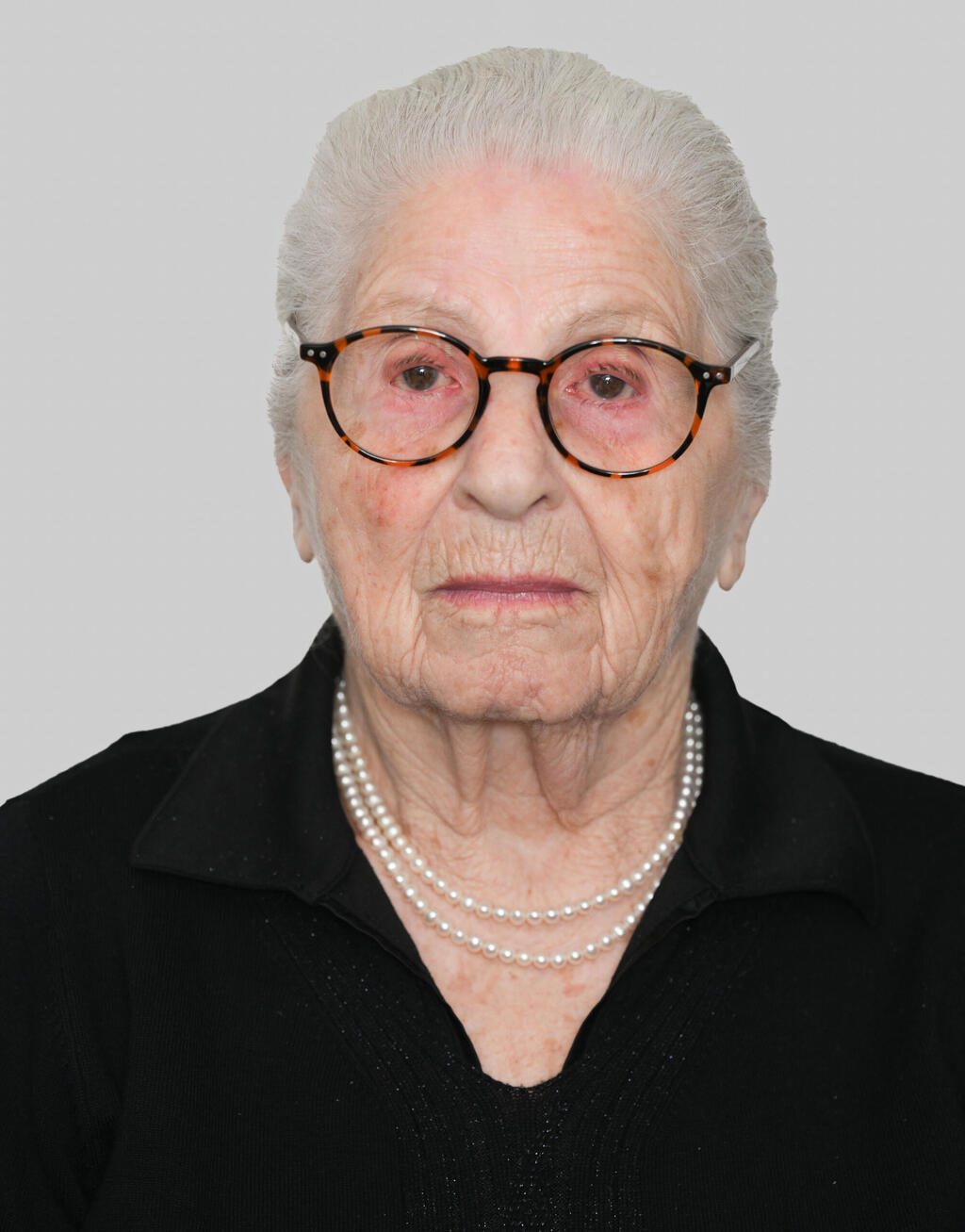
Haviva Burst
(Photo: Yad Vashem/Jorge Novominsky)
She immigrated to Israel in 1947 with a group of child survivors on the illegal immigrant ship Haim Arlozorov, enlisted in the Nahal Brigade and was among the founders of Kibbutz Tze’elim. She and her late husband Arieh have three children, 10 grandchildren and 15 great-grandchildren.
Menachem Neeman, 88, will recite the “El Maleh Rahamim” memorial prayer. He was born in Romania, and at the end of 1941, his family was deported from their home on a cattle train to the town of Atachi in Romania (today Otaci, Moldova) and later moved into the Shargorod ghetto (today Sharhorod, Ukraine).
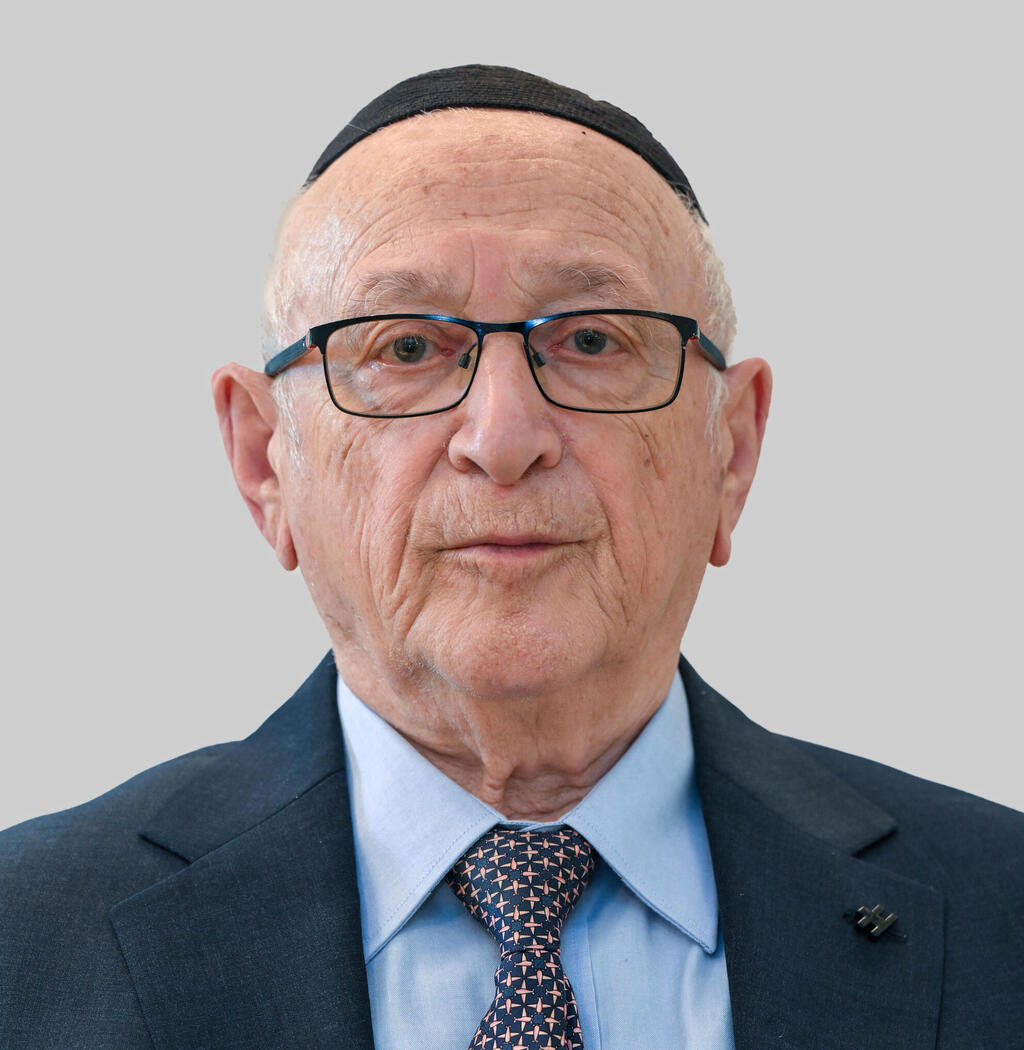
Menachem Neeman
(Photo: Yad Vashem/Jorge Novominsky)
In spring 1944, Menachem and his family were liberated by the Red Army and returned home. He sang at events to help support the family. In 1949, they immigrated to Israel. Menachem studied law and served as deputy president of the Haifa District Court, lectured on family law at the University of Haifa and chaired the general assembly of the company for locating and returning assets of Holocaust victims. He and his wife Tzipora have four children, 22 grandchildren and 45 great-grandchildren.