

This past week, with the blessed news of the discovery and return of national hero Ran Gvili, may Hashem avenge his death, the entire country released a massive sigh of pain-filled relief that we have been holding in for well over two years.
In that moment, one could easily feel the unity of millions of Jews around Israel and the world. Wherever one turned you saw faces filled with joy and inspiring scenes - as flight passengers informed of the news broke out in applause, and yeshiva students came together in dance and song. Like many, those moments compelled me to ask whether joy was the proper reaction.
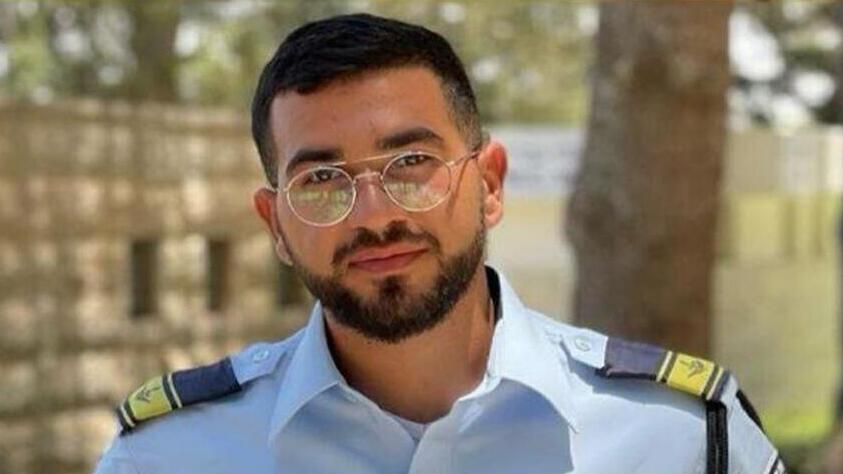
Was Ran returning to his family alive and well…? When was the last time that the return of a young Israeli in a coffin was the source of national elation? We are all too aware that the many similar moments we have experienced in our recent and less-recent history are typically cause for days of intense national mourning.
In a remarkable way, we find that this week’s Parsha, Beshalach, tells a not-so-different story.
After 210 years in galut (exile) and slavery and following the ten plagues and all that surrounded those events, finally we see the Jewish people experience their exodus.
The Torah describes how Moshe, despite the enormity of that moment and all that his incredible leadership entailed, set aside his responsibilities and went to retrieve the bones of Yosef.
Yosef then, like Ran of today, was the first to go down to Egypt and would be the last to leave.
And as the Torah describes:
“And Moshe took with him the bones of Yosef, because Yosef has made the people of Israel swear an oath saying: ‘God will come to your aid, and when He does, you must take my bones with you from here.’”
That always confounded me: Why did the Torah have to go into such specific detail? What was so important that we needed to know that Moshe was the one who tasked himself with retrieving Yosef’s remains?
The sages in the Midrash go further and add just how out of the ordinary Moshe’s actions were, and how they even jeopardized Moshe’s very safety.
The Midrash asks how Moshe could have known the very burial location of Yosef’s body? It’s written that Serach, the daughter of Asher, was still alive at the time. She came to Moshe and told him that Yosef had been buried in a metal coffin that was sealed with lead and had been placed in the Nile River.
This description easily reminds us of Hamas, who went to such lengths to hide the remains of the Jews in ways that would make their discovery and identification that much more challenging.
The sages continue the story writing: ‘Moshe went to the banks of the river and called out: ‘Yosef, Yosef, the time has come where God will redeem the people of Israel. The Shechina (Divine Presence) is waiting for you and the people of Israel and the Annanei Hakavod (Clouds of Glory) are waiting for you. If you reveal your location to me now, all will be well. But if not, we are released from the oath that our fathers have made…’ At that very moment the coffin drifted to the surface and Moshe removed it from the river.
To recall that story, one can easily ask the question of which events in history were more extraordinary; The return of hundreds of our fellow brothers and sisters from the grasp of a horrific enemy in Gaza leading to this moment with the return of Ran, or when Judaism’s most iconic leader was compelled to ‘make a heavenly deal’ to secure the miraculous return of Yosef to his people?
How is it possible that we as a people are forced to make these decisions?! To employ such massive resources, the likes of which will likely never fully come to light and often risked or cost the lives of our precious soldiers, to secure the release of fellow Jews.
The Hebrew word “Atzmot”, bones, carries within in a possible answer. Bones can be literally translated as those physical remains of the body that will eventually wither away and thus have primarily symbolic meaning. But ‘Atzmot’ also refers to the essence of things; our very depths as people, and the stories and experiences that make us who we are.
(Photo: Tomer Shunem Halevi )
As we travelled through the desert we of course reached the sea where the waters were split into two, securing our survival. Why did the water split? As David records in Tehilim (Psalms) “The waters saw and fled”. What was it that the waters might have seen that caused them to flee?
The sages teach that they saw Yosef’s coffin. But it wasn’t those physical bones that moved the waters. Rather it was the essence of the story that they represent; the stories of faith, of hope and responsibility that so deeply inspired the return of a national hero to his people.
Moshe knew that story had to be told. A story of who we are and the commitment that we have as a nation to each and every one of our people. More than 200 years earlier Yosef had foreseen that story that eventually we would become that nation. And for those 210 years, we lived as a people that never abandoned the belief of what would be. We didn’t live in the “here and now” but firmly trusted that the moment would come where everything would change and be revealed to us. That is the message behind the return of Yosef’s remains and how every force of nature couldn’t withstand the power of our national Jewish destiny.
Thousands of years later, we once again are writing that story and once again our faith ensured we would not leave a fellow Jew behind - and Ran has come home.
The message to the world should be clearer than ever. The power of the Jewish people, the unity of the Jewish people, demands that when a hero of our nation, who went out on the morning of October 7th to fight for his country has been lost, we will do everything to bring him home.
Ran’s story and Yosef’s story are the stories of the Jewish people.
For well over two years we have been living in pain, fear and uncertainty and in many ways we remain a wounded people.
But these are the moments that we so needed and lived for: a story of heroism, of sacrifice, of immense caring for others- a story of faith and hope.
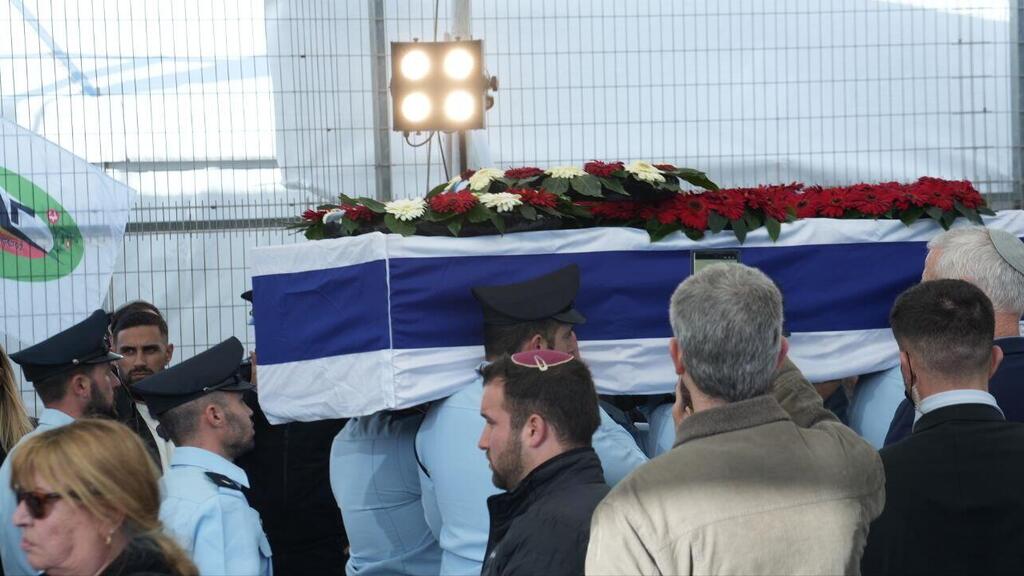
And now that we have been blessed to witness Ran buried in the soil of the land he so loved and lived and died for, his story must serve as an inspiration and guide of who we are as a people - for today and for the generations to come.
Rabbi David Stav is the Chair of Tzohar and the Chief Rabbi of Shoham.