Updates
Red Mail
27°
Tel Aviv-Jaffa
Search
Main
Israel News
Mideast & World News
Tech & Digital
Real Estate
Finance
Lifestyle
Health & Science
Jewish World
Travel
More
Channels
Opinions
Magazine
Sports
Food
Weather
Podcasts
Sites & Sources
Ynet
Calcalist
yad2
ynetespanol
Вести
mynet
Contact
Contact us
Privacy Policy
Terms of Use
Accessibility Statement
main
Israel News
Mideast & World News
Tech & Digital
Real Estate
Finance
Lifestyle
Health & Science
Jewish World
Travel
27°
Weather
YnetGlobal Channels
Opinions & Analysis
Magazine
Food
Sports
Weather
Podcasts
Sites & Sources
ynet
calcalist
yad2
Español
Вести
mynet
more channels
Israel News
Mideast & World News
Tech & Digital
Finance
Lifestyle
Health & Science
Travel
Contact
Contact us
Privacy Policy
Terms of Use
Accessibility Statement
Tags
Weekly Torah portion
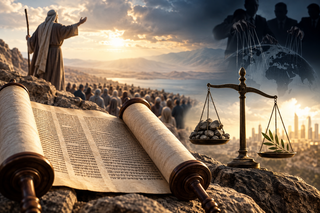
What Abraham's war reveals about today's race for AI dominance
The Torah portion Lech Lecha reveals how ancient wars over copper, tin and trade routes mirror today's global race for AI dominance, as Abraham's fight for freedom offers a moral alternative to the struggle for resources and power
Michael Eisenberg
|
10.23.26
When results disappoint: Stay the course or change direction?
Abraham reaches the Promised Land only to face famine; Psalm 105 and philosopher Søren Kierkegaard explore the gap between hindsight and decisions made in uncertainty, offering business leaders a lesson in when to persevere and when to change course
Ziv Elul
|
10.22.26
Weekly Torah portion: Navigating the AI flood
As artificial intelligence reshapes society, the Torah's contrasting models of Noah and Abraham offer a moral choice: retreat into technological isolation or use innovation to build a more just and inclusive future
Michael Eisenberg
|
10.16.26
Managers, take note: Everyone knows you were angry, but do they know what to do next?
Business insights from the weekly Torah portion: Managers can stop a crisis, set boundaries and demand accountability, but the real test comes afterward; Noah offers a model for turning authority into clear rules, stronger teams and lasting change
Ziv Elul
|
10.15.26
What the Garden of Eden can teach us about raising creative thinkers
The two creation accounts in Genesis offer a lesson for modern education: Students need both structure and freedom to take risks, overcome challenges and develop the creativity, resilience and independent thinking needed to succeed
Michael Eisenberg
|
10.09.26
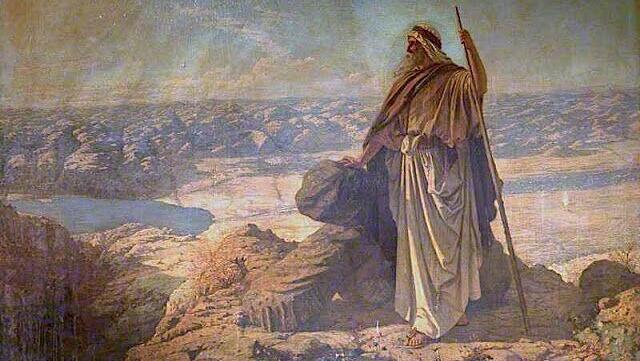
Stop striking rocks: Moses' final lesson in leadership before Israel enters the Promised Land
From appointing Joshua to blessing the tribes, Moses spends his final days preparing Israel to act without him, turning the lesson of the struck rock into a final message about succession, responsibility and the limits of leadership
Michael Eisenberg
|
10.02.26
How much are you really willing to pay for your values?
It is easy to talk about integrity, people and quality as long as there is no cost attached; Parashat Vezot Haberakhah and Rabbi Isaac Arama offer a sharper test: A true value reveals itself precisely when it clashes with profit, comfort or success
Ziv Elul
|
10.01.26
'A vile and unwise people' or rather 'A wise and understanding people'?
A single Hebrew word in Moses’ final song reveals a deeper warning about abusing the systems meant to guide us — and why Ha’azinu’s message of responsibility, wisdom and moral purpose resonates as Yom Kippur approaches
Michael Eisenberg
|
09.18.26
The best managers don’t prevent every fall. They know which ones to allow
The eagle metaphor in this week’s Torah portion, Haazinu, and Yom Kippur’s message of failure and renewal offer managers the same lesson: give people room to struggle and grow, while staying close enough to keep a mistake from becoming a disaster
Ziv Elul
|
09.17.26
Not every change is renewal: the management test of Rosh Hashanah
A new year invites us to set goals, change habits and turn over a new leaf, but Rabbi Isaac Arama suggests beginning with a different question: What is truly missing, what should be left behind and what should instead be preserved?
Ziv Elul
|
09.10.26
When hidden sins become a collective responsibility
Weekly Torah portion: The Torah’s distinction between hidden and revealed sins calls on society to confront 'open secrets' and systemic wrongdoing, warning that collective responsibility extends beyond what can be formally proven
Michael Eisenberg
|
09.04.26
The management mistake of waiting for the ‘right time’ to change
This week’s Torah portion, Nitzavim, offers managers a lesson in change: sometimes the first step creates the conditions needed for the next one
Ziv Elul
|
09.03.26
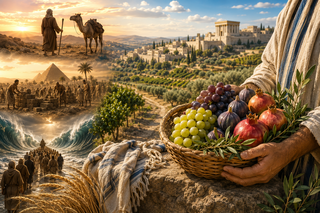
The first fruits and the Land of Israel: A lesson in gratitude and Jewish belonging
Weekly Torah portion: The Bikkurim declaration in Ki-Tavo is not merely about agricultural success; It tells the story of exile, redemption and return, reminding Jews that prosperity matters, but the deeper blessing is belonging to the Land of Israel and building a righteous society there
Michael Eisenberg
|
08.28.26
The problem begins when the manager succeeds too much: Insights from the weekly Torah portion
Success can distort a manager’s sense of ownership and judgment; the Torah’s first-fruits commandment offers a different model: recognize your contribution, credit those who helped and treat achievement as a source of new responsibility
Ziv Elul
|
08.27.26
What the Torah demands when the rules of war take over
Ki-Teitzei places laws on war, exploitation and human dignity side by side, offering a lesson for soldiers and society: fear, violence and power need not erode morality, but can deepen solidarity and responsibility
Michael Eisenberg
|
08.21.26
More Articles
Hot Tags
Today
This Week
This Month
Adolf Hitler
airplane
aliens
Antisemitism
Architecture
Argentina
Artem Dolgopyat
Bank of Israel
Benjamin Netanyahu
Blockchain
Hot Tags
Today
This Week
This Month
Adolf Hitler
airplane
aliens
Antisemitism
Architecture
Argentina
Artem Dolgopyat
Bank of Israel
Benjamin Netanyahu
Blockchain
Related Tags
AI
Artificial Intelligence
Torah
Rosh Hashanah
Yom Kippur
Ziv Elul
Simchat Torah
Michael Eisenberg
Moses
Noah's Ark
""