


Jewish residents of London were targeted in two antisemitic incidents on Sunday in the Haredi neighborhood of Stamford Hill, despite repeated pledges by British authorities to confront the rise in attacks on the community.
In one incident, shortly after 6:25 p.m., a woman attacked a Jewish schoolboy wearing a kippah outside a Jewish boys’ school while shouting antisemitic abuse at him.
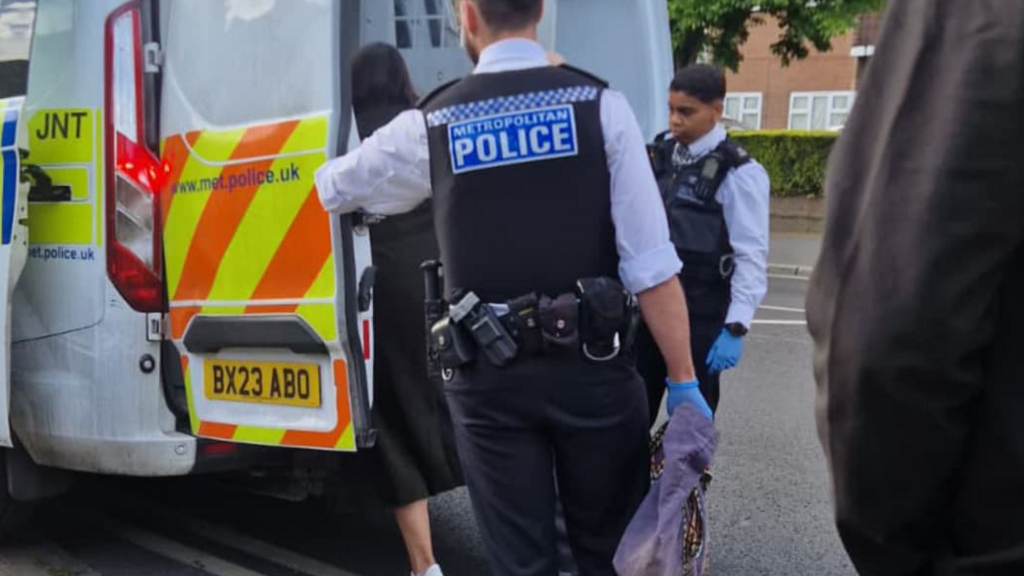
Volunteers from the Jewish neighborhood watch group Shomrim arrived quickly at the scene and called the police. Officers arrested the suspect on suspicion of a racially aggravated assault. Shomrim urged any additional witnesses or victims to come forward.
Earlier the same day, at about 3:45 p.m., a man allegedly attacked several Haredi women in the area. According to Shomrim, the suspect lashed out at them with a belt and spat at one of the group’s volunteers who arrived at the scene.
Shomrim said the suspect also shouted racist abuse at the victims and at its volunteers during the incident.
The volunteers detained the suspect until police arrived, and he was arrested at the scene. He was later charged with racially aggravated public order offenses and assault, and his detention was extended by a court.
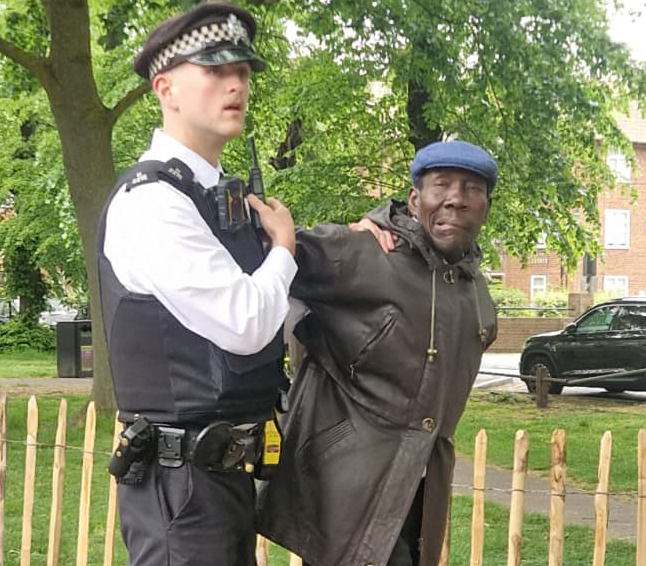
The suspect in the assault on Orthodox Jewish women in London
(Photo: X)
The incidents come amid a string of antisemitic attacks and threats in London, including cases in which two young men harassed a Haredi man and posted the footage on TikTok, a suspect shouted at Jews that Hitler should have killed them, police investigated an alleged attempt to run over Jewish children, and unknown assailants tried to set fire to a building that had previously served as a synagogue.
Following the rise in attacks, London police commissioner Mark Rowley warned that Britain’s Jewish community is facing the gravest threat in its history. He said antisemitism was being fueled by social media and could not be solved by police enforcement alone.
In an interview with Times Radio, Rowley said Jews had become a focal point for hatred from multiple directions, including extremists on the far left and far right, terrorist groups and hostile state actors. Police, he said, were able to deal only with the symptoms, while successive governments had failed to address the deeper problem.