

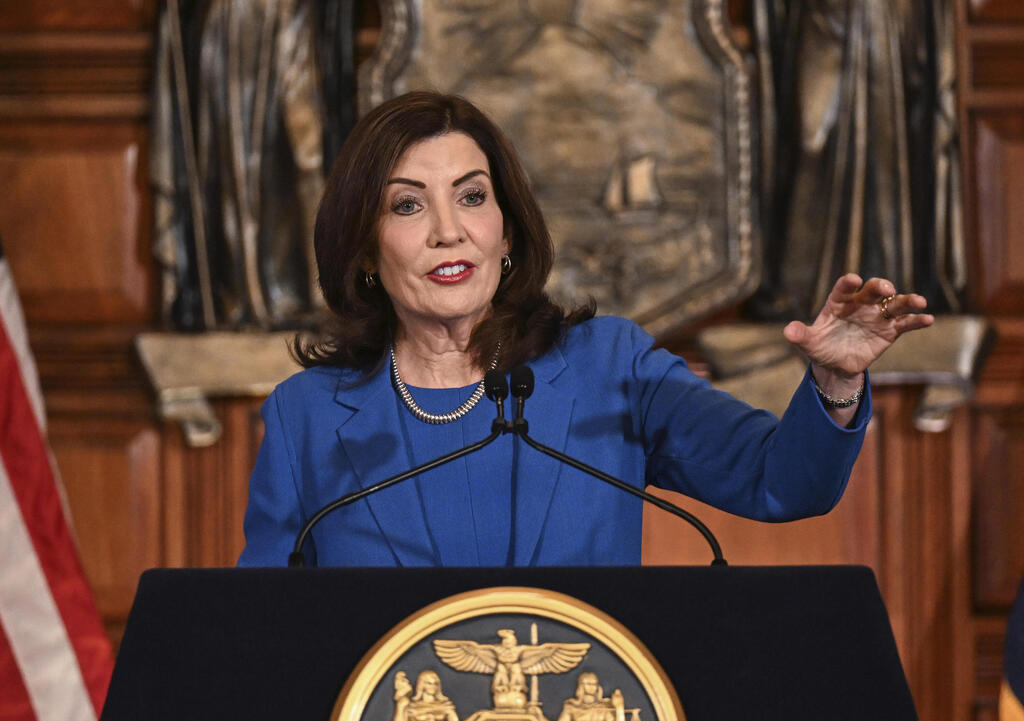
For months, New York's ultra-Orthodox Jewish community pressured Gov. Kathy Hochul to open a new source of funding for yeshivas. Now, their efforts have paid off: Hochul, the state's Democratic governor, announced that New York will join President Donald Trump's school choice program, allowing families to pay tuition at yeshivas and other religious schools with scholarships funded by donations that qualify for federal tax credits.
The program, which will begin next year, is expected to channel millions of dollars toward students attending yeshivas and other Jewish schools. Hochul's decision, made despite opposition from teachers unions and senior figures in her own party, is considered a major victory for the ultra-Orthodox lobby and religious education organizations. Hochul is only the second Democratic governor to join the program, following Colorado Gov. Jared Polis.
Under the program, Americans who donate up to $1,700 to an approved scholarship fund can receive a dollar-for-dollar federal income tax credit of the same amount, reducing the taxes they owe. Married couples filing jointly can claim credits of up to $3,400.
The scholarship funds will distribute grants to families, who can use them to cover tuition at yeshivas and other eligible schools. Donors can choose which scholarship organization receives money that would otherwise have gone toward their federal income taxes. Even Americans living outside New York can contribute to a participating fund in the state.
The U.S. Treasury Department estimates that by 2030, annual contributions under the program could reach nearly $26 billion nationwide, funding as many as 2.2 million scholarships.
In New York, where large numbers of children attend yeshivas and other Jewish schools, Jewish organizations have already been preparing for the opportunity. Jewish federations, Agudath Israel of America, Chabad, the Orthodox Union and other organizations have joined forces around a nationwide fund to collect donations and distribute scholarships for Jewish education.
According to the Jewish Federations, average tuition at Jewish day schools in the United States is approximately $35,000 per student annually. The scholarships could ease the financial burden on families paying tuition for several children.
Behind Hochul's decision lies a prolonged political struggle. According to Agudath Israel, one of New York's most influential ultra-Orthodox advocacy organizations, the governor met with its leaders as early as May at the office of its chairman, Rabbi Shlomo "Sol" Werdiger. The organization had worked to advance the legislation in Congress, while Jewish school organizations and the Catholic Church also joined the pressure campaign in New York.
A coalition supporting the program launched a promotional campaign worth more than $100,000. Hochul's condition was that public school students also be eligible for scholarships. After the federal regulations were published, she gave the green light. Rabbi Yeruchim Silber of Agudath Israel called it "a tremendous day for education in New York."
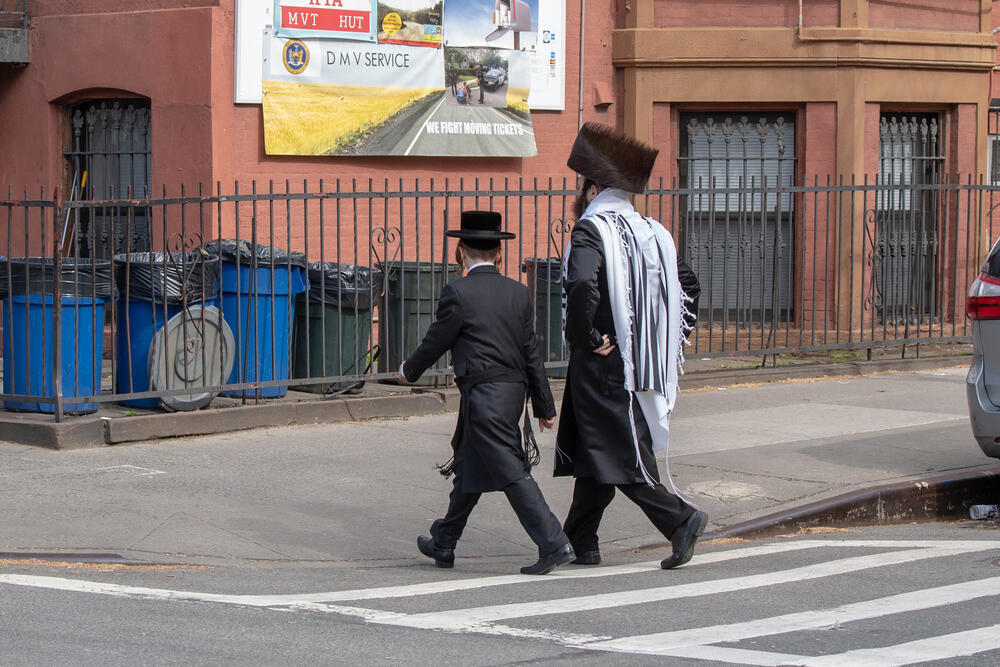
Ultra-Orthodox in New York
(Photo: Ron Adar / Shutterstock.com)
Hochul, for her part, rejected the suggestion that the move amounted to surrendering to lobbying pressure. "I'm not going to leave money on the table when it could help our kids," she said.
According to federal government estimates, approximately 96% of children in participating states could meet the eligibility requirements, meaning the program is not limited to low-income families. Opponents argue that the tax credits effectively subsidize yeshivas and other religious institutions through forgone federal tax revenue, even if no money is taken directly from New York's public school budget. Carl Heastie, the Democratic speaker of the New York State Assembly, urged the governor to reject the program.
New York City's teachers union, which supports Hochul ahead of the upcoming election, has vowed to fight to reverse her decision. The civil rights organization NAACP has also warned that support for private education could encourage wealthier families to leave public schools, deepening segregation among students. Michael Mulgrew, president of the United Federation of Teachers, said: "Gov. Hochul will bear the responsibility, but our students, educators, and families will bear the price."