


Once known as one of the most carefree and welcoming destinations for Israeli travelers, Thailand today carries a new emotional weight for many of its Jewish residents and visitors. In the aftermath of the October 7 terrorist attacks in Israel, the local Jewish community—led by Chabad Thailand and its chief emissary, Rabbi Yosef Kantor—has found itself balancing between the tranquility of tropical paradise and the turbulence of a homeland at war.
“When we first arrived,” recalls Rabbi Kantor, “there were just a few hundred Jews in Thailand. Today, there are several thousand.”
Jewish life in Thailand after October 7: Between paradise and pain
(Video: Eli Mandelbaum)


Over three decades, the rabbi and his family have watched the Jewish population expand along with the country’s modernization. From the buzzing streets of Bangkok to the beaches of Phuket and Koh Samui, Jewish life has taken root in unexpected corners.
The rabbi estimates between 5,000 and 7,000 Jews now call Thailand home, though “home” is a flexible term. Most are not citizens but digital nomads, retirees, business professionals, or Israelis who have relocated temporarily amid regional uncertainty. After October 7, he says, “you hear the word relocation a lot more.”
The appeal is clear: Thailand offers affordability, tolerance, and an easy visa process. “It used to be the trip of a lifetime after the army,” he smiles. “Now, for many Israelis, it’s an annual tradition.”
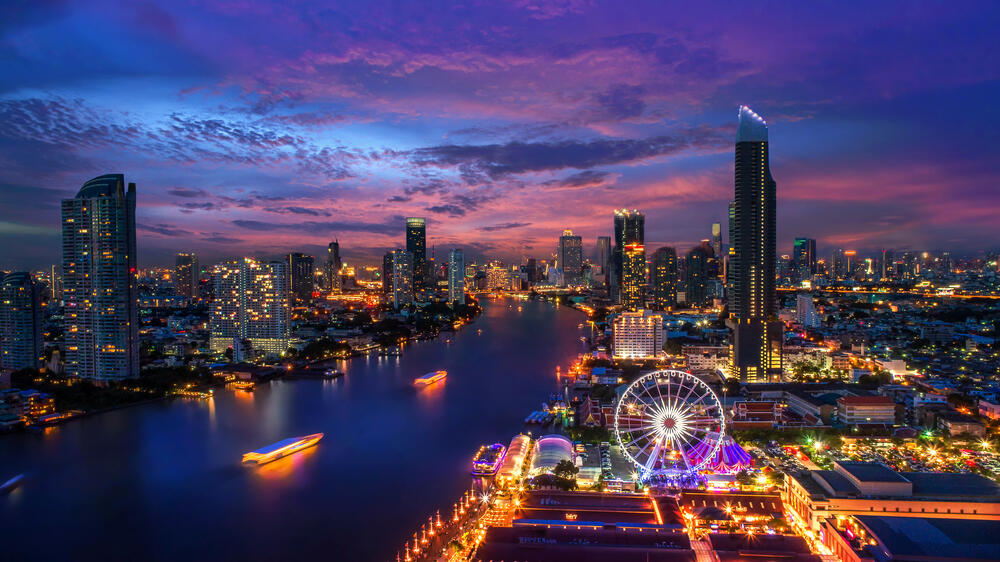
Unlike in many other parts of the world, antisemitism in Thailand remains rare. “The word antisemitism was practically nonexistent here,” says Rabbi Kantor. “The Thai people are generally kind, respectful, and have good experiences with Israelis.”
Still, global narratives after the war have had ripple effects. “The successful PR by our enemies has led some to see Israel as the aggressor,” he explains. “That can change the way a few individuals look at us—but overall, the relationship between Thais and Jews remains warm.”
The rabbi also points to the deep connection forged between Israelis and Thai workers. “When Thai laborers were killed or kidnapped on October 7, Israel treated their families with tremendous dignity,” he says. “That left a very strong impression.”
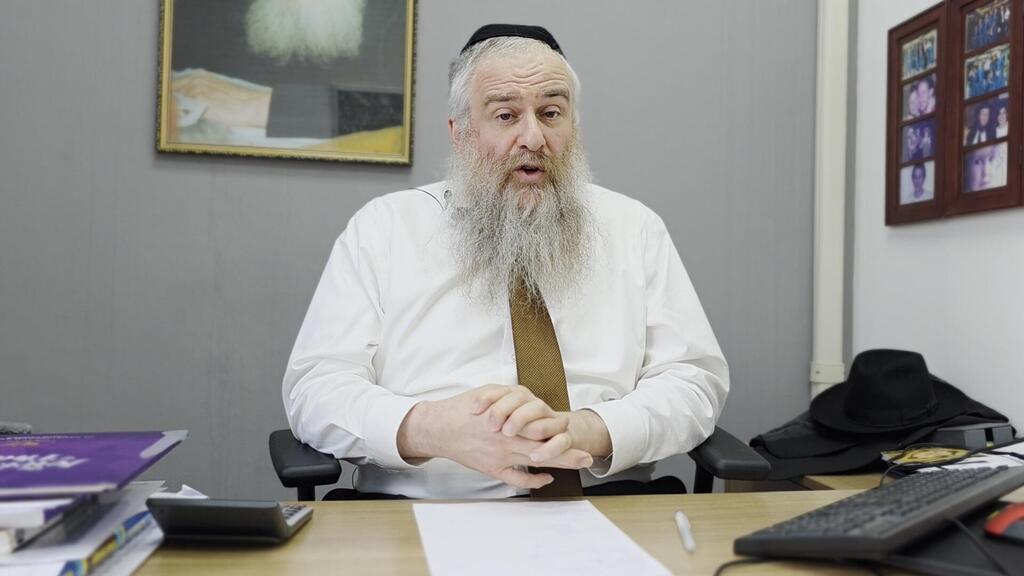
Rabbi Yosef Kantor
(Photo: Eli Mandelbaum)
Long before October 7, Chabad of Thailand had already tightened its security. The turning point came after the 2008 Mumbai terror attack that targeted the local Chabad House in India. “That tragedy changed everything for us,” Rabbi Kantor explains. “Since then, Chabad worldwide has been working with Israeli authorities to ensure security.”
In Bangkok, Chabad maintains its own security chief and invests heavily in protection. “Our doors are open—but safely open,” he says. “We want every Jew to feel welcome, and every visitor to feel secure.”
Amid all the uncertainty, something extraordinary is rising in Bangkok—a new Jewish Community Center, or as Rabbi Kantor calls it, “the Jewish heart of Thailand.”
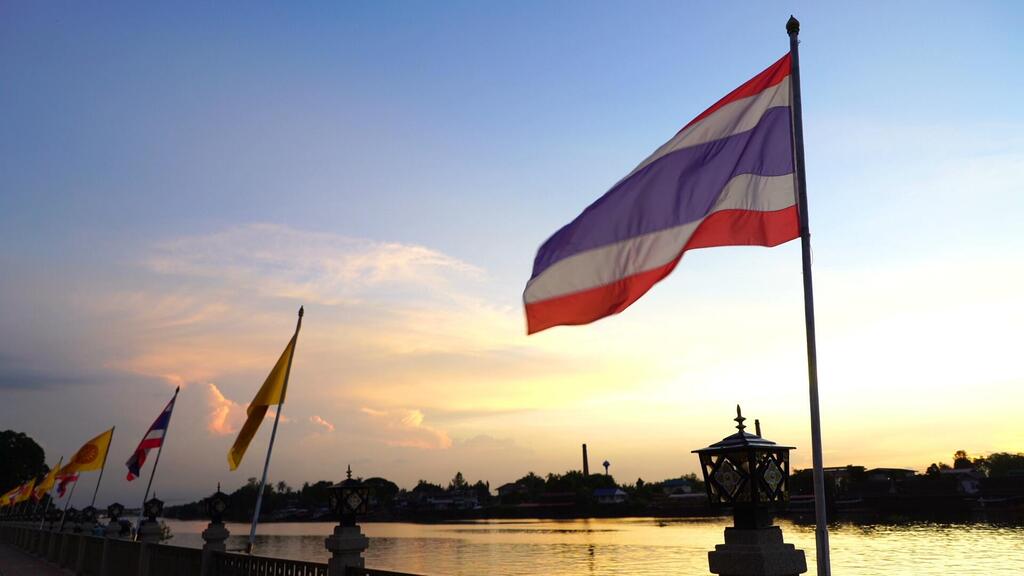
Thailand
(Photo: Eli Mandelbaum)
The sprawling complex will include a synagogue, a social hall, a kindergarten, a kosher restaurant, and even a small museum dedicated to Thai-Jewish history. “We want a place that can host the Prime Minister of Thailand or a bar mitzvah family with the same warmth,” he says.
Unlike historic Jewish communities in Singapore or Hong Kong, Thailand’s Jewish roots are young and transient. “We’re paying as we go,” the rabbi admits, “but we believe that one day soon, this will be a beautiful, welcoming home for every Jew who passes through.”
For Rabbi Kantor, Thailand’s easygoing atmosphere has an unexpected spiritual impact. “People come here relaxed, open, curious,” he says. “Jews who might never attend synagogue back home will come to a Friday night dinner or a Seder. It breaks barriers. Politics fade away. What remains is connection—people rediscovering their Jewish identity in a place of calm and color.”
As the waves crash against the shores of Koh Samui and the lights of Bangkok flicker late into the night, Thailand continues to draw Israelis and Jews from around the world. Yet, behind every smile and Shabbat dinner, there’s a shared understanding—of a homeland under fire, of resilience, and of the power of community to keep faith alive, even far from home.