


About 550 years ago, a wandering Jewish artist sat in Italy and drew, in the margins of a prayer book, a worshipper blowing a shofar, Moses receiving the tablets of the Ten Commandments, strange hybrid creatures and a menorah. In December, the prayer book will be offered at Sotheby's in New York, with an estimated value of $3 million to $5 million. It will headline an event that the auction house describes as the most valuable public Judaica sale it has ever held.
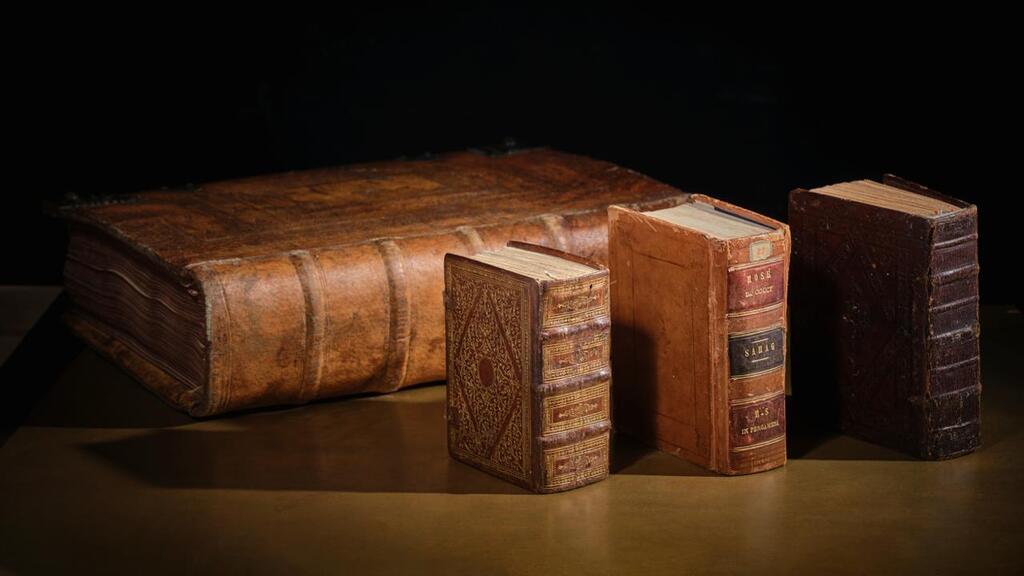
The "Magnificent Judaica" sale will take place December 17. The full catalog has not yet been published, but the high estimates for the seven items unveiled so far add up to more than $16 million, before the buyer's premium. Most of the value is attributed to medieval and Renaissance Jewish manuscripts from a collection Sotheby's calls "important," without disclosing its owner's identity. The caveat: The record concerns the combined value of a dedicated sale, not a single item. The record for a single item belongs to the Sassoon Codex, which was sold at the auction house in 2023 for $38.1 million.
At the top of the list is the prayer book created around 1475 by Joel ben Simeon, one of the few medieval Jewish artists whose name is known today. Ben Simeon was born in Germany and worked in northern Italy, combining the Ashkenazi tradition with Renaissance art. Hundreds of illustrations accompany the prayers: biblical figures, animals, fantastical creatures and scenes from religious life. Next to the instructions for blowing the shofar is a worshipper holding one, while elsewhere Moses is shown with the tablets of the Ten Commandments.
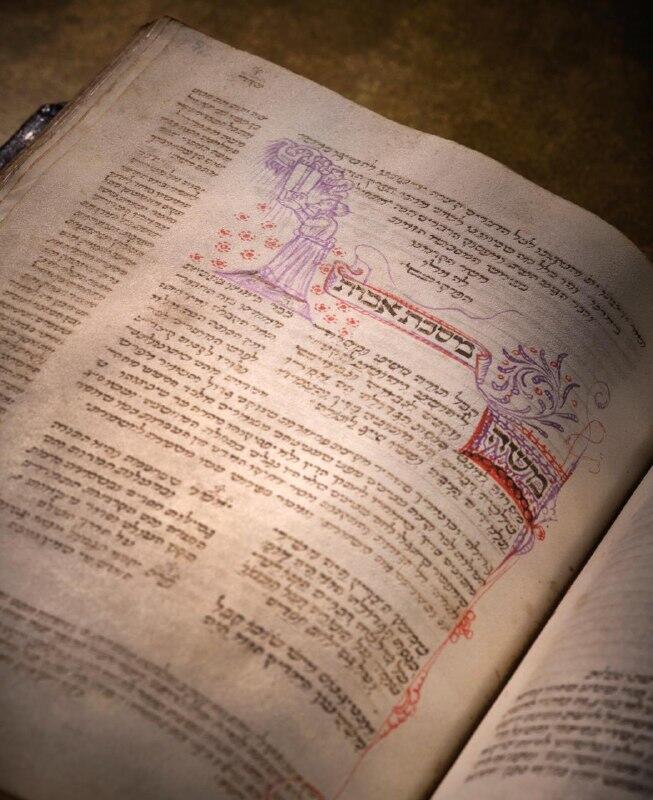
Prayer book created around 1475 by Jewish artist Joel ben Simeon
(Photo: Sotheby's New York)
The most intriguing detail is a drawing of a menorah, which Sotheby's says is among the earliest known visual depictions of Hanukiyah. Only 12 signed works by Ben Simeon are known today, and the prayer book is one of just four of his manuscripts still in private hands. It is a promising formula in the Judaica market, and in the art market generally: a rare name, a tiny number of surviving works and a symbol recognized by almost every Jewish child.
Another prayer book, created in Ferrara around 1500 and estimated at $2 million to $4 million, tells a different story. The text in the Roman style was written by a Jewish scribe, while the decorations were created by Christian artists. Gold, vivid colors and classical motifs turned it into a luxury object that rivaled the books of Christian patrons. Its pages document a cultural encounter that does not always feature in the story of Jewish-Christian relations in Europe.
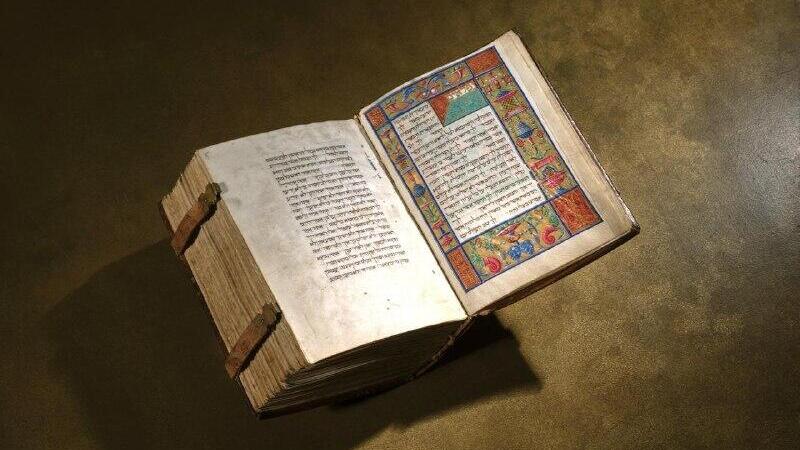
Machzor in the style of Rome, Italy, 15th century
(Photo: Sotheby's New York)
Another item that stands out for its size is a Pentateuch with the Five Megillot and Haftarot, created in Germany around 1300. Hundreds of animal skins were needed to prepare its parchment sheets. Hunting scenes, human figures and fantastical animals in the Gothic style appear among the pages of text. Only a handful of Hebrew books of this size have survived and, according to the auction house, this is the only one of its kind still in private ownership. It is estimates to be sold for $2 million to $4 million.
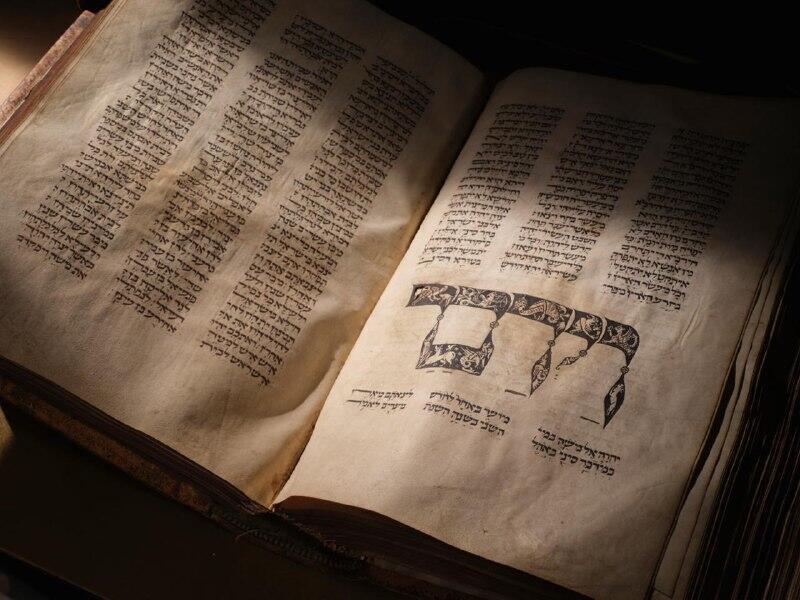
A Pentateuch containing the five books of Moses and the Haftarah
(Photo: Sotheby's New York)
Also offered will be an illustrated copy of "Sefer Mitzvot Gadol" by Rabbi Moses of Coucy, a 13th-century work of Jewish law that organizes halacha around the 613 commandments. The copy was produced in Italy in the late 15th century, with gold lettering and blue, red and green backgrounds, and is estimated at $1 million to $2 million.
At the other end of the size scale is a tiny Torah scroll from Galicia dating to the early 19th century, with parchment measuring just over 6 centimeters in height. According to Sotheby's, it may be the smallest Torah scroll ever documented. It is housed in a gilded silver case, set with gemstones and decorated with filigree, bearing a dedication to Jacob ben Rabbi Meir Landau. The ensemble was purchased in London in 1978 by a New York art collector for a price Sotheby's described at the time as a "world record": $25,000. It has since been passed down through the collector's family and is now estimated at $450,000 to $650,000.
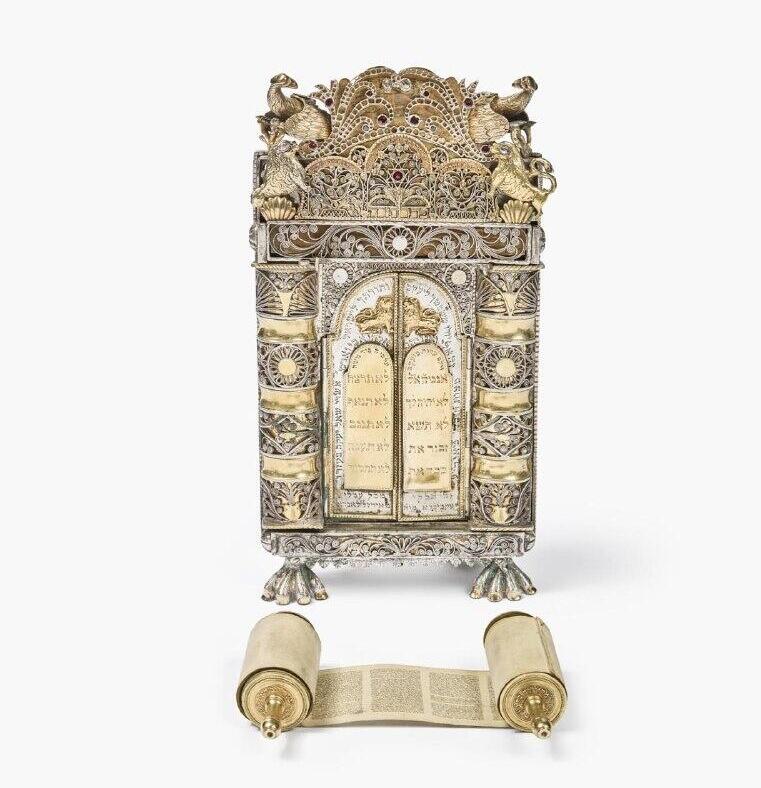
The smallest Torah scroll ever documented.
(Photo: Sotheby's New York)
A silver pitcher made by silversmith Carl Hasenberg in Frankfurt in 1776 connects the sale to the beginnings of one of the world's most famous financial empires. Engraved on the vessel are the names of the heads of the city's Jewish charitable institutions, including Mayer Amschel Rothschild, founder of the banking dynasty. The name appears there before it became an international brand synonymous with wealth and power. The pitcher was passed down through the Rothschild family, displayed at museums in Frankfurt and at Rothschild Bank in London, and is estimated at $300,000 to $500,000.
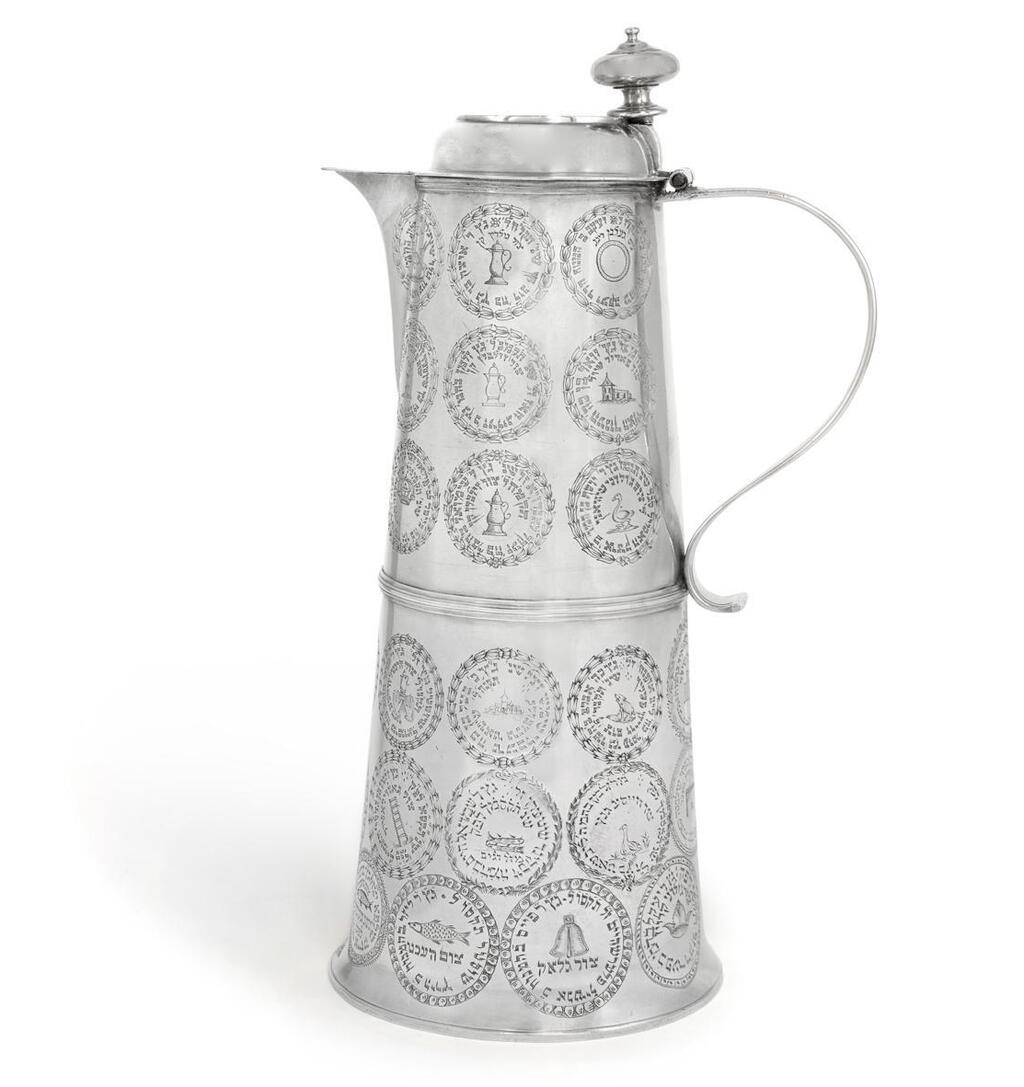
Silver jug of the Rothschild family from the 18th century
(Photo: Sotheby's New York)
Also on the list is an 18-karat gold book cover, set with precious stones, made in Verona around 1900 and presented by Romanian banker and philanthropist Jacques Elias to Rabbi Yosef ben Sinar. It is estimated at $100,000 to $200,000.
Some of the items will be displayed in November at the National Library of Israel in Jerusalem, followed by exhibitions in London from Dec. 4 to 9 and in New York from Dec. 13 to 16.