


A Jewish employee at Harvard University was granted two days off for Rosh Hashanah but, according to a lawsuit filed Friday against the university, his supervisor contacted human resources on the first day of the holiday to raise concerns about his absence. When he returned, she warned him not to think he could "just take time off whenever he wanted." Nine days later, he was fired.
In a lawsuit filed in U.S. District Court in New York, Daniel Lilienthal alleges that his dismissal was motivated by his Jewish identity and his absence during the holiday, rather than concerns about his job performance.
Gallery
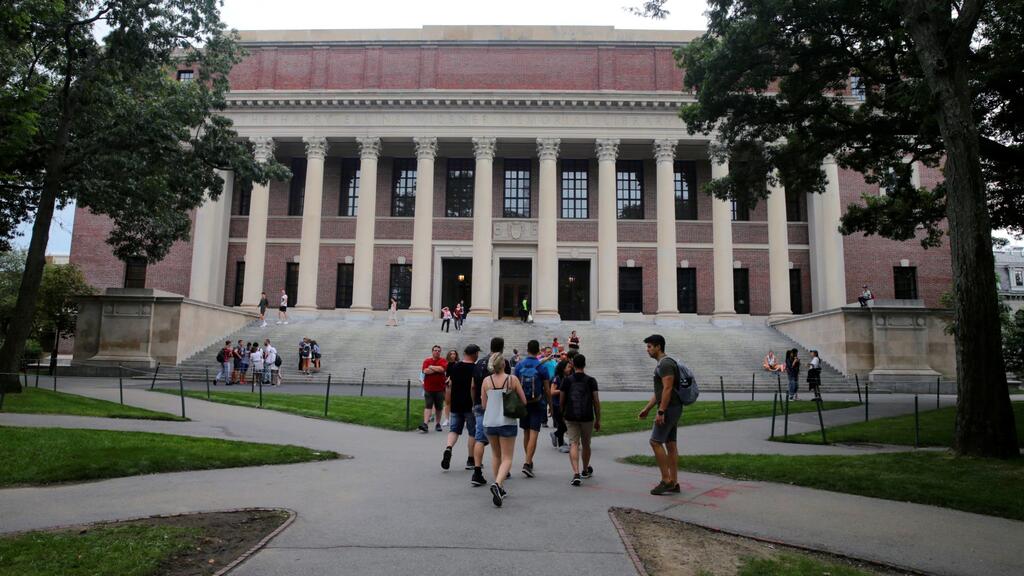
Harvard said it allows employees to take time off for religious holidays, reviews complaints from former employees and takes action
(Photo: AP)
Lilienthal had worked at Harvard for eight years before leaving in 2023. He returned in September 2024 to take on a management position he had long sought at the university's School of Public Health, in its Center for Biostatistics in AIDS Research.
He was authorized to work remotely from his home in New York and was responsible for supervising six employees and managing finances and research grants. According to the lawsuit, he interviewed with nine staff members during the hiring process but did not disclose his religion.
He began work on September 23, 2024. The university-issued computer did not arrive until two days later, and part of his first few days was spent installing software and completing training.

Daniel Lilienthal
His direct supervisor, Jackie Blake, told him she would be busy preparing financial reports and would not be closely involved in his onboarding. According to Lilienthal, she also failed to provide him with a structured work plan or deadlines for most of his training.
Blake approved his request for paid leave on October 3 and 4, the two days of Rosh Hashanah, and he also informed the six employees he supervised.
The day before the holiday, Blake sent him approximately seven messages about additional training that had been delayed by technical problems, without specifying deadlines for completion. However, according to the lawsuit, she spoke with the human resources director on the first day of the holiday about "concerns" regarding his productivity. By that point, Lilienthal had worked just eight days and, he claims, had received no negative feedback.
When he returned to work on Monday, Blake asked him to detail which training sessions he had completed and which remained unfinished. She then told him during a Zoom meeting: "I have serious concerns about you and your work here so far."
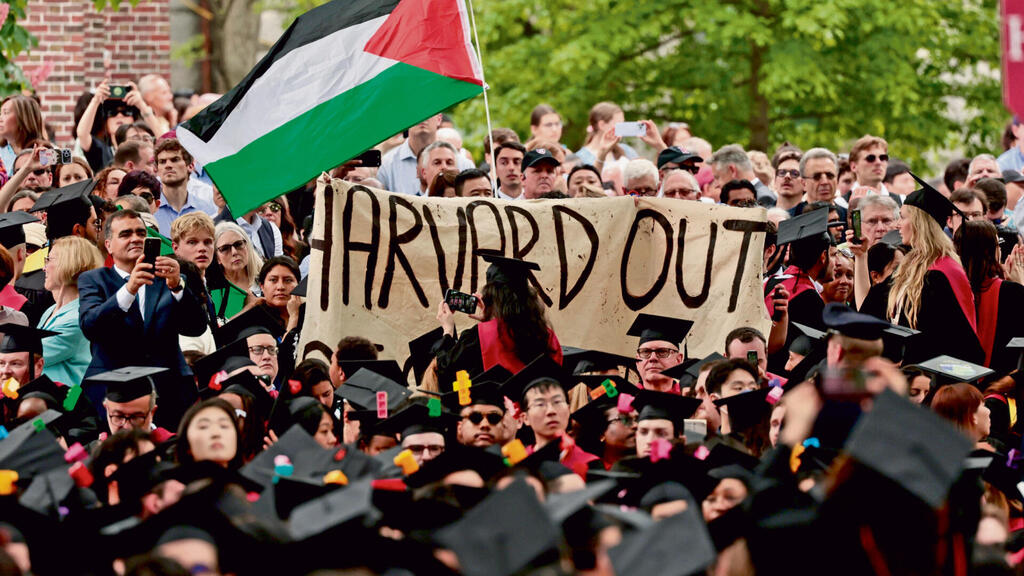
Pro-Palestinian protests at Harvard University
(Photo: Boston Globe/Getty Images)
She criticized his management style and his decision to take time off, warning him against taking "any more vacations." According to Lilienthal, she later acknowledged that the unfinished training was not urgent.
The following day, Lilienthal presented a work plan for the next three months, and Blake agreed to his proposed timelines. Over the following days, he met with his employees, completed training and updated her on his progress. On October 16, his 15th working day, he was fired during a Zoom meeting.
Blake told him he was not a "good fit" for the position. However, when he asked whether his dismissal was related to his performance, whether he had done anything wrong or whether he could have done anything to prevent it, she answered "no" to each question.
The following day, the human resources director told him he had been fired because of his performance. His termination letter stated that he lacked the "skills or abilities" required for the position.
Lilienthal alleges that Harvard refused to allow him to file an internal discrimination complaint or appeal his dismissal because he was no longer an employee and "only employees are allowed to file complaints."
He is now seeking damages for lost income, damage to his career and emotional distress. He says he has been unable to find full-time employment since his dismissal. "It was a major blow to my career and income," he said. "I was completely qualified for the position, until I took time off for a Jewish holiday."
Harvard said it allows employees to take time off for religious holidays, reviews complaints from former employees and takes action when necessary. The university has not yet responded to the allegations in court.