


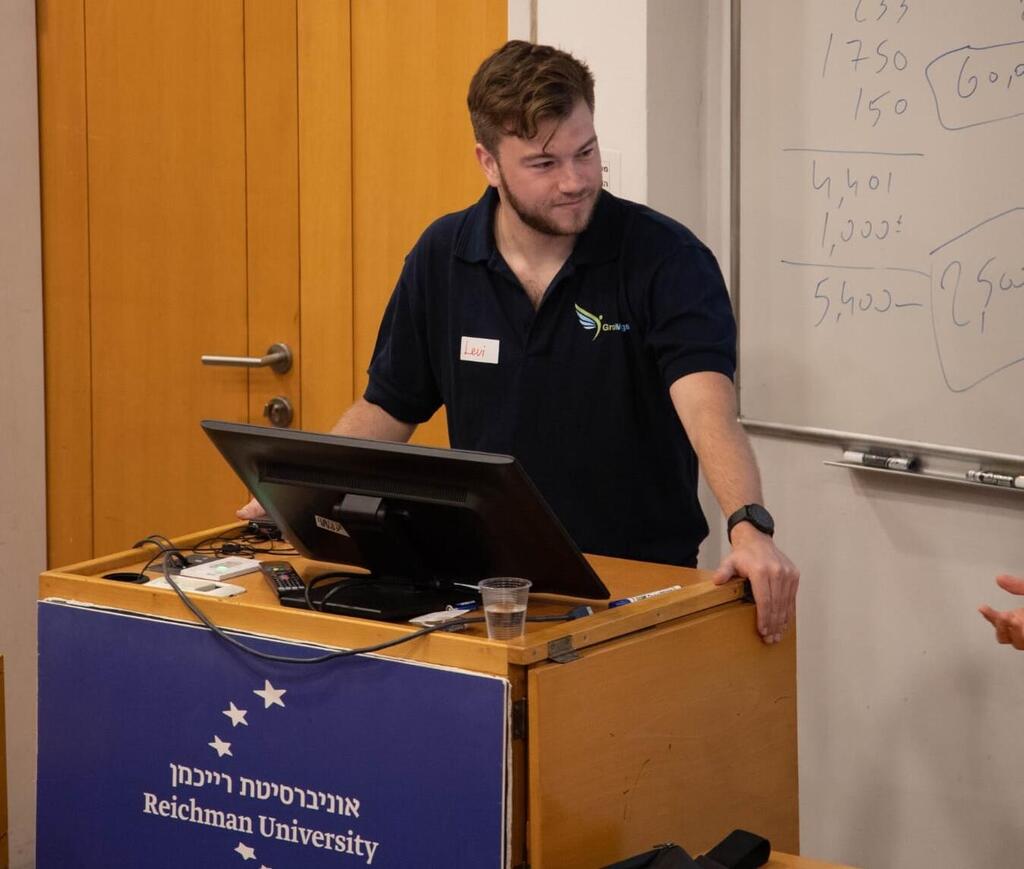
Did you ever grow up Christian in the Netherlands, go to church with your grandmother, only to discover one day that you are actually Jewish? That is what happened to Levi Preger at 17. Since then he has celebrated a bar mitzvah, come to Israel on a Birthright trip, enlisted in the Nahal Reconnaissance Unit, served more than 300 days of reserve duty during the war, studied at the Raphael Recanati International School at Reichman University and worked with the Growing Wings Foundation to advance legislation that would ease the burden on lone soldiers.
“In 2016, my grandmother, Sarah, received an official letter from the German government,” he told ynet. “They wrote that she was eligible for rights as a descendant of Nazi persecutees because her mother, Sina, was a Holocaust survivor.”
How did your family react?
“Honestly, they did not make much of it. Grandma mentioned it casually, that she got the letter and that was it. Religion did not play a big role in our family. We basically grew up as Christians, celebrated Christmas and Easter and I went with my grandmother to church, but nothing beyond that. My parents did not mind that my mother had actually been born to a Jewish woman. I just felt I needed to look into it.”
Why?
“I felt something was missing. I was about to finish high school, had good grades and planned to attend a good university, but none of it spoke to me. I wanted to be part of something bigger than myself. My grandmother’s letter felt like a sign.
“Since I knew nothing about Judaism, I Googled ‘Jews in the Netherlands.’ The first result was Chabad in Almere, about an hour from my home. Because my great-grandmother was no longer alive, it took time for the story to emerge. The Nazis were very ‘efficient’ in the Holocaust and wiped out most Dutch Jews, including those in my grandmother’s town. She was sent to Auschwitz and was among the few who survived. After the war, she married a Christian and decided to keep her Judaism secret, probably out of fear that something like the Holocaust could happen again in Europe.”
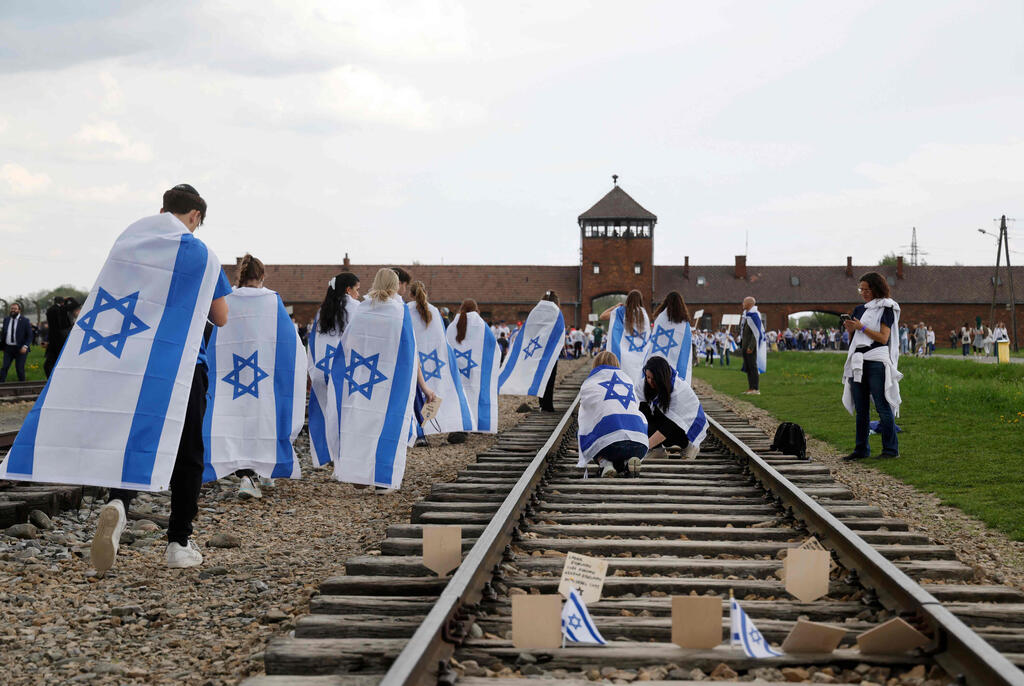
The March of the Living in Auschwitz, Archive
(Photo: Wojtek RADWANSKI / AFP)
Preger, however, wanted to trace his family’s Jewish roots. “I wanted to learn what it means to be Jewish. After the Chabad emissary in Almere checked and confirmed that I was Jewish, he began teaching me. At 18 I even celebrated my bar mitzvah and later came to Israel on Birthright,” he said.
Unlike most Birthright participants who return to their regular lives abroad, Preger realized he wanted more. “The moment I arrived I knew I did not want to go back to the Netherlands. I felt connected to the Jewish people and wanted to stay. I wanted to do something meaningful and be part of something bigger than myself. I wanted to contribute to the country, and with help from Nefesh B’Nefesh and the Jewish Agency I moved to Kibbutz Maagan Michael. I studied Hebrew in an ulpan and worked hard in landscaping.
“After I was drafted the army sent me and other new immigrants to improve our Hebrew at the Mechva Alon base, and I was assigned to an intelligence unit. But I realized that if I was already in the army, I wanted to serve in a combat role that contributes to the country.”
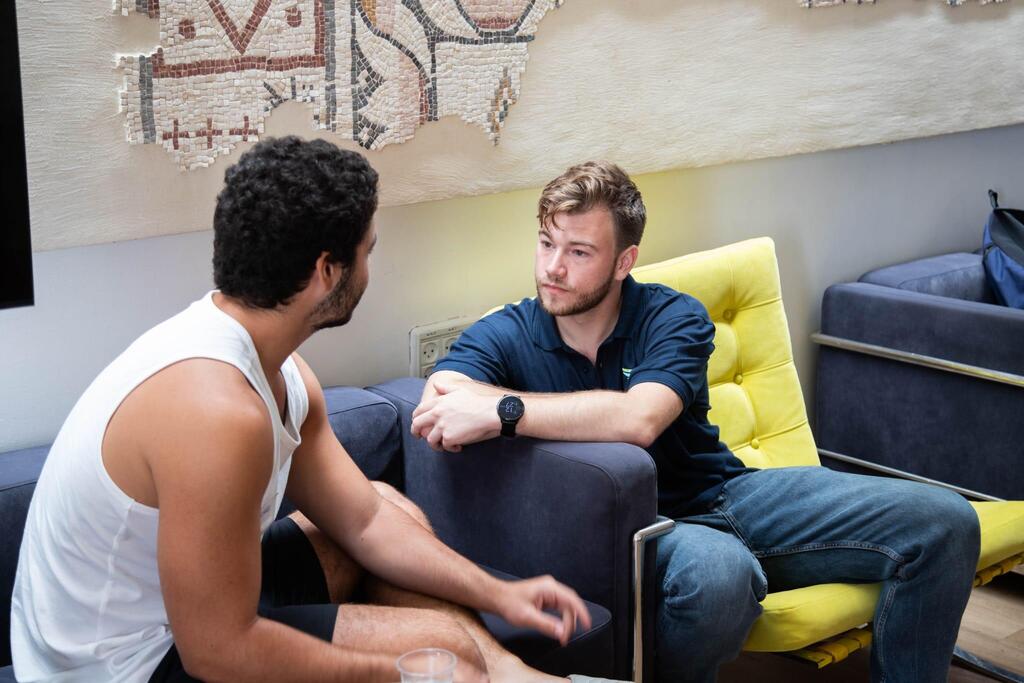
Levi Preger; 'I wanted to be part of something bigger than myself'
How did your parents react?
“That was the hardest conversation of my life. As an only child, I needed their approval to serve in a combat unit. It was not easy for them, but they eventually agreed after understanding my decision was thoughtful, not impulsive.”
‘I said goodbye to my parents not knowing if I would see them again’
In summer 2023, after completing combat service on the Nahal Reconnaissance Unit’s breaching team, Preger flew to the Netherlands for a post-army trip. He was supposed to begin studying government and international relations at Reichman University in October, but on Simchat Torah he turned on the TV and saw the horrors carried out by Hamas. “I told my parents I was returning to Israel to fight with my friends, but there were no flights,” he said. “Only after four days did I find a seat, and as soon as I landed, I joined my reserve unit, which handled the evacuation and rescue of the wounded.”
What happened with your studies?
“I was called up for several rounds of reserve duty, so half of the first semester I was in the army and in the second semester I was barely on campus. It was really difficult. All universities recorded classes for reservists and gave extra points, but Reichman did much more. They appointed a special adviser who personally supports each reservist. I tell her when I am called up and she informs all the professors. When I return they build a tailored plan to help me catch up. The professors went above and beyond. One even offered to sit with me in her free time at a café to go over the material. It was amazing and far from expected.”
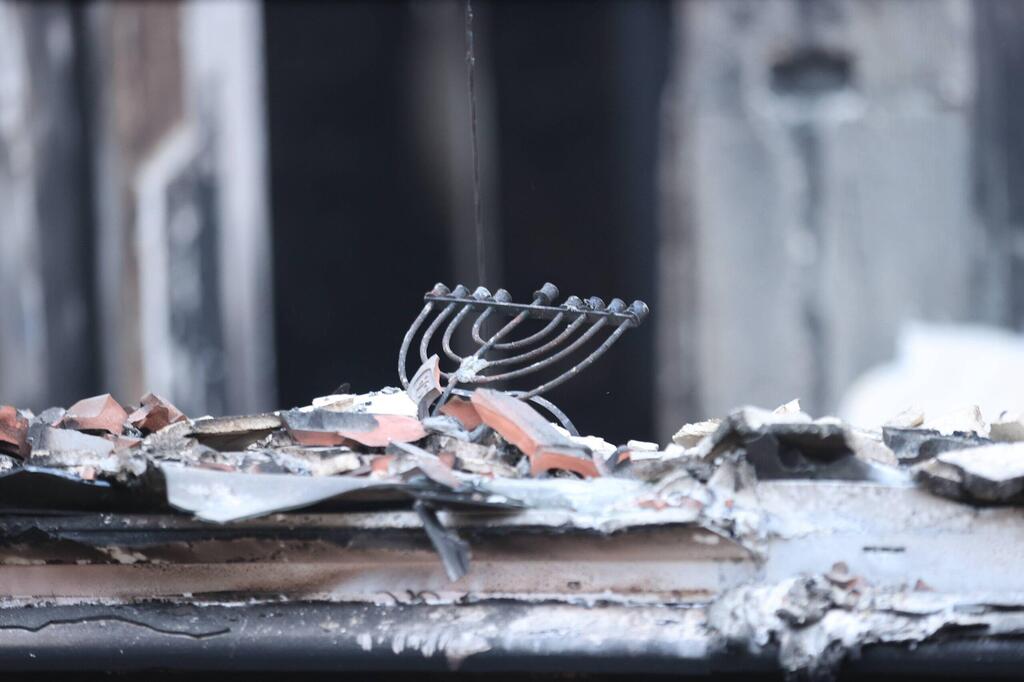
Destruction in Kibbutz Be'eri after the October 7 massacre
(Photo: Gadi Kablo)
During the war Preger came to the Knesset for a hearing of the Immigration and Absorption Committee to press lawmakers and the army to pass measures to help lone reservists. He told them: “I said goodbye to my parents in the Netherlands not knowing if I would see them again. I am a lone soldier and have no family in Israel to support me. My girlfriend’s family took me in, but when we broke up I lost that support too. Things are so bad that some of my friends who are lone reservists are sleeping on different couches every night.”
Preger has been active for four years with Growing Wings Foundation, which supports lone soldiers. “That includes new immigrants, Haredim who left religious life and others who enlist without family support,” he said. “I am a student and received support from both the university and the group I volunteer with, but there were people in my unit who were self-employed and their businesses collapsed while they were fighting. Many need psychological support. The state helps financially but needs to do more.”
And how are you coping personally?
“I am adjusting back to civilian life after the long reserve period and continuing my studies with the university’s help. That allows me to keep fighting for lone soldiers’ rights and to support the next generation of fighters.”