

A new report from the Anti-Defamation League paints a grim picture of antisemitism on U.S. campuses. About three in four Jewish faculty members have faced anti-Jewish statements or actions from colleagues or administration, nearly 60% endured anti-Israel remarks, and roughly 5% experienced physical attacks or property damage.
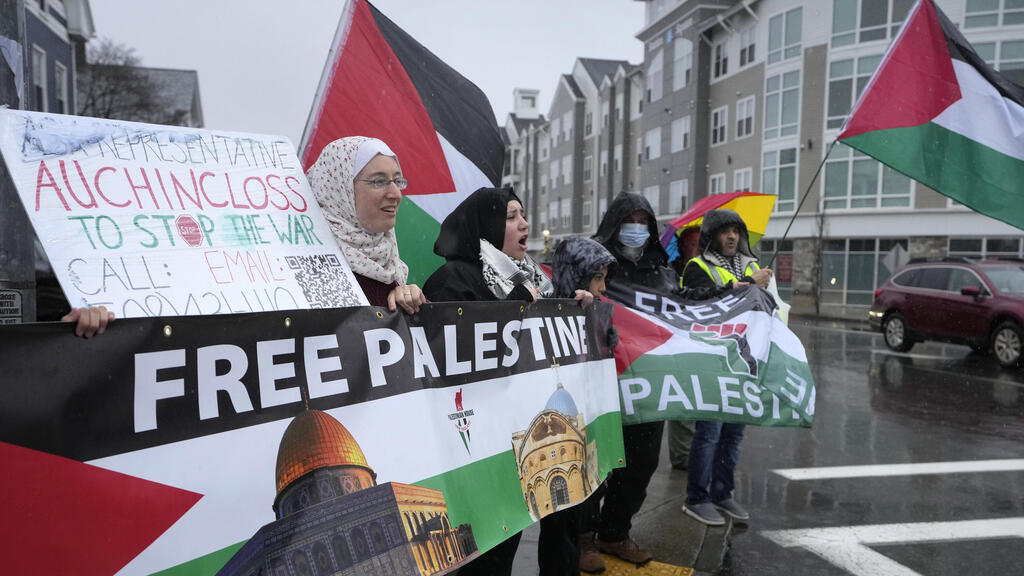
Protests against Israel at Columbia University in March


One professor described a department chair turning a department into a pro-Palestinian enclave, displaying banners and slogans. When faculty members protested, a group reportedly verbally attacked them, claiming Jews control “all the money and power” in the world. Other testimonies recounted colleagues who stopped speaking to faculty after they identified as Zionists.
Postdoctoral researchers from Israel were sometimes excluded from activities or pressured to leave programs early. Departments warned students not to cite “Zionist authors,” even in topics unrelated to Israel or Palestine.
Half of the respondents reported boycotts, such as universities refusing joint funding of events with Jewish or pro-Israel groups, blocking collaborations with Israeli researchers, or quietly canceling lectures featuring Israeli speakers. About 8% faced course boycotts, and 21% reported disrupted events due to protesters.
One faculty member said an ethics course in engineering, unrelated to Israel or politics, was canceled after students discovered the professor was Jewish. Attendance dropped immediately, effectively boycotting his teaching. Others reported that their academic trips to Israel were postponed or canceled. One professor described harassment and doxxing so severe that the administration advised teaching remotely for safety. Another cited a student exhibit calling for the firing of a dean simply for being a Zionist “threat to the campus.”
The report also highlights the role of pro-Palestinian student and faculty groups. Forty-four percent of respondents said such groups were present on their campuses, often organizing protests, distributing anti-Israel material, and advocating for divestment campaigns. Testimonies described peer review bias, exclusion from committees, and instructions to students on how “not to get caught” while engaging in activism.
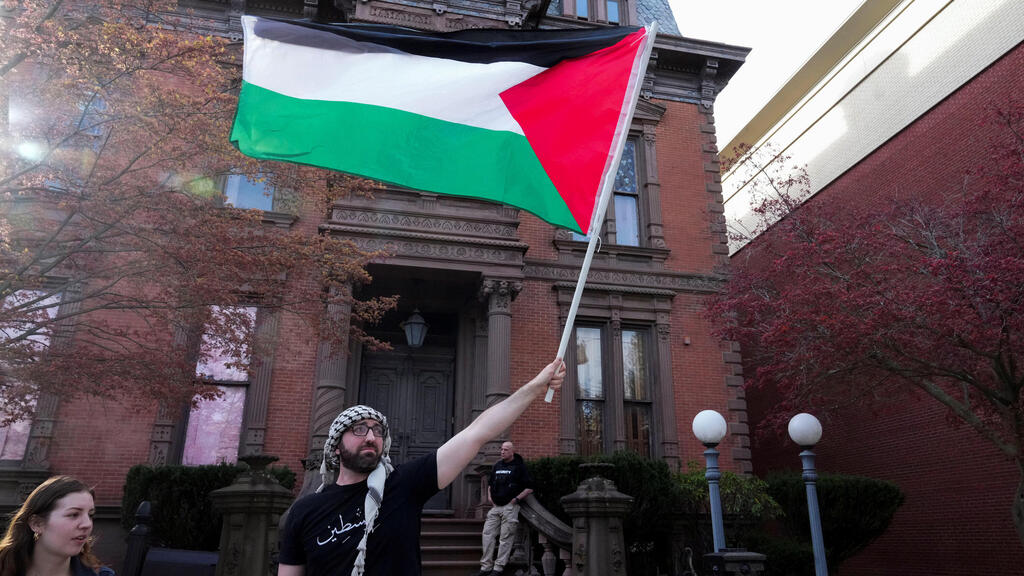
מאות מפגינים פרו-פלסטינים ניסו לתקוף את השר בן גביר בכנס באוניברסיטת ייל
(Photo: Reuters/ Michelle McLoughlin)
Amid escalating campus tensions, legal developments have sparked debate. A federal appeals court in Philadelphia recently ruled in favor of Jason Reza Jorjani, a philosophy professor at New Jersey Institute of Technology, who claimed his employment was terminated following off-campus racist statements praising Hitler. The court held his remarks were protected under the First Amendment, returning the case to lower courts for further proceedings.
At the same time, initiatives are emerging to address the impact of campus antisemitism. The Ruderman Foundation launched mobile mental health units at select universities, providing free, confidential counseling near Hillel and Chabad centers at Harvard and Northeastern, staffed by licensed therapists i, including Hebrew speakers.