

The Open University in the United Kingdom will stop using the term “Ancient Palestine” in its new course materials, following a legal complaint from a Jewish organization that said the phrase was historically inaccurate and contributed to erasing Jewish identity, the British Telegraph reported.
The controversy arose over content in the introductory course Discovering the Arts and Humanities, which described the Virgin Mary as having been born in “Ancient Palestine.” The course also referred to Aramaic as a language widely spoken in “Ancient Palestine” and included a map labeled “Map of Ancient Palestine.”
The group UK Lawyers for Israel (UKLFI) contacted the university, arguing that the term is disputed, lacks historical accuracy for the period in question and could mislead students while contributing to the erasure of Jewish historical identity. The organization also warned that using the term might create a “hostile or offensive learning environment” for Jewish and Israeli students and could expose the university to legal risk under the UK’s 2010 Equality Act.
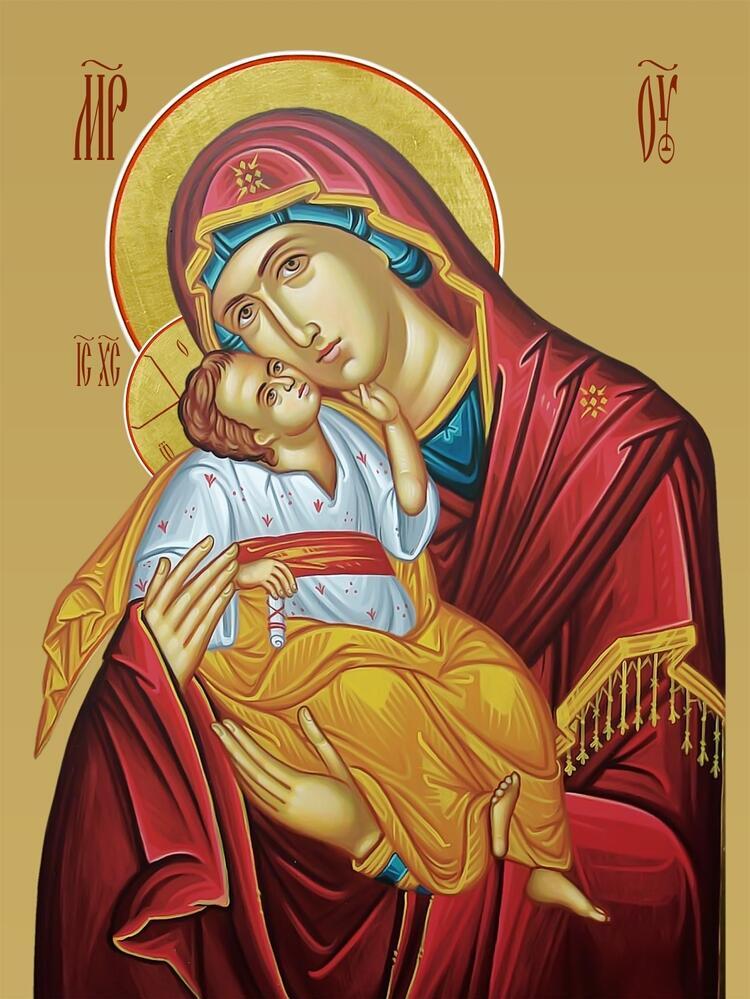
Mary and the baby Jesus
(Illustration: hramikona/Shutterstock)
According to the Telegraph, the Open University acknowledged some of the concerns and announced it would no longer use the term in future teaching materials. It also committed to adding clarifying notes to existing content, explaining that the terminology is contested. In a letter to UKLFI, the university admitted that the term's use is “problematic in a way that may not have been the case when the materials were written in 2018.”
Professor Adrienne Scullion, head of the Faculty of Arts and Social Sciences at Open University, said the term had been drawn from existing academic research and was not intended as a political statement. However, she acknowledged the concerns about its contemporary implications, emphasizing that the term was not meant to reference the Israeli-Palestinian conflict.
UKLFI welcomed the decision. The group’s director, Caroline Turner, told the Telegraph that “historical accuracy is especially important in a sensitive and politicized context, where terminology is sometimes used to erase Jewish history and identity.” The issue was raised by Tommy Marchand, a Jewish student at the Open University, who said the use of the term risks reinforcing false narratives that deny the Jewish people’s historical connection to the region.