

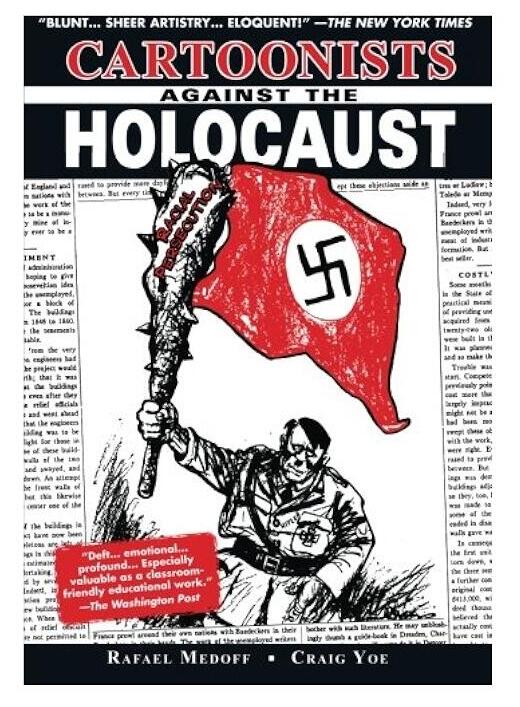
American comic-book publisher Dark Horse canceled a planned Holocaust cartoon collection after its author rejected an editor’s proposed statement accusing Israel of war crimes and comparing U.S. immigration detention policies under President Donald Trump to “concentration camp-style prisons.”
Dr. Rafael Medoff, author of “Cartoonists Against the Holocaust,” said editor Craig Yoe insisted on inserting political criticism that Medoff considered false and inappropriate for a historical work. Dark Horse disputes that politics drove the cancellation, saying the project was abandoned because of financial concerns and repeated scheduling delays.
“The book was canceled. I was canceled,” Medoff said.
Dark Horse had previously published two of Medoff’s books, “Whistleblowers” and “Cartoonists Against Racism,” without incident. According to Medoff and the Jewish civil rights organization StandWithUs, the dispute began after Hamas’ October 7, 2023, attack on Israel, when Yoe began pressing for criticism of Israel to accompany the new volume.
In a September 1, 2025, email, Yoe told Medoff that he had “thought long and hard” about adding a separate editor’s note elsewhere in the book while keeping the existing introduction unchanged.
Speaking “solely for myself,” Yoe wrote that Trump was “attempting to create concentration camp-style prisons” and sending American residents to “gulag type prisons in other countries” without constitutionally guaranteed trials.
(Photo: Screenshot)
“At the same time,” Yoe continued, Israel was led by a prime minister against whom “the world’s top war crimes court has issued warrants for his alleged acts of war crimes and crimes against humanity.”
Yoe also criticized the transfer of billions of dollars in U.S. military assistance to Israel for bombs.
Medoff responded that the proposed claims were “factually inaccurate” and would transform a historical book into a political vehicle.
“There are no concentration camps in America, and it’s not a Nazi country,” Medoff told Yoe. “Misusing the term ‘concentration camps’ diminishes the suffering that was experienced by the Jewish victims of the real concentration camps in the 1930s and 1940s.”
Medoff also argued that Yoe’s description effectively accused Israel of genocide by associating the country with crimes against humanity and invoking the Holocaust in that context.
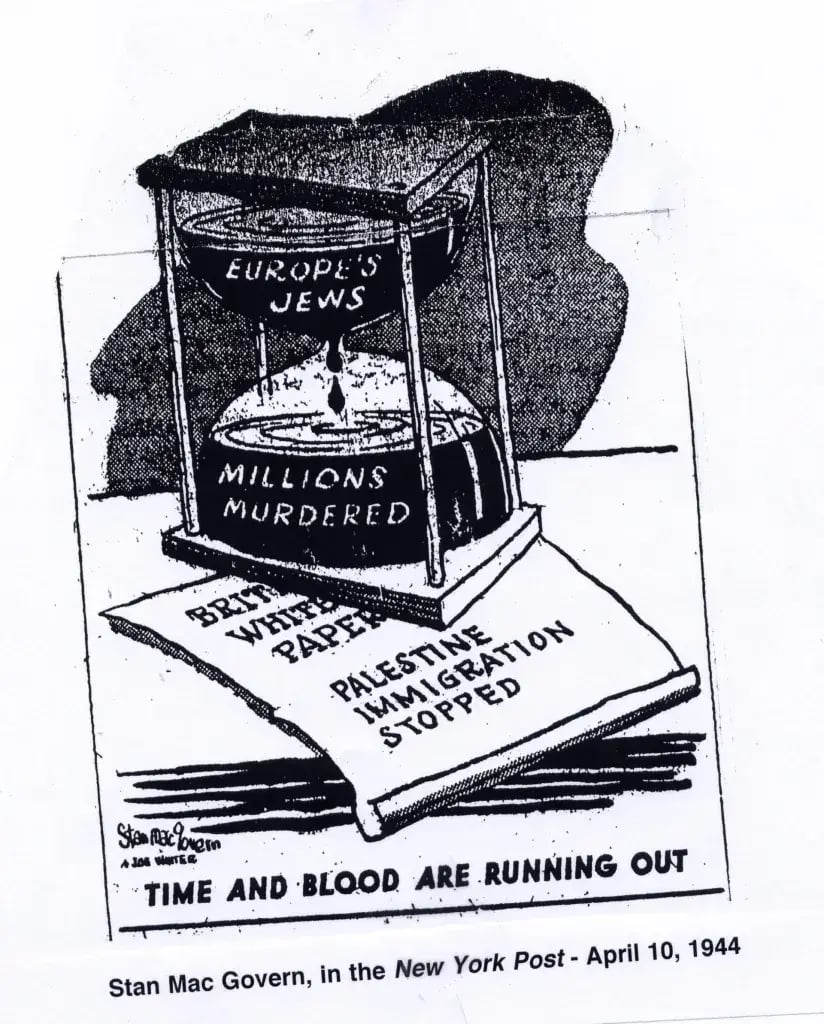
Cartoon by Stan Mac Govern
(Photo: New York Post)
“Accusing Israel of genocide is a lie, and requiring a Holocaust scholar to denounce Israel to see his book published is antisemitic bullying,” Medoff said.
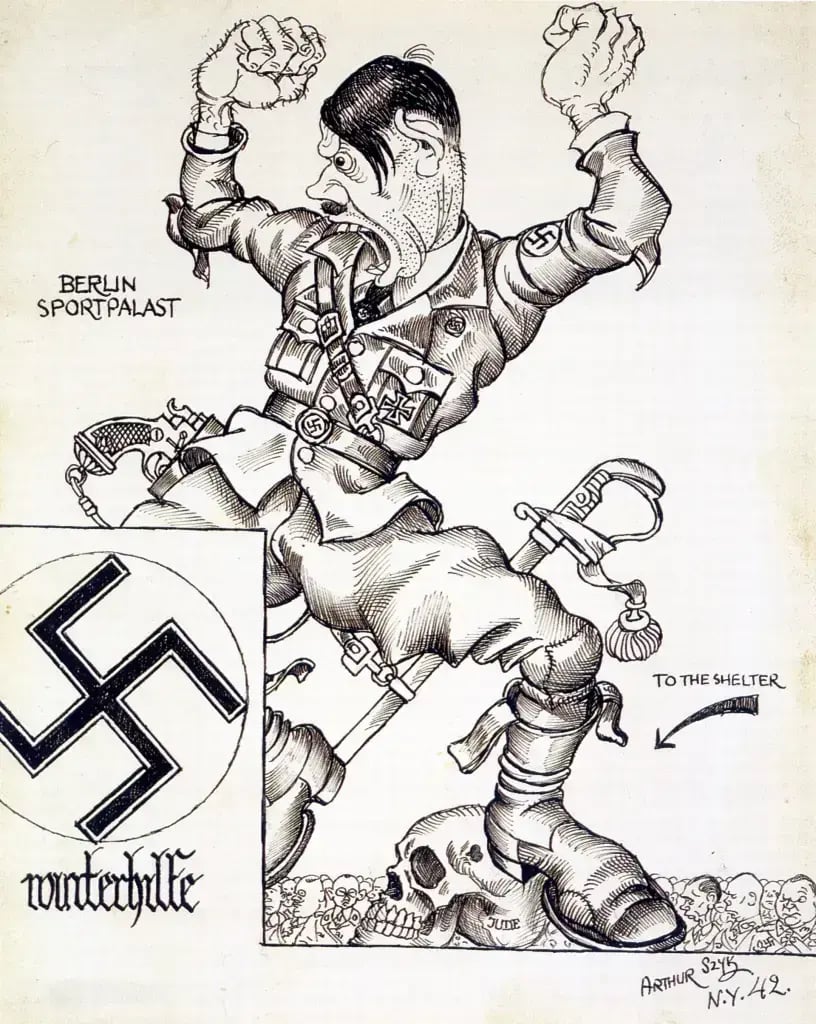
The planned book was to include 150 editorial cartoons, nine of which were originally published during the 1940s and illustrated what information was available in the United States about the Holocaust while it was taking place.
Medoff said he proposed several compromises in an effort to preserve the project, including leaving the manuscript unchanged or publishing it under a different imprint without Yoe’s name while preserving the editor’s 4% royalty interest. Yoe rejected the proposals and later ended his relationship with Dark Horse.
Dark Horse legal counsel Philip Simon confirmed that the publisher had canceled the book but said the decision was unrelated to the political dispute.
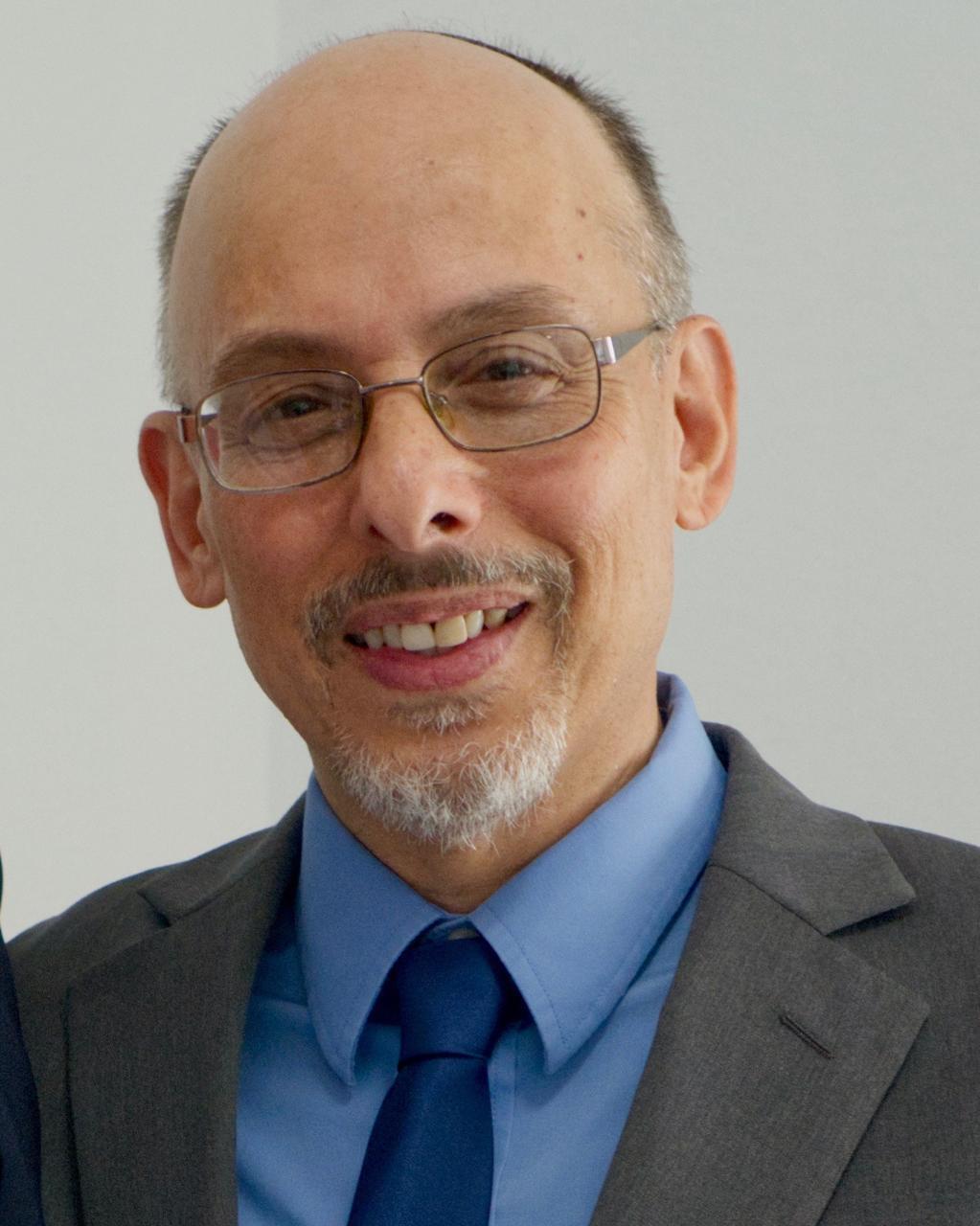
Dr. Rafael Medoff
(Photo: AJHS)
“Craig Yoe, of Yoe Books, failed to make our planned schedule for this book as the project’s packager, so Dark Horse stepped away from it and decided not to publish it last year,” Simon wrote in a June 3, 2026, email to StandWithUs legal director Carly Gammill.
“Dark Horse does not plan to publish ‘Cartoonists Against the Holocaust,’” he added. “It was a decision based on our company’s financial needs and some scheduling issues that had delayed the project too much already.”
Neither Dark Horse nor Yoe addressed Medoff’s allegations directly.
“When a comic-book publisher pressures a Holocaust scholar to denounce the Jewish state before his own book on the Holocaust can see print, the irony is hard to miss,” Gammill said.
Medoff is the founding director of the Washington-based David S. Wyman Institute for Holocaust Studies. The dispute follows several cases since October 7 in which Israeli or Jewish creators have faced exclusion from cultural events, including comic-book artist Miriam Libicki and Israeli filmmaker Nadav Lapid.