


Moving to Israel may begin with a decision and a plane ticket, but building a life here happens much more gradually.
For olim arriving in Jerusalem, some of the biggest challenges are also the most ordinary: understanding the education system, rebuilding a professional network, finding a synagogue or community, meeting friends and figuring out where to turn when something goes wrong.
Making Jerusalem home: How community helps olim build a new life


For Galia Zeig, who made aliyah five years ago and went on to found Jerusalem Tastebuds, the move meant establishing herself professionally in a new country and building a new network around her.
For Levi Simon, a tour guide who made aliyah to Jerusalem nine years ago with his family, even seemingly simple aspects of everyday life could become complicated in a new country and a new language.
And for families, the questions can begin almost immediately — including one of the biggest decisions parents face: where their children should go to school and how to navigate an unfamiliar education system.
Building a network from scratch
One challenge cuts across countries of origin, professions and family situations: rebuilding a social network.
“What is common to all olim is the challenge of building a new social network, knowing where to turn to when you have an issue,” explains Ariel, Director of Olim Services at the Baka Community Center in Jerusalem.
That network can provide much more than friendship.
Zeig credits Ariel and the Baka Community Center with helping her during a particularly difficult period for her business.
Gallery
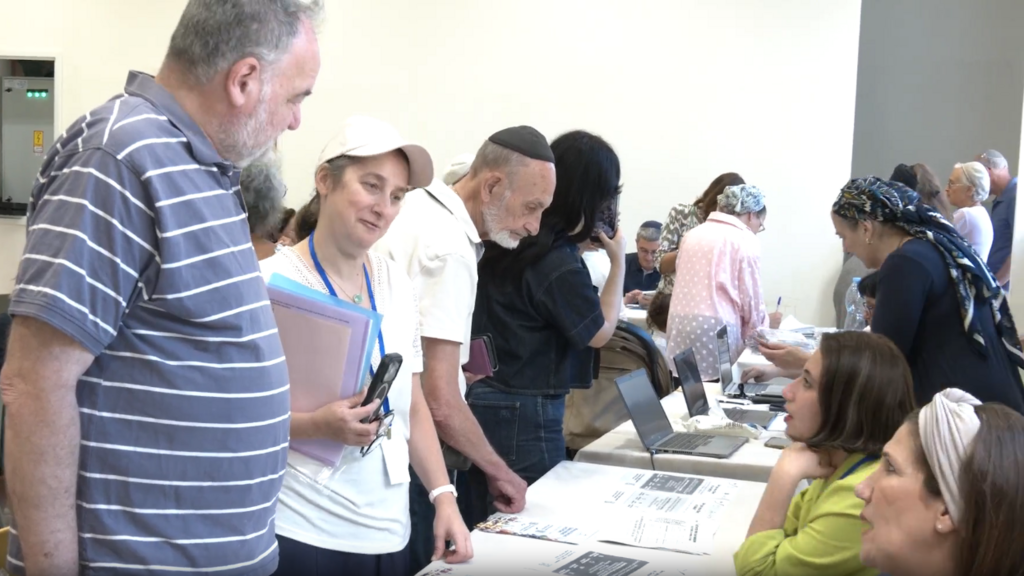
Ariel, director of olim services at Baka municipal aliyah support center, checks in with her volunteers
(Photo: Screenshot)
“Ariel at the Community Center in Baka helped me tremendously,” she said. “She came up with ideas of how to help my business that I didn’t even think of.”
The connections extended from synagogues and local communities to WhatsApp groups that provided information, contacts and support.
Those relationships became even more significant following October 7.
With inbound tourism severely affected, Zeig suddenly found herself trying to keep a tourism-based business alive during wartime.
The community she had built in Jerusalem became part of what helped her through it.
“It was a lifeline for someone who didn’t have much life at that moment to know that someone has your back,” she said.
From receiving help to helping others
But community integration does not move in only one direction.
The same WhatsApp networks that helped Zeig find her footing also gave her a way to contribute after October 7.
She began cooking for soldiers and posting in the same local groups she had joined. She also started a new WhatsApp group for women in her neighborhood, which grew to around 100 members.
“It was amazing to me to see how quickly everyone was responding because everyone just felt like they wanted something to do, to feel that they’re helping,” she said.
Cooking for soldiers and reservist families became about more than providing meals. It helped people connect with one another and with what was happening across the country.
For olim, that transition — from needing a community to becoming an active part of it — can mark an important stage in making Israel home.
Support beyond the first year
The process of integration does not end after an oleh receives an Israeli ID card, opens a bank account or makes it through the first months of Hebrew.
According to Ariel, the Jerusalem Municipality operates 20 aliyah support centers throughout the city, providing assistance not only immediately after arrival but during an oleh’s first 10 years in Israel.
That long-term approach recognizes something that many immigrants discover only after arriving: Aliyah is not a single event. Integration can take years.
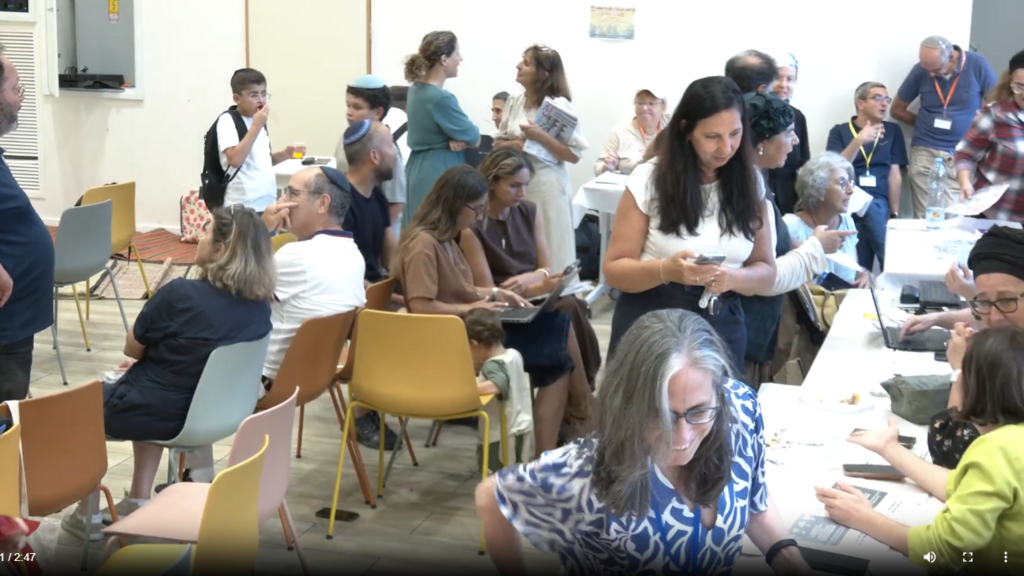
A Jerusalem municipal aliyah support center
(Photo: Screenshot)
“There always is somebody near their home who can help them,” Ariel explains.
The neighborhood-based centers can help connect olim with local services, information and community resources while also providing something less tangible but equally important — a familiar point of contact in an unfamiliar system.
For someone trying to understand schools, find professional connections, integrate into a neighborhood or simply work out whom to ask for help, that local network can make a significant difference.
Rebuilding a professional life
Professional reinvention can be another major part of the aliyah experience.
Zeig made aliyah from Canada almost five years ago and founded Jerusalem Tastebuds about a year ago. Building a business in a new country meant developing contacts and finding her place within Jerusalem.
Then came October 7.
For months, inbound tourism largely disappeared, creating an immediate challenge for a business connected to visitors coming to Israel.
Her experience illustrates a reality many olim encounter: professional integration is not only about bringing skills and experience from abroad. It is also about building the local relationships that can help turn those skills into a sustainable life in Israel.
For Simon, working as a tour guide across Israel — and particularly in Jerusalem — has similarly meant building a life around the country and city he chose to call home.
'We want to be here'
The war brought another question for olim, particularly those with family and longtime friends abroad: Why stay?
For the Jerusalem immigrants featured in the above video, the answer is emphatic.
“A lot of people ask me, ‘How could you stay in Israel with the war? Don’t you want to go back?’ Absolutely not,” Zeig says. “It’s the opposite feeling that we want to be here, we want to contribute. We feel such a strong part of Am Yisrael.”
The relationships built after aliyah have also become a defining part of that experience.
“The people that I’ve met here since I made aliyah, I feel they’re just on the same level as the friends that I’ve had for 50 years before I came,” she says.
That sense of belonging does not necessarily appear on the day an oleh lands at Ben Gurion Airport.
It is built through schools and workplaces, neighbors and community centers, WhatsApp groups and shared meals. It comes from receiving help when it is needed — and eventually becoming the person offering that help to somebody else.
For olim choosing Jerusalem, making aliyah may be the moment they arrive in the city. Making Jerusalem home is everything that comes afterward.
First published: 15:33, 09.08.26