

Maayan D., 25, from Tel Aviv, is a student of entrepreneurship and business administration at the Recanati International School at Reichman University.
From the kibbutz to London: “I was born in Nahariya, grew up in Ma’alot and later in Kibbutz Kabri. My father is British and came to Kibbutz Evron as a volunteer, where he met my mother. They fell in love and started a family. He was a carpenter and she was an office manager. When I was six, we moved to London because the economic situation there was better. A year later, my mother became pregnant with my brother and wanted to give birth with the midwife who delivered me and my middle sister, so we moved back to Kabri for a year and a half. When I was eight, we returned to London.”
Childhood: “Life in London was very different from kibbutz life. It was cold and cloudy, and there was a sense that it wasn’t safe for children to play outside, so we spent time at the mall or the movies. I’m a nature person, and I missed playing with friends outside. I was one of the only Jewish students at school; most classmates were Muslim. I didn’t feel antisemitism and wore a Star of David necklace, but I did feel a lack of identity. Once, I even wanted to wear a head covering, until my mother explained that only married women wear one. Every summer we visited Israel, and on the flight back to London, I would cry.”
Antisemitism at university: “After elementary school, I transferred to a Jewish school, where I finally felt the community I had been missing. Then, at 18, I began a degree in engineering and physics at Aston University in Birmingham. I was elected head of the Jewish student community and organized Shabbat events. That’s where I encountered antisemitism.
“When I went out to nightclubs, if a man I wasn’t interested in approached me, all I had to say was that I was Jewish and he would walk away. Outside my dorm room, someone hung a Palestinian flag, and there was a BDS booth on campus. Once I hid my Star of David necklace, I approached them and asked if they understood what they were doing. They stammered, and then I revealed my necklace and expressed my opposition. In the end, they were removed from campus.”
Aliyah: “After a year at university, I felt that what I was doing in terms of advocacy just wasn’t enough. Whenever I visited Israel, I looked at the soldiers in uniform and dreamed of enlisting. At 19, I felt I had to make aliyah. It wasn’t easy to leave my degree halfway through, but I felt it was the right thing. My parents supported me. My father, who doesn’t know what the army is like, only asked that I take care of myself.”
Adjustment: “I immigrated through Garin Tzabar for young olim. Four months before making aliyah we had already met as a group, and then we all moved to Kibbutz Malkia. We worked on the dairy farm, and I felt Israeli life at its best. Because I spoke Hebrew at home, adjusting was easy.”
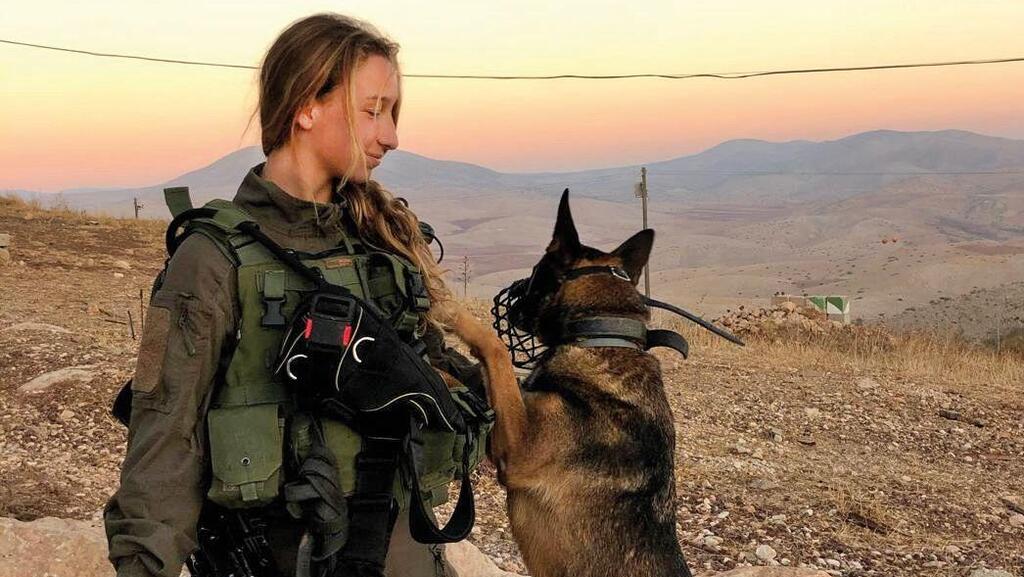
Army service: “I was highly motivated and enlisted in the Oketz canine unit. They paired me with Cleo, an amazing dog. We were an excellent team, and I fell in love with the role despite the challenges. After my discharge, I was able to adopt her.”
Advocacy: “After Oct. 7, I was called up for reserve duty with Oketz, and then I realized that with my English and my experience with BDS, I needed to work in public diplomacy. I lectured to Jewish tourists visiting Israel and, through the Lev Batuach organization, I traveled abroad to raise funds for mental health treatment for war survivors. Since Oct. 7, there has been a major rise in antisemitism in England, and Jews are hiding their identity, but I still haven’t managed to convince my siblings to move to Israel. I visited London in the past two years and didn’t feel any connection. Israel is my home.”
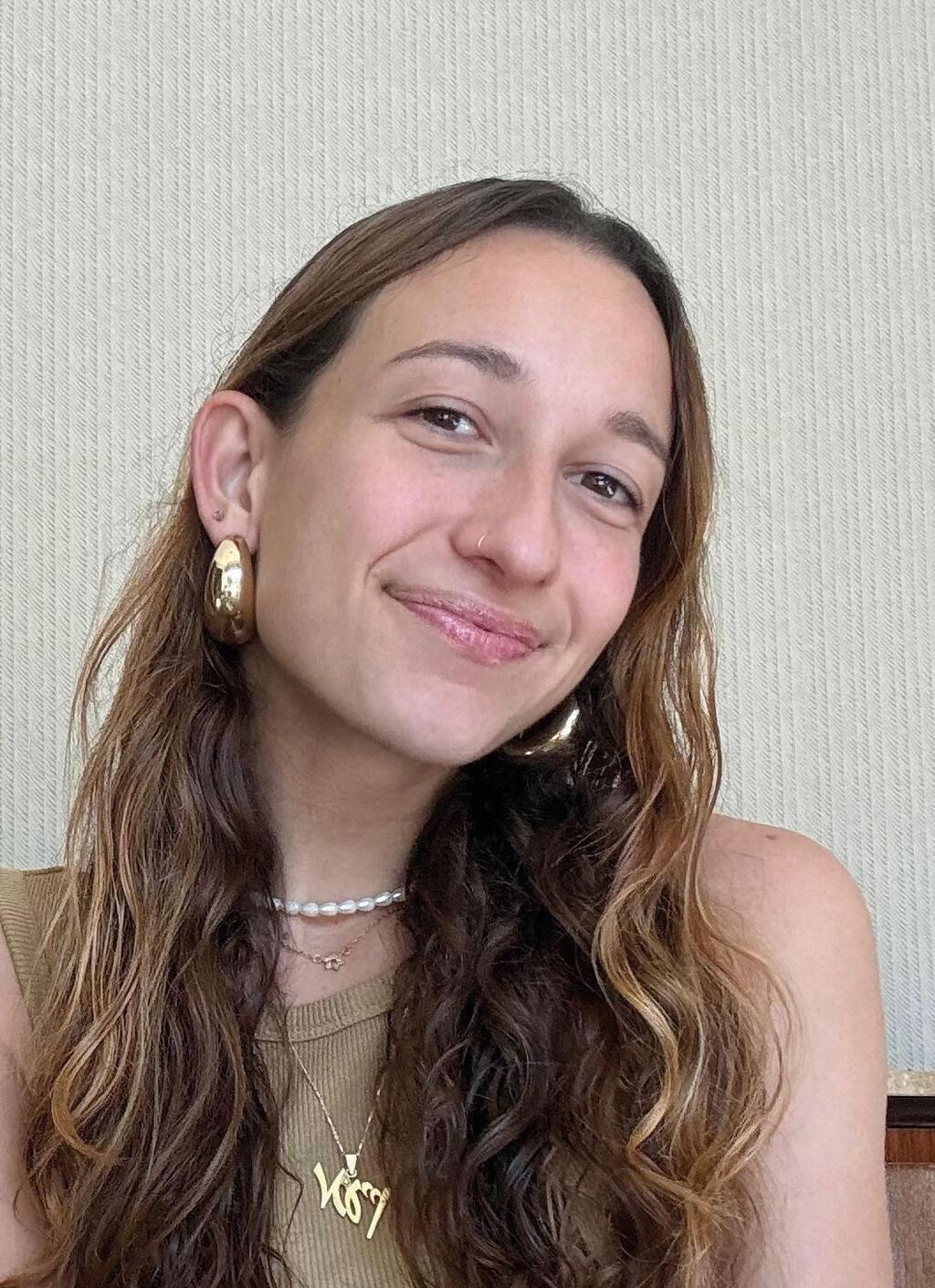
Maayan D.
(Photo: Private album)
Quick questions
Which British habit should Israelis adopt?
“Before we adopt British politeness, the British should adopt our sense of unity.”
What can you never get used to in Israel?
“Public transportation.”
What do you miss most?
“My family.”
Your favorite place in Israel?
“The north, especially Kibbutz Malkia.”