

The port city of Gdańsk (Danzig in German), located on the shores of the Baltic Sea, is known for its magnificent architectural history and its close connection to freedom and liberty. Interwoven among the city’s picturesque alleys is the story of one of the most fascinating, complex and influential Jewish communities in Eastern Europe over the years, a community that experienced a cultural golden age but was almost completely wiped out and is now trying to rebuild itself.
The first Jewish presence in the area is documented as early as the 10th and 11th centuries. The Jews who arrived in those days were mainly itinerant merchants who traveled along maritime trade routes. However, permanent settlement encountered many difficulties. During the 14th and 15th centuries, under the rule of the Teutonic Order, Jews were forbidden from permanently residing in the city.
Gallery
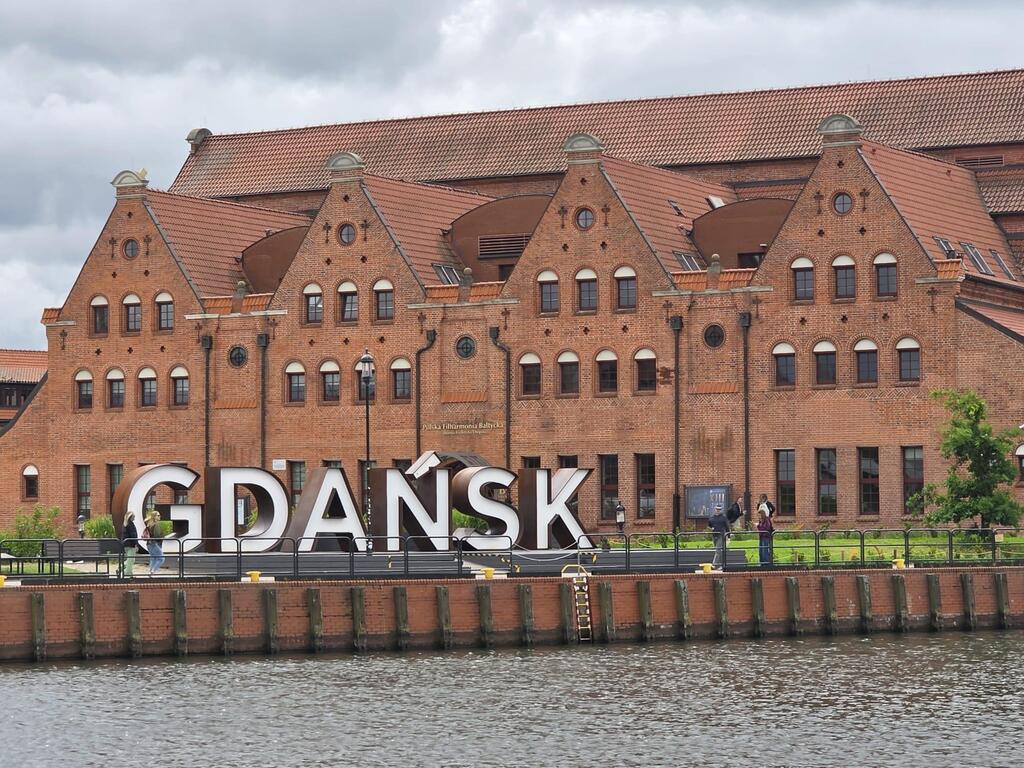
The port city of Gdańsk is known for its magnificent architectural history and its close connection to freedom and liberty
(Photo: Ayelet Mamo Shay)
The significant change began in the mid-15th century, when Gdańsk became part of the Kingdom of Poland. Although the city maintained restrictive laws and did not allow Jews to settle there, they were permitted to trade during the large fairs. As a result, Jewish neighborhoods began to emerge outside the city’s municipal authority. Only in the 19th century, with the granting of emancipation and under Prussian rule, did the city’s Jews receive full equal rights.
In 1887, the city’s five small communities united into one unified community, and this marked the beginning of the “golden age” of Danzig Jewry, which reached its peak with about 10,000 people in the 1920s. The community was unique in the European landscape. Due to its status as a “Free City” after World War I, it enjoyed a certain degree of autonomy, but after the Nazis rose to power in Germany in 1933, the situation began to deteriorate rapidly.
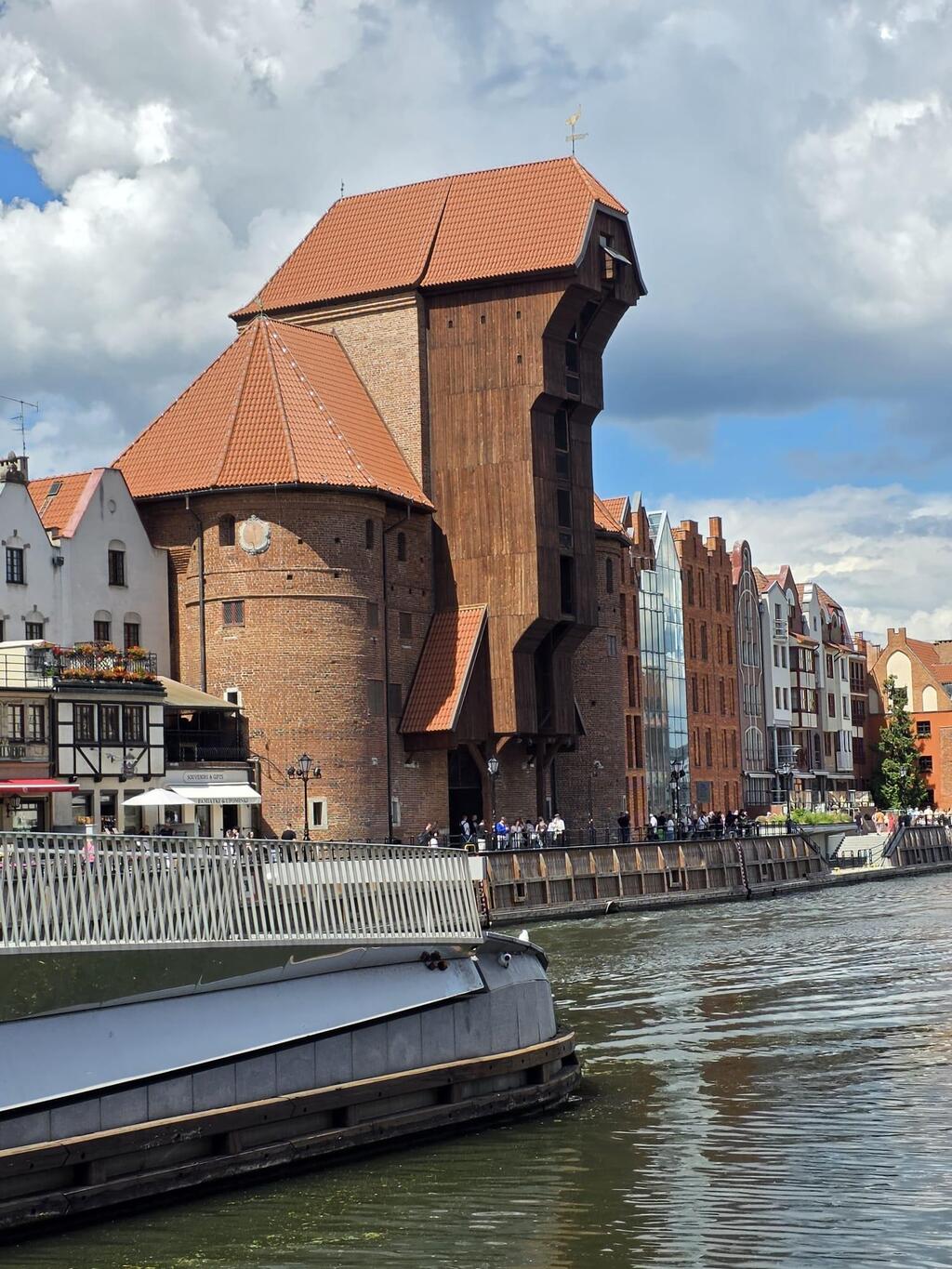
The significant change began in the mid-15th century, when Gdańsk became part of the Kingdom of Poland
(Photo: Ayelet Mamo Shay)
In 1938, following the Kristallnacht pogroms, during which Jewish institutions in the city were damaged, the community leadership understood that it had no future in the city. In a courageous and unprecedented move, the local Jewish leadership reached a strategic decision: to sell the community’s property, including the large and magnificent Great Synagogue, in order to finance the emigration of the city’s Jews.
Thanks to this resourcefulness, about 7,000 of Danzig’s Jews succeeded in emigrating outside Europe. Many of them immigrated to the Land of Israel, while some arrived aboard the famous illegal immigration ship Atlantic. Those who remained behind, about 1,500 people, were sent to extermination camps (mainly the nearby Stutthof camp) and were murdered in the Holocaust.
A synagogue that was returned to the Jews
The Jewish community in Gdańsk today is small, but independent and determined. The registered community numbers about 65 families, and including children there are about 100 to 150 active members. However, estimates are that in the metropolitan area of Gdańsk, Sopot and Gdynia there are hundreds of additional residents with Jewish roots who are not registered.
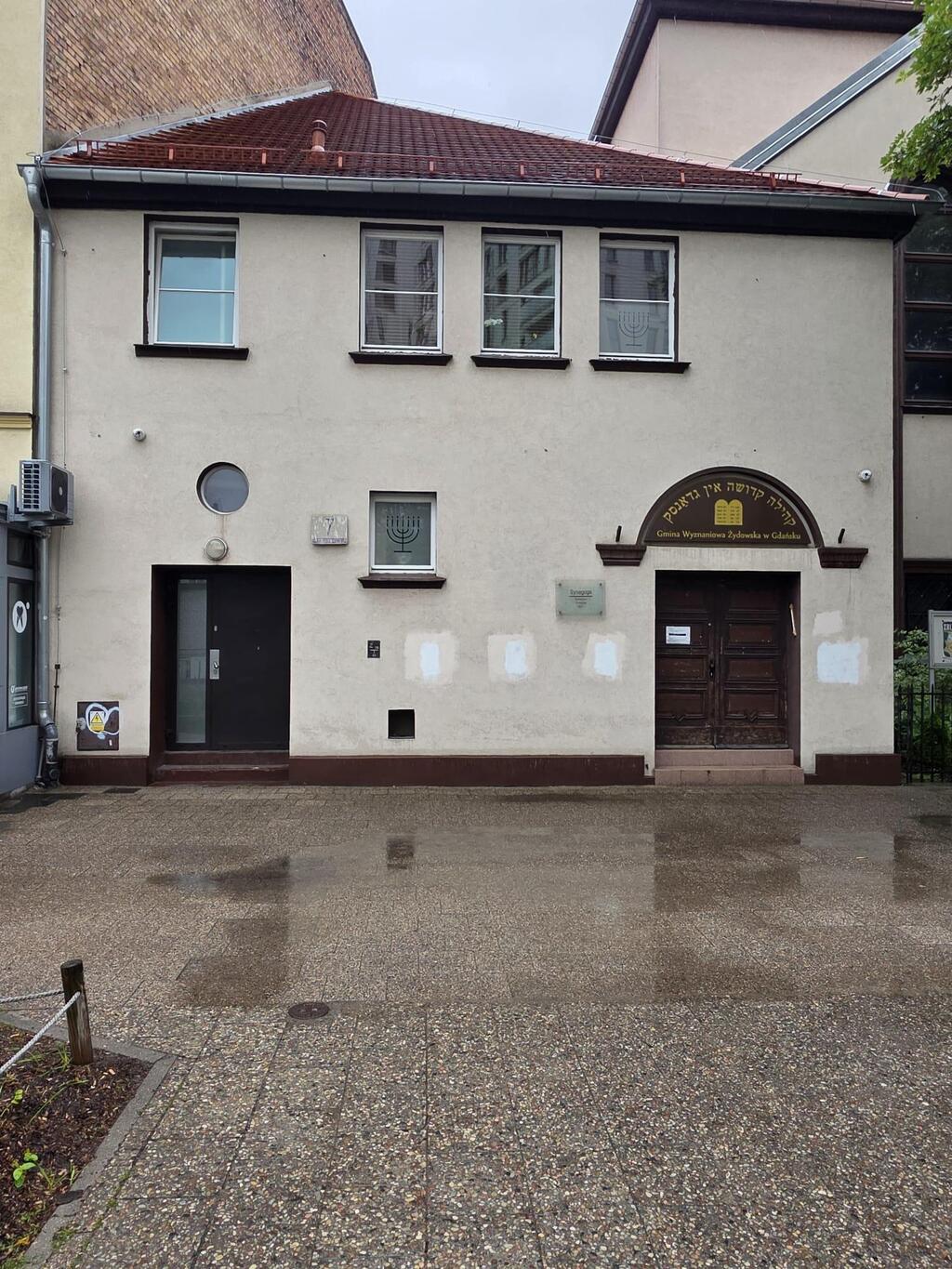
The entrance to the Jewish community building in Gdańsk
(Photo: Ayelet Mamo Shay)
During my visit to the site, I had the pleasure of meeting community chairman Michael Samet, his deputy Michael Rucki and Marek Brand, who is responsible for culture and events in the community. Samet is a veteran and highly respected key figure, not only in Gdańsk but in Jewish religious life throughout Poland. He simultaneously serves as treasurer of the Union of Jewish Religious Communities in Poland and as a member of its religious council. He serves as the public face of the community with local authorities, leads memorial and cultural events and maintains ongoing contact with the Chief Rabbinate in Warsaw.
The New Synagogue, located in the Wrzeszcz district, is the only active synagogue in the city that survived World War II. Today, it serves as the center of Jewish life for the local community, which is affiliated with the Union of Jewish Religious Communities in Poland (ZGWŻ). Prayers are held at the synagogue on holidays and Shabbat, and it hosts cultural events.
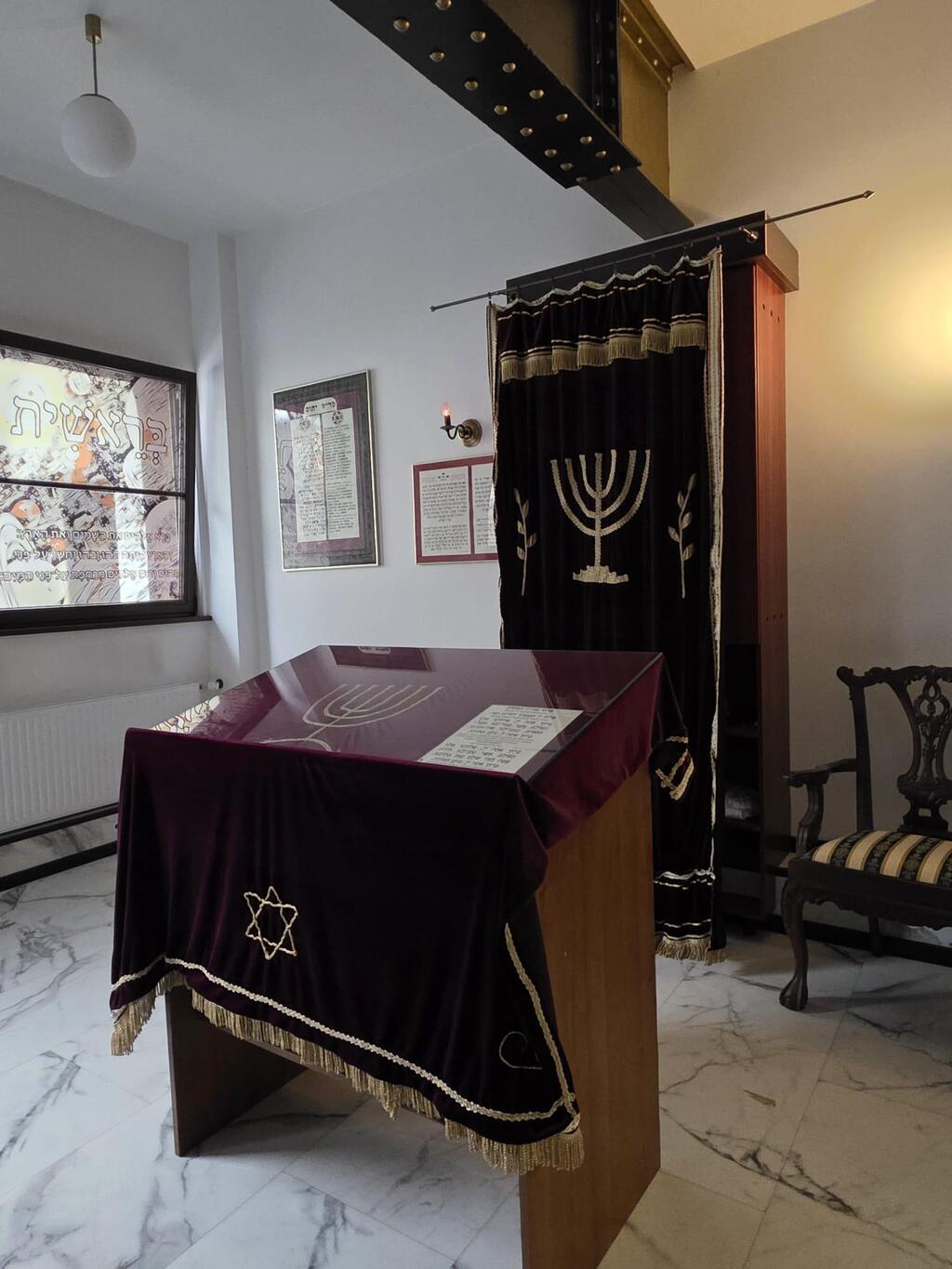
he New Synagogue in Gdańsk
(Photo: Ayelet Mamo Shay)
The synagogue building may look small from the outside, but do not let its appearance mislead you. The building itself includes, alongside the synagogue, a strictly kosher kitchen, a small museum and various study rooms. However, the highlight was on the upper floor — a hall for lectures, concerts and music performances with a huge stage. Community deputy chairman Michael Rucki said that in the past the building was taken from the Jews and turned into a music school. In 2007, the Jewish community succeeded in proving that the building belonged to it and received it back, and since then it has served as the community building.
Due to the small size of the Jewish community, there is no Jewish day school or active Jewish kindergarten in Gdańsk. Supplementary Jewish education takes place occasionally through Sunday meetings or holiday workshops at the synagogue. As part of Sunday School, young children come to study Torah, heritage and tradition.
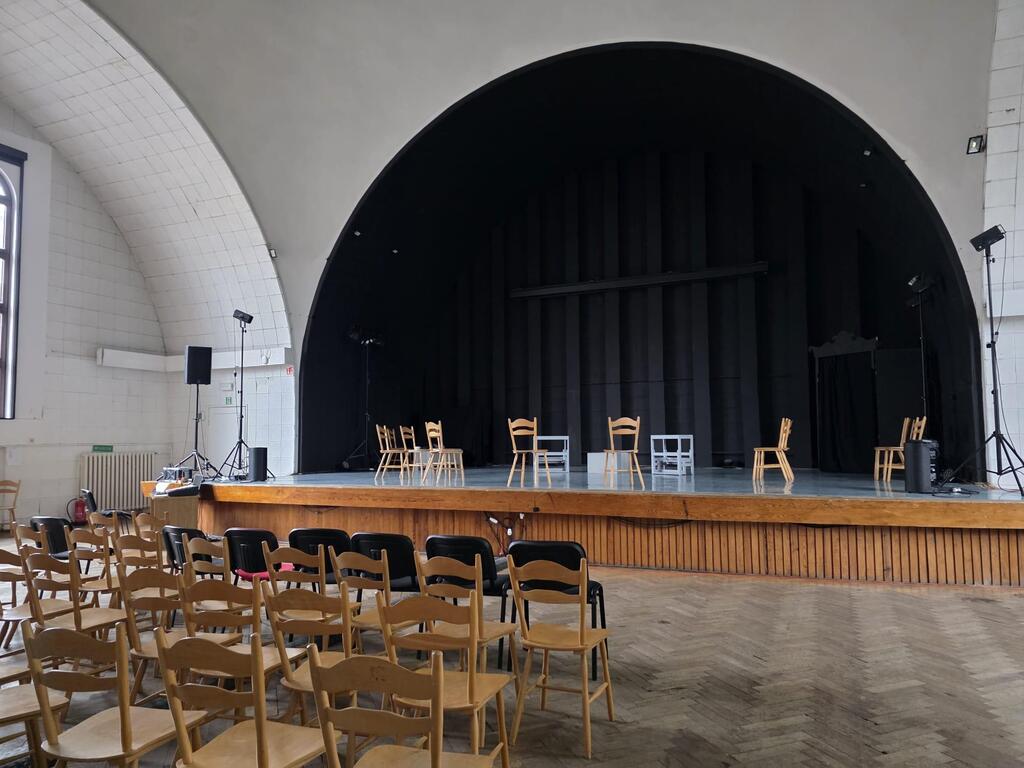
The large hall in the Jewish community building
(Photo: Ayelet Mamo Shay)
Currently, there is no dedicated kosher grocery store or kosher restaurant under permanent supervision in Gdańsk. Community members and kosher-observant visitors rely on basic products from Poland’s kosher lists, which are available in regular supermarket chains, or order deliveries of approved meat and prepared food from other locations. As mentioned, the community building has a kosher kitchen where hot meals are prepared for community members, and from time to time catering operates for Jewish tourists who observe kosher dietary laws.
There is no mohel, a Jewish man trained in the practice of brit milah, a circumcision, living in Gdańsk. For circumcision ceremonies, the community relies on mohalim and religious figures who arrive specifically from Warsaw, Berlin or even the United States. The official Jewish community in the city also does not have a permanent full-time community rabbi who lives there. Therefore, the community is under the spiritual protection and supervision of Poland’s Chief Rabbi, Rabbi Michael Schudrich, who is based in Warsaw. Rabbi Schudrich or his assistants come to Gdańsk frequently, mainly ahead of major holidays, special community events or to provide answers to complex halachic (religious law) questions.
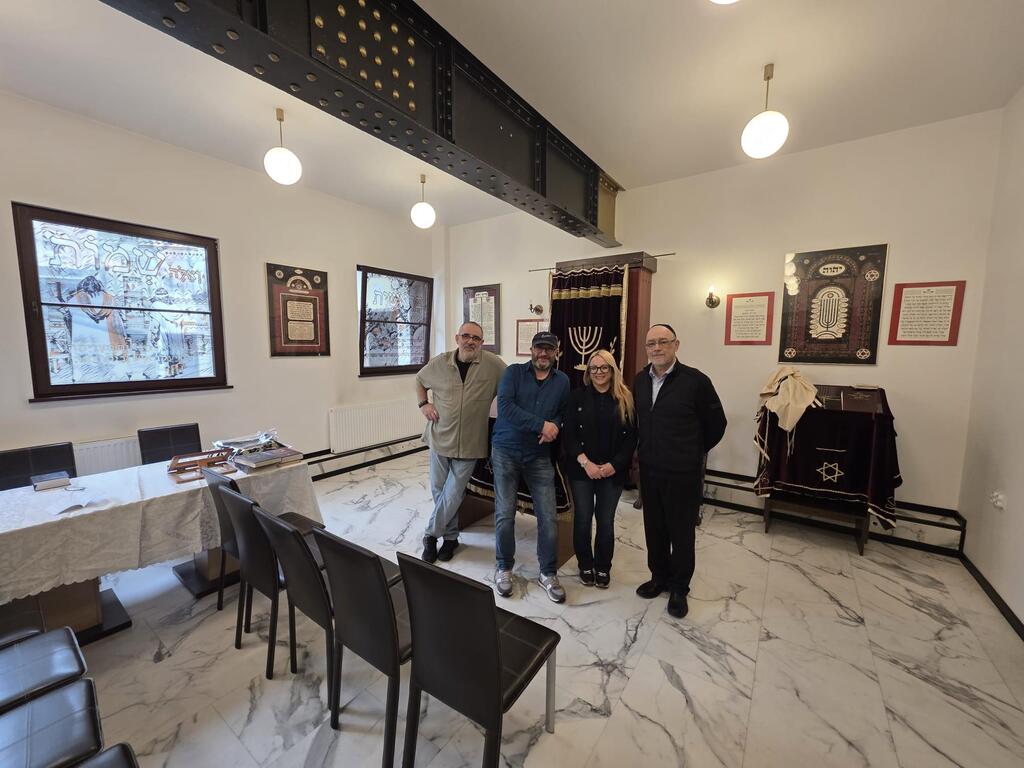
Michael Samet, Ayelet Mamo Shay his deputy Michael Rucki and Marek Brand
Those who lead the community in practice on a daily basis are the local community chairman and board members (the heads of the civil community). They are the ones who organize Friday night services, manage prayers (often without a full quorum, depending on the season and the presence of tourists) and maintain the operation of the New Synagogue in Wrzeszcz.
Currently, there is no active mikvah, a ritual bath, in Gdańsk or the surrounding area (Gdańsk, Sopot or Gdynia). For observant families living in the area, or those who require immersion for conversion or preparation for a wedding, this is not a simple logistical challenge. One possible solution is traveling to Warsaw or Łódź, the larger cities where there are modern and supervised mikvahs. A high-speed train journey from Gdańsk to Warsaw takes about 2.5 to 3 hours each way. Another option is traveling to Berlin. Due to the relative proximity to northern Germany, some community members choose to travel to the larger Jewish communities in Berlin, where there is extensive religious infrastructure.
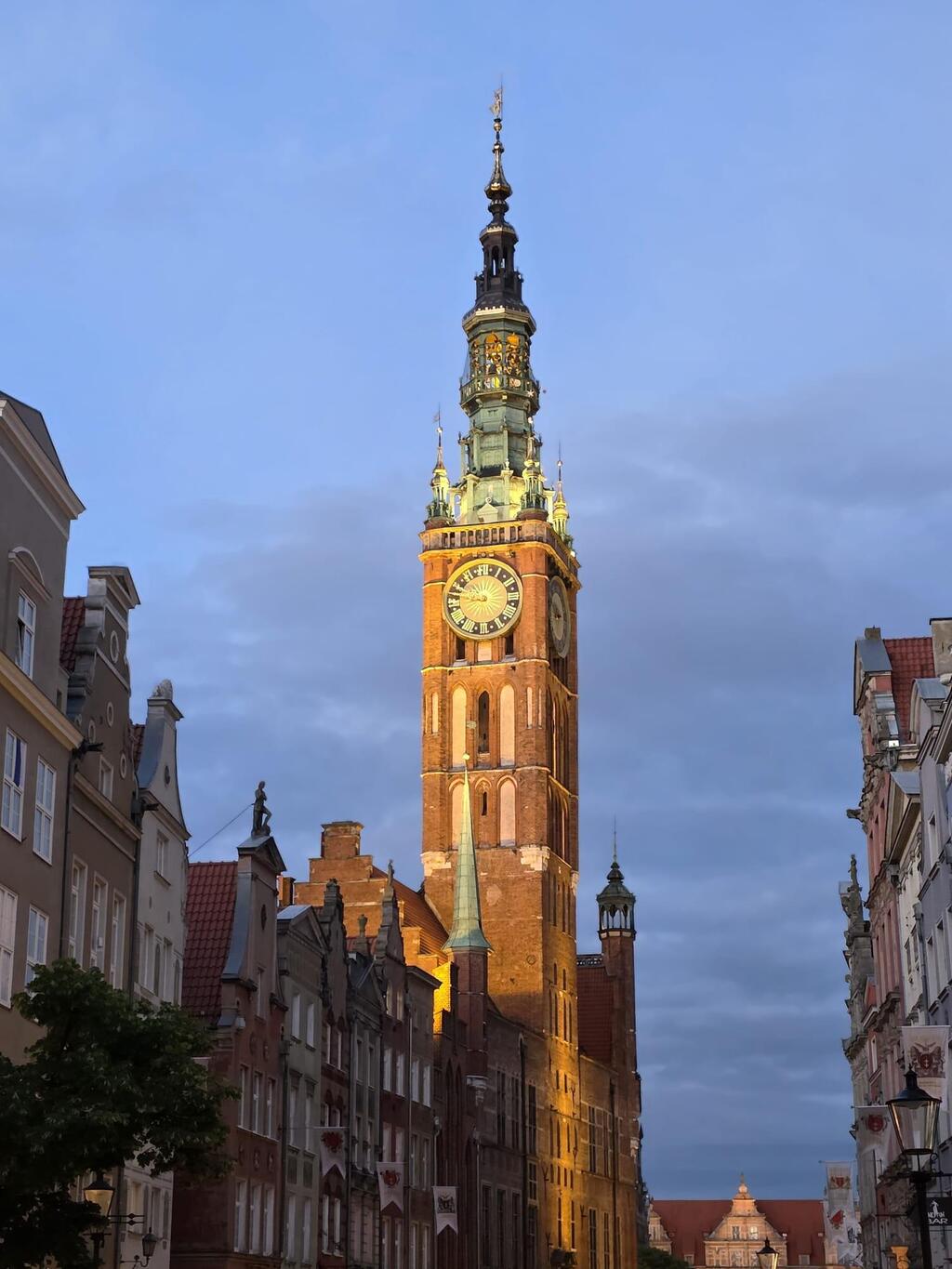
Gdańsk
(Photo: Ayelet Mamo Shay)
In extreme circumstances, there is the possibility of immersion in nature. The nearby Baltic Sea and the lakes in the area provide natural water sources, but due to the freezing temperatures during most of the year and the strict halachic requirements regarding women’s immersion in the open sea, this solution is almost impractical for regular use. It is mainly intended for men’s immersion (for example, on the eve of Yom Kippur) or for immersing new utensils.
A reminder of a dark period
When walking through the restored streets of Gdańsk, it is difficult not to be impressed by its architectural beauty, but the visit to the city took on a completely different meaning during a visit to the Museum of the Second World War (Muzeum II Wojny Światowej). The building itself immediately stands out in the landscape — a concrete and glass tower tilted on its side, directing visitors to the main permanent exhibition, which is located entirely underground. The underground location creates an immediate feeling of entering a dark period, and the exhibition itself chooses to focus on the fate of civilians and human suffering, beyond the dry military developments. Within this space, the Jewish story occupies a central, established and inseparable place within the broader narrative.
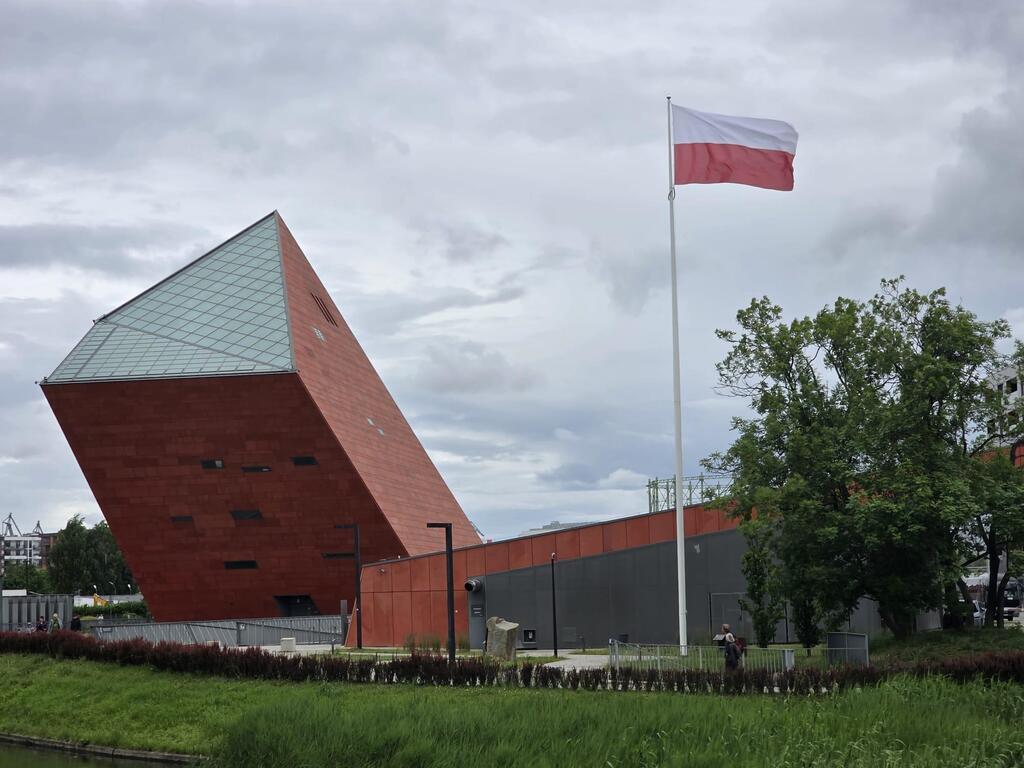
The Museum of the Second World War in Gdańsk
(Photo: Ayelet Mamo Shay)
During the tour, I passed through the sections dedicated to the destruction of European Jewry, which present in a comprehensive manner the rise of institutionalized antisemitism, the establishment of ghettos and the machinery of mass murder in the camps, while emphasizing the nearby Stutthof camp. I was particularly interested in seeing how the museum addresses the specific fate of the Danzig Jewish community, including the commemoration of the Kindertransport operation, during which about 120 Jewish children were smuggled by train from the city to Britain just before the outbreak of the war — a story that is also physically commemorated through a bronze statue outside the city’s main train station.
The museum does not avoid addressing complex and sensitive issues, and presents the Holocaust within a broad global context alongside a depiction of the complicated relationship between Poles and their Jewish neighbors, from stories of rescue by local Righteous Among the Nations to instances of antisemitism experienced by survivors upon their return.
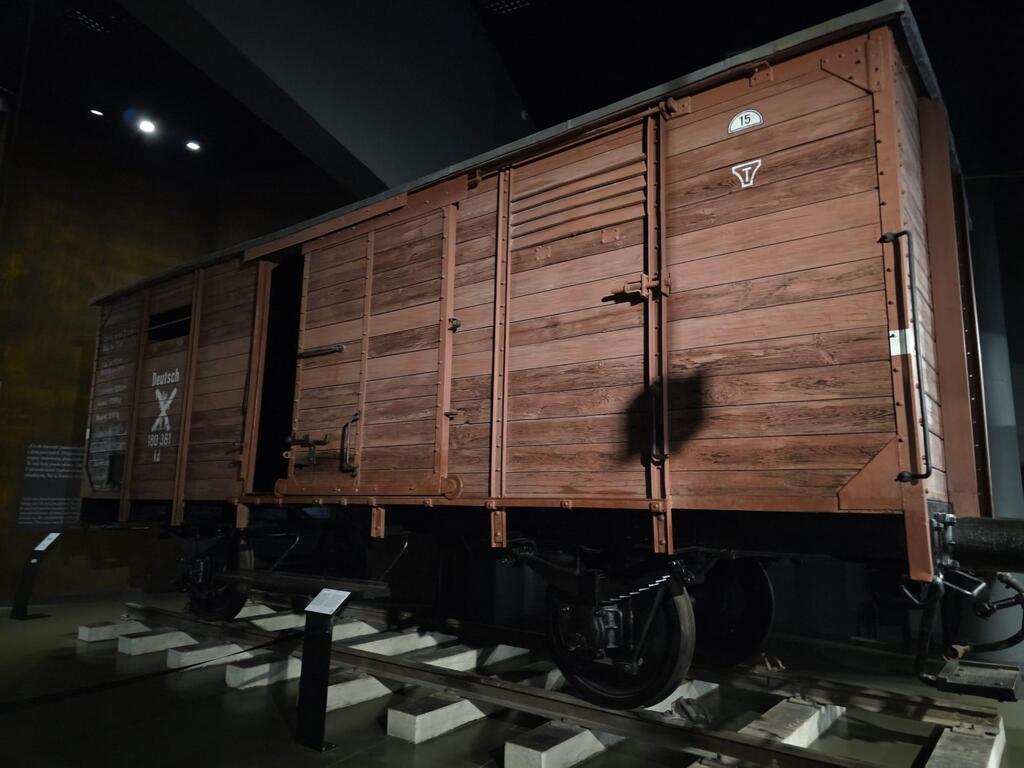
Train carriage at the Museum of the Second World War in Gdańsk
(Photo: Ayelet Mamo Shay)
One of the most moving stories connected to the community is the fate of the “Danzig Collection.” Before the war, the community held a huge and rare collection of ritual objects, Judaica and Torah scrolls. As part of the community’s rescue plan in 1939, the collection was packed into 10 huge crates and sent for safekeeping in New York, at the Jewish Theological Seminary (JTS), under the condition that if a free Jewish community were reestablished in Danzig, the collection would be returned. The collection, part of which is currently displayed at the Jewish Museum in New York, is a living testimony to the magnificent culture that existed and no longer exists in the Baltic region.
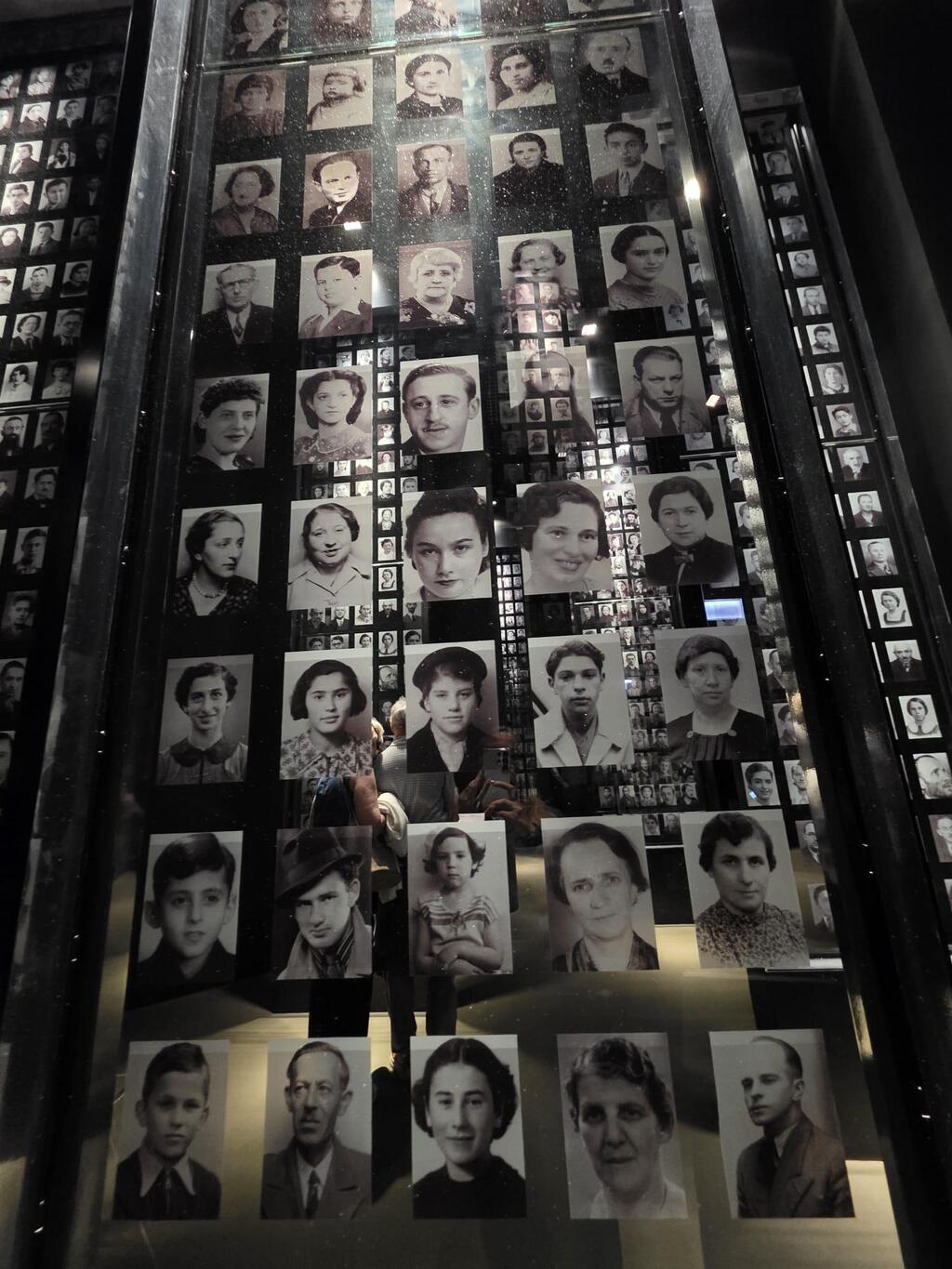
The Museum of the Second World War in Gdańsk
(Photo: Ayelet Mamo Shay)
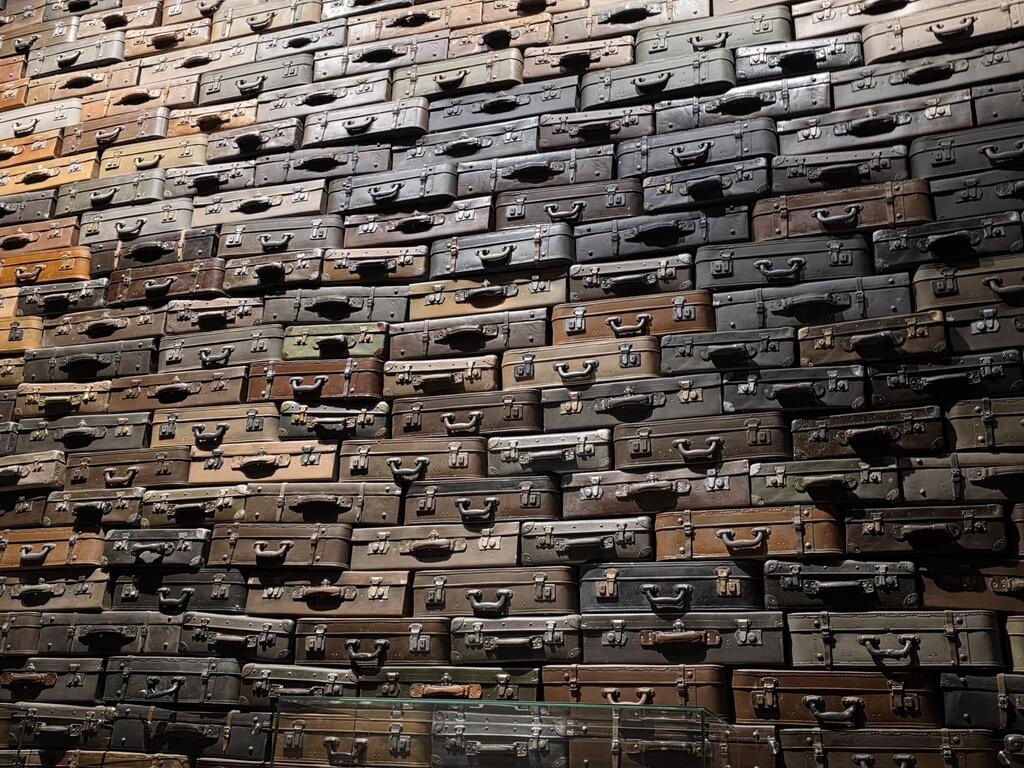
(Photo: Ayelet Mamo Shay)
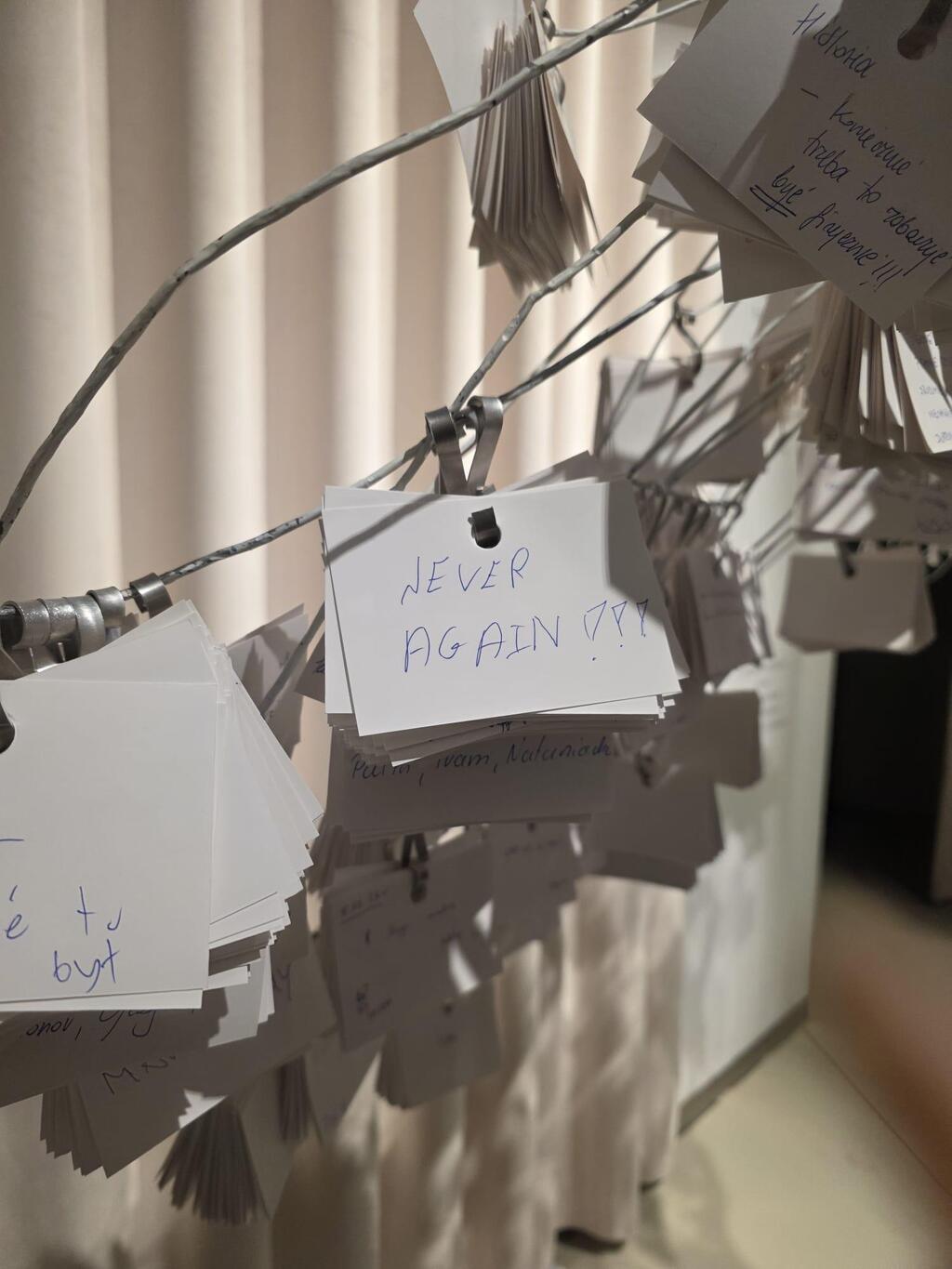
פתקים שהשאירו מבקרים במוזיאון
(Photo: Ayelet Mamo Shay)
The Jewish community of present-day Gdańsk is not the thriving community of the 19th century, but it proudly carries the torch of remembrance. For me, as a wandering Jew or a researcher of communities, a visit to the synagogue in the Wrzeszcz district and a meeting with members of the local community reveal a story of survival, continuity and a powerful desire to keep the Jewish flame burning, even against all odds.
Ayelet Mamo Shay is a businesswoman, chairwoman of the Gibraltar-Israel Chamber of Commerce, international lecturer, author and researcher of Jewish communities around the world.