


Ahead of the holidays, one of the most expensive purchases for many in ultra-Orthodox communities is not food or ritual items, but the shtreimel, a traditional fur hat that has become a symbol of status and identity.
Worn primarily by married Hasidic men, the round fur hat varies in size and style across communities and can cost anywhere from a few thousand shekels to more than 25,000 shekels (about $6,500). In some sects, boys begin wearing it as early as their bar mitzvah.
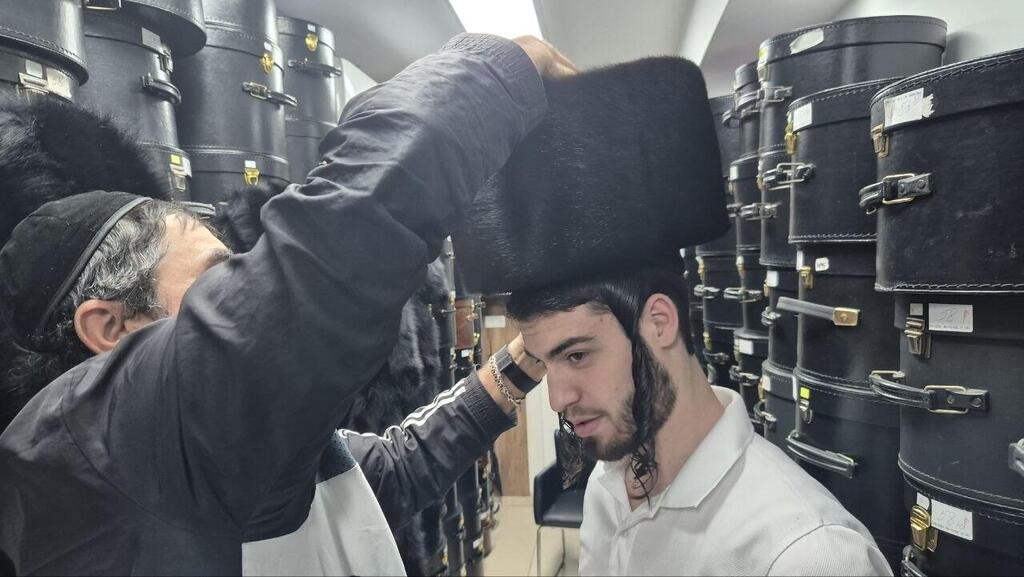
Styles differ by group: some wear flatter versions, while others favor taller, crown-like designs. In the Gur Hasidic dynasty, men wear a related fur hat known as a spodik. The hat’s appearance often signals a wearer’s affiliation within the diverse Hasidic world.
“It’s not something you’ll find in a mall,” said Israel Cohen, a commentator and member of the Vizhnitz Hasidic community, who recently drew attention for purchasing an unusually tall shtreimel for his daughter’s wedding. He described a largely private market in which buyers schedule fittings, often in homes or workshops, where artisans take precise measurements and deliver custom-made hats weeks later.
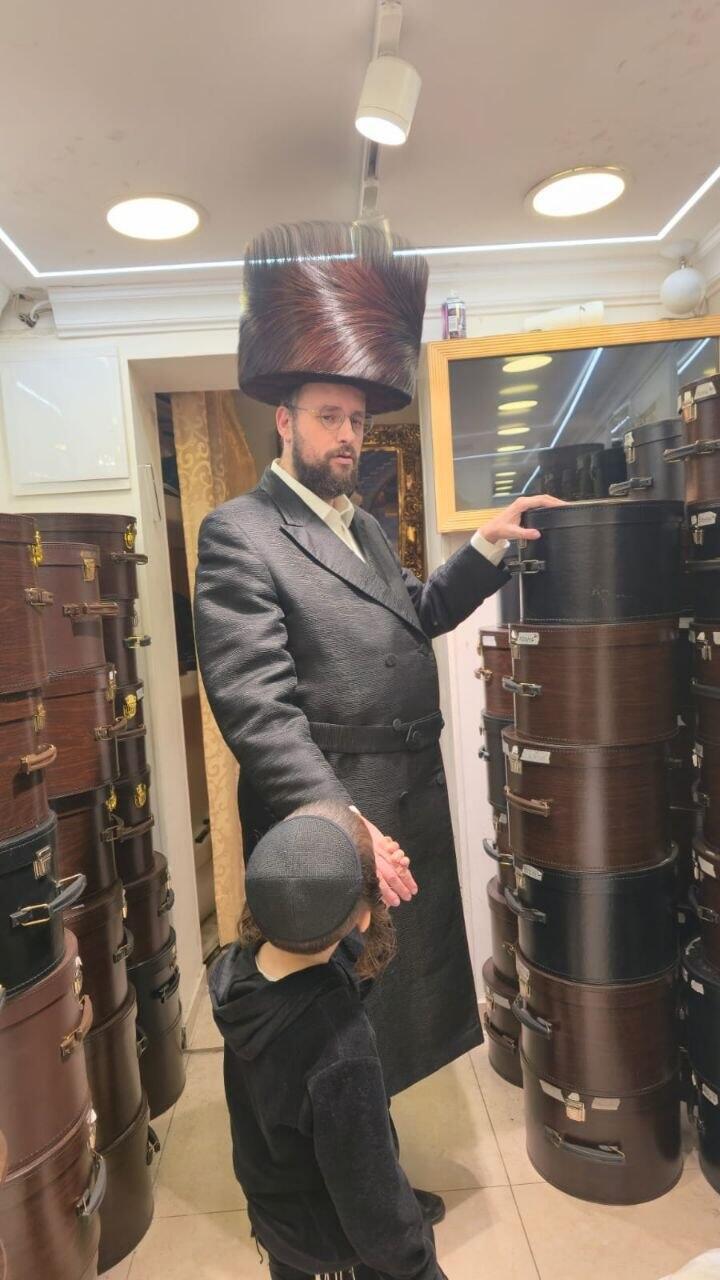
Israel Cohen
The shtreimel traces its roots to Eastern Europe, though its origins are debated. Some traditions say Jews adopted the style from local nobility as festive attire, while others suggest it was imposed as a mark of humiliation that was later transformed into a symbol of honor. Today, it is worn on the Sabbath, holidays and family celebrations.
Over time, the hat has evolved from a traditional garment into what many describe as a status symbol. “There’s no such thing as a Hasidic groom without a shtreimel,” Cohen said, noting that some communities now push back against modern styles, restricting newer designs.
(Photo: Shilo Freid)
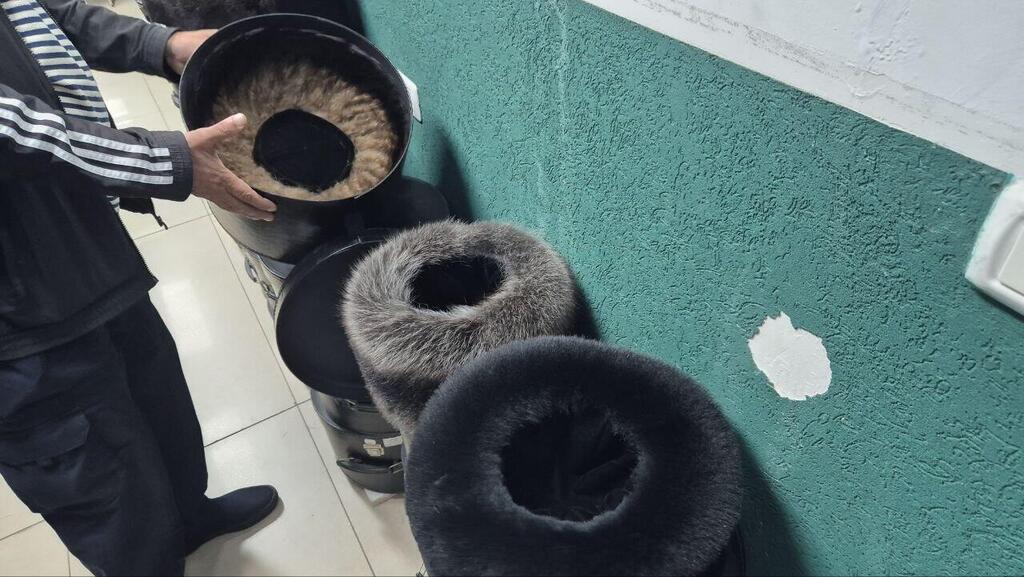
Materials have also changed. Traditionally made from sable fur, many are now crafted from mink, fox or raccoon. Variations in color, structure and craftsmanship contribute to wide price differences.
The high cost has also sparked efforts to disrupt the market. Moshe Abayev, who moved to Israel from Russia and opened a shop in Bnei Brak, offers ready-made shtreimels at significantly lower prices than custom versions.
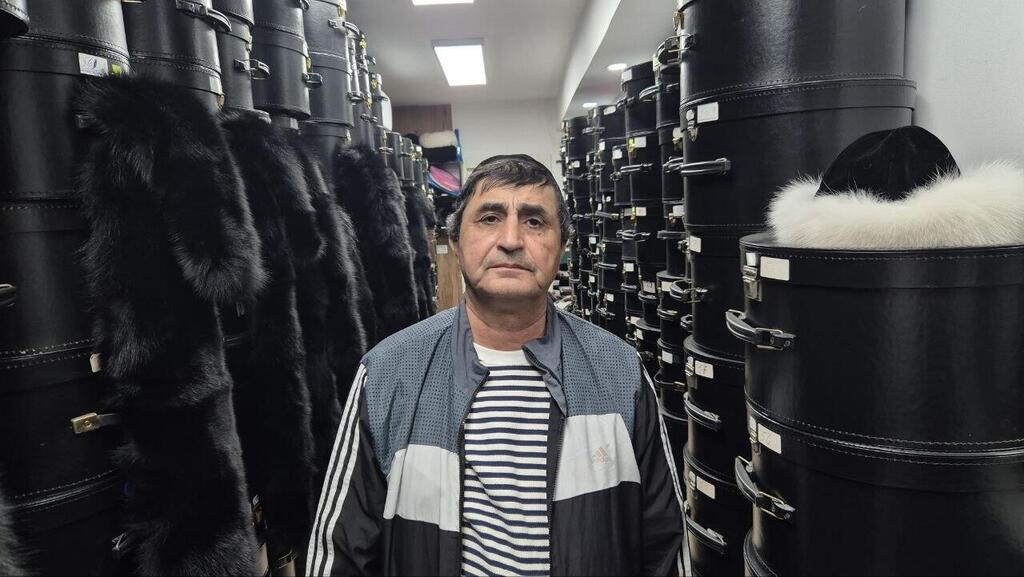
Moshe Abayev
(Photo: Shilo Freid)
“What they sell for 15,000 shekels, I sell for 4,500,” he said, arguing that private, custom production inflates prices unnecessarily. His shop stocks hats in standard sizes rather than made-to-order designs.
Still, changing long-standing habits remains difficult. Shtreimels are typically purchased for major life events, such as weddings, and replaced only every several years, making buyers more willing to invest heavily.
“It’s tradition,” Abayev said. “And tradition is hard to change.”