


A special and unique date: Friday, the first day of the Hebrew month of Elul, marks the opening of the yeshiva school year, the preparations for Rosh Hashanah and Yom Kippur and the beginning of the month of mercy and forgiveness. Members of Sephardic and Mizrahi communities will begin reciting Selichot on Saturday night, with the custom generally being to say the special prayers after midnight or in the early morning hours.
These hours are considered an “auspicious time,” when, according to Kabbalistic teachings, divine mercy is believed to be strongest. According to Kabbalah, God travels throughout the night through 18,000 worlds, and during the final three hours of the night He passes through this world. This is why the verse from Isaiah, “Seek the Lord when He is found, call Him when He is near,” is observed. The Ashkenazi custom is to begin reciting Selichot on the Saturday night before Rosh Hashanah.
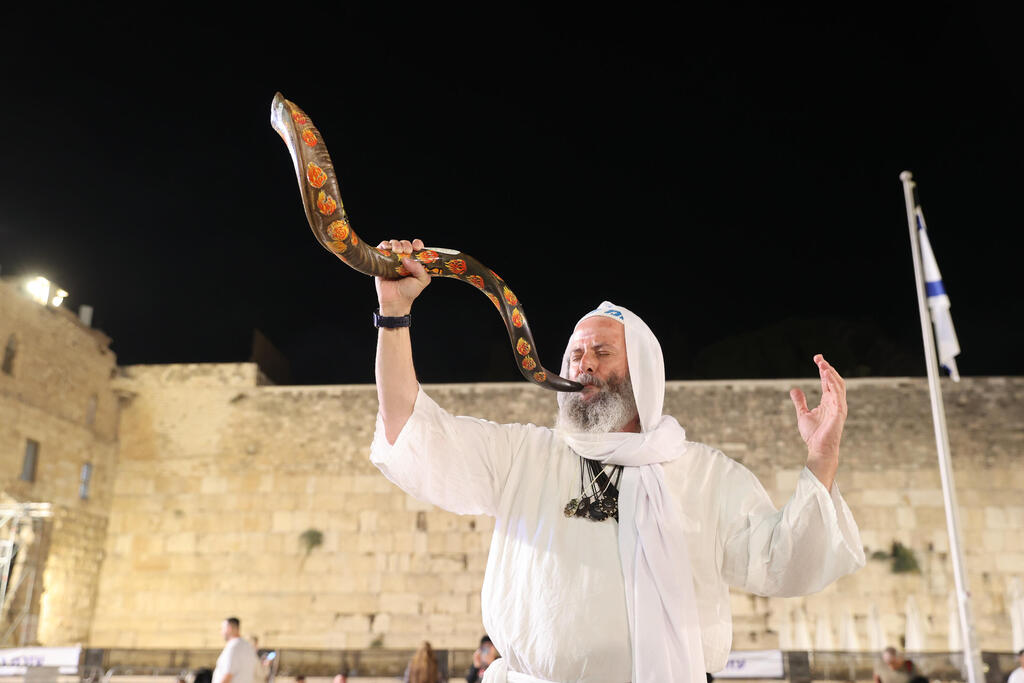
Throughout this month, the Western Wall plaza fills with worshippers every night at midnight who come to recite Selichot, while many synagogues open in the middle of the night or during the early morning hours. Some choose to recite the special prayers during the day so as not to disrupt work or studies because of a lack of sleep.
There are different versions of Selichot prayers and various liturgical poems that differ from one community to another. Some were written by Rabbi Solomon ibn Gabirol, Rabbeinu Gershom and Rashi. In some communities, including those in Italy, Libya, Georgia, Poland, Lithuania, Yemen and Prague, additional poems and customs were incorporated, meaning the prayers can be entirely different from one synagogue to another.
Among Sephardic Jews, the Selichot text remains almost unchanged from one day to the next, while Ashkenazi Jews recite a different order of Selichot each day. The central part of Selichot — shared by all communities — is the Thirteen Attributes of Mercy, 13 expressions describing different forms of divine mercy. According to tradition, they were transmitted through a divine voice to Moses when he sought forgiveness on behalf of the Israelites after the sin of the Golden Calf: “The Lord, the Lord, a God merciful and gracious, slow to anger, and abounding in steadfast love and faithfulness, keeping steadfast love for thousands, forgiving iniquity and transgression and sin, but who will by no means clear the guilty, visiting the iniquity of the fathers on the children and the children’s children, to the third and the fourth generation.”
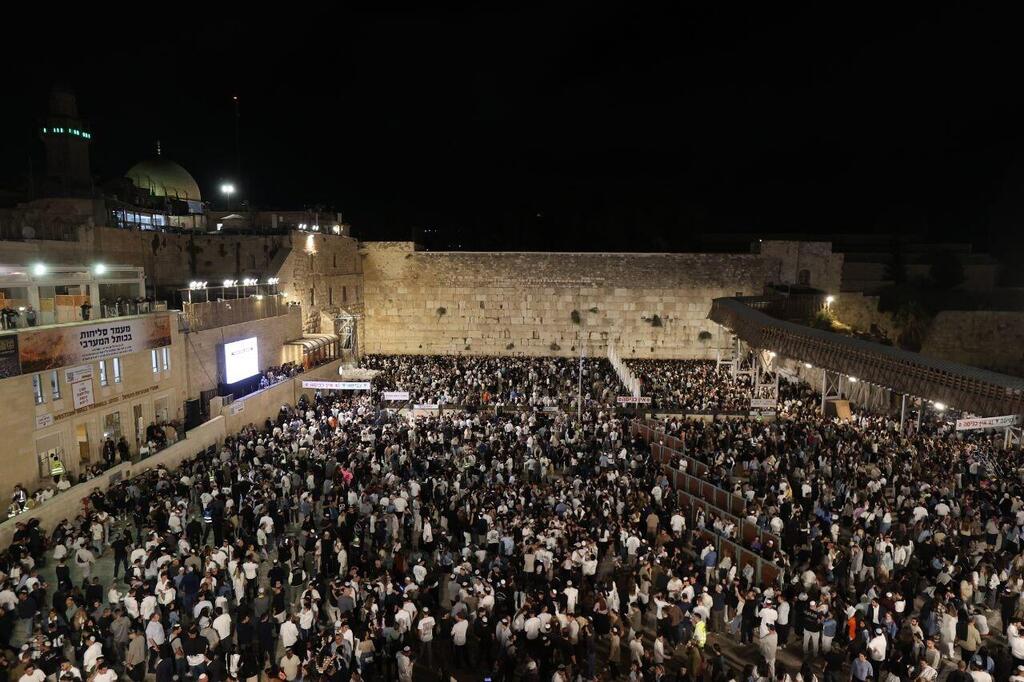
Crowds take part in Selichot prayers at the Western Wall
(Photo: Alex Kolomoisky)
This year, amid high demand, 19 major Selichot gatherings will be held with a cantor, sound systems and large screens set up around the Western Wall to ease congestion and allow the public to join the prayers throughout the High Holy Days. The Selichot gatherings will also be livestreamed on social media every night for those unable to attend in person.
In recent years, Selichot liturgical poems have attracted large audiences beyond the religious and traditional communities. They have received new melodies and modern interpretations and have also inspired performances and videos. This led to the creation of the “Selichot Tour” project by Mishael Vaknin, a businessman who has also held public positions, including chairman of the Israel Postal Company’s board.
“As part of the ‘Selichot Tour’ project, books and lavish albums of Sephardic and Ashkenazi Selichot were published, along with music albums featuring recordings of the liturgical poems,” Vaknin said. The project has been running for three years and this year will feature a new performance titled “The Binding of Isaac,” with Ehud Banai, Maya Belzitzman and the Jerusalem Piyyut Ensemble, on September 6 at Beit HaHayal in Tel Aviv.
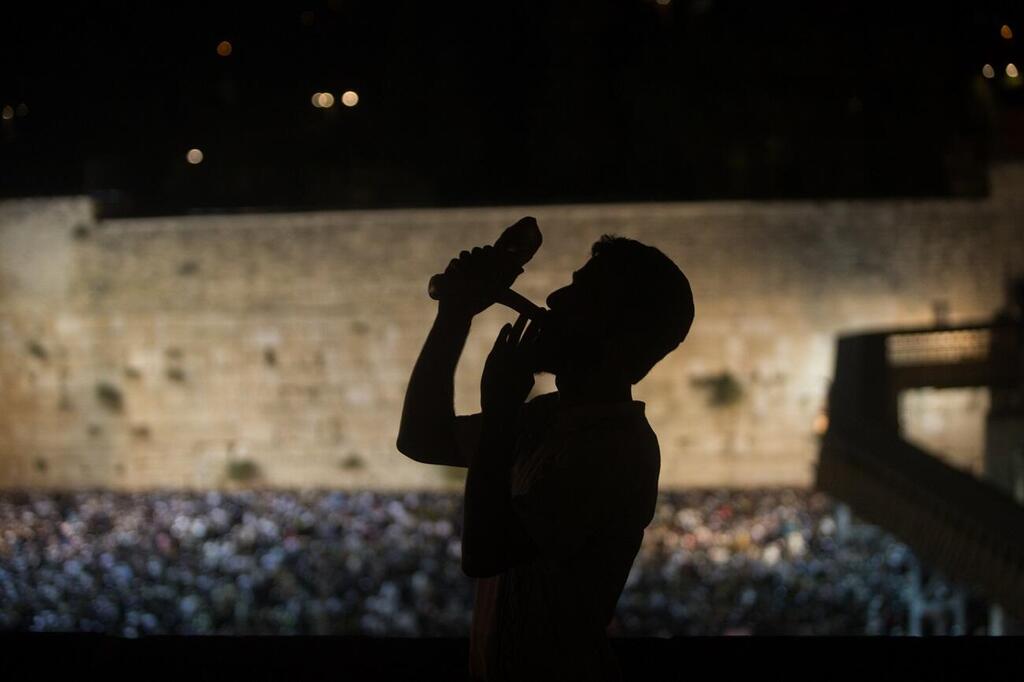
Selichot at the Western Wall
(Photo: Alex Kolomoisky)
“It’s a performance that essentially brings together two very well-known Akedah poems,” Vaknin said: the Ashkenazi poem “If the Nest’s Quarter Were Gone” and the Sephardic “The Binder, the Bound and the Altar.” “At the center of the performance is a 900-year journey through the biblical story of the Binding of Isaac, as reflected in liturgical poetry from the 12th century through the work of Leonard Cohen in the 20th century.”
For example, the poem, “If the Nest’s Quarter Were Gone” ("Im Efes Rova HaKen"), written during the Second Crusade, which began in 1147, tells the biblical story of the Binding of Isaac as an example of Abraham and Isaac’s sacrifice and devotion. Abraham is portrayed as a father who longs to sacrifice his son to God.
The poem “The Binder, the Bound and the Altar” (“Oked VehaNe’aked VehaMizbe’ah”) was written at roughly the same time by Judah ibn Abbas, a rabbinical judge in the Jewish community of Fez, after he learned that his only son, Samuel, had converted to Islam. Leonard Cohen wrote the song “The Story of Isaac” as a protest against the Vietnam War.
“It’s a very cultural evening, attended by both secular and religious people. It brings a lot of people together,” Vaknin said.