

When Neta Hazan, 39, left a Rabat police station and entered a taxi with her new Moroccan ID stating her birthplace as “Al-Quds, Palestine,” she called her father, Yosef, who made aliyah to Israel from Morocco at age four. He laughed, saying, “No problem, it aligns with your political views.”
The Moroccan taxi driver, seizing the moment after her call, claimed Israel doesn’t exist, showing videos of Casablanca football fans waving Palestinian flags and chanting “Free Palestine.” Hazan recalled, “I didn’t care. I thought, ‘You can’t ruin this moment. I’ve fulfilled a dream—I’m a Moroccan citizen.’”
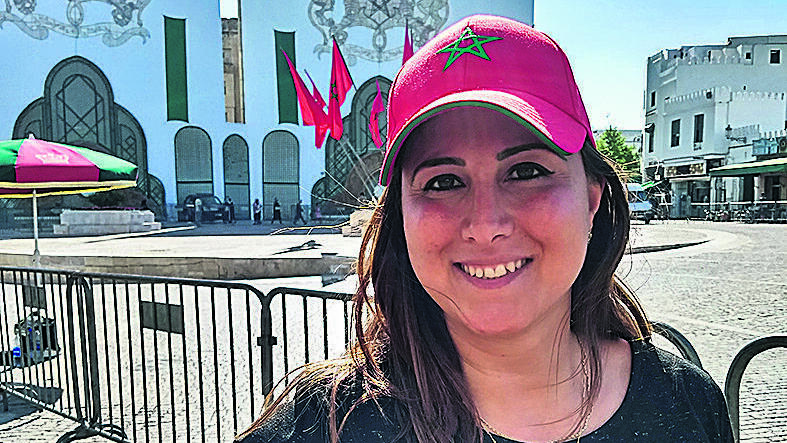
Hazan belongs to a quiet, diverse, unorganized movement of dozens of Israelis in their 30s and 40s, second-generation Moroccan olim, who have shifted their lives to Morocco. This group includes businesspeople, actors, comedians and academics from varied socioeconomic and political backgrounds, either settling permanently or living between Israel and Morocco.
“I always knew I had to go to Morocco someday—it’s my culture, my language, my customs. How had I not been there?” Hazan said. After earning a master’s in conflict management and working with Israeli-Palestinian peace organizations, she took a roots trip to Morocco in 2016, falling in love with Fez.
“I found my father’s childhood home,” she said. She later returned with her father, sister and mother, living in Rabat until the COVID-19 pandemic forced her back to Israel. After her mother’s illness and recovery and the birth of her son, Hazan is determined to return.
“I’m working on a Moroccan passport for my son, which is complicated as a single mother—they don’t understand a child without a father,” she laughed. “But we’ll return, no doubt.”
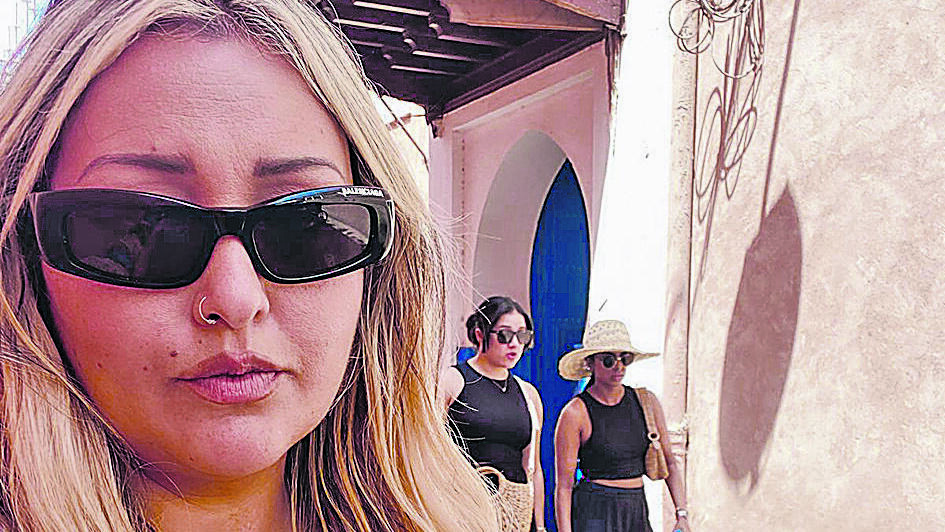
Chen Elmaliach
(Photo: Courtesy)
Migration to Morocco began years before the December 2020 Abraham Accords. In 2018, some Israeli criminals and divorce refusers exploited legal loopholes tied to their Moroccan heritage to evade arrest. Chen Elmaliach, 41, who moved to Morocco two years ago, explained, “To Moroccans, you’re Moroccan first, whether Jewish or Muslim.”
Before the Accords, rabbinical courts issued Hebrew documents proving Moroccan descent for citizenship, but after a criminal network was exposed, stricter court approvals complicated the process. After the agreements, these criminals were extradited or detained in Morocco.
Elmaliach persisted in securing her Moroccan passport. “Being Moroccan never left me,” she said bitterly. “Israel’s development towns created an alternative lifestyle, preserving our identity without integration, allowing us to live our language and culture.”
Elmaliach’s journey to Morocco felt fated. Sent to cover Morocco’s pop scene for a magazine, she knew she’d return. “Morocco is here and now, relevant to my life—not Los Angeles, where I lived, Berlin or Paris,” she said. “It was a rebellion against erasing Morocco from Israeli-Moroccan identity.”
Get the Ynetnews app on your smartphone: Google Play: https://bit.ly/4eJ37pE | Apple App Store: https://bit.ly/3ZL7iNv
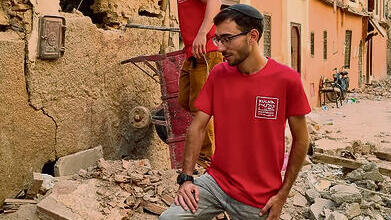
Kobi Yifrach
After October 7, 2023, she felt fear for her family in Israel. “Every Israeli abroad—Europe, the U.S., or North Africa like me—wondered, ‘What’s next?’” she recalled. Moroccan friends in Casablanca and worldwide checked on her, offering reassurance.
Due to personal circumstances, Elmaliach and her daughter temporarily returned to Israel, but she continues pursuing Moroccan citizenship. “I can’t settle anywhere but Morocco’s different—its scent, colors, language, melody, everything. It’s in my DNA.”
Before Israel's founding in 1948, Morocco’s Jewish community numbered 270,000, but it has since shrunk to a few thousand due to deaths among the elderly and youth emigration to France, Canada and Israel (225 immigrated since 2019).
Dr. Yona Alfasi, 36, an anthropologist who made aliyah from Fez a decade ago via the Masa program, aims to preserve Moroccan culture in Israel. “When I said I was from Morocco, people responded, ‘We’re all from Morocco, where in Israel?’ When I clarified, they welcomed me, eager to know if their hospitality matched Morocco’s,” he said.
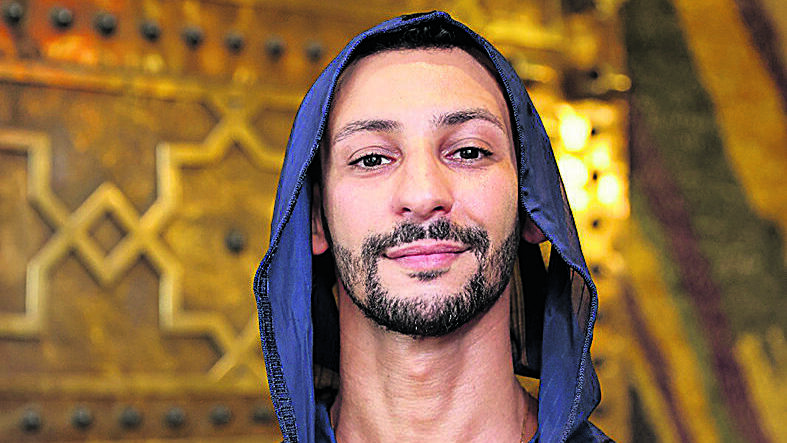
Dr. Yona Alfasi
(Photo: Courtesy)
His online Moroccan Arabic courses during the COVID pandemic attracted hundreds of students across ages, from elderly immigrants practicing the language to younger generations regretting not learning it. One student’s apology for past shame over her Moroccan roots deeply moved him: “I came to say sorry to my parents for refusing to speak Moroccan Arabic in public.”
Actor Yair Portal, 46, living between Yokneam and Marrakech, runs a kosher falafel restaurant in Marrakech popular with Jewish tourists. “In 20 years of visiting Morocco as an actor and VIP tour guide, there’s a shared feeling—time stands still, blending old and new,” he said.
Moroccan migrants to Israel are diverse—religious, secular, traditional, single, single parents or large families—scattered across Morocco without a unified community but connected by word-of-mouth, per Jewish tradition.
Despite their love for Morocco, all faced hostility as Israelis, which worsened after October 7. Comedian Pini Peretz, 47, in Marrakech for two years with 120 million views for his comedy videos, faces boycotts from pro-Palestinian peers. After one show, a Palestinian flag was hung on his car.
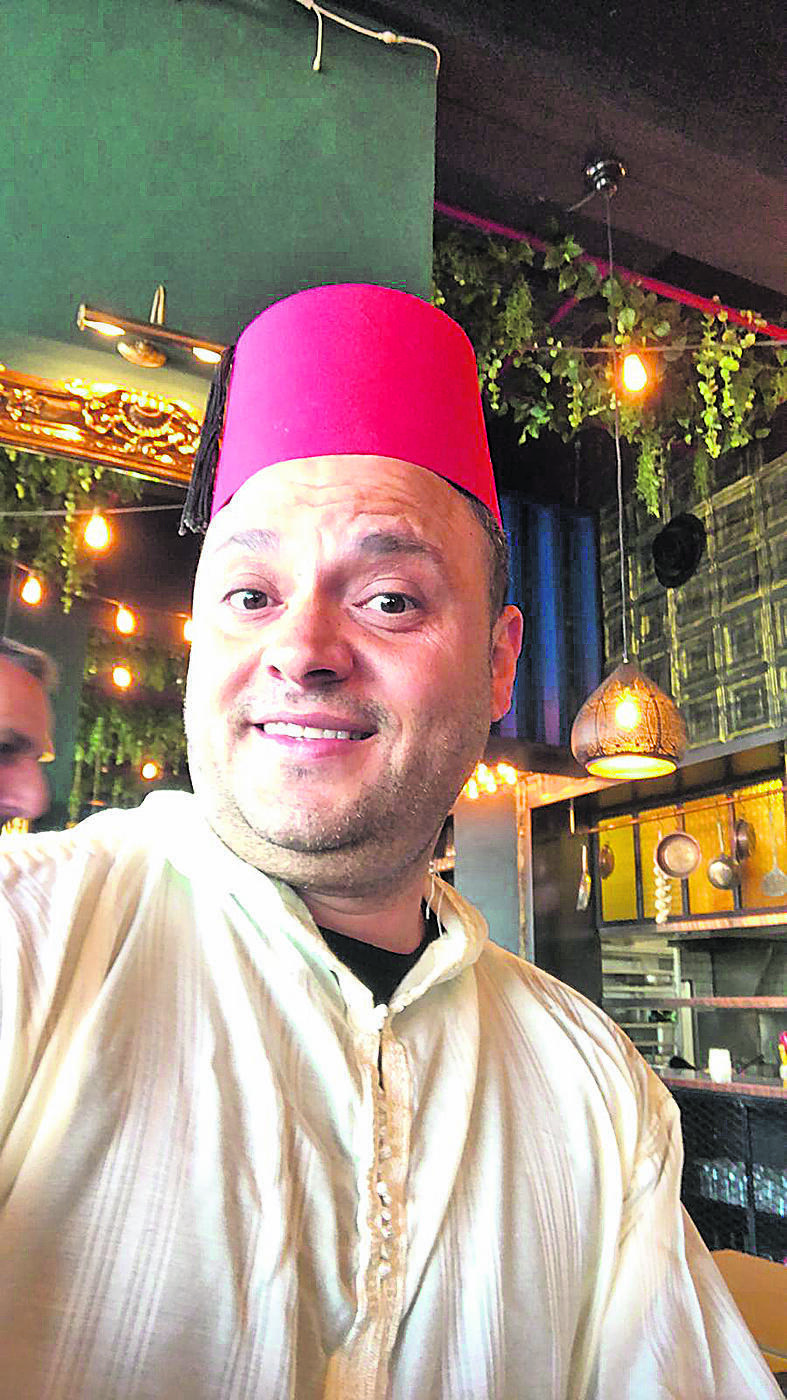
Pini Peretz
(Photo: Courtesy)
“I feel safe, speaking Moroccan Arabic and handling tensions,” he said. Anti-Israel sentiment surged after reports of an IDF hospital strike early in the Gaza war, fueled by Morocco’s then-ruling Muslim Brotherhood party. Countering this, the monarchy and local clergy advocate Jewish-Muslim coexistence.
Kobi Yifrach, 43, co-founder of Kulna organization working to preserve Jewish culture, shared how imams and Christian clergy joined Jews for a prayer in a restored Tangier synagogue amid rising tensions. Living between Marrakech and Dimona, he hopes to return permanently with his family after the war in Israel concludes.