

Israel is turning to Jewish educators in North America as it seeks to address a growing shortage of qualified teachers in its schools. Nefesh B’Nefesh, in partnership with the Education Ministry and the Aliyah and Integration Ministry, announced Wednesday the launch of Israel’s first National Educators Aliyah Program, designed to streamline the aliyah and professional integration of qualified Jewish teachers from the United States and Canada and accelerate their entry into Israeli classrooms.
The program will allow prospective immigrants to begin credential recognition, professional licensing and employment procedures before moving to Israel. Organizers said the process could allow participating teachers to begin working shortly after their arrival rather than spending months navigating the system. The first participants are expected to enter Israeli schools during the 2027-2028 academic year.
Nefesh B'Nefesh is recruiting North American teachers and will place them in jobs


The initiative will initially focus on qualified teachers in high-demand subjects, including English, mathematics and science. The Education Ministry will map staffing shortages by subject, district, region and individual school, allowing candidates to be matched with positions where their experience is most needed.
Israel’s education system has faced persistent staffing shortages, particularly in central Israel. Thousands of educators currently working in schools lack full certification or are teaching subjects outside their areas of expertise, according to organizers.

“The teacher shortage is one of the greatest challenges facing Israel’s education system, and we are committed to addressing it with every tool at our disposal,” Education Minister Yoav Kisch said. Kisch described the program as part of a broader effort to expand the teaching workforce and attract qualified educators to schools and subjects facing the most serious shortages.
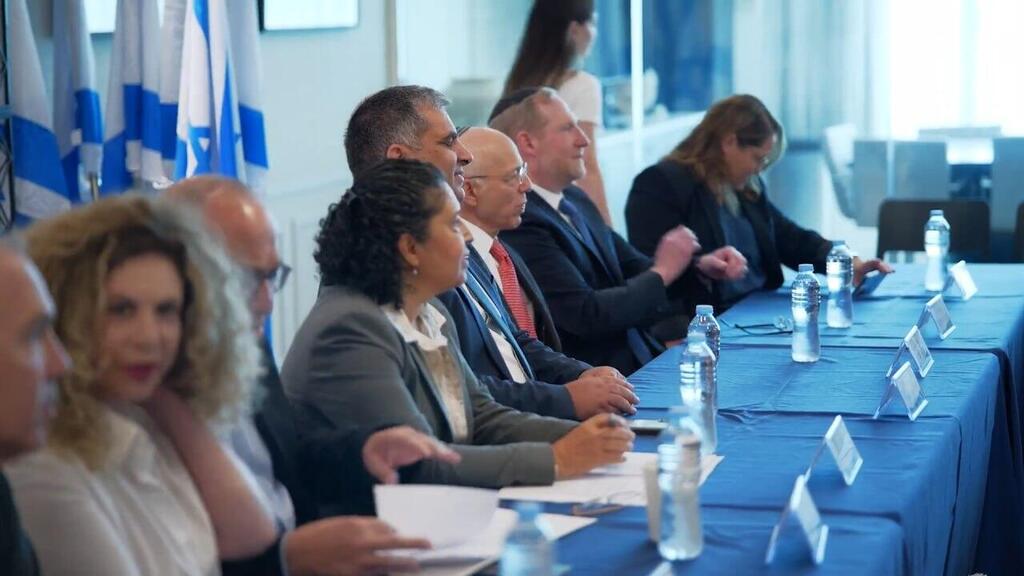
Nefesh B’Nefesh, in partnership with the Education Ministry and the Aliyah and Integration Ministry announced the launch of Israel’s first National Educators Aliyah Program
(Photo: Screenshot)
“This is a national, Zionist and educational initiative that strengthens our education system, brings exceptional talent into our classrooms and reflects our commitment to ensuring that every student in Israel receives the best education possible,” he said.
Under the new model, candidates will receive assistance with credential recognition, academic degree approval, Hebrew-language preparation, professional coursework and job placement. Dedicated educator aliyah fairs are expected to be held across North America during 2026 and 2027. Candidates will be able to meet representatives of Israel’s education system, explore job opportunities and begin the licensing process before relocating.
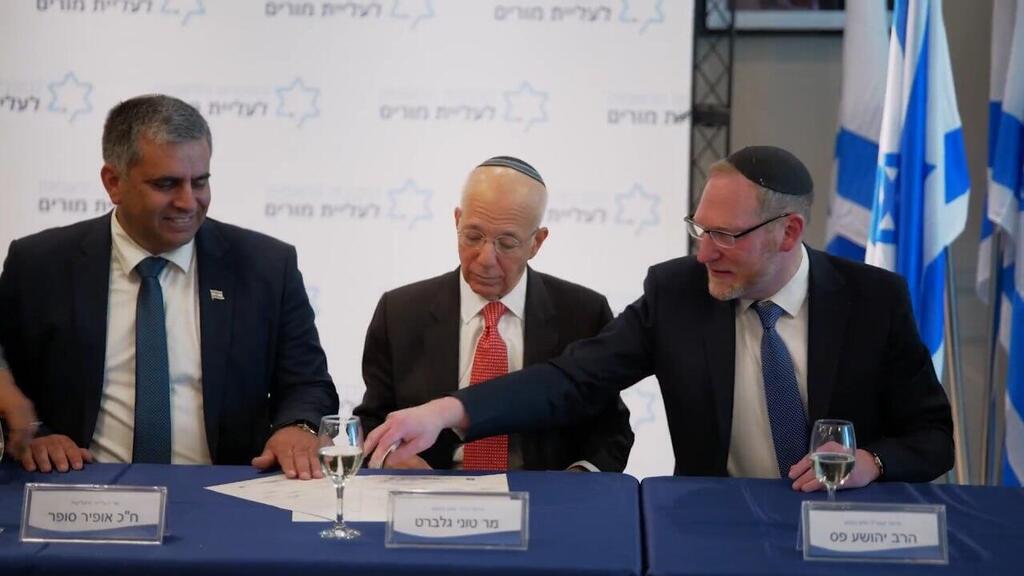
National Educators Aliyah Program, designed to streamline the aliyah and professional integration of qualified Jewish teachers from the United States and Canada
(Photo: Screenshot)
The initiative will also include webinars, information sessions and smaller community meetings. A centralized employment database organized by subject, district and geographic region will connect prospective teachers with schools and educational networks across Israel.
Support will continue after participants arrive and will include professional integration assistance, Hebrew instruction, mentoring from experienced immigrant teachers and guidance for their families.
At the launch event, Nefesh B’Nefesh representatives said the goal is to complete much of the process before candidates reach Israel. “Let’s accredit them. Let them learn the language. Let them get licensed, and let’s place them and match them to schools even before they land,” one representative said.
The program is based on the International Medical Aliyah Program (IMAP), launched by Nefesh B’Nefesh in partnership with Israel's Ministries of Aliyah and Integration; Health; Negev, Galilee and National Resilience, together with The Jewish Agency for Israel, in 2024 to address shortages in Israel’s health system. That initiative has helped bring more than 1,000 physicians from around the world to Israel and integrate them into hospitals and clinics, according to Nefesh B’Nefesh.
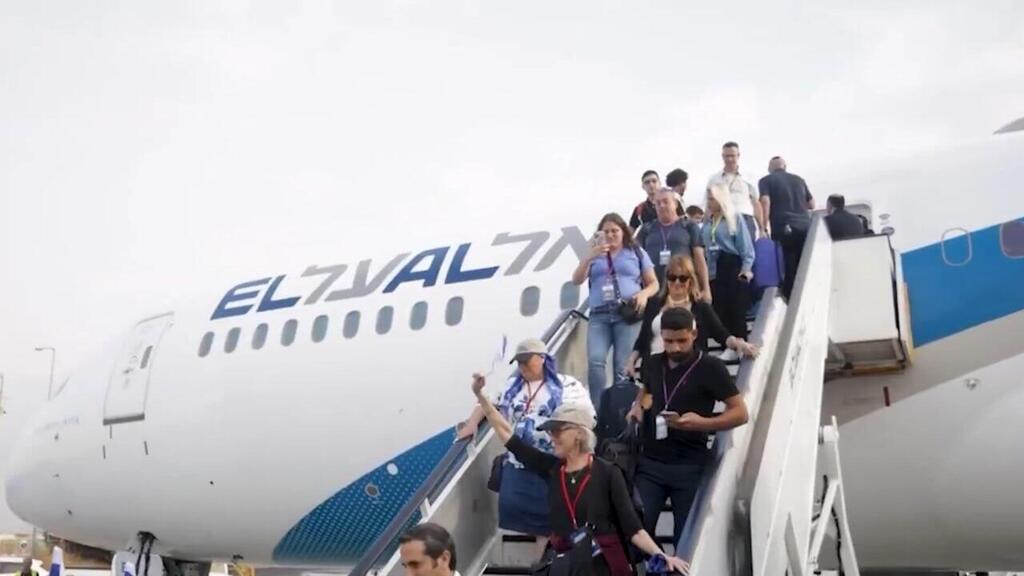
'Let’s accredit them. Let them learn the language. Let them get licensed, and let’s place them and match them to schools even before they land'
Tony Gelbart, co-founder and chairman of Nefesh B’Nefesh, said IMAP demonstrated how aliyah could be used to address other critical workforce needs. “Following the success of our International Medical Aliyah Program, we recognized this model could be expanded to address other shortages in Israel’s workforce,” Gelbart said.
“This new initiative connects the mission of aliyah with one of the country’s most significant national priorities, strengthening the education system,” he added. “Our goal is to bring exceptional Jewish educators to Israel, support them throughout their aliyah and professional integration, and once again demonstrate how aliyah plays a meaningful role in addressing the country’s immediate needs.”
Aliyah and Integration Minister Ofir Sofer said removing bureaucratic barriers would allow teachers to enter their profession more quickly. “We are creating a pathway that will allow teachers to begin working in their profession as soon as they make aliyah to Israel, while also strengthening Israel’s education system,” Sofer said. He said the government would seek to replicate the results of the medical program by helping candidates obtain professional recognition and enter the workforce.
Nefesh B’Nefesh founders said the initiative could also encourage qualified educators who had not previously considered moving to Israel. “If you go out and say the country wants you, the country needs you, and they’re making it easier for you, then all of a sudden that idea and that concept of making aliyah becomes very valuable and very real for them,” said Rabbi Yehoshua Fass, co-founder and executive director of Nefesh B’Nefesh, at the launch.
Organizers said the objective extends beyond filling immediate vacancies. By bringing experienced educators into Israeli schools, they hope to strengthen the system and invest in future generations. “Teachers are going to teach your children, my grandchildren, whoever’s children,” said Gelbart. “The children need to be educated because they’re the future of the country, the future teachers, the future leaders, the future prime ministers.”