

The High Court of Justice on Sunday approved an increase in the number of worshippers allowed at the Western Wall under wartime restrictions, raising the cap to 100 people after earlier allowing limited anti-war protests — a move that drew immediate criticism from Prime Minister Benjamin Netanyahu and left broader questions about access to holy sites for later review.
The court’s decision came after police asked judges to authorize a similar arrangement for the Western Wall and the Temple Mount that would allow small groups of Jewish and Muslim worshippers to enter the sites. The justices approved the Home Front Command’s outline to raise the quota at the Western Wall to 100, but said the issue had not been exhausted and scheduled another hearing for Thursday.
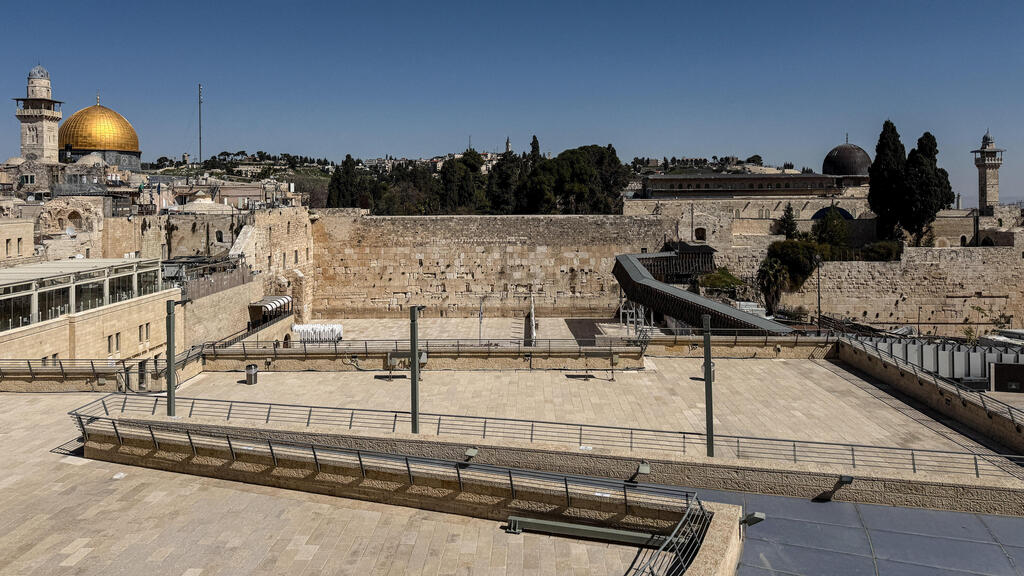
Under the police proposal, the Temple Mount would be opened to both Jews and Muslims and the Western Wall to Jews, with groups capped at 150 people at a time — above the limit ultimately approved by the court. In the event of an early warning alert, worshippers would be evacuated.
The increase is expected to allow hundreds of worshippers to enter the Western Wall in groups each day. The Home Front Command had said the site could accommodate 100 people in total, including staff, due to limited protected spaces nearby. But the court did not address that breakdown directly in its decision, saying it would later examine why defense policy for holy sites should not better balance security needs with freedom of religion and worship.
Netanyahu criticized the judges, against the backdrop of the violent dispersal of anti-war demonstrators in Tel Aviv a day earlier. “Unbelievable,” he wrote. “While Jews are restricted in holiday prayers at the Western Wall, the High Court approved a left-wing protest in Tel Aviv. Freedom of protest is important, but freedom of prayer is no less important. In wartime, only the Home Front Command determines security arrangements.”
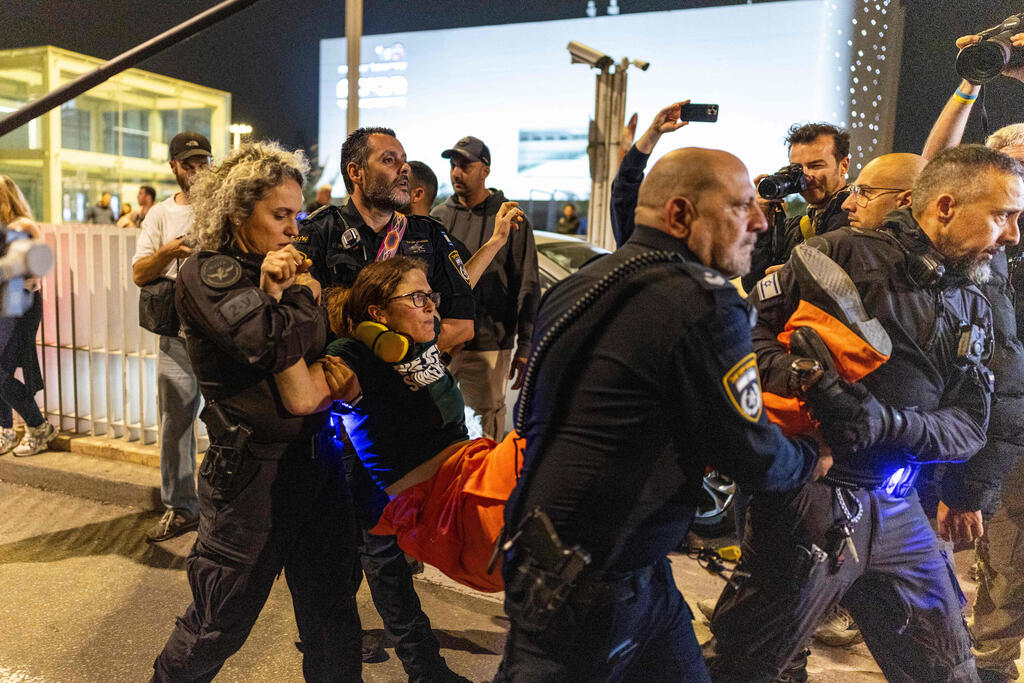
Police make arrests at anti-war protest in Tel Aviv, Saturday
(Photo: Ilia YEFIMOVICH / AFP)
Netanyahu’s criticism joined a broader attack on the court from Israel’s chief rabbis and ultra-Orthodox lawmakers after the justices issued the protest ruling during the Sabbath.
Chief Rabbi David Yosef denounced the judges during his weekly lesson, saying they were acting recklessly and trampling Jewish tradition. Former chief rabbi Yitzhak Yosef went further, calling the justices heretics and wicked. He later clarified that he did not mean physical harm, after saying "God would punish them."
The judiciary responded by saying the matter involved saving lives and noted that no court staff other than the judges had worked on the Sabbath.
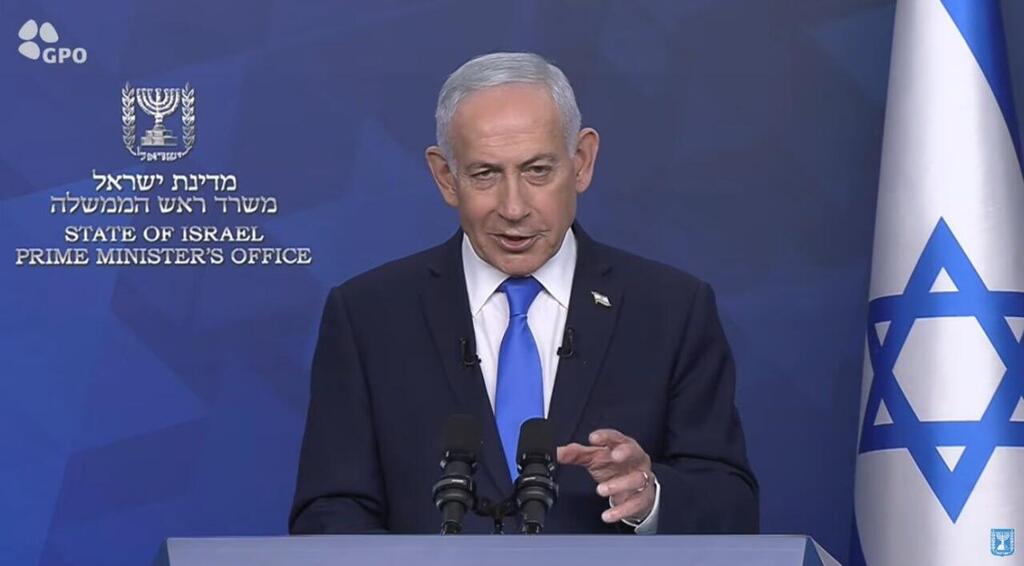
Prime Minister Benjamin Netanyahu
(Photo: GPO)
David Yosef said the judges had acted unlawfully in a Jewish state by forcing the government to respond during the Sabbath and accused them of becoming, in his words, “enemies of Judaism.”
In Sunday’s decision, however, the court did not address the Temple Mount, an omission that angered National Security Minister Itamar Ben-Gvir after the state did not address the issue in its response to the petition.
Ben-Gvir said he favors keeping the sites closed, but noted that after the court approved protests of up to 600 people at Habima Square in Tel Aviv and up to 150 in other places, “you cannot apply one rule to the square and another to the Temple Mount.”
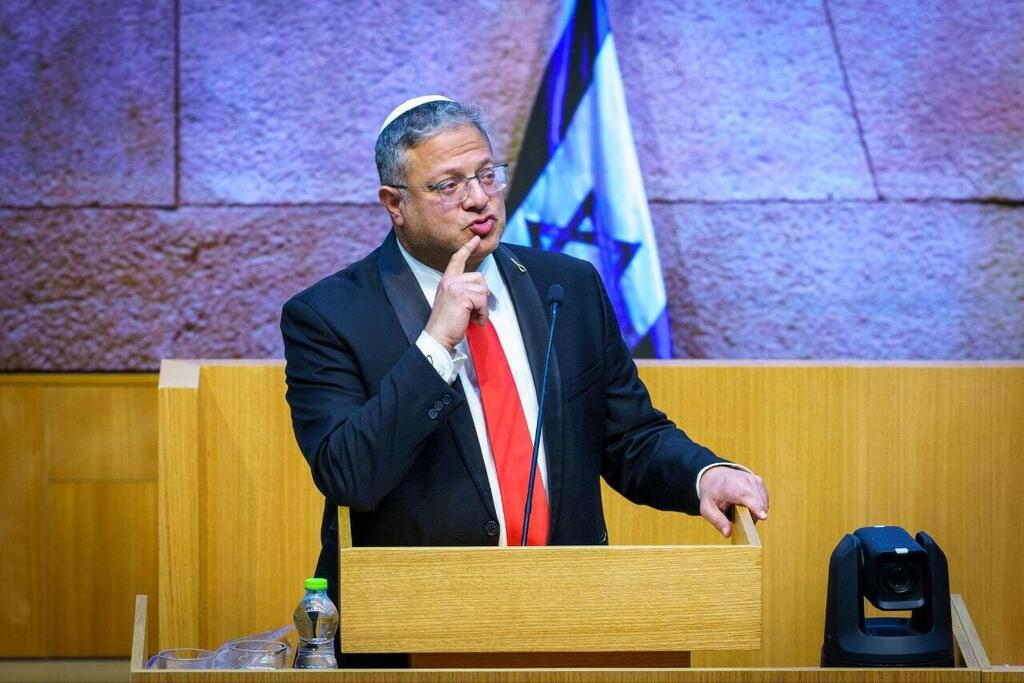
National Security Minister Itamar Ben-Gvir
(Photo: Shalev Shalom)
The Home Front Command’s original guidelines allowed up to 150 people only at Habima Square, without exceptions elsewhere.
According to the Home Front Command, only up to 50 worshippers can be present at the Western Wall at any given time, due to the limited number of protected spaces in the area. The site has only two shelters, each capable of holding several dozen people, meaning a total of about 100 individuals, including staff, can be present.
The military also warned that the Western Wall tunnels and other underground spaces in the area are not protected, and entering them during a missile attack could endanger those inside. Under a framework allowing 50 worshippers at a time, “hundreds of worshippers could enter the Western Wall each day while preserving freedom of religion and worship,” the Home Front Command said.
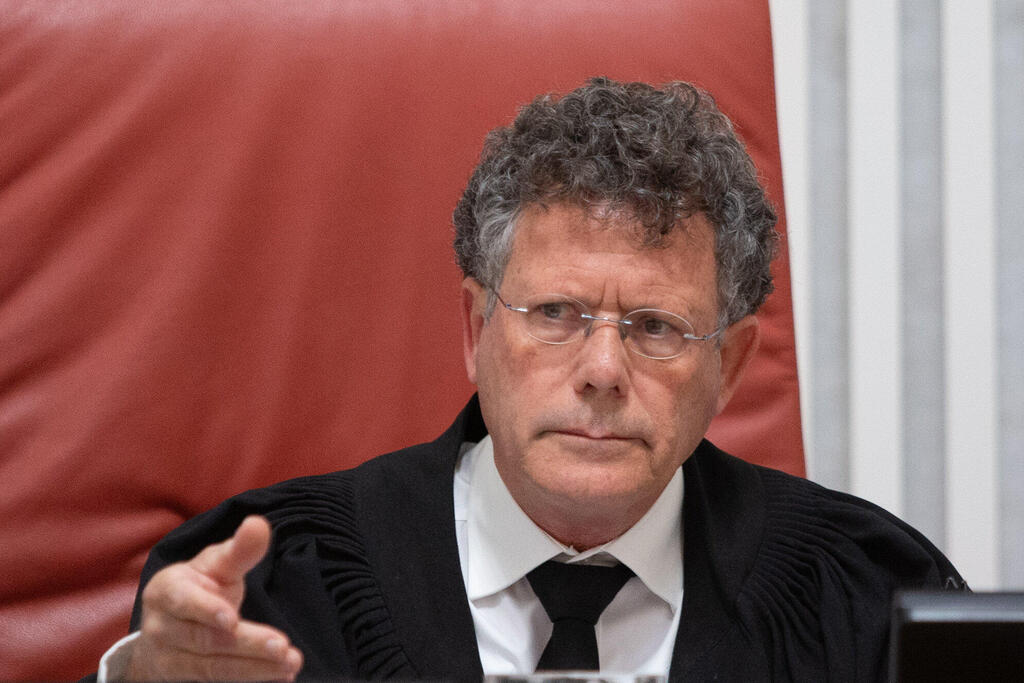
Supreme Court Chief Justice Yitzhak Amit
(Photo: Alex Kolomoisky)
Supreme Court Chief Justice Yitzhak Amit, who criticized the restrictions on protests, said during the hearing that the issue was ultimately one of balance. “Clearly this is all a matter of balance, and there is a difference between a parking lot at Habima and the Western Wall plaza," he said.
"There is no doubt that freedom of religion and worship is important. I watched the live broadcast of the Priestly Blessing, and it was embarrassing to see the Western Wall, a symbol at the heart of the Jewish people, standing empty.”
Justice Yehiel Kasher added that, in allowing protests, “it is not that the court believes it knows better than the Home Front Command — rather, that a balance must be struck.”
At one point, Ben-Gvir intervened in the hearing, arguing that the State Attorney’s Office had not presented his position to the judges. According to him, “it was a mistake to approve protests, but once you made that decision, I am committed to fairness and preventing discrimination at the Western Wall and the Temple Mount. From my perspective and that of the police commissioner, it is possible to allow more worshippers at both sites. It is very serious that my position was not presented here.”
Earlier Sunday, Justice Minister Yariv Levin sought to bring before the Cabinet a proposal under which only security agencies would determine Home Front Command guidelines — a move that would effectively override the court’s ruling permitting protests.