

For thousands of young men and women serving in the Israel Defense Forces without family nearby, the challenges of military life do not end when they leave the base. There are bills to pay, documents to renew, apartments to maintain and everyday responsibilities that many other soldiers can share with their parents. For lone soldiers, even finding time for a haircut or renewing a passport can become a logistical challenge.
Lone soldiers
(Matan Turkiya)


More than 9,200 lone soldiers gathered at Expo Tel Aviv last week for Yom Siddurim, an annual event organized by the FIDF-Nefesh B'Nefesh Lone Soldiers Program in partnership with the IDF and the Association for Israel's Soldiers. Held during the IDF's Lone Soldier Appreciation Week, the event brought government agencies, military representatives, nonprofit organizations and service providers together under one roof.
For one Canadian-born soldier, the events of October 7, prompted him to make Aliyah and then was drafted into the IDF. "I was sitting in Canada in my family room. I felt helpless and I just felt like I had to do something," he told ynet Global.
The transition from civilian life in Canada to military service in Israel was far from easy. Accustomed to a comfortable upbringing, he found himself spending extended periods training in the desert and serving during the war, often without showers, clean clothes or a proper bed. "That was really tough for me," he said.
Gallery
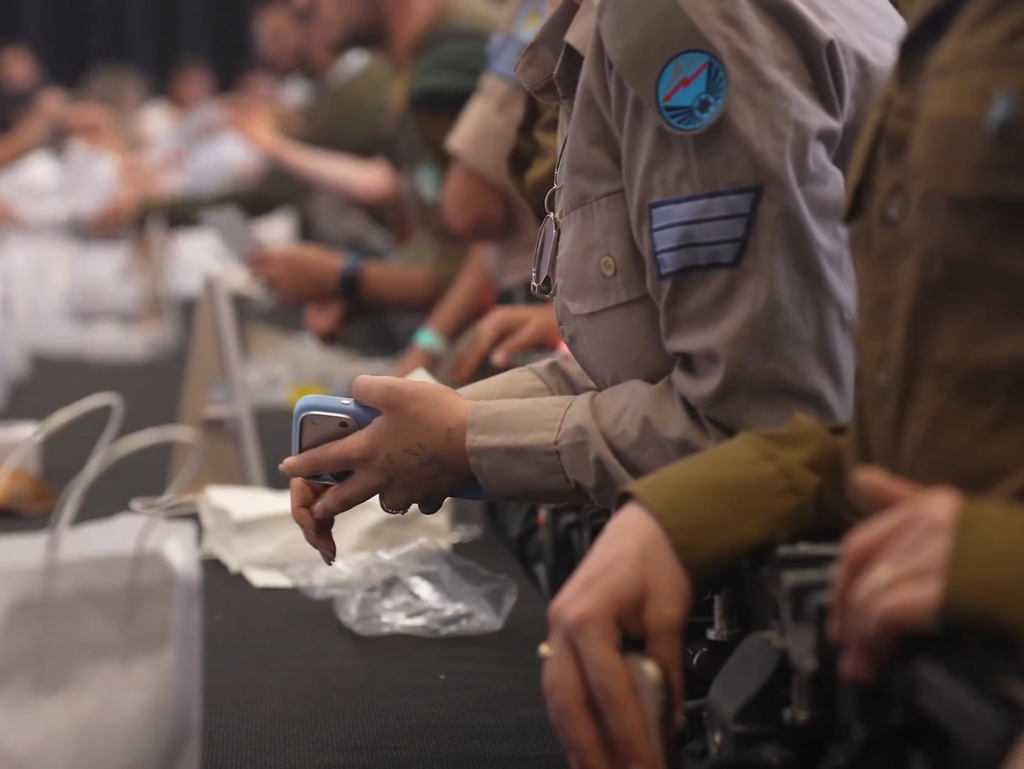
For many of the soldiers attending the event, the practical assistance carried a deeper meaning
(Photo: Screenshot)
Everything in one place
Yom Siddurim, which translates as "Errands Day," was designed to address the unique circumstances of soldiers who lack immediate family support in Israel. Some are immigrants who made aliyah, left their families overseas, and were then required to serve in the IDF, while others are Israeli-born soldiers serving without a family support network.
For many, the limited time they spend away from their bases is consumed by ordinary household responsibilities. Unlike soldiers who return to parents who can help with laundry, shopping or paperwork, lone soldiers often have to manage everything themselves.
"Lone soldiers have a little bit more of a difficult life than regular soldiers," Shraga Weissmann, Director of the FIDF-Nefesh B'Nefesh Lone Soldiers Program explained. "When they get off of base, they come home and they have to do their laundry. They have to go shopping. They have to make themselves food."
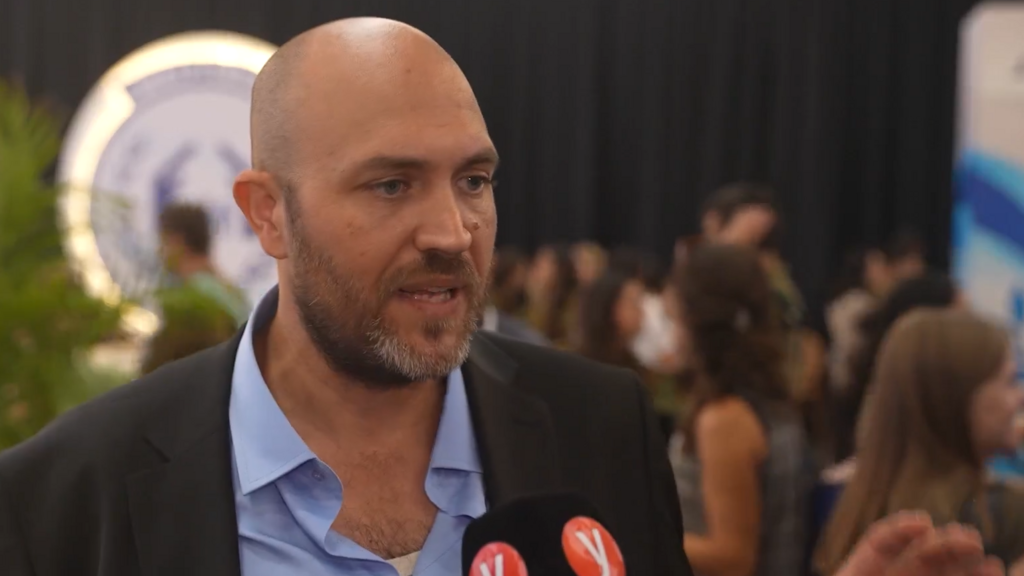
Shraga Weissmann, Director of the FIDF-Nefesh B'Nefesh Lone Soldiers Program
(Photo: Screenshot)
At Expo Tel Aviv, soldiers could apply for or renew Israeli identification documents and passports, convert foreign driving licenses, take theory tests and seek assistance with rent, banking, employment, National Insurance benefits and military entitlements. The U.S. Embassy also offered passport renewal services, while organizations provided legal advice, academic counseling and guidance for soldiers preparing for civilian life.
The event was designed to reduce the time lone soldiers spend traveling between government offices and waiting for appointments, allowing them to handle multiple personal matters during a single visit.
"It's very helpful. It's very practical. Puts everything in one place," one soldier said. "I can get everything done from step A to Z in less than 2 hours."
Far from home, but not alone
Beyond bureaucratic assistance, the event highlighted the emotional challenges of serving far from family, particularly during wartime.
One soldier who enlisted in November 2025 said she had not seen her parents until June 2026, spending her entire military training period apart from them. Another described the difficulty of explaining military experiences to relatives overseas who had no firsthand familiarity with the IDF.
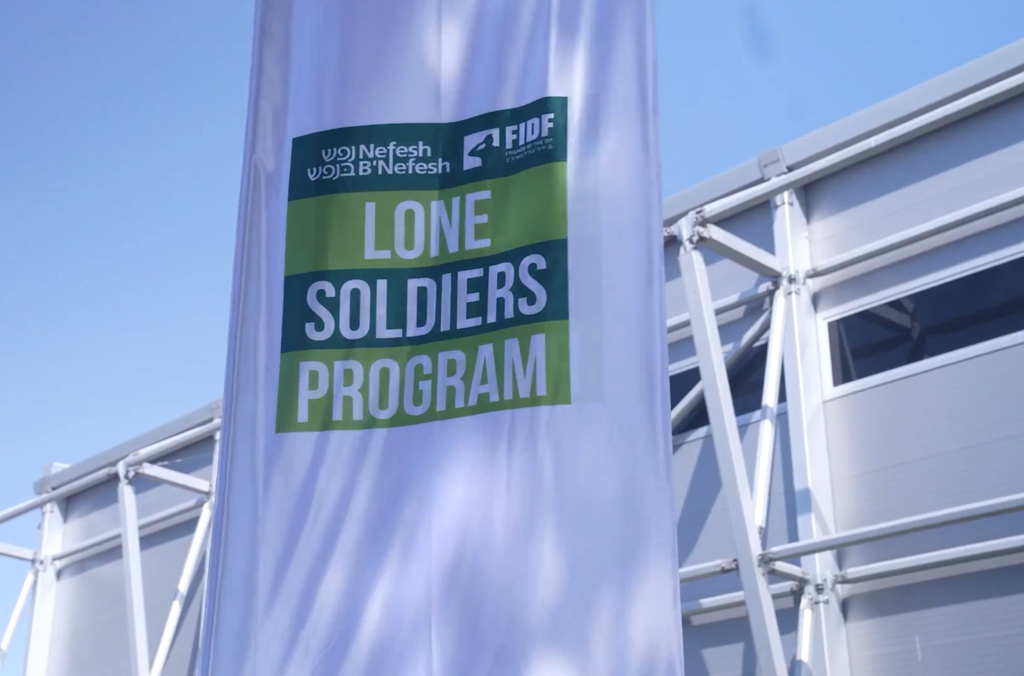
More than 9,200 lone soldiers gathered at Expo Tel Aviv last week for Yom Siddurim
(Photo: Screenshot)
For two young women sharing an apartment with their younger sister, daily life presents another set of challenges. They must manage rent, grocery shopping and household responsibilities independently alongside their military obligations.
"Living on our own isn't easy," one of them told ynet Global. "We rent an apartment by ourselves and do everything ourselves, including the shopping."
Mental health support was another part of the event. Participating organizations offered guidance on emotional assistance for soldiers and veterans, including those coping with experiences from the war or adjusting to civilian life after military service.
The FIDF-Nefesh B'Nefesh Lone Soldiers Program also provides ongoing guidance, with advisors who have experienced lone-soldier service themselves. "We are lone soldiers helping other lone soldiers," one representative explained.
Small gestures, lasting impact
Not every service at Yom Siddurim involved government forms or official appointments. Volunteers offered free haircuts and uniform alterations, providing practical assistance and a welcoming break from the demands of military life.
One volunteer barber, who had attended the event during his own military service, returned to give something back. "I care about the soldiers and want to treat them," he said. "I love my profession, and I think this is the best way I can contribute."
Whether through a renewed passport, help with housing, a freshly tailored uniform or a simple haircut, the event demonstrated how practical support can also strengthen a sense of belonging
(Photo: Screenshot)
For him, even something as simple as a haircut carried personal significance. "It makes me feel amazing because I know how important a haircut is to soldiers," he added.
Another volunteer helped tailor military uniforms to fit soldiers more comfortably, describing the work as a way to offer personal attention and help them feel better about themselves. The small gestures complemented the larger services, reflecting an effort to make soldiers feel supported beyond their immediate administrative needs.
'It feels like Israel is helping us back'
For many of the soldiers attending the event, the practical assistance carried a deeper meaning. Beyond completing overdue errands, it offered reassurance that their service and dedication to Israel had not gone unnoticed.
"We came here, we left everything just to help Israel, and we come to an event like this, it feels like Israel's helping us back," one soldier said.
That sense of belonging was especially meaningful for those who had arrived in Israel alone and gradually built new support networks through their mandatory military service.
"When you join the army, you end up making friends along the way that become your family," another soldier said. "Every lone soldier I meet is another addition to that family."
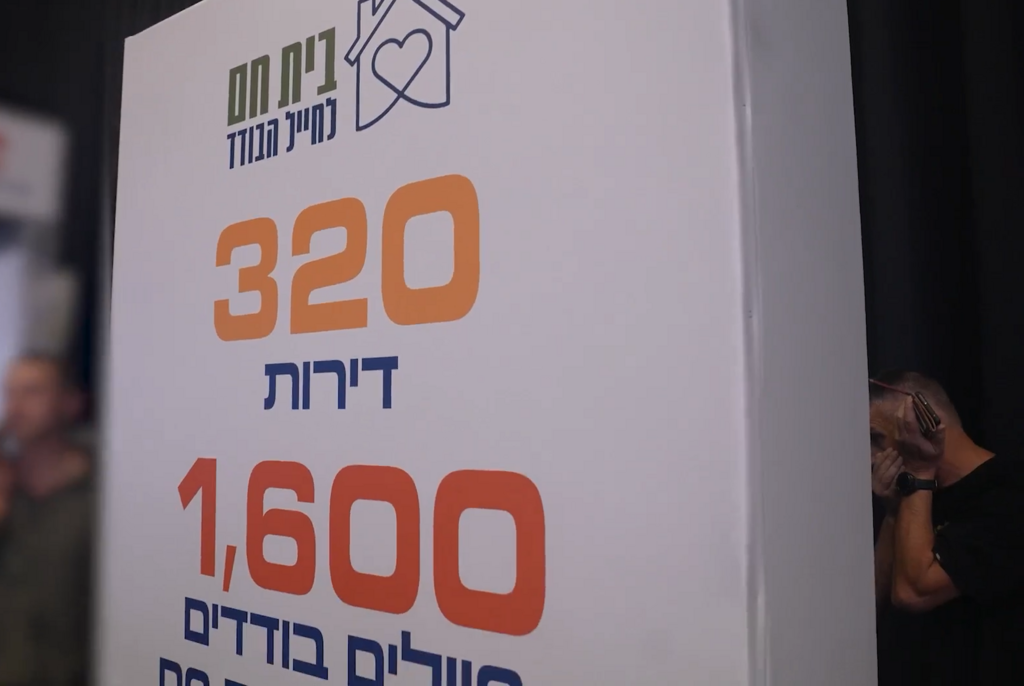
At Expo Tel Aviv, soldiers accessed ID, passport, licensing, housing and benefits services
(Photo: Screenshot)
“Errands Day is another example of our ongoing commitment to supporting IDF soldiers, particularly lone soldiers, who face unique challenges alongside their military service,” said Brig. Gen. (Res.) Liron Donel, CEO of Friends of the Israel Defense Forces (FIDF) in Israel. “The deep connection between FIDF donors in the United States and the State of Israel enables us to provide year-round support to active-duty soldiers and reservists, wounded IDF veterans, bereaved families, and lone soldiers, offering them comprehensive assistance and support tailored to their needs".
For soldiers separated from their loved ones by thousands of miles, Yom Siddurim offered more than administrative convenience. Whether through a renewed passport, help with housing, a freshly tailored uniform or a simple haircut, the event demonstrated how practical support can also strengthen a sense of belonging.
And for thousands of lone soldiers who have chosen to serve Israel, it was a reminder that while their families may be far away, they do not have to face every challenge alone.
In cooperation with Nefesh b’Nefesh