

New York City Mayor Zohran Mamdani has come under fire for omitting any mention of Jews from a social media tribute to the city's Eastern European immigrant communities, despite highlighting Jewish artist Marc Chagall and historically Jewish neighborhoods such as Brighton Beach and Rego Park, prompting accusations that he was erasing Jewish contributions to the city's history.
"The story of New York City cannot be told without the story of our Eastern European neighbors. From new immigrants to those who've lived here for generations, Eastern Europeans have built New York City," Mamdani wrote, in part, in the post on Monday.
Gallery
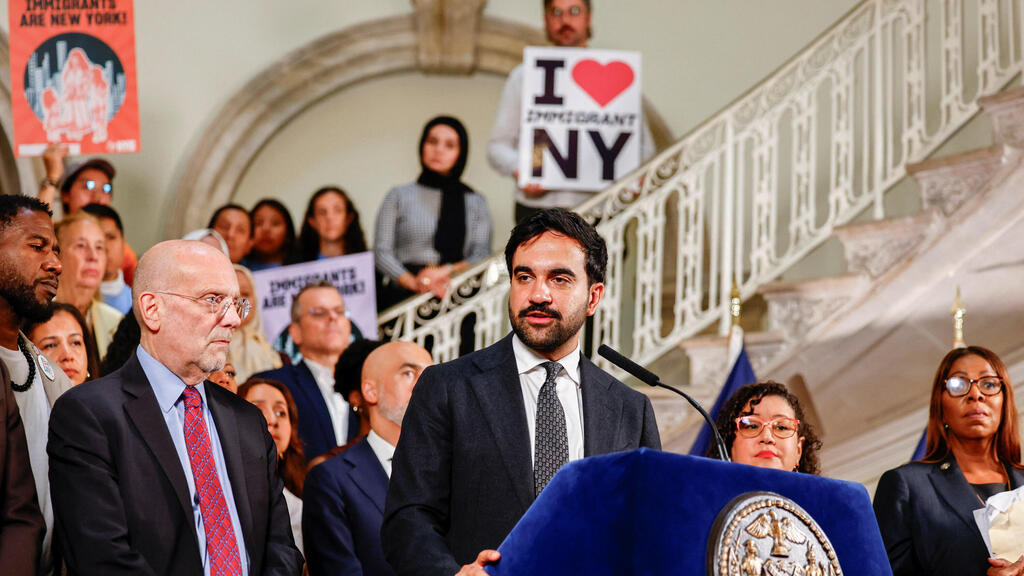
New York City Mayor Zohran Mamdani announces new legal action to protect immigrant families at City Hall
(Photo: Jeenah Moon/Reuters)
The post, published after Mamdani hosted an Eastern European Cultural Reception at Gracie Mansion last week, drew a wave of criticism from those accusing the mayor of erasing the city's Jewish history.
"To describe Marc Chagall as anything other than a Jewish artist or to celebrate neighborhoods like Brighton Beach and Rego Park but not describe their Jewish character are just the latest examples of the Mayor's relentless, pathological campaign to erase Jews from the story," ADL CEO Jonathan Greenblatt wrote in a post on X. "He does it so often that one has to assume that this is not ignorance or accidental, but a deliberate effort to normalize antisemitism and marginalize Jewish New Yorkers. It’s despicable."
Another critic wrote: "Mayor Mamdani is wrong to frame this only as 'Eastern European' heritage while omitting the Jewish character. Marc Chagall was born Moishe Shagal to a Jewish family in the Pale of Settlement. Brighton Beach was built by Soviet Jewish immigrants. Rego Park has long been a major Jewish neighborhood. Those facts are not optional."
And another: "Huh? Nary a mention of Jews fleeing Eastern Europe and those who would eradicate them. That’s who fill these neighborhoods. My neighbors in Rego Park were often [Holocaust] survivors with numbers on their wrists. Shame on you."
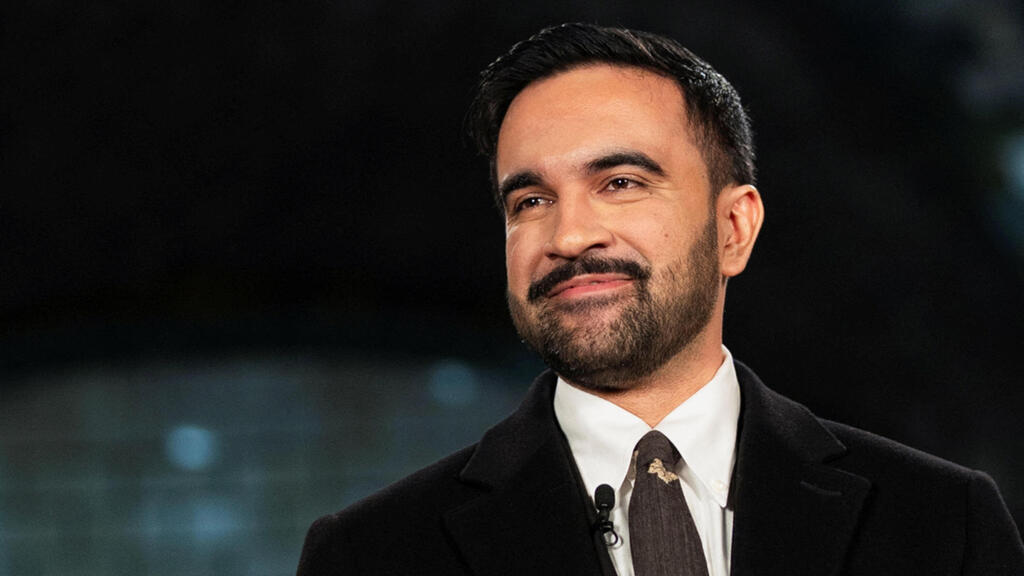
Mamdani accused of trying to erase Jews from New York history
(Photo: Amir Hamja/Pool via Reuters)
Mamdani also drew criticism from community leaders for grouping distinct Eastern European communities, including Poles, Ukrainians, Russians and Moldovans, into a single celebration, rather than recognizing their individual heritage. Critics also objected to his decision to replace the annual Polish heritage breakfast at Gracie Mansion with the broader Eastern European event.
“Polish Americans are one of the largest European ethnic communities in America. Lumping Poles, Ukrainians, and Russians together shows shocking historical ignorance and disrespect,” Grzegorz Fryc, a longtime NYC Polish activist and business leader, told the New York Post.
“Mayor Mamdani couldn’t be bothered to attend the Pulaski Day Parade, and now his administration wants to replace the traditional Polish Heritage celebration at Gracie Mansion with some generic ‘Eastern European’ event,” he added. “Would City Hall combine Jewish and Palestinian heritage celebrations into one generic ‘Middle Eastern’ event? Of course not. This is another slap in the face to our community and an embarrassment for the mayor’s office.”
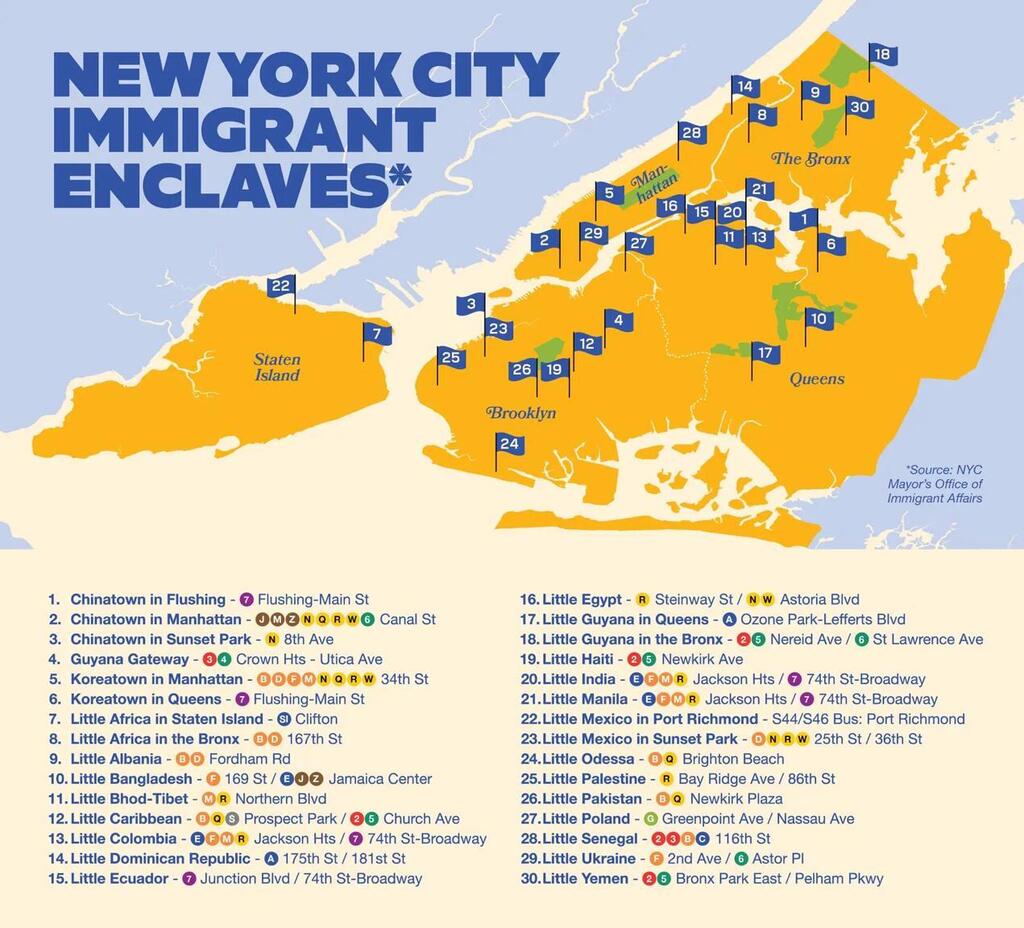
In July, Mamdani's administration also drew criticism over an official map of 30 immigrant enclaves published as a guide for World Cup visitors. The map omitted several of the city's long-established ethnic communities, including Jewish neighborhoods, Little Italy and Irish enclaves, while adding areas such as Little Palestine, Little Egypt, Little Senegal and Little Odessa.