

Reform Judaism in the United States is confronting years of declining membership, shrinking attendance and mounting financial pressures, prompting many synagogues to repurpose space and rethink how they engage congregants.
Across the country, Reform congregations report dwindling dues income as sanctuaries sit half empty. Unused rooms are increasingly being leased for activities ranging from knitting circles and art workshops to lectures, polling centers and musical or theater performances. Leaders say the rentals help keep buildings open but also symbolize a shift in how synagogues function as community centers.
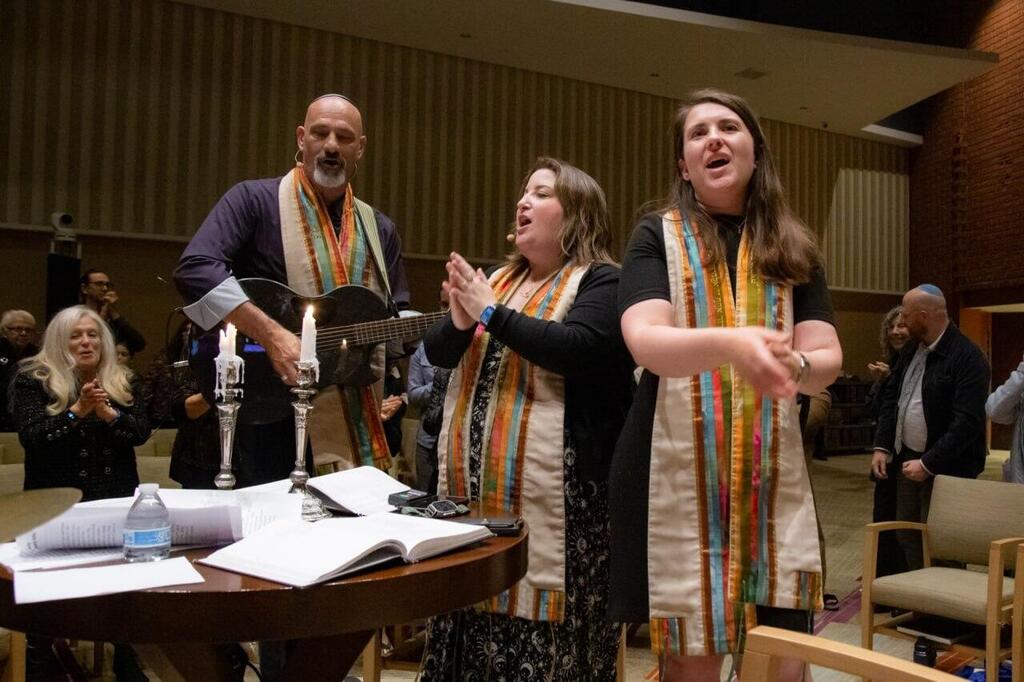
The trend reflects broader changes in American Jewish life. While the Orthodox community continues to grow and attract young families, both Reform and Conservative congregations report steady drops in membership and lower turnout at religious services. Demographic shifts, evolving expectations among younger Jews and new approaches to community life are reshaping institutions that once operated on longstanding models.
Reform synagogues have long grappled with a pattern in which families depart after a child’s bar or bat mitzvah. By contrast, Conservative congregations have largely maintained stable membership numbers, creating a divergence that has led to closures, mergers and significant financial strain for Reform institutions.
One such case occurred two years ago in Woodland Hills, where the long-standing Temple Aliyah merged with nearby Shomrei Torah Synagogue. The combined congregation, now called HaMakom, was created to serve as an inclusive community open to Jews of all backgrounds, levels of observance and gender identities.
Rabbi Jonathan Aaron, who has led Temple Emanuel in Beverly Hills since 1996, said conversations about declining Reform membership are not new. “I grew up in the Reform movement and this is something people talked about 30 years ago and even earlier,” he said. “There is a decline worldwide in the younger generation’s understanding of the importance of belonging to a synagogue and being part of the Jewish community. I think it has less importance today than it once did. At the same time, I also see young people wanting spirituality and seeking depth and meaning.”
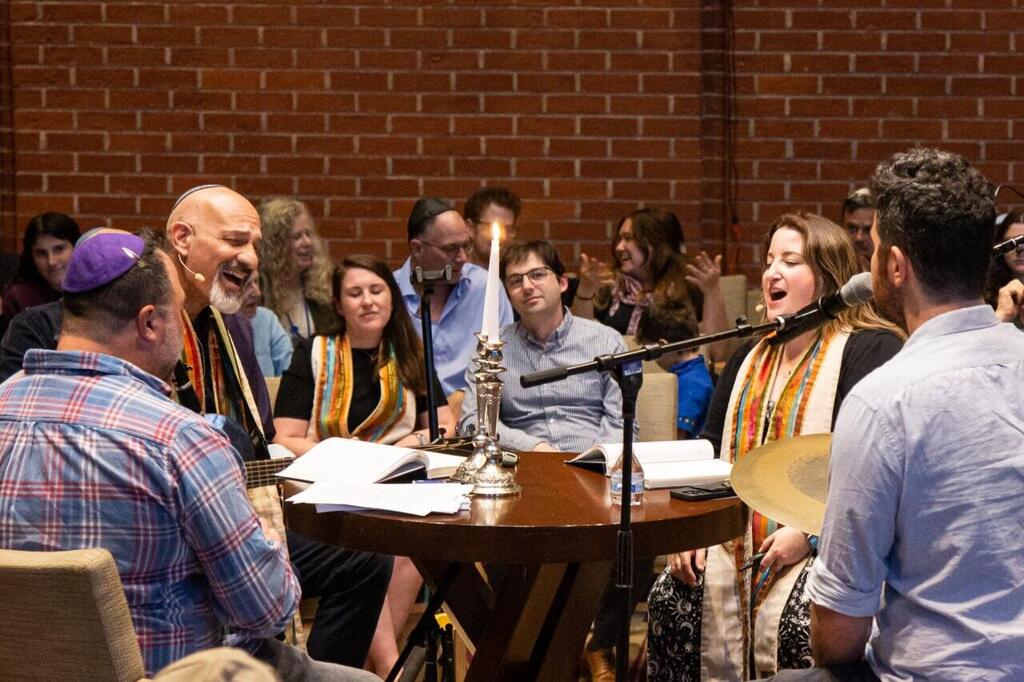
'Shabbat Unplugged'
Aaron said economic pressures and the COVID-19 pandemic have contributed to the drop in membership. “We didn’t gather for two years and people got used to participating on Zoom,” he said. “There is less focus on Jewish institutions right now. When I was growing up, people belonged to a synagogue to be part of the community. I don’t think people see it the same way today.”
He noted stark differences between Orthodox and Reform synagogue life. “Orthodox Jews depend heavily on their synagogue,” he said. “They pray there three times a day and come every Friday night and Shabbat. In many ways it is the center of their lives, and that is a fundamental difference from how Reform Jews relate to their synagogue.”
Aaron said the perception of obligation is at the heart of the challenge. “Some Reform Jews feel that once their children have had a bar mitzvah, they are done,” he said. “In my view, a 13-year-old is only beginning to understand the beauty of Judaism. That requires ongoing learning and guidance.”
The divide is also visible in attitudes toward worship. Temple of the Arts in Los Angeles holds High Holy Day services in the Saban Theatre, combining traditional prayers with lectures, musical performances and opera. Supporters say the format makes synagogue life more inviting and relevant for young families. Many Orthodox Jews, however, view the approach as a departure from tradition and a dilution of the sanctity of the day.
At Temple Emanuel, an early childhood program and a school through 12th grade help sustain long-term involvement. Reform congregations without schools often struggle to retain families and face sharper membership declines.
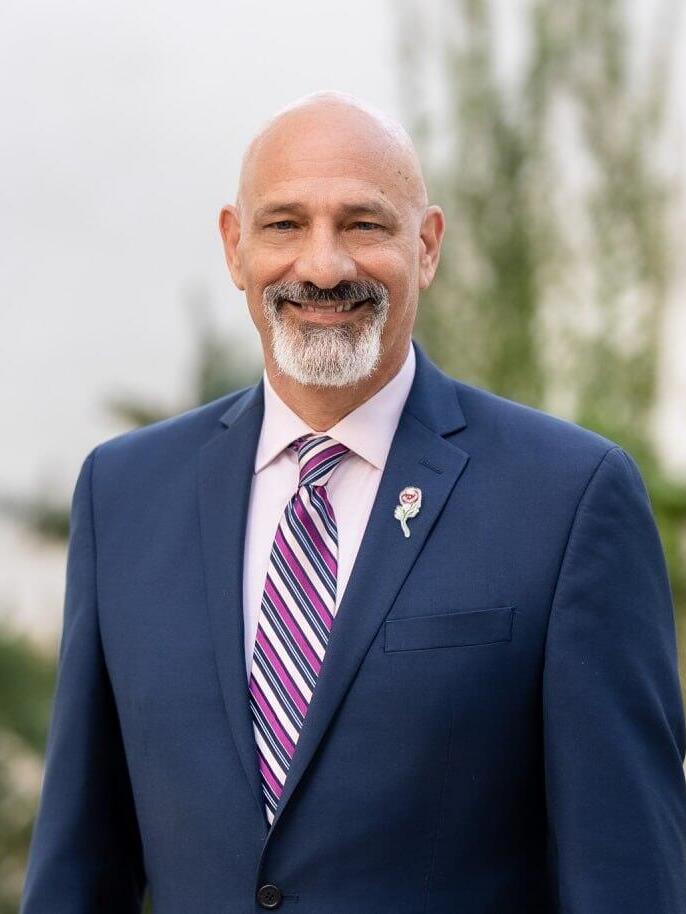 Rabbi Jonathan Aaron
The long-term drop in participation reflects a broader transformation within American Judaism. As Orthodox communities expand, Reform and Conservative institutions face demographic change, shifting spiritual preferences and younger generations who seek meaning outside traditional frameworks. Many synagogues are adapting through rentals, cultural programming or expanded educational offerings to keep their doors open.
Whether Reform Judaism can stabilize remains uncertain. The movement offers spiritual flexibility and a path for those seeking personal connection to Jewish life outside strict traditional practice. But the lack of long-term commitment and the focus on temporary experiences continue to challenge its institutions. Some Reform Jews may migrate toward Conservative or Orthodox communities if they seek more structure or deeper communal obligations.
For now, Reform Judaism remains a vital force in American Jewish diversity and spiritual innovation. Its future, leaders say, depends on its ability to retain members and offer meaningful experiences that resonate with the next generation.