

“In conversations we held after October 7 with Hamas terrorists in prison, several of them said it had been clear to them that the attack Yahya Sinwar had spent years planning would eventually be carried out—but no one ever asked them about it,” says a senior official in the Israel Prison Service (IPS).
“Some personally knew Sinwar, and testified that the bloody scenario was deeply rooted in his worldview and seen as a life mission. They said nothing—not diplomacy, not economic incentives—could have deterred him.
“It’s quite astonishing,” the officer adds, “that Sinwar spent 23 years in prison, but no one ever conducted a deep psychological or personality profile of him. That might have helped identify the seeds of destruction he later unleashed.”
These revelations highlight the unique role of the IPS—and the vast, often-overlooked intelligence it gathers. “Unlike other agencies that observe the enemy from afar or through covert meetings, we’re in direct, continuous contact with a massive reservoir of enemies,” explains another IPS official. “Once a security prisoner is incarcerated, their contact with the intelligence officers who arrested or interrogated them becomes limited. At that point, we step in.”
Prison, he notes, becomes a microcosm of Palestinian society. “You have inmates from all ages, factions and sectors. Beyond intel on terror plots and operational decisions, conversations with and among prisoners reveal a lot about public sentiment in the Palestinian street.”
These lessons have led to deep internal reflection within the IPS since the October massacre. “We failed so badly—not only did we have no prior knowledge of Hamas’ plans for October 7, but no one even expected us to. No one told us, ‘you failed,’ because no one assumed we’d have intelligence in the first place—even though we hold a vast number of Hamas terrorists.”
(Photo: Liran Tamari)
That blunt admission came from then-acting IPS Chief Commissioner Kobi Yaakobi in a May 2024 address to prison officers. It marked the start of a sweeping reform campaign aimed at transforming the service from a containment system into a full-fledged security organization.
At the heart of the reform is a strengthened intelligence wing, now upgraded from a division to a directorate led by a commissioner-rank officer. Personnel have been expanded, with recruits from IDF Intelligence, Shin Bet and the police. New roles have been created, and a central training goal is fluency in Arabic—a vital tool both for daily interaction and for decoding prisoner mindsets.
Fewer minors
IPS intelligence is now fully integrated with national agencies. Its representatives sit at key decision-making and assessment tables. “The prevailing perception used to be that prison isolates terrorists and freezes their influence,” says one senior figure. “But in reality, development, planning and political activity continue. Some entered prison as junior terrorists and emerged as national-level leaders. In Palestinian society, long prison time is viewed as a badge of honor.”
For decades, prisons have served as incubators where inmates conducted strategic discussions, participated in political processes and shaped their organizations’ policies. They also developed and shared tactics—especially around resisting interrogation—and maintained constant learning about Israeli society. Sinwar, for example, learned fluent Hebrew, read Israeli biographies and followed the media and public discourse.
(Photo: Oz Moalem)
That reality changed dramatically after October 7. The IPS, like the broader defense establishment, had operated under a policy of containment and calm: allow prisoners some autonomy in the name of preserving order. But no more. Canteens and TVs in cells have been eliminated. Money transfers are restricted. Electricity and water supply are limited. Lawyer visits—often used for passing messages—are now tightly controlled. Intensive cell searches, especially for smuggled phones, have become routine.
These harsher conditions have led to a drop in arrests, especially among minors who previously sought incarceration to finish school exams via phone and access Palestinian Authority stipends. Today, about 11,000 security detainees are held in Israel—of them, only around 1,000 are convicted prisoners. Roughly 3,000 are from Gaza, most captured after October 7. Around 250 are considered to have “blood on their hands,” down from 550 before the recent hostages-for-prisoners deals.
Hamas remains the primary focus for IPS intelligence, not just to gather information, but to prevent the group from operating inside prisons. Senior terrorists are isolated, frequently transferred and mixed in shared cells with rivals, especially from Fatah. The long-standing system of prisoner representatives who liaised with IPS officials has been dismantled, eliminating Hamas’ prison leadership structure, which once included figures like Abbas al-Sayed, mastermind of the 2002 Park Hotel bombing.
Shift in prison dynamics
The shifting internal balance of Hamas is visible behind bars. Senior Gazan leaders who killed West Bank and diaspora figures have gained influence. Almost the entire West Bank Hamas leadership is now incarcerated in Israel, including lawmakers and former ministers. One standout is Mohammad Jamal Natsha of Hebron, a parliamentarian arrested in March for heading a vast terror network. The only remaining (and relatively marginal) Gazan leader still active in prison is Hassan Salameh, jailed since 1996 for orchestrating deadly bombings in the mid-1990s.
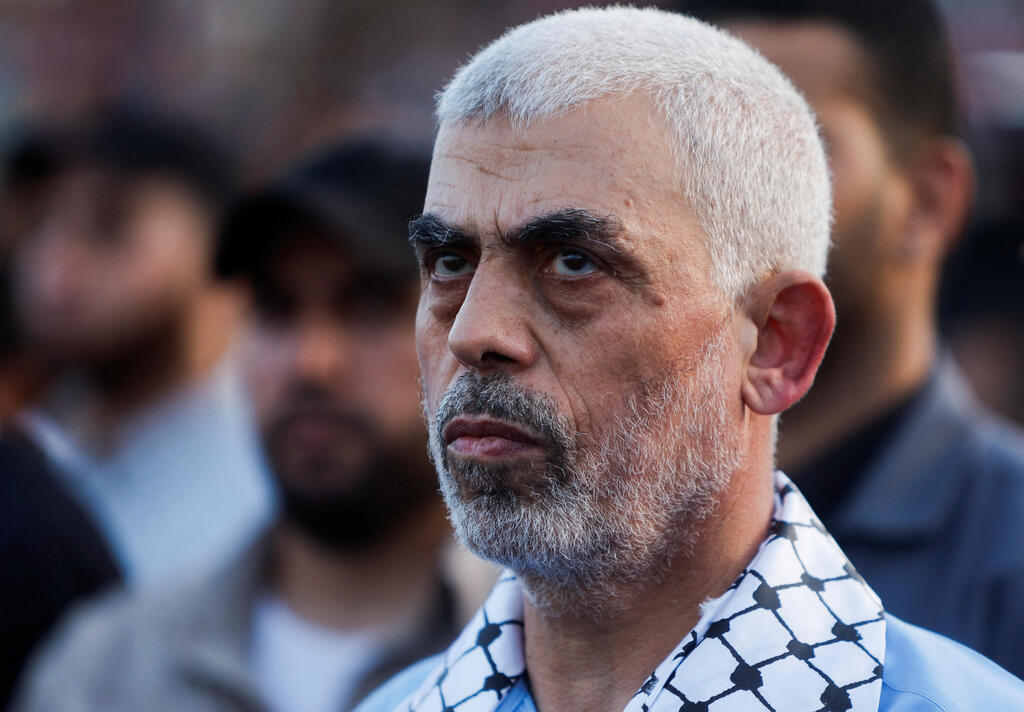
Yahya Sinwar
(Photo: Mohammed Salem/Reuters)
“One of our key missions is to track Hamas’s flans,” says a senior IPS officer. “That monitoring continues even after their release, because a prisoner may leave prison—but the prison doesn’t leave him.”
Former inmates like Sinwar often work relentlessly to free their comrades, using platforms like the Palestinian Prisoners’ Club to spread anti-Israel propaganda and raise funds. One example is Abd al-Nasser Issa, a Hamas terrorist from Balata refugee camp who served 30 years before his release in February. A mid-level terrorist when he was jailed, he emerged as an elder leader. Fluent in Hebrew and holding a master’s degree in democracy studies, Issa published research while incarcerated. He now serves in Hamas’ West Bank leadership, operating from Turkey.
In a recent podcast, Issa was asked: “Thirty years in prison wasn’t enough? Don’t you want to relax by the sea?” He replied: “I’ll enjoy life—but at the same time, the struggle must continue until the prisoners are free.”
Among other factions, no group wields comparable influence in prison. One exception is Fatah’s Marwan Barghouti, who has been serving five life terms since 2002. He consistently polls as the frontrunner in future Palestinian presidential elections. “We isolate Barghouti to prevent him from leading political activity or exerting a negative influence,” IPS officials say. “He presents himself like a president—but he doesn’t enjoy the admiration he once did.”
Behind the red line
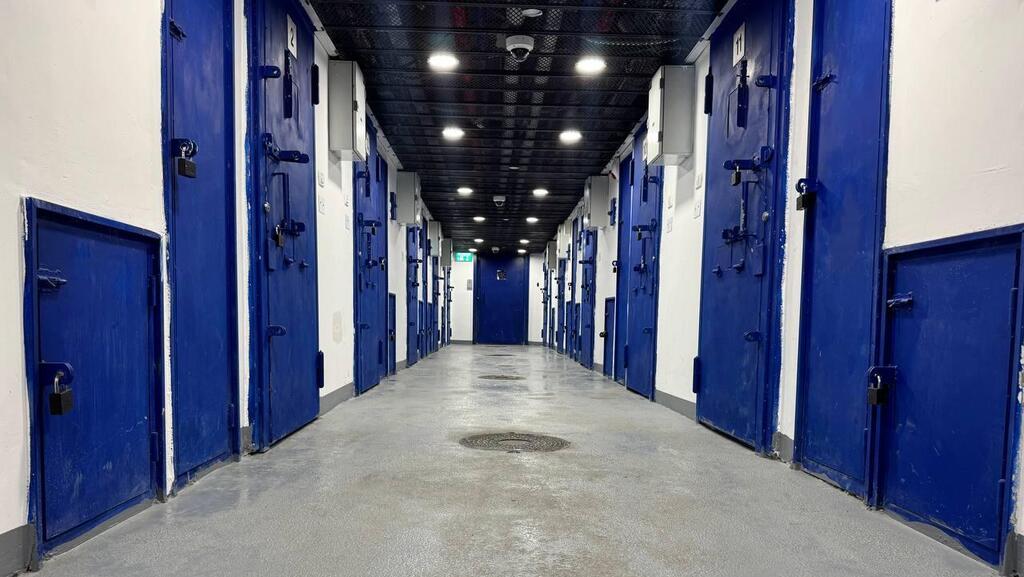
The depth of insight IPS gathers is evident at Rakefet, a special facility in the Ramla prison complex. Around 90 detainees are held there, mostly Nukhba operatives involved in the October 7 massacre, along with several from Hezbollah’s elite Radwan unit.
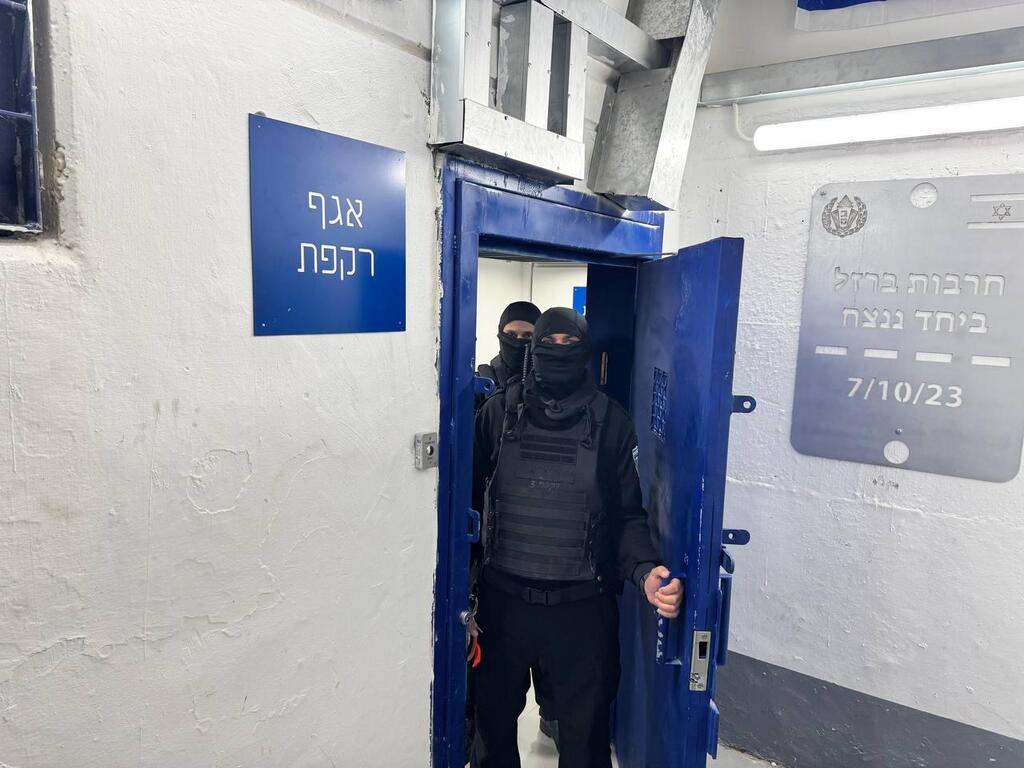
The Rakefet facility in the Ramla prison complex
(Photo: Liran Tamari)
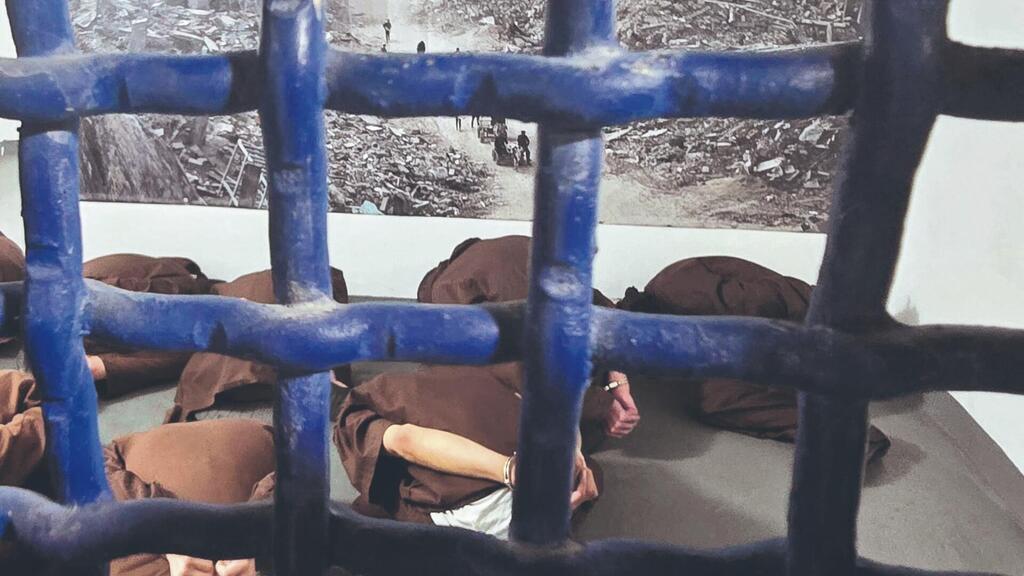
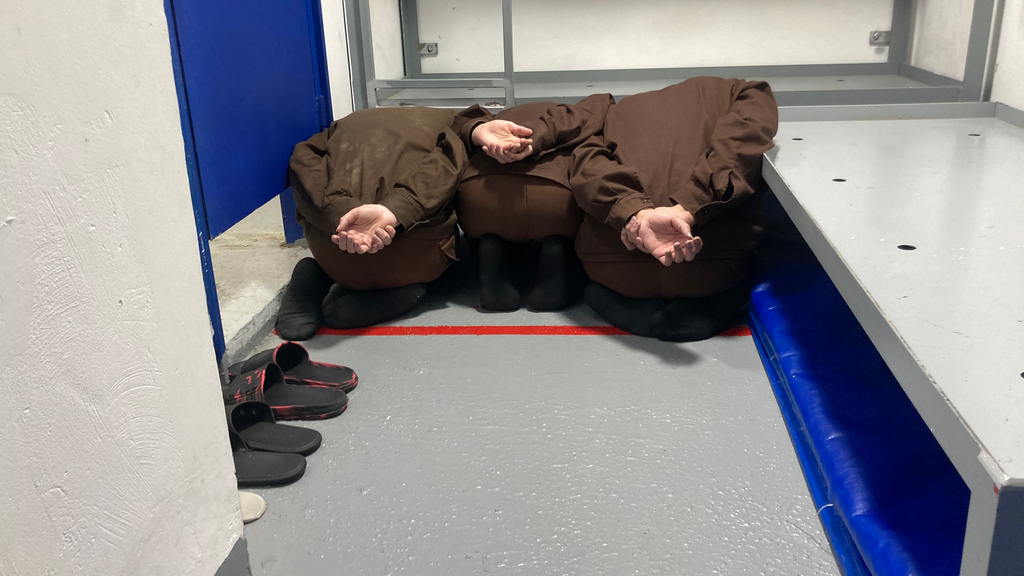
Most were captured during the attack on southern Israel or shortly afterward. Held in a subterranean complex, their only outside contact is through attorney visits. Their cells contain only a bed, a towel, soap and toilet paper. When a guard knocks, they must kneel with heads bowed and hands behind their backs, along a red line on the floor.
“This group is like a living lab of Hamas’ brainwashing,” says the facility’s commander. “The average age is 25, meaning they grew up entirely under Hamas rule. Their personal stories show that pre-October 7 Gaza wasn’t a civilian society, but a jihadist project aimed entirely at destroying Israel. They express no remorse. To them, Israelis are a plague to be eradicated.”
Get the Ynetnews app on your smartphone: Google Play: https://bit.ly/4eJ37pE | Apple App Store: https://bit.ly/3ZL7iNv
In the early days after their capture, many confessed. But over time, they began distancing themselves from the crimes, claiming mistaken identity. Most have combat training. Several are from Hamas’ naval commando unit that raided Zikim beach. They were trained for interrogation resistance and continue to display discipline, cleanliness and mental resilience in isolation, where their only communication is with attorneys.
“We limit their interaction and prevent them from forming hierarchies,” says the prison commander. “Even Hamas officers, like company or battalion commanders, receive no special treatment. There are no spokespersons or representatives.”
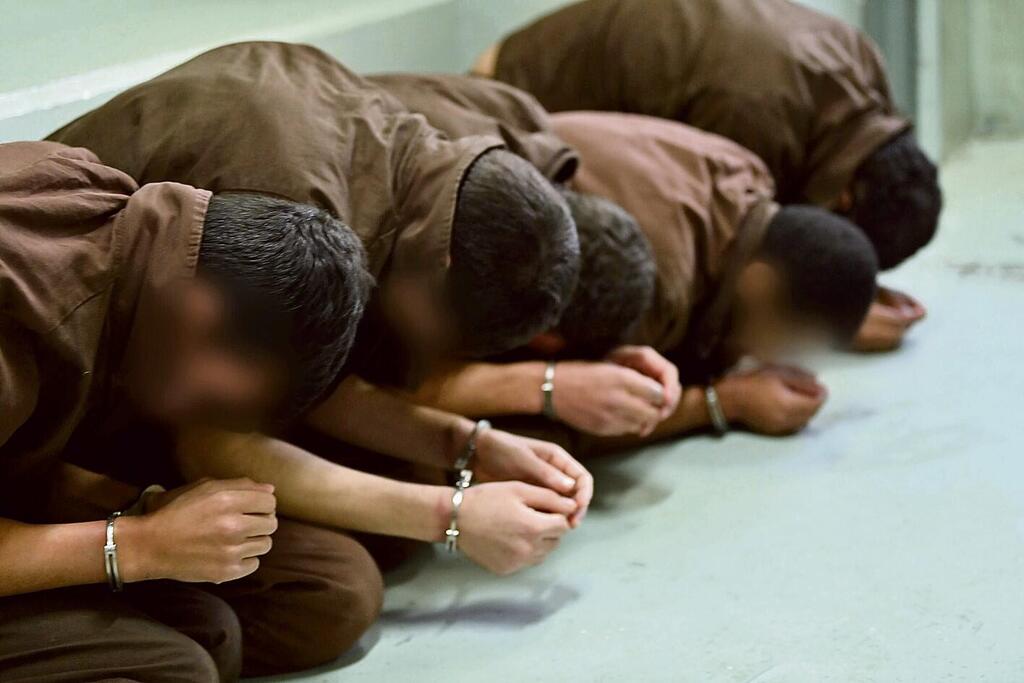
(Photo: Israel Prison Service)
“For most of them, their world froze on October 7,” adds a senior IPS officer. “Their awareness of what’s happening in Gaza is minimal.” One way they “stay informed” is through large posters covering their cell walls, depicting the devastation in Gaza under the caption “New Gaza.” Most people are unaware of the current month or the start of Ramadan.
All guards at the facility undergo psychological screening and special training to minimize contact with detainees. “Our goal,” the commander says, “is to prevent both violence and suicide—so they can eventually be brought to justice.”
Going forward, IPS intelligence will remain crucial, regardless of whether more terrorists are released in future deals. The agency’s operational insights, coupled with the understanding that war may end but the conflict will persist, mean that Israel’s prisons will continue to play a pivotal role in the broader security picture.
First published: 21:48, 07.14.25