

Nearly 10 years after his execution, the name Mahmoud Ishtiwi still circulates quietly in Gaza — spoken less as a memory than as a warning.
For opponents of Yahya Sinwar’s iron rule inside Hamas, Ishtiwi’s death in 2016 marked the moment when fear replaced factional bargaining, and when even the most loyal figures learned that status, family pedigree and battlefield credentials offered no protection.
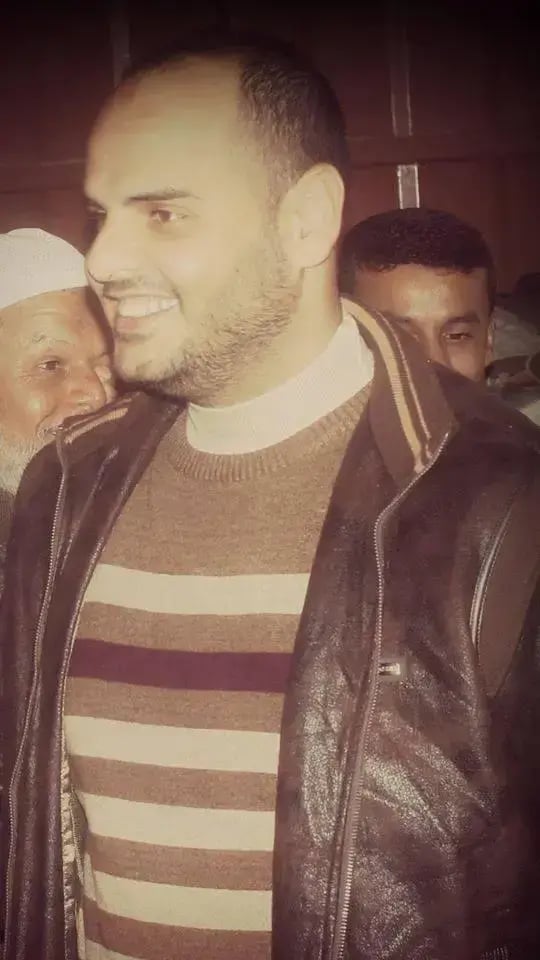
Executions inside Hamas were never rare. But Ishtiwi’s case was different.
He was not a minor operative or a suspected informant plucked from the margins. He was the commander of the Zeitoun Battalion, one of the most experienced units in Hamas’ armed wing, and a member of a family long considered part of the movement’s inner circle. Unlike others accused of “immoral” behavior or collaboration, he was held for more than a year, tortured extensively, and executed only after a prolonged internal struggle that exposed the shifting balance of power inside Hamas.
In retrospect, analysts and human rights investigators describe his killing as an early chapter in the internal purge that accompanied Sinwar’s rise — a purge that reshaped Hamas and foreshadowed the uncompromising leadership that later guided the group through its deadliest confrontation with Israel.
A commander from the movement’s core
Mahmoud Ishtiwi was born in 1982 and joined the Izzedine al-Qassam Brigades at the age of 19, following three of his five brothers into the organization. One brother was killed in an Israeli strike in 2003. Over the years, Ishtiwi advanced steadily, eventually becoming responsible for training fighters and commanding forces in Gaza City’s Zeitoun neighborhood.
During the 2014 war, Ishtiwi commanded roughly 1,000 fighters and oversaw a network of attack tunnels, according to relatives and Gaza-based observers. Israeli airstrikes destroyed his family’s apartment building and his second wife’s home. Despite those losses, he emerged from the war as a respected field commander.
His family’s standing within Hamas was unusually high. Relatives had sheltered senior leaders wanted by Israel over the years, including Mohammed Deif, the elusive commander-in-chief of the Qassam Brigades. Ishtiwi himself was married to two women and had three children, outwardly embodying the image of a committed Hamas insider.
Sinwar’s worldview and rise
The environment that sealed Ishtiwi’s fate was shaped by Yahya Sinwar, a figure feared within Hamas long before he became its dominant leader in Gaza.
Sinwar began his career in the mid-1980s as a founding member of al-Majd, a secretive group dedicated to enforcing moral discipline in Gaza. When Hamas was formally established in 1987, al-Majd became the internal security arm of its military wing. Sinwar’s early focus was on rooting out what he viewed as immorality — including homosexuality — before expanding into counterintelligence and the hunting of suspected collaborators.
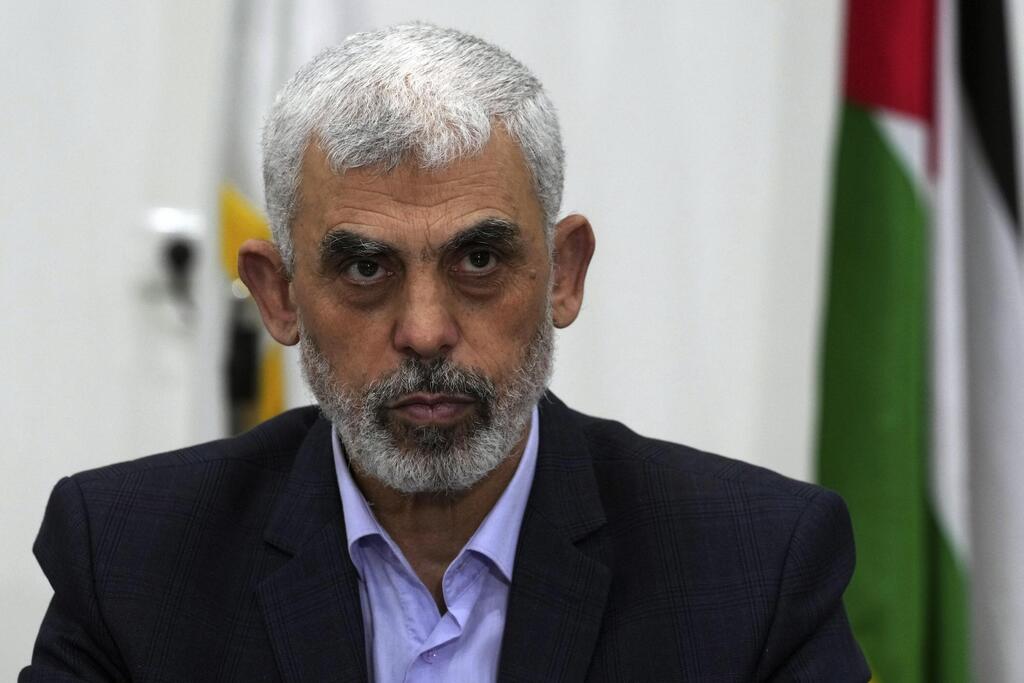
Yahya Sinwar
(Photo: Adel Hana, AP)
Arrested by Israel in 1989, Sinwar was sentenced to multiple life terms for killing alleged collaborators. Even in prison, fellow inmates later said, he maintained his role as an internal enforcer. He was released in 2011 as part of a prisoner exchange and returned to Gaza determined to reassert ideological discipline.
After the 2014 war, Sinwar emerged as the armed wing’s most powerful representative within Hamas’ political structure. Writers and insiders close to the movement said he believed Hamas had grown complacent and corrupt — too tolerant of dissent, failure and personal indulgence.
His answer was fear.
From debriefing to detention
On Jan. 21, 2015, Ishtiwi was summoned to what his family understood to be a routine postwar review by Qassam military intelligence. He never came home.
Relatives later learned he was being held in secret locations controlled by the armed wing. Initially, commanders told the family he was suspected of embezzling funds allocated to his unit. Ishtiwi admitted keeping some money, according to relatives — a confession that triggered a widening investigation.
Qassam officials soon accused him of sexual relations with men, described in official language as “behavioral and moral violations.” A man was produced who claimed to have had sex with Ishtiwi and provided dates and locations. Investigators concluded the missing funds may have been used either to pay for sex or to buy silence.
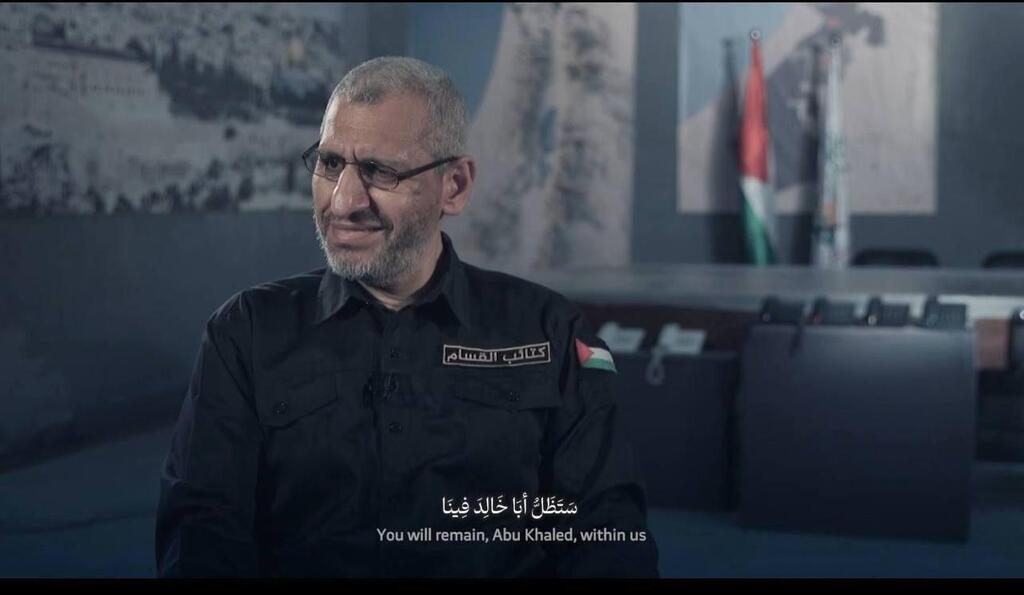
Mohammed Deif
At the same time, rumors spread that Ishtiwi had collaborated with Israel, including claims that he had provided intelligence linked to an August 2014 assassination attempt on Deif that killed Deif’s wife and infant son. No evidence ever emerged to support that claim, and relatives said commanders later acknowledged Ishtiwi had been cleared of both collaboration and embezzlement.
But under Sinwar’s tightening grip, clearance no longer meant release.
A year of torture
Human Rights Watch later documented Ishtiwi’s detention through interviews with relatives, photographs of his body and handwritten notes smuggled out during supervised visits.
Relatives said Ishtiwi was moved between secret detention sites, including Qassam-controlled apartments. They were allowed to see him about nine times over more than a year, often while blindfolded and escorted by armed guards.
Early visits showed a man already broken. Ishtiwi could barely stand. His wrists were swollen. He waited for guards’ approval before answering questions.
In later visits, he told relatives he had been tortured from the fourth day of his detention. He described being beaten for 20 hours at a time — sometimes 48 — suspended by his arms and legs, whipped by multiple men and deprived of sleep through loud music.
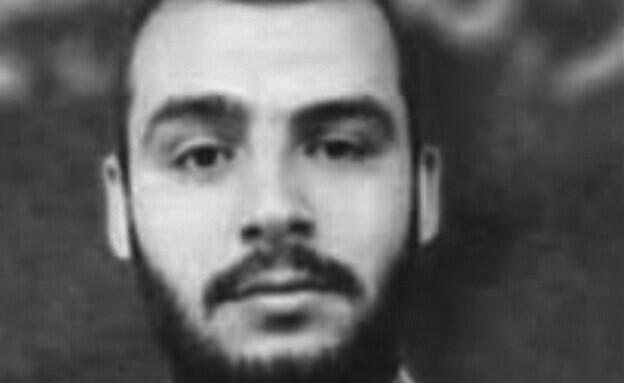
Mohammed Sinwar
In notes later recovered, Ishtiwi described being beaten hundreds of times and threatened with burial in an open grave. “This is your tomb,” interrogators told him, according to a family letter later found. “We will pour concrete until it reaches your mouth.”
In another passage, Ishtiwi wrote of Mohammed Sinwar, Yahya Sinwar’s younger brother and a senior commander, describing him as notorious for cruelty. “He almost buried me,” Ishtiwi wrote.
Relatives said Ishtiwi carved the word “zulum” — “wronged” — into his arms and legs with a sharp object, a final message in case he did not survive.
Appeals ignored
What made the case extraordinary was the family’s decision to challenge Hamas’ leadership openly.
Relatives met repeatedly with Ismail Haniyeh, then Hamas’ senior civilian leader in Gaza, informing him that Ishtiwi was being tortured and pleading for basic safeguards: formal charges, access to a lawyer and independent review.
According to relatives, Haniyeh denied torture was taking place and refused outside access, though he promised to speak with Qassam commanders. At one meeting, a senior Hamas political figure reportedly endorsed further beatings to extract the truth.
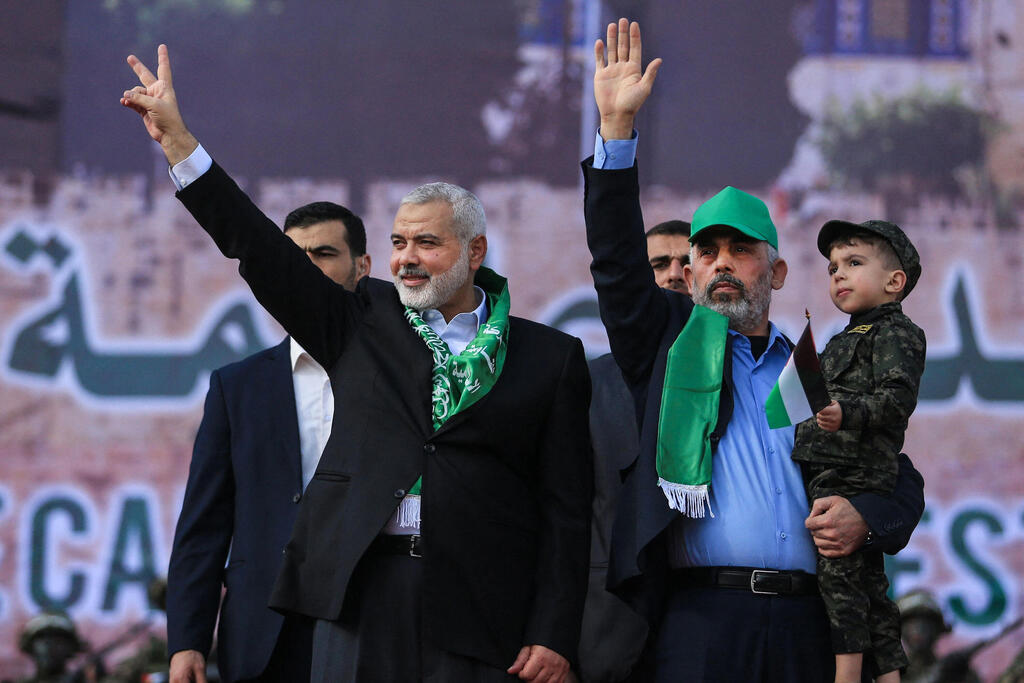
(Photo: MOHAMMED ABED / AFP)
In July 2015, dozens of relatives protested outside Haniyeh’s home — a rare act of public dissent. Police dispersed the protest and detained several participants.
In August, Ishtiwi told his family he would go on a hunger strike if not released. That month marked the last time they saw him alive.
His mother, ill with cancer, recorded a tearful video appeal to Deif, reminding him she had once sheltered him at great personal risk. “Free my son,” she pleaded. The appeal went unanswered.
Execution — and its meaning
On Feb. 7, 2016, after a late-night meeting with Qassam officials, the family believed Ishtiwi’s case was still under discussion. Hours later, they were informed he had been executed.
Authorities allowed them to view the body but denied requests for an autopsy. Photographs reviewed by Human Rights Watch showed three bullet wounds to the chest, bruises consistent with abuse and a severely emaciated body.
Relatives suspected Ishtiwi may have died from mistreatment or hunger before being shot. Human Rights Watch said it could not determine the exact cause of death.
The Qassam Brigades issued a brief statement confirming the execution, citing “behavioral and moral violations.” No further explanation was given.
From purge to war
Nearly a decade on, Ishtiwi’s execution is widely viewed as an early warning of the leadership style that would come to define Hamas under Sinwar — uncompromising, centralized and intolerant of dissent.
That same leadership later shaped Hamas’ conduct during the most recent Gaza war, which followed the Oct. 7 attack on Israel. Sinwar, widely described by Israel as the architect of the assault, went into hiding as fighting engulfed the territory. Mohammed Deif, long a symbol of Hamas’ military resilience, was later killed in an Israeli strike during the war. Sinwar himself was eventually killed by Israeli forces months later, ending a career defined by internal repression as much as external conflict.
For those who remember Mahmoud Ishtiwi, his fate now reads less like an anomaly than a prologue — the moment when Hamas’ internal order hardened, and when the movement’s future path, shaped by fear and absolute loyalty, became clear.