

For years, Effi Shkedi built his reputation by developing neighborhoods across Israel.
As founder, owner and active chairman of publicly traded Effi Capital, he oversees one of the country's larger residential developers, responsible for roughly 7,000 housing units and 150,000 square meters of commercial real estate. The company operates in more than 20 cities, from Tel Aviv and Jerusalem to Ashkelon, Kiryat Gat and Nahariya, and maintains its own construction arm that carries out many of its projects.
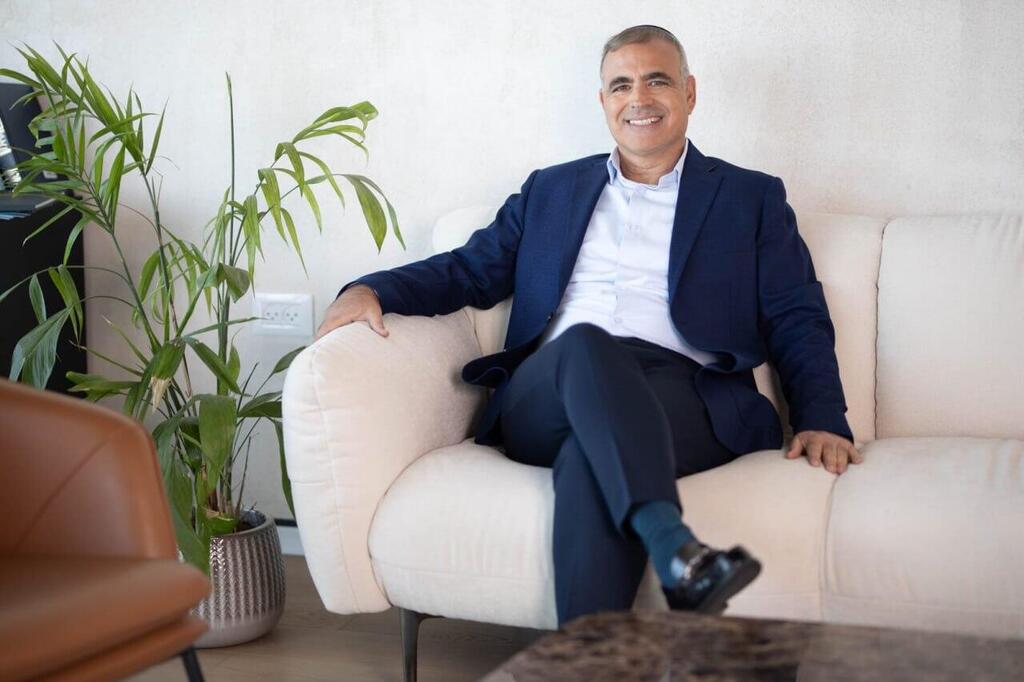
Today, however, Shkedi speaks less about real estate than about national responsibility.
The October 7 Hamas attack, he says, fundamentally altered the course of his life. What began as an emergency effort to supply soldiers fighting in southern Israel eventually led him into one of the country's most politically charged debates: the future of Haredi military service. Nearly three years later, much of his time is devoted to Anashim ("People"), an organization he founded to help ultra-Orthodox Israelis who are not engaged in full-time Torah study enlist in the Israel Defense Forces while maintaining their religious identity.
Shkedi says the turning point was not witnessing the aftermath of the October 7 attacks themselves, but a conversation several weeks later inside his office building. After spending weeks driving supplies to soldiers and commanders in the south, he encountered a Haredi businessman discussing a real estate investment as though nothing extraordinary had happened. When Shkedi expressed disbelief, the man answered that the war simply did not feel personal. He knew no hostages, no soldiers serving in Gaza and no one directly affected by the attacks. "For me," the man told him, "it's a distant story."
The conversation, Shkedi recalls, left him shaken. If someone active in business and integrated into Israeli society could still feel detached from the country's defining national crisis, he wondered how much wider the disconnect had become inside the Haredi community. "That sentence has stayed with me ever since," he says. "I realized I had to do something."
Rather than launching immediately into activism, Shkedi approached the issue the same way he says he approaches any major business venture. After persuading the IDF to accept him into reserve service at the age of 49, he spent months meeting military commanders, Defense Ministry officials, educators and experts who had spent years studying Haredi enlistment. Instead of beginning with ideology, he began with research.
"I treated it like a business," he says. "In business I sell apartments. Here I needed to understand people."
That process eventually became Anashim, an organization established in 2025 that aims to bridge the gap between the military and a specific population within the Haredi community: men who are no longer studying Torah full time and are already seeking employment or preparing to enter the workforce. Shkedi is careful to distinguish this group from full-time yeshiva students, whom he says he has no interest in recruiting. Instead, he argues that thousands of Haredi men already want to integrate into Israeli society but need a framework that respects their religious lifestyle while providing a path toward military service and long-term careers.
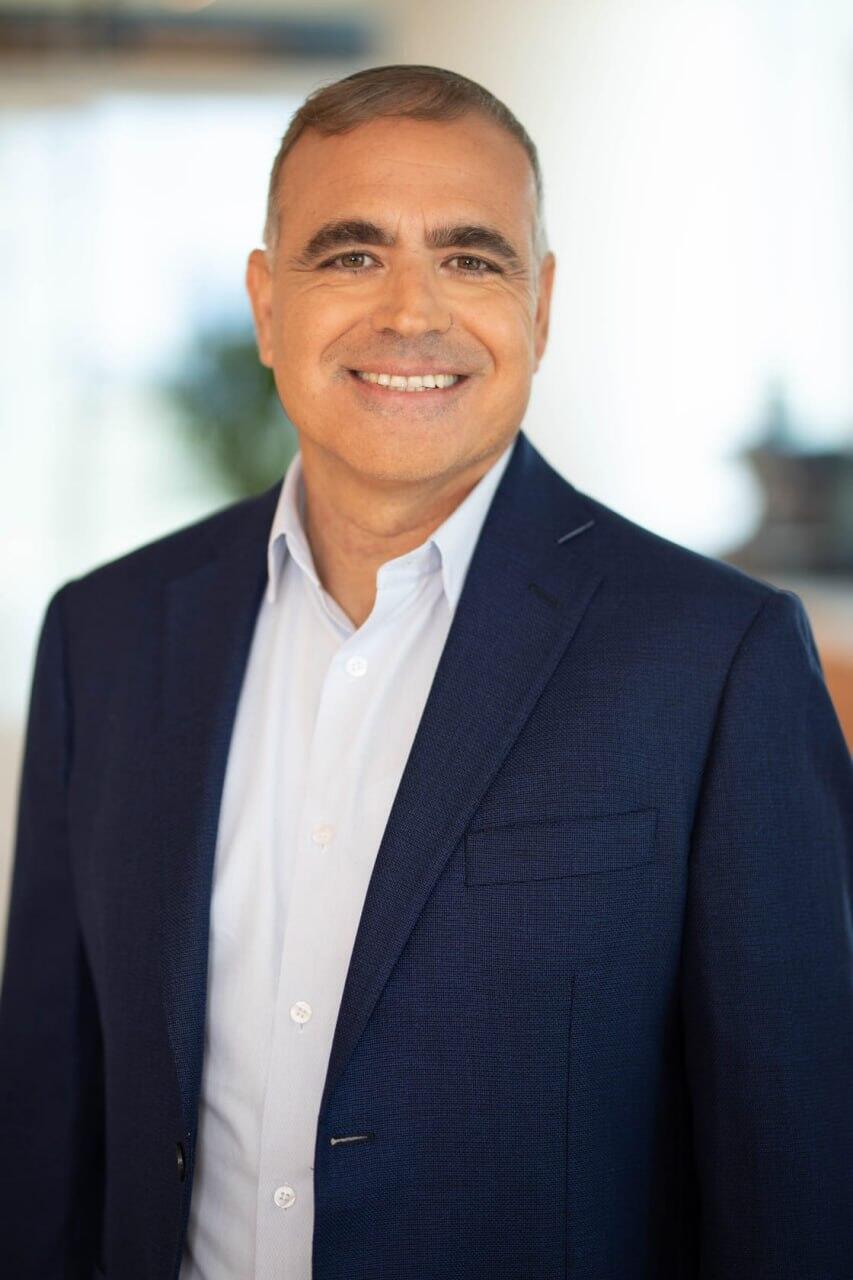
Effi Shkedi
(Photo: Ohad Dayan)
According to the organization's first annual report, 2025 was devoted to transforming that vision into an operational model. Anashim assembled professional teams, established partnerships with the IDF, Defense Ministry, educators and civil society organizations, and began coordinating initiatives that had previously been scattered among multiple agencies. One of its primary focuses has been expanding Haredi Hesder yeshivot, which combine Torah study with military service and eventually higher education and employment. The organization describes its mission as helping integrate Haredim who are not engaged in full-time Torah study into military service "while respecting their way of life" and strengthening Israel through shared national responsibility.
Rather than relying on slogans, Shkedi says the initiative is built around measurable outcomes. The organization tracks enlistment figures, monitors recruitment channels and evaluates progress annually. "We don't deal in discussions," he says. "We deal in numbers. Every year we check what worked, what didn't work, and whether we're actually creating change."
Away from his public work, Shkedi's life remains deeply rooted in the Haredi community. Married and the father of five children, with two married daughters and two grandchildren, he continues to divide his time between running one of Israel's largest real estate companies and what he describes as his lifelong commitment to Torah study. He rejects the notion that religious devotion and national service are inherently at odds, arguing instead that Israel's future depends on finding ways to preserve both.
That philosophy has also shaped his own family. Rather than instructing his children what path to take, he says he has tried to lead by example. One of his daughters, who was educated in the Haredi school system, chose to complete Israel's national service voluntarily. "Leadership isn't telling people what they should do," he says. "Leadership is setting a personal example."
Asked how he hopes to be remembered, Shkedi quietly dismisses the idea of personal legacy. "I don't believe in legacy," he says. "Most people won't be remembered beyond their immediate family." Instead, he says the value that has guided him since childhood is giving. Building a successful company, he explains, was never an end in itself but a means to create opportunities to contribute.
He often returns to the Hebrew word venatnu — "and they shall give" — which reads the same forward and backward, symbolizing his belief that generosity ultimately benefits both the giver and the recipient.
If, in a few years, organizations like Anashim are no longer necessary because military service has become a natural pathway for Haredim who are not studying full time, he says he would consider that his greatest achievement. "We came into this world to do good," Shkedi says. "Every person has to discover where they can make a difference."