

For years, wine was an almost automatic part of a meal, a night out with friends or an office gathering. Now the world around it is changing. Young people are drinking less alcohol, consumers are tightening their belts, restaurants and the events industry are still dealing with the effects of the war, and Israel’s high-tech sector, once a major engine of happy-hour culture, is not operating as it once did.
The impact is being felt clearly at wineries: fewer bottles are being sold, more consumers are looking for lower prices and some warehouses are filling with inventory that is increasingly difficult to move. Even ahead of Rosh Hashanah, traditionally a seasonal peak for wine sales, wineries are seeing weaker demand for holiday gift packages.
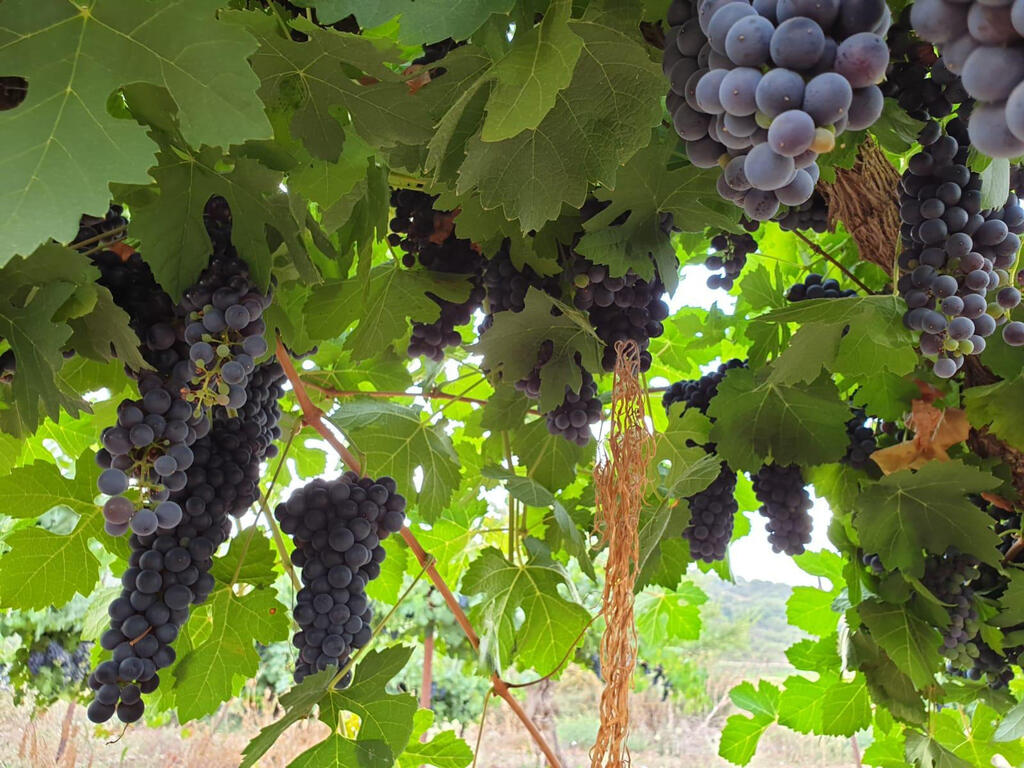
“This is no longer just a market fluctuation. It is a symptom of a cultural, economic and health shift, and of something deeper, a change in the human experience of spending time together,” says Haim Gan, an expert on the Israeli and global wine markets and owner of Ish Ha’anavim, the Grape Man wine culture center.
Gan says consumers are increasingly focused on health and well-being, while younger drinkers in particular are choosing less alcohol. This does not necessarily mean complete abstinence, but rather new alternatives emerging as part of a generational and cultural shift. Major wine exhibitions are featuring more alcohol-free and low-alcohol brands.
At the same time, global production is increasingly affected by extreme weather, creating greater volatility between vintages and making supply less stable. Combined with warming temperatures, that helps explain why red wine, particularly heavier, full-bodied reds, increasingly has to justify its place, and not only among younger consumers. In France, where wine is almost a native language, the industry is already speaking in terms of an existential shift. It is becoming clear that this is not merely a passing fashion, but a new vocabulary and a change of direction.
“We live in a lifestyle-driven world where people constantly monitor their workouts, body temperature and sleep on their wrists,” Gan says. “In several major markets, the discussion is no longer only about declining consumption, but about wine’s difficulty in winning over younger palates compared with other categories. When young people do not enter the wine market, even if quality improves, the market contracts.”
‘Young people prefer protein’
Ilan Hasson, owner of the Five Stones boutique winery and the Masada Group, which imports wine and alcoholic beverages to Israel, is equally candid about the decline in wine and alcohol consumption in Israel and abroad.
“Our winery CEO, Or Ohayon, has just returned from a customer tour in the United States, and people are drinking less wine there as well,” Hasson says. “I can’t point to one exact reason, but what we mainly see is that people are looking for cheaper brands and want to spend less on a bottle.”
Or have they simply switched to protein drinks instead of Cabernet and Sauvignon?
“Yes. People say it’s because young people prefer protein, and maybe there is something to that, though I don’t know how thoroughly it has been tested statistically. But if wine or alcohol was once a way to get a buzz, young people today have found other ways. Price also affects consumption.
"It’s no secret that life in Israel is relatively expensive, and that applies to both Israeli and imported wine, so people are looking for alternatives. Fortunately, our winery has a loyal customer base, and by reaching it directly and thinking outside the box, we have managed to maintain our sales and production levels.”
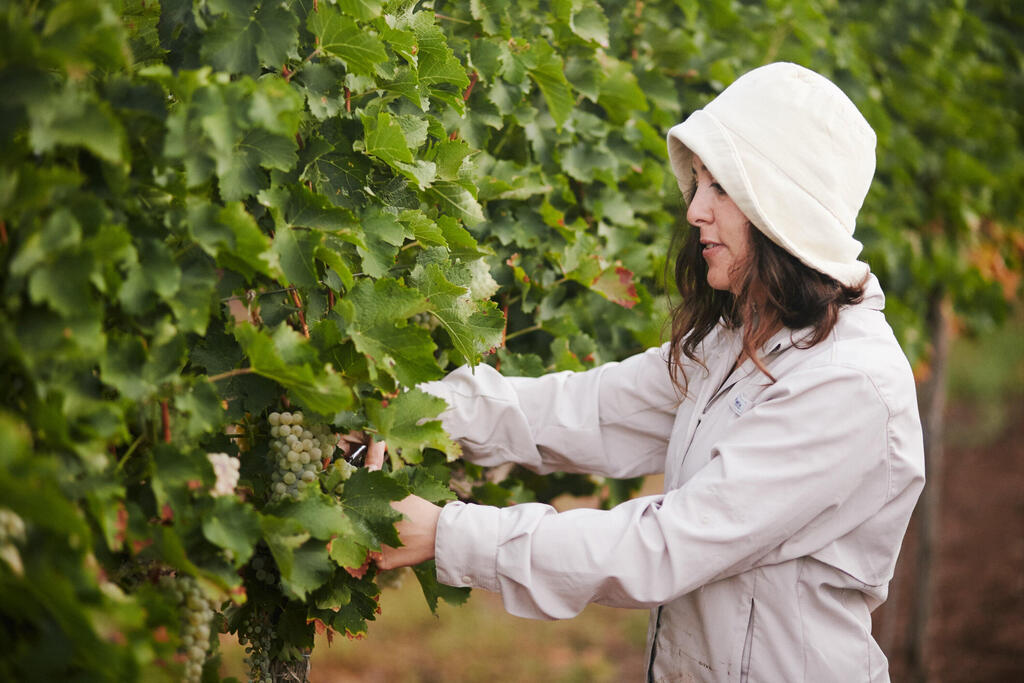
Tabor Winery’s ecological vineyards
(Photo: Liron Harel)
Do you see local wineries that are unable to maintain sales?
“Definitely. You see it at boutique wineries and medium-sized wineries, and you see wine producers offering bottles at prices you know cannot be profitable. That clearly reflects inventory planning that created quantities they can no longer sell at the higher prices.”
What can be done?
“In a properly functioning country, the Economy and Agriculture ministries would join us in encouraging consumption and helping save the industry, as happens in many countries where governments support wineries with marketing budgets and export assistance. That doesn’t happen here. Foreign exchange is also hurting us dramatically. If two years ago a winery exported a bottle at a certain price in shekels, today we are getting 20% less because of the exchange rate. When the U.S. market is your main market and Trump has added a 15% tariff, you are already down 35% compared with two years ago. That has a dramatic effect. The state should have stepped in, but it hasn’t.”
So what are you doing?
“We’re going out into the field more, holding wine events, meeting more customers and encouraging promotions and sales to put the focus on our winery and on the Israeli wine industry compared with other countries. We are also trying to expose as many people as possible, especially young people, to the winery itself. There is no doubt that the visitor-center phenomenon that developed here during COVID is helping compensate for the decline in wine consumption at home or in wine bars.”
Wine bars keep opening. How do you explain the paradox?
“Wine bars are opening in what would once have been defined as wine shops, because they need to create another economic growth engine for the point of sale. If a wine shop used to sell 100 bottles and now sells 70, it looks for a way to make up the missing 30 by serving wine on site at retail prices with a very low corkage fee.”
Restaurant consumption is another issue because of the war.
“Restaurants also stopped operating during COVID, but back then we were sitting at home in a mood that encouraged more cooking, and wine became the perfect accompanying product and began arriving at people’s doors by delivery. But during a war, when people are running to shelters, wine is not the obvious product. If we get some quiet and tourists return before the end of the year, it will be significant, because tourists consume more than Israeli customers,” Hasson says.
Vineyards left unharvested
There are other factors behind the downturn: younger generations socialize differently, instability in the high-tech sector over the past year has meant fewer company happy hours and fewer gift deliveries to employees, and young people are less inclined to sit over expensive bottles of wine and spirits, preferring cheaper forms of entertainment. Then there are the stocks piling up in winery warehouses because the war has sharply reduced the number of events in recent years.

Moti Teperberg
(Photo: Teperberg PR)
“After COVID, Israel immediately went into a state of war. Activity at event halls dropped sharply, and as a result, wine that had already been sold to those venues was not consumed. That meant the halls did not buy additional bottles from wineries,” says Gil Doron, owner of HaYogev 8 Winery.
“The market for inexpensive wines effectively disappeared in recent years. Beyond that, the market for more expensive wines sold to restaurants also shrank because there are no tourists here. When a tourist comes to Israel for a week, he goes to a restaurant every evening and orders at least one bottle of wine for the table. In a week, he consumes at least five bottles. That has not existed in Israel for three years.”
The situation is pushing buyers toward lower prices. Event halls, restaurants and bars increasingly look for bottles that, including delivery, cost around 30 shekels. Israeli wineries cannot compete at those prices, so importers are bringing in reasonably good wines at lower prices from Italy, Spain and France.
The pressure is so severe that some large Israeli wineries have decided not to produce wine this year. They are leaving grapes on the vines and not harvesting them, choosing not to deepen losses after becoming stuck with lower-priced wines originally intended for weddings and other events that never took place.
“Wine imports to Israel, particularly from Europe, have indeed become very intensive,” Gan says. “Israeli wine looks very expensive on the shelf because an Israeli boutique bottle might cost 120 to 130 shekels, around 40 euros, while imported wines are priced much lower. The decline in consumption is not only local, it is global, and Europe is also stuck with wine stocks it needs to sell.”
“But the industry there is subsidized and supported by governments that assist exports. So is it any wonder we are seeing an inflation of European wines in Israeli restaurants at the expense of Israeli wines and wineries, which have been living through war for three years?”
Gan adds: “You also cannot ignore the fact that the war has led many people around the world to stop drinking Israeli wine and to look at Israeli bottles differently. Right now, we are a pariah state in the world. Wine exhibitions and fairs are showing less interest in Israeli wines, not because of the price, but because of the political situation.”
Yael Guy: “No one talks or writes openly about the growth of the Muslim population, but it is whispered about in industry conversations. And it is not only in Europe but also in the United States. Fewer people are drinking wine”
And what about event halls stuck with stock?
“That definitely hurts wineries,” Gan says. “If an event hall that already buys wine very cheaply is sitting on, say, six pallets, it will first work through them at the events it does have and will not buy more wine from wineries. The wineries then experience fewer sales. The entire food chain is affected.”
Gan says the crisis also presents an opportunity for Israel’s wine industry to rethink pricing, production costs, regulation, branding and, above all, wine education, which he says remains badly underdeveloped.
“It is time we finally started educating people in Israel about Israeli wine. Has the Grape and Wine Council ever carried out one major campaign encompassing all Israeli wineries? Millions are poured into press conferences. What about a campaign showing the growers, the 30,000 families who make a respectable living from this industry? Why doesn’t the state wake up and understand that this is a product that brings tourism to Israel and uses relatively little water? Where are you, Agriculture Ministry, Economy Ministry, Tourism Ministry?”
Looking for cheap wine
“The Israeli market is getting smaller because young people consume less wine and there are no tourists, and all of that is pushing the market toward promotions,” Doron says.
“What used to be three bottles for 100 shekels has become five for 100, meaning 20 shekels a bottle for the consumer. That means the supermarket paid no more than 12 shekels, and that barely covers the cost of the grapes. In other words, somebody is selling wine at a loss.”
Why? “Because some wineries are sitting on four years’ worth of inventory. Sales have fallen since COVID and the war, and they have to sell that stock. The first thing they do is reduce production, which means we are seeing wineries no longer buying all the grapes produced by the vineyards.”
“This year, many growers who once sold directly to wineries are looking to sell grapes on the open market to anyone willing to buy. You see advertisements on growers’ sites saying, ‘I have 10 dunams of these grapes and 15 dunams of those grapes that will be ready for harvest in a week.’”
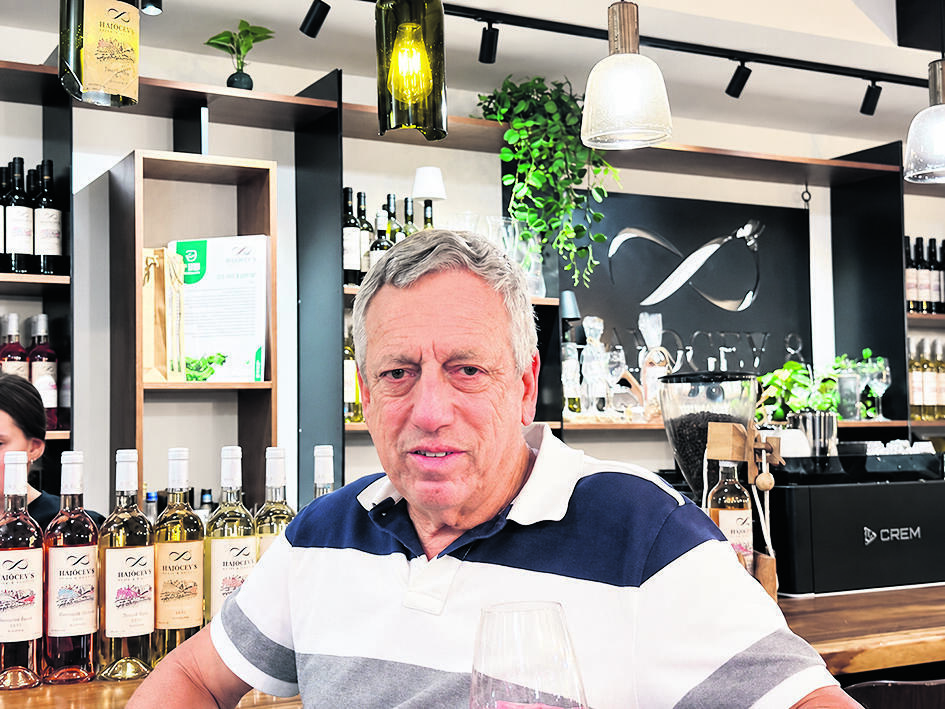
Gil Doron
(Photo: Courtesy)
And when they cannot sell them?
“Then they leave them to dry on the vines. There are also growers in Israel already talking about uprooting vineyards, and that is a major crisis.”
Doron says understanding the economics of a winery helps explain why the situation is so difficult. Planting one dunam of vineyard, about a quarter acre, costs around 20,000 shekels. Under Jewish agricultural law, grapes cannot be harvested for wine during the first three years. Throughout that period, growers must irrigate, fertilize and tend the vines, while any fruit is cut off and discarded.
“Only in the fourth year do you harvest the grapes and make wine. Red wine then spends 12 or 18 months in barrels and later more time in bottles. So the first bottle I sell from a vineyard I planted may come six years after I invested in it. And where is all the investment in the vineyard and the work?”
He says seedlings have also become more expensive. “In France, they sell me a grapevine seedling for one euro. Here it costs between 16 and 18 shekels, 450% more, and then people ask why I can’t sell wine for five euros. Why? Because the costs for boutique wineries reach 40 to 45 shekels per bottle before kosher certification and before VAT. That is my base cost before I have made a single shekel.”
Haim Gan, Ish Ha’anavim: “You cannot ignore the fact that the war has led many people around the world to stop drinking Israeli wine and look at Israeli bottles differently. Right now, we are a pariah state in the world. Exhibitions and fairs are less interested in Israeli wines because of the political situation”
So you would not recommend that romantics dreaming of opening a winery go into the business?
“Every week someone sits at my bar and tells me, ‘My dream is to make wine.’ That’s wonderful, as long as you make one barrel, a few bottles and hand them out to family and friends.”
“The problem starts when people fall in love with the idea and begin producing thousands of bottles. Then they make investments without understanding the economics, how much it costs, how to market it, who will buy it, what the Health Ministry license involves and what about land administration, permitted land use and taxes?”
“It is different in Europe, where the state gives you grants. When I built my winery, I received no support from any government body. I only received a bill for land fees. Anyone thinking of opening a winery today is crazy and has no economic justification for doing so.”
“There is no doubt the industry will go through a shake-up in the coming years. We are already seeing wineries closing and growers stopping production. I know at least four wineries in Israel, and I won’t name them, that decided not to make wine this year and instead only sell the bottles they already have in stock,” Doron says.

Haim Gan, Ish Ha’anavim
(Photo: Courtesy)
‘The government only talks’
“This year, we actually had a shortage of red grapes, and the surpluses held by large and medium-sized wineries made large quantities of grapes available for us to buy,” says Moti Teperberg of Teperberg Winery. “That tells us something about the years ahead and the possibility of another surplus of wine inventory in the local market because of excessive vineyard planting by wineries that did not correctly calculate consumption.”
Why only in the years ahead? We already know there is a grape surplus this year. You needed grapes and clearly found people willing to sell.
“True, but at least in Israel there are currently buyers for those grapes. What concerns me more is wine imports. I see more and more large and medium-sized wineries getting into imported wine, which points to what we already know: grapes abroad are much cheaper than in Israel, and that encourages wineries and importers to flood the market.”
“What also concerns me is the quality of some of the wine reaching Israeli consumers, without real oversight or standards. It is wine with no mother or father. People will buy those cheap wines once and then not buy them again.”
But when imported wine costs 30 or 40 shekels, price matters.
“There are also Israeli wines that cost 30 to 40 shekels. The price depends on the source of the grapes, growing methods and winemaking. But there are cases where an imported wine priced at seven euros is not even worth two euros. And then what? You flood the market and hurt Israeli growers. For what?”
“Wine is a baby. It needs a mother and a father. The house that wine comes from matters,” says Teperberg, who is marking 50 years in the wine industry at the winery, Israel’s third largest, whose roots date back to 1870.

Ilan Hasson, Five Stones Winery
(Photo: Courtesy)
Still, Israeli wines are very expensive compared with the range of imported wines. “Because everything in Israel is expensive. Isn’t milk expensive? Aren’t cheese and rent expensive? The government says it will fight the cost of living, but that’s bullshit. They only know how to talk and load more and more payments on us, while taxes keep going up.”
“You can’t have everything rising, water, electricity, municipal taxes, fuel. The growers tell us fertilizer prices have risen and land costs have risen. Who finances that? Where do you expect us to cut prices? And the government? It just talks instead of asking where it can actually begin reducing the cost of living. I can make slogans too. My soul is rooted in this industry. I’m completing 50 years in it, and it hurts me to see how things are being handled.”
Ilan Hasson, Five Stones Winery: “In a properly functioning country, the Economy and Agriculture ministries would be joining us to encourage consumption and save the industry. Foreign exchange and Trump’s tariff are also having a dramatic impact”
Fewer holiday gift packages
On the eve of Rosh Hashanah, the broader trend is also affecting holiday wine sales. Gan says 40% of wine sales in Israel take place around Rosh Hashanah and Passover, and this year sales are declining.
Part of that, he says, reflects high-tech companies giving fewer expensive gifts and holding fewer events. Another factor is the oversupply of cheaper wines still sitting in distribution channels, which are being bought as holiday gifts instead of boutique bottles or premium ranges from local wineries.
Shaked, however, insists business remains broadly normal. Tal Shaked, marketing director at Shaked, which imports a range of wine brands and owns the Derech Hayayin wine-store chain, recognizes the broader decline in wine consumption but says holiday gift package sales have not fallen significantly.
“Because of greater health awareness, people eat and drink less, and when they do consume, they choose higher-quality products,” Shaked says. He also points to the growing trend toward zero-alcohol wines.
“Alcohol-free wine has about a third of the calories, and the category is growing by around 10% a year and has reached a market of two billion euros in Europe.”
Are you seeing a decline in holiday wine package sales this year?
“We are seeing a small decline in the volume of wine sold for the holiday, but not a decline in revenue.”
How does that make sense?
The whole industry is talking about declining wine consumption. “When it comes to holiday packages for employees of high-tech companies, banks and so on, those deals are arranged in advance. Right now, we are seeing an average holiday season, even though the holiday came early and is close to the back-to-school period, when people are less focused on gifts. But when it comes to holiday packages, we are meeting our forecasts.”
Still, a 30 shekel bottle from Europe leaves an 80 shekel Israeli bottle sitting in the warehouse, and that is what producers are talking about.
“If you shop at Shufersal or Rami Levy, or stay at an Isrotel or Dan hotel, kosher certification is important. A large share of the imports coming into Israel is not kosher, although it gives Israeli consumers more options. And by the way, there are also Israeli wines at low prices. It isn’t only imported wine,” Shaked says.
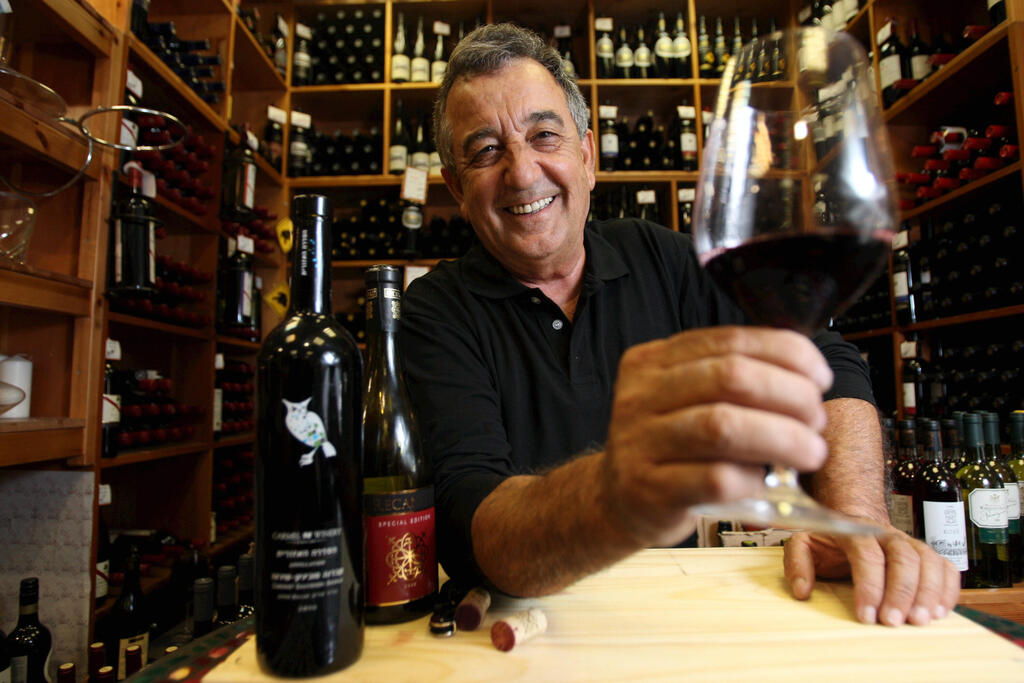
Tal Shaked
(Photo: Amit Magal)
Boycott of Israel
Israeli wine exporters, particularly those selling into Europe, are being hit both by the global decline in wine consumption and by boycotts or restrictions targeting Israeli products.
According to Yael Guy, export manager for Golan Heights Winery and Galil Mountain Winery in Europe, Asia and Latin America, the consumption crisis is being felt strongly alongside a changing attitude toward Israeli products, including wine.
“We are facing a difficult situation in European markets,” she says. “In 2024, Finland announced that it was removing all Israeli wines from its selection. They hid it behind claims of low demand and weaker sales, but that is bullshit.”
“In addition, official sanctions are supposed to come into force in the Netherlands banning the import and sale of wines from the territories and the Golan Heights. They have gone even further by restricting Israeli wines from advertising on importers’ websites and appearing at exhibitions. There is a similar trend in Ireland, Britain and Spain. We have already seen stickers saying ‘child killers in Gaza’ placed on Israeli wine bottles.”
“We discussed this with the Economy Ministry because what is happening in the Netherlands, for example, does not only affect wine. It also affects date growers and other food products exported to Europe.”
Gil Doron, HaYogev 8 Winery: “When a tourist comes to Israel for a week, he goes to a restaurant every evening and orders at least one bottle of wine for the table. In a week, he consumes at least five bottles. That has not existed in Israel for three years”
That is the painful Israeli part. What about the broader decline in wine consumption worldwide?
“The whole world is seeing declining alcohol consumption among younger generations, and on top of that there is a glut of wine in global markets,” Guy says.
“Immediately after COVID, there was a major boom in wine and gastronomy around the world. We produced and exported to Europe and Latin America, and markets became flooded. Beginning in 2023 and continuing through 2024 and 2025, markets began feeling a shift in the alcohol and wine category, and importers were left with inventories they needed to sell.”
“In Europe, the war between Russia and Ukraine also created economic problems, and middle-class consumers are reconsidering their spending habits.”
Guy raises another factor she says is discussed privately within the industry: the growth of Muslim populations in some markets.
“No one talks or writes about it openly, but it is whispered about in industry conversations. And it is not only in Europe but also in the United States. Fewer people are drinking wine.”
There is another important factor, the age of loneliness and touchscreens. People simply meet less often. “When fewer people eat together, fewer bottles are opened. Wine is not only a drink. It is a ritual,” Gan says.
He argues that despite the global trends, Israel still has a strong culture of shared meals, family, friends and community, something that could provide the local industry with a comparative advantage. “In Israel, we also have to understand that our strength is our local cuisine: spicy food, salads, the sea, the grill. Israeli wine has to stop imitating some imaginary European dining table and start making wine for the real Israeli table.”
“The world is drinking less wine, but it has not stopped looking for meaning. If we know how to read this period not through fear but through attentiveness, perhaps we can turn the global crisis into an opportunity,” he concludes.
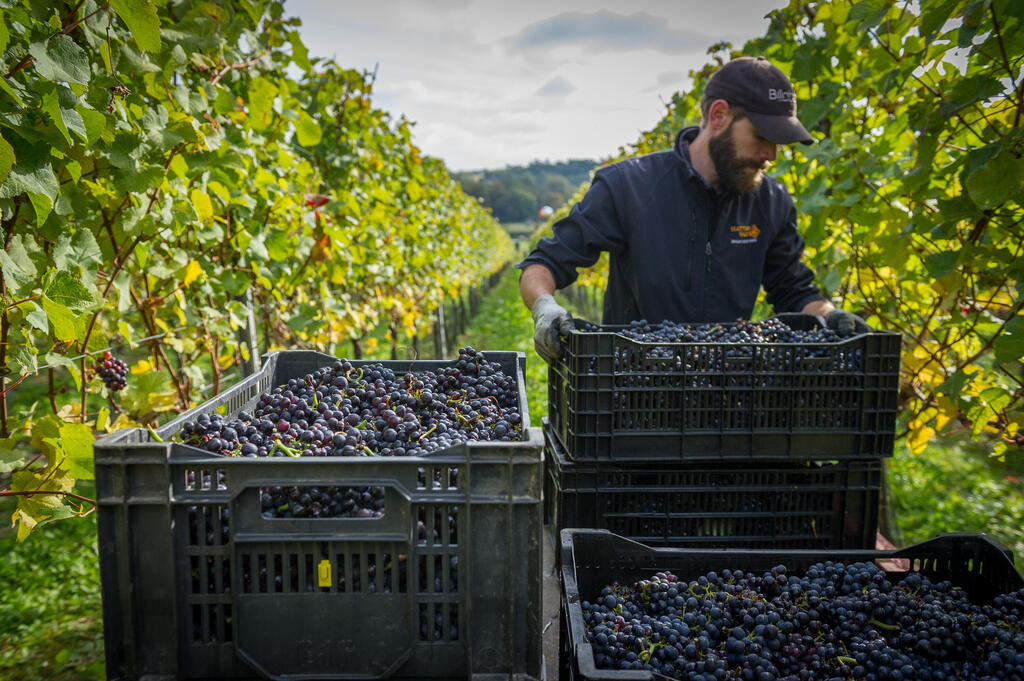
Grape harvest in France’s Champagne region
(Photo: PR)
What is happening around the world?
France is offering grants to uproot vineyards, Italy is cutting support for producers and in South America wine sells wholesale for less than one euro a bottle as the global industry wrestles with falling consumption and oversupply
Global wine consumption in 2024 was estimated at around 214 million hectoliters, down 3.3% from 2023 and marking its lowest level since 1961. The downward trend continued in 2025 and into 2026.
In the United States, wine consumption has fallen by more than 15%, while production declined by 6% last year. The drop has been particularly pronounced among consumers aged 20 to 35, who are increasingly turning to alcohol-free drinks.
The decline follows decades in which wealthy companies and investors bought wineries for romantic reasons and planted large vineyard areas, creating an oversupply of grapes for which there are now fewer buyers.
The result has been vineyards being uprooted and bulk wine sold in huge quantities to marketing companies producing private-label brands. Costco, for example, can sell its own-label wine for $3 to $5 a bottle after acquiring bulk wine at extremely low prices, in some cases for less than $1 per liter.
The wineries squeezed hardest are often mid-sized producers that previously sold bottles for around $12 and are now scaling back, selling assets and uprooting vineyards and equipment.
France is facing an equally severe crisis. Excess vineyard acreage has pushed wine prices sharply lower, with bottles selling in European supermarkets for as little as five euros. Profit margins for wineries have been squeezed, and the French government has allocated hundreds of millions of euros to programs that pay growers to uproot vineyards.
Italy, meanwhile, has moved to reduce support for wine producers as it seeks to shrink the industry.
China has planted thousands of additional dunams of vineyards in recent years to serve its domestic market, against the backdrop of trade disputes affecting major wine imports from Australia and New Zealand.
South America is also facing a deep crisis, with the average bottle of wine selling wholesale for less than one euro.