

There is a good chance that someone who grew up in the West in the 1990s or early 2000s could not have pointed to Tibet on a map, but knew two words perfectly well: “Free Tibet.” The slogan appeared on T-shirts, bumper stickers and protest signs. Tibetan flags flew at music festivals and university campuses.
Richard Gere repeatedly spoke about Chinese rule in Tibet, famously using an appearance at the 1993 Academy Awards to draw attention to the issue. Martin Scorsese directed Kundun. Brad Pitt starred in Seven Years in Tibet. Some of the world's biggest musicians performed at benefit concerts devoted to the Tibetan cause.
Gallery
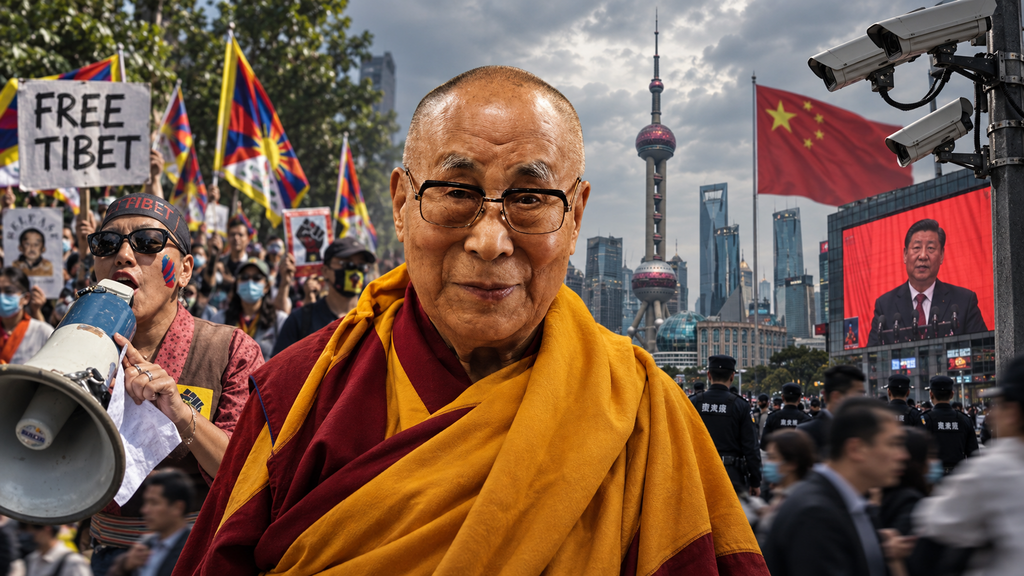
Dalai Lama
(Photo: REUTERS/Priyanshu Singh, AP Photo/Shonal Ganguly, Reuters / Aly Song, Reuters / Carlos Garcia Rawlins)
In 1996, roughly 100,000 people packed San Francisco’s Golden Gate Park for the first Tibetan Freedom Concert, organized by Beastie Boys member Adam Yauch. The lineup included, among others, the Beastie Boys, Björk, Rage Against the Machine, Smashing Pumpkins, Foo Fighters, and A Tribe Called Quest.
The event raised about $800,000 and More concerts followed in New York, Washington and elsewhere. For a time, Tibet was one of the most recognizable human rights causes in Western popular culture.
Today, it is hard to imagine a similar event. Not because the Tibet issue has been resolved, or because Beijing’s policies there have become more liberal. Quite the opposite: human rights groups say China has steadily tightened its political, religious and cultural control over the region in recent years. Freedom House, the U.S.-based watchdog that tracks democracy and civil liberties worldwide, gave Tibet a score of 0 out of 100 in its 2026 report.
And yet “Free Tibet” has all but disappeared from Western culture. There are no massive benefit concerts, no major Hollywood films about Chinese rule in Tibet and almost no global superstars making the cause part of their public identity. In the competition for the world’s attention, one of the defining protest movements of the 1990s has simply faded from view. The question is why.
A cause that was easy to understand
The roots of the conflict, of course, predate the T-shirts and rock concerts by decades. Chinese Communist forces took control of Tibet in the early 1950s, an episode Beijing still describes as a “peaceful liberation,” while Tibetan exiles and human rights activists characterize it as an occupation.
In 1959, an uprising erupted in the Tibetan capital, Lhasa, as residents launched an armed revolt against rule by the People’s Republic of China. Chinese forces crushed the rebellion, and the 14th Dalai Lama, the spiritual leader of Tibetan Buddhism, fled to India, where he has lived ever since.
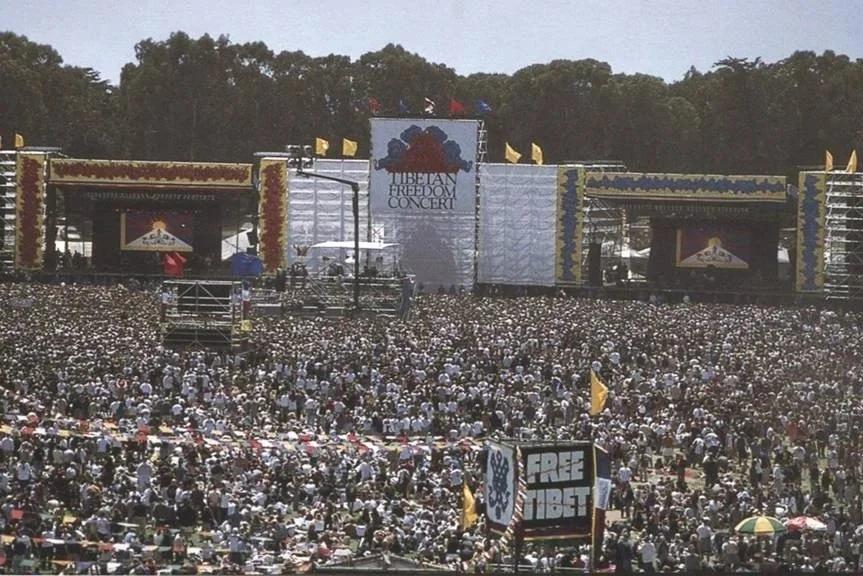
The massive 1996 concert for Tibet. The slogan was simpler than the politics behind it
(Photo: freedomneedsasoundtrack.com)
But it was only decades later that Tibet became a Western cultural phenomenon. The Dalai Lama’s 1989 Nobel Peace Prize helped propel the cause into the mainstream, as did his own image: a smiling, charismatic Buddhist monk preaching nonviolence, set against a vast and heavily armed Communist state. For Western audiences at the end of the Cold War, it was a story that lent itself easily to a slogan.
The political nuances did little to blunt its appeal. “Free Tibet” sounded like a call for independence, but the Dalai Lama and the Tibetan leadership in exile had already adopted a different position. Their “Middle Way” does not seek an independent Tibetan state, but genuine autonomy within the People’s Republic of China, allowing Tibetans greater control over their religion, culture and education. The slogan, in other words, was simpler than the politics behind it. And it worked.
The 1990s were also a time when supporting Tibet carried little cost for a Western celebrity. China was already a large and important country, but it had not yet become the economic powerhouse that few international companies could afford to ignore.
In 1997, Hollywood released three films that infuriated Beijing: Seven Years in Tibet, Kundun and Red Corner. The first two dealt directly with Tibet and the Dalai Lama, while Red Corner offered a bleak portrayal of China’s legal system.
In response, China temporarily barred the studios behind the films from doing business in the country. Nearly three decades later, that period would be difficult to repeat.
Then the balance of power changed
China in the late 1990s was not the China that emerged in the decades that followed. It joined the World Trade Organization in 2001, its economy surged, hundreds of millions of Chinese entered the middle class, and the country’s movie market became a prize the world’s biggest entertainment companies were reluctant to lose. Hollywood learned quickly that politically sensitive content could have commercial consequences.
Richard Gere, perhaps the Hollywood star most closely associated with the Tibetan cause, said in 2017 that Chinese opposition had kept him from appearing in certain films and that he had been told explicitly that financing for one project could be jeopardized if he were cast. Gere continued his activism on Tibet, but his presence in major studio productions diminished sharply.
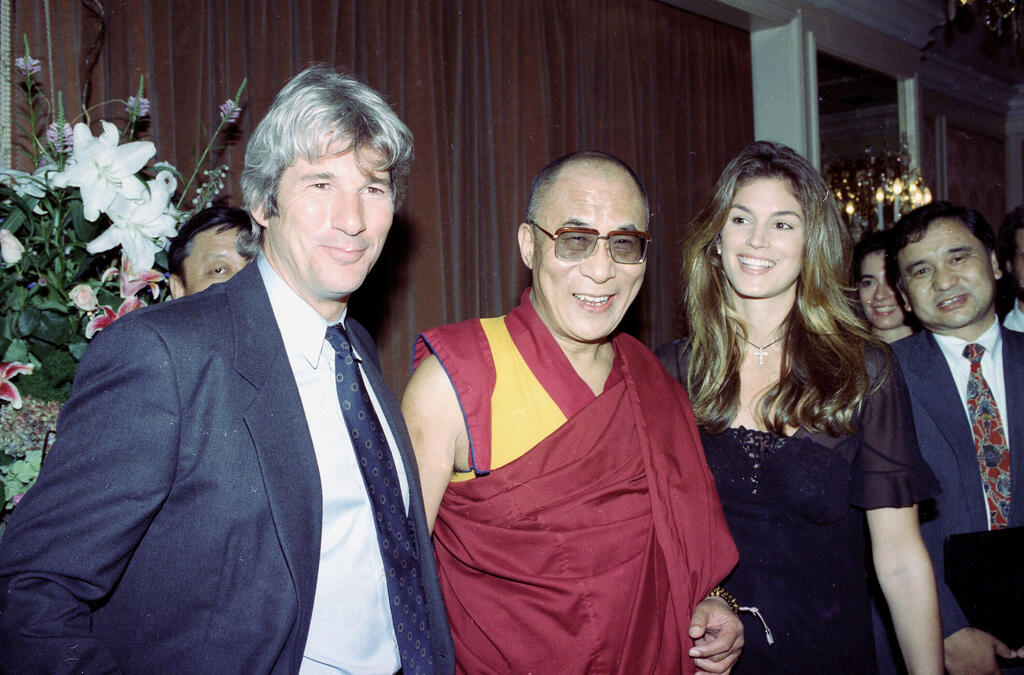
Richard Gere and the Dalai Lama in 1993
(Photo: AP Photo/Reed Saxon)
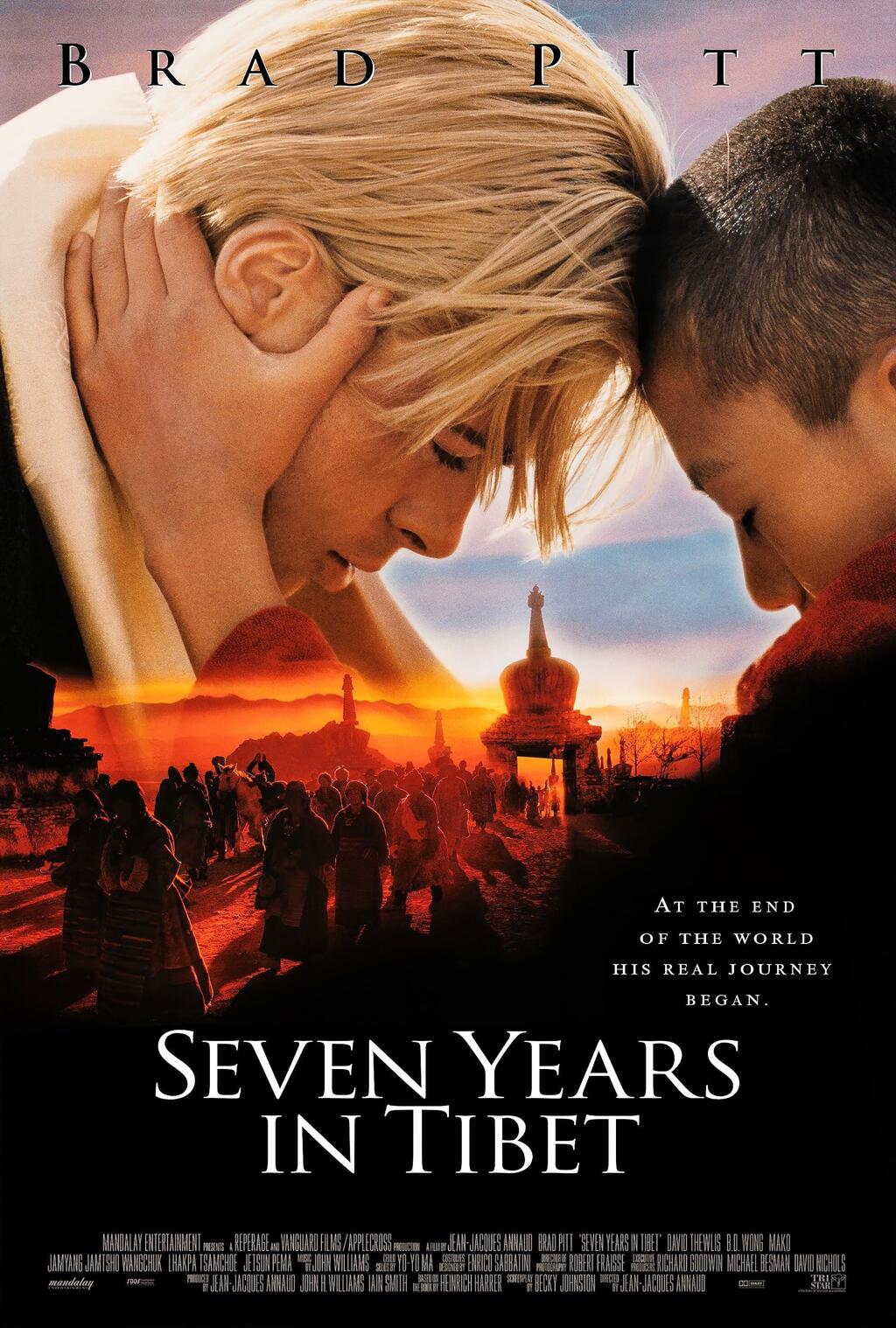
Poster for the 1997 film Seven Years in Tibet
(Photo: imdb)
But Richard Gere and Hollywood were only part of a much bigger story. As China’s market grew, it became increasingly clear that Beijing’s censorship could, to some extent, reach far beyond China’s borders.
A sweeping 2020 report by the U.S. free-expression group PEN America documented how American studios had altered plots, characters, dialogue and locations over the years to avoid angering Chinese authorities. In some cases, the report said, filmmakers tried to anticipate what Beijing might reject and censor themselves before a film ever reached Chinese regulators.
According to PEN America, some productions even allowed Chinese representatives to advise on how to avoid material that might jeopardize a film’s release in the country.
The phenomenon extended far beyond film and the dispute spilled into the NBA. In 2019 Daryl Morey, then general manager of the Houston Rockets, posted a brief message supporting protesters in Hong Kong: “Fight for Freedom. Stand with Hong Kong.”
The post was quickly deleted, but the reaction in China was immediate. State broadcaster CCTV suspended NBA broadcasts, Chinese companies halted partnerships, and tech giant Tencent, which held the league’s digital broadcasting rights in China, said it would stop showing Rockets games. NBA Commissioner Adam Silver refused to punish Morey and defended his right to speak, but later acknowledged that the crisis had cost the league hundreds of millions of dollars.
Two months later, English soccer faced its own confrontation with Beijing. Mesut Özil, then an Arsenal star, sharply criticized China’s treatment of Uyghurs in Xinjiang. Arsenal quickly responded on Chinese social media platform Weibo, saying the comments reflected Özil’s personal views and stressing that the club was an “apolitical organization.” That was not enough. Chinese state broadcaster pulled Arsenal’s Premier League match against Manchester City from its schedule.

Daryl Morey. His tweet cost the NBA hundreds of millions of dollars
(Photo: AP Photo/Chris Szagola)

Even the Premier League learned the cost of crossing China. Mesut Özil
(Photo: Reuters)
The cases were different, and they do not establish that Beijing directly dictated every Western corporate response. But they illustrated the same fundamental shift: companies, sports leagues and clubs in the West had learned that even a single comment on an issue China considers sensitive could put access to a vast market at risk within hours.
That created an incentive not only to comply when Chinese censorship was applied, but to think in advance about what might be safer not to say. For Tibet, which had become a Western symbol at a time when criticizing Beijing carried little economic cost, that change was especially consequential.
These cases do not prove that China alone “silenced” Tibet in the West. But they illustrate a broader shift: what had been an almost cost-free moral position in the 1990s gradually became one that could put a studio, brand, artist or sports club at odds with one of the world’s most important powers.
And the effect was not limited to Hollywood. In 2008, after Björk ended a concert in Shanghai with a call of support for Tibet, Chinese authorities reacted sharply, turning the incident into another warning for foreign performers. Increasingly, the message was clear: supporting Tibet was still possible, but no one could assume it would come without a price.
2008: The last time everyone was watching
If the 1990s were the golden age of “Free Tibet,” 2008 may have been its last major eruption into the center of global attention. In the months before the Beijing Olympics, widespread protests broke out across Tibet and other Tibetan areas, and Chinese authorities responded with a harsh crackdown.
At the same time, the Olympic torch relay was repeatedly met by pro-Tibet demonstrations around the world. Protesters tried to disrupt the route in Paris, activists broke into a torch-related ceremony in Athens, and Tibetan flags once again filled television screens.
The statistics also show just how exceptional 2008 was. An analysis of Google Trends data published by Foreign Policy found that searches for “Tibet” peaked in April that year and surged again around the Beijing Olympics. Over the longer term, however, the trend went in the opposite direction. Interest in Tibet steadily declined, while searches for “Free Tibet” fell even more sharply.
In that sense, 2008 can be seen as a turning point: the whole world was watching China, and Beijing saw clearly how much Tibet could complicate the image it wanted to project.
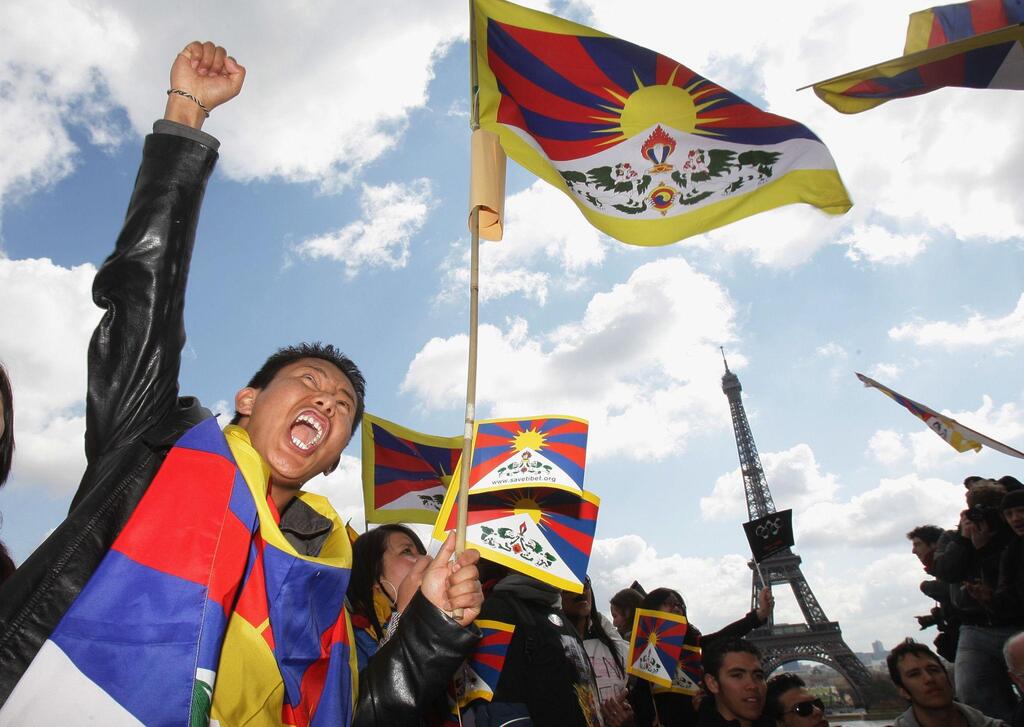
Pro-Tibet protest in Paris during the 2008 Beijing Olympic torch relay
(Photo: Francois Durand / Getty Images)
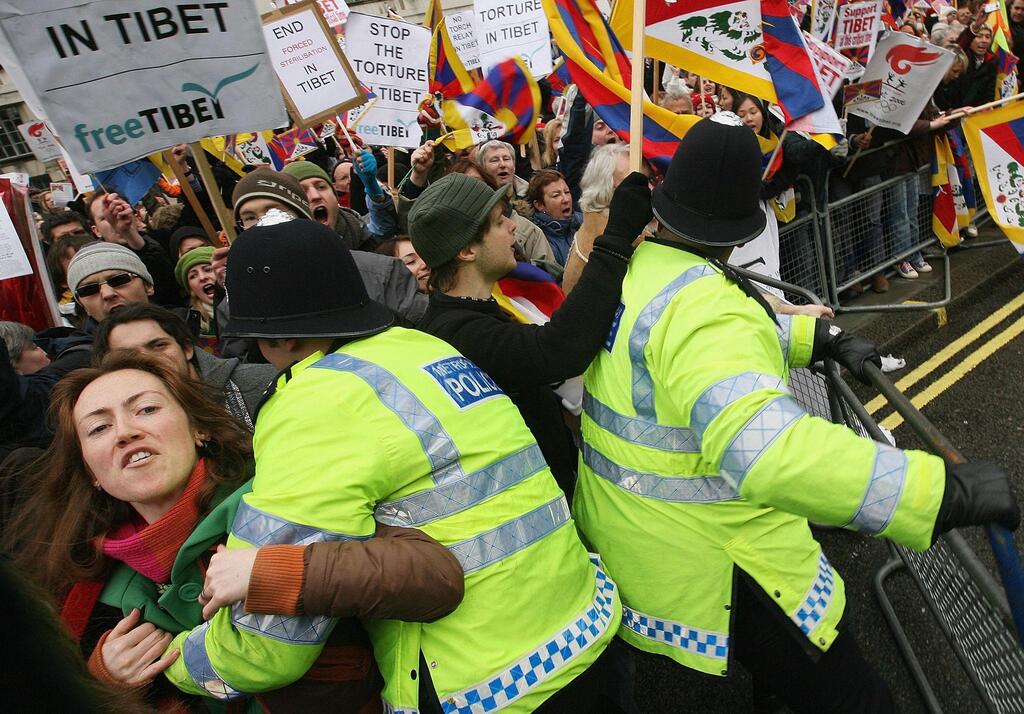
Pro-Tibet protest in London during the 2008 Olympic torch relay
(Photo: Dan Kitwood / Getty Images)
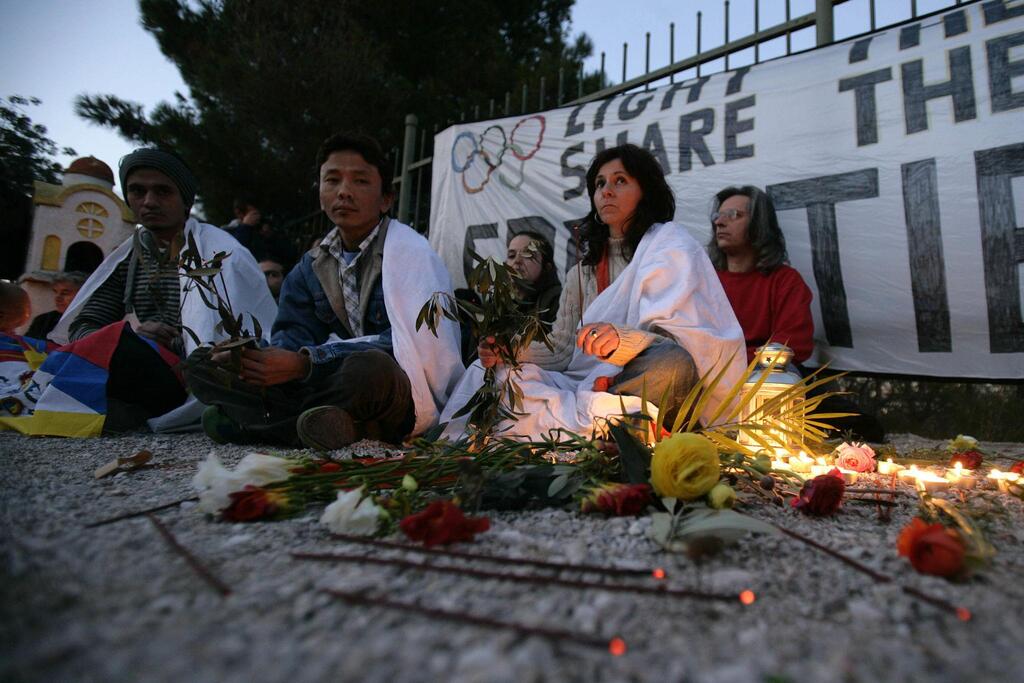
Pro-Tibet 2008 protest in Athens
(Photo: Milos Bicanski / Getty Images)
In the years that followed, Chinese control over the region tightened, while telling the outside world what was happening there became increasingly difficult. Unlike in most parts of China, foreign journalists cannot simply travel to the Tibet Autonomous Region and report freely. They need special permission, and in practice most independent requests are denied. Even when visits are approved, they often take place as part of organized, closely supervised tours.
A U.S. State Department report found that access to Tibet for diplomats and journalists remained severely restricted. For any public cause, that creates a fundamental disadvantage. It is difficult to keep an issue in the headlines when new images are scarce, journalists cannot travel freely and speaking with residents can put them at risk, and most of the story unfolds far from the cameras.
That is the central irony of Tibet’s story: the decline in international attention did not coincide with any loosening of Chinese controls.
In May 2026, Human Rights Watch published a detailed report on education in Tibetan areas. It found that a nationwide policy introduced in 2021 requires Mandarin Chinese to be used as the language of instruction and daily interaction in preschools, including in ethnic minority regions. In practice, the group says, this policy has sharply reduced children’s exposure to Tibetan.
The report also describes patriotic education and an emphasis on Chinese national identity beginning in preschool. In 2025, Human Rights Watch also reported the closure of private schools in eastern Tibetan areas that had promoted Tibetan language and culture.
Beijing disputes the broader accusation that such policies are intended to erase Tibetan culture. Chinese authorities say their policies in the region have brought development, infrastructure and major improvements in living standards, and argue that they are also necessary to preserve national unity.
During a rare visit by President Xi Jinping to Lhasa, the Tibetan capital, in 2025 to mark 60 years since the establishment of the Tibet Autonomous Region, the Chinese government highlighted the area’s economic growth and investments in infrastructure and development.
Human rights groups, however, argue that modernization has come at a heavy cost, accompanied by tighter political control and growing pressure to assimilate Tibetan culture into the dominant Chinese national identity.
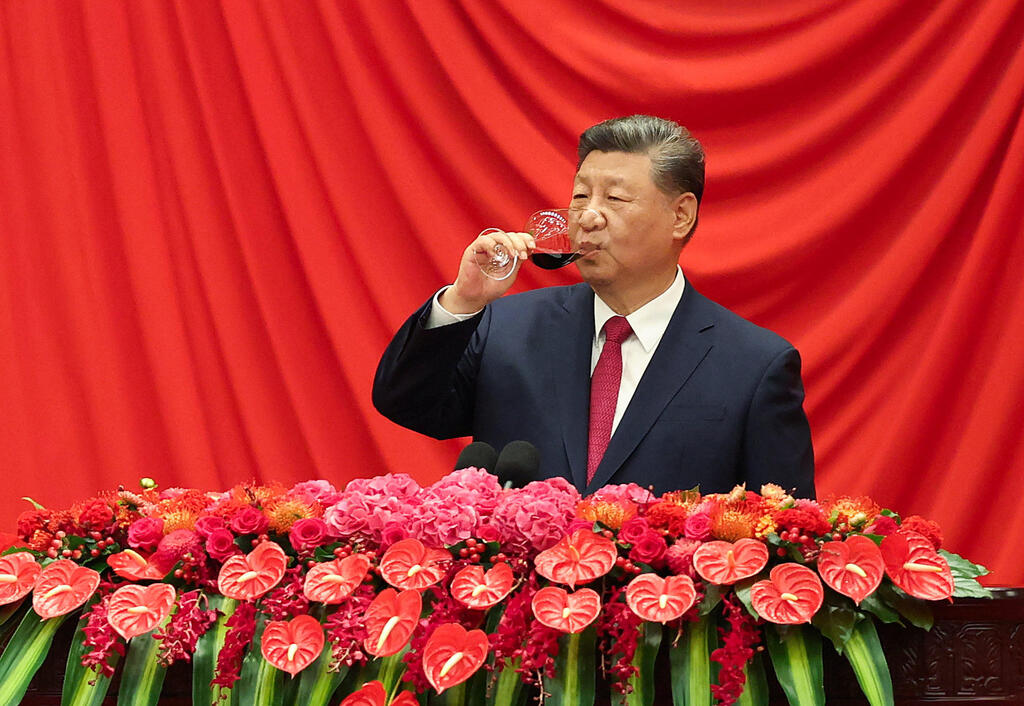
Xi Jinping, China’s leader
(Photo: REUTERS/Maxim Shemetov)
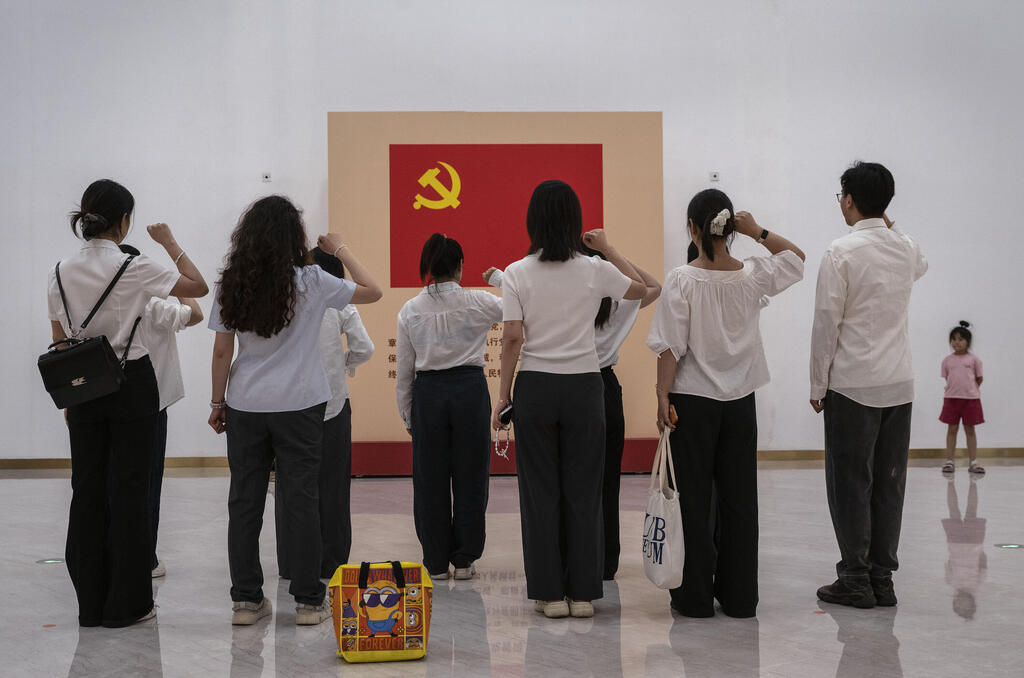
Chinese citizens salute at the Communist Party Museum during events marking the party’s 105th anniversary
(Photo: Kevin Frayer/Getty Images)
The protests have not disappeared entirely. Since 2009, more than 150 Tibetans, including monks and civilians, have set themselves on fire in protest against Chinese rule and what they described as attacks on their religion and culture.
The number of self-immolations later fell sharply, in part amid tighter surveillance and fears that the protesters’ families and communities could also face punishment. At one time, such incidents might have pushed Tibet back into global headlines, but today, they rarely draw attention beyond Tibetan communities and human rights organizations.
The world found other causes
But Tibet’s disappearance from the Western spotlight cannot be explained by Beijing’s growing power alone. The world changed too. The Sept. 11 attacks and the wars in Afghanistan and Iraq redirected Western attention entirely. Then came the Arab Spring, the war in Syria, Russia’s wars against Ukraine and, of course, the Israeli-Palestinian conflict, which reached an extraordinary level of global attention on Oct. 7, 2023.
Inside China itself, other issues also came to be seen as newer and more urgent, including the mass detention and repression of Uyghurs in Xinjiang, the dismantling of much of Hong Kong’s political autonomy and the escalating confrontation over Taiwan.
Tibet did not become any less sensitive for Beijing. It simply found itself competing for attention with an ever-growing list of global crises.
Researchers also point to an important difference: Xinjiang, Hong Kong and Taiwan now figure more directly in debates over security, trade, technology and the global balance of power. Tibet, by contrast, is more isolated both physically and from the international media.
A 2025 study by the British think tank Council on Geostrategy argued that Tibet receives less international attention because of restricted access to the region, China’s economic power and the reluctance of many governments to risk confrontation with Beijing.
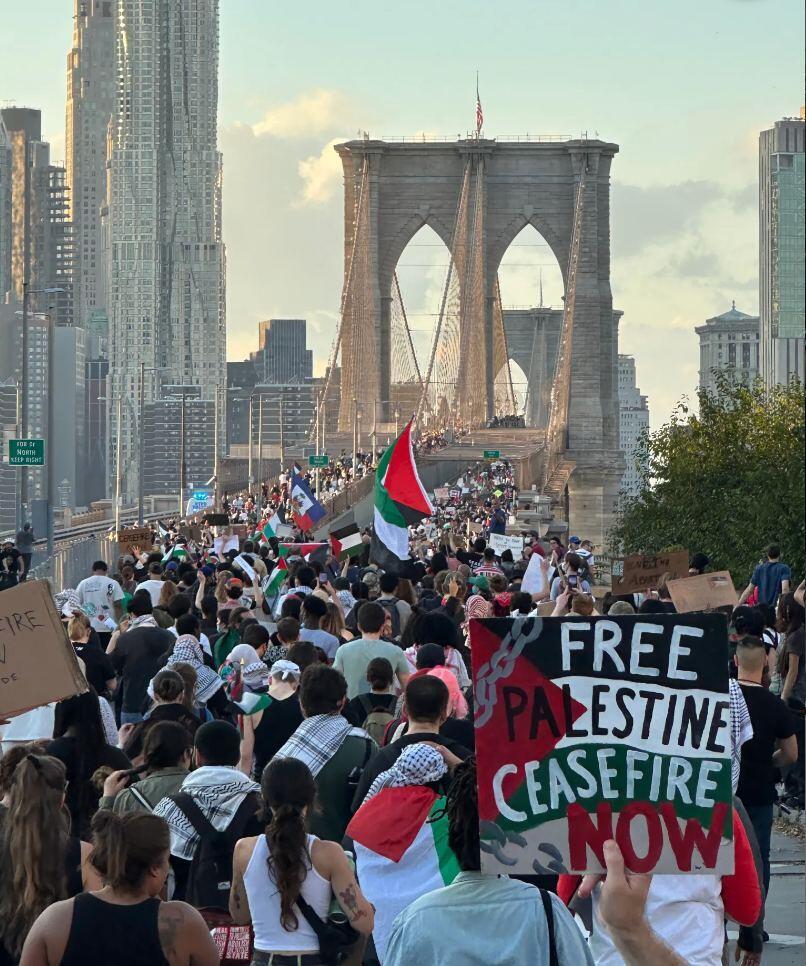
Pro-Palestinian protest in New York. This is the cause drawing the spotlight today
(Photo: From X)
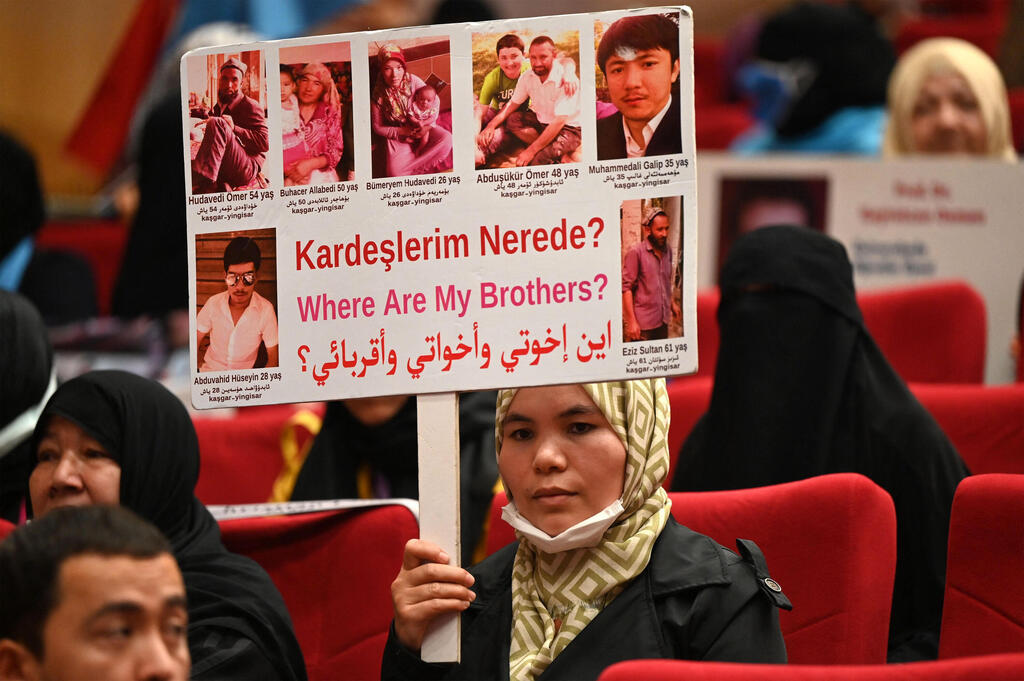
Relatives of Uyghurs imprisoned in China protest in Istanbul in 2022. Tibetans are not the only group facing repression by Beijing
(Photo: AFP )
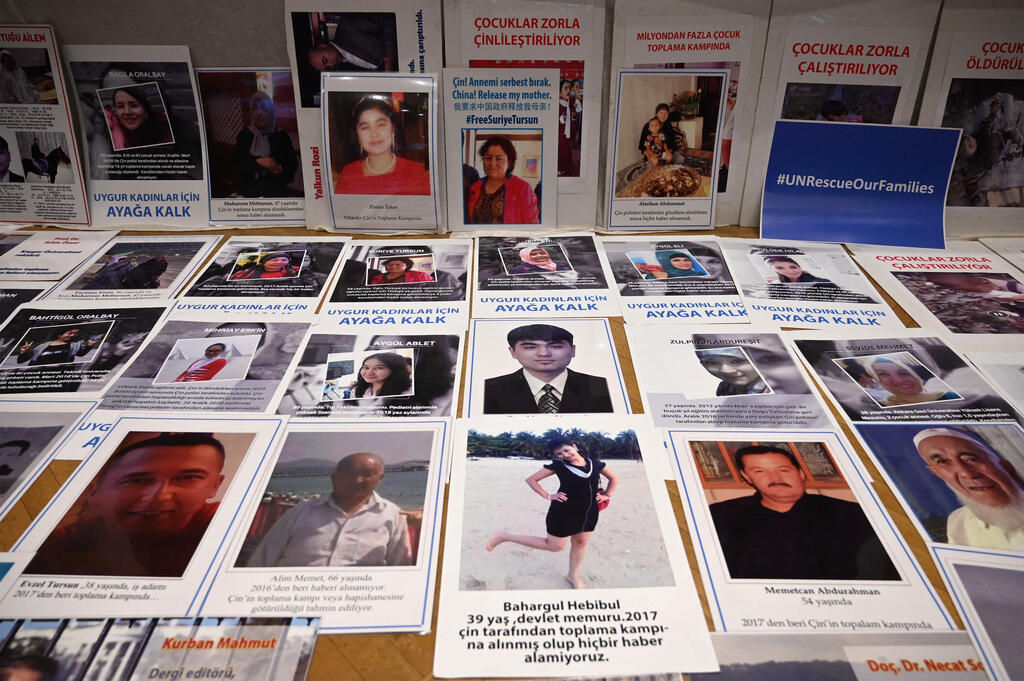
Photos of Uyghurs imprisoned in Xinjiang
(Photo: AFP)
As the years passed, another figure who had kept Tibet in the headlines more than almost anyone else gradually receded from view: the Dalai Lama himself. In 2011, he relinquished his formal political responsibilities to Tibet’s elected government-in-exile. He remained Tibet’s spiritual leader and its most recognizable global symbol, but increasingly stepped away from day-to-day politics.
The story also became more complicated, more drawn out and, in an era of ever-faster news cycles, harder to keep in the public eye.
Now, at 91, he is at the center of a new confrontation that could return Tibet to the global spotlight. The battle over who comes next. To understand the coming dispute, it helps to go back to 1995.
That year, the Dalai Lama recognized a six-year-old Tibetan boy, Gedhun Choekyi Nyima, as the 11th Panchen Lama, traditionally regarded as the second-highest figure in Tibetan Buddhism. Three days later, the boy and his family disappeared from public view. Beijing later installed a different Panchen Lama, whom many Tibetans do not recognize as legitimate.
May 2025 marked 30 years since the disappearance of the boy chosen by the Dalai Lama. The case matters enormously now because the Panchen Lama traditionally plays a role in identifying the next Dalai Lama. And the current Dalai Lama is already 91.
In the summer of 2025, he ended years of uncertainty by announcing that the institution of the Dalai Lama would continue after his death. He said the Gaden Phodrang Trust, the body he established, would have sole authority to identify his next reincarnation, effectively making clear that Beijing would have no role in choosing his successor.
China rejected that position immediately, insisting that only the central government has the authority to give final approval to the selection of a new Dalai Lama. Chinese officials have since repeated that the process must follow rules set by the state, including the “Golden Urn” system, a selection mechanism dating back to the Qing dynasty.
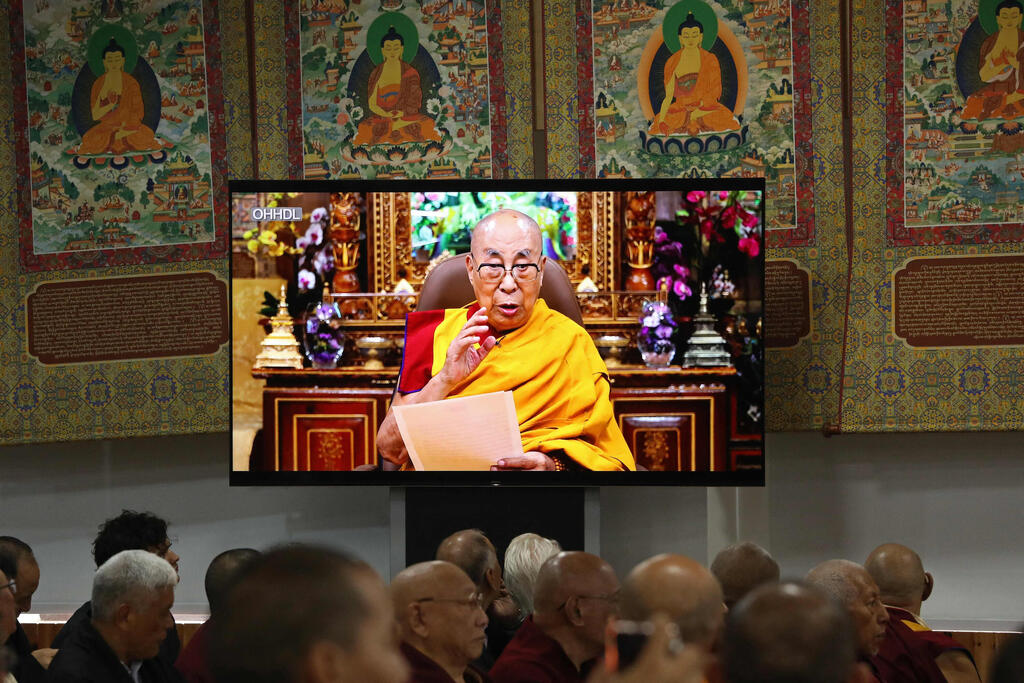
The Dalai Lama’s announcement last year that he will have a successor is shown to supporters in Dharamshala. China is expected to name a rival successor
(Photo: Sanjay BAID / AFP)
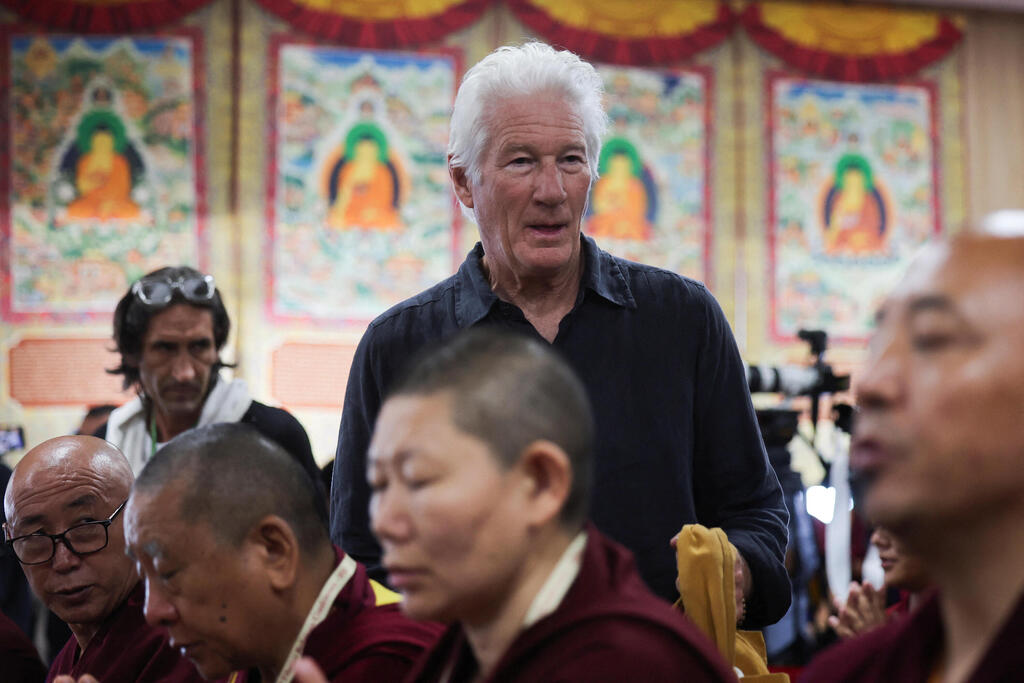
Richard Gere maintained his ties to the cause, attending celebrations for the Dalai Lama’s 90th birthday last year
(Photo: REUTERS/Anushree Fadnavis)
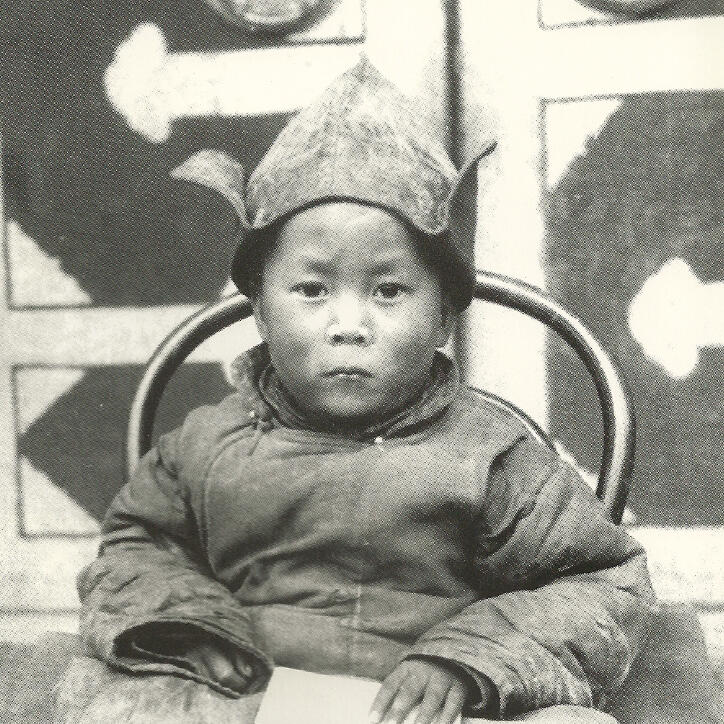
The Dalai Lama as a child. He was chosen at age two after recognizing objects that had belonged to his predecessor
The implications are clear: after the Dalai Lama’s death, the world could face an unprecedented situation in which two rival successors emerge, one recognized by the Tibetan religious leadership in exile and another backed by the Chinese Communist Party.
For Beijing, this is far more than a theological dispute. A new Dalai Lama recognized by millions of believers but living beyond Chinese control could preserve a powerful symbol of Tibetan identity for decades. If China succeeds in establishing its own candidate, however, it could gain something it has not achieved since 1959: influence not only over Tibetan territory, but over its most important spiritual institution.
So did the world stop caring?
Not exactly. Free Tibet and the International Campaign for Tibet remain active, and Tibetan communities continue to demonstrate around the world. Just two months ago, a Tibetan man protesting Chinese rule set himself on fire outside United Nations headquarters in Manhattan and later died from his injuries.
The issue has also never disappeared entirely from American or European politics. In July 2024, the United States enacted legislation dealing specifically with the Tibet-China dispute, and in 2025 Washington and Beijing imposed reciprocal visa restrictions amid another confrontation over access to Tibet.
But there is a difference between surviving in the corridors of Congress and among human rights organizations, and remaining a visible part of popular culture.
In the 1990s, you did not need to follow U.S. foreign policy to know what Tibet was. It was in movies, music and television, and on T-shirts. An entire generation knew the Dalai Lama before it knew the name of China’s leader.
Today, Tibet remains one of the world’s longest-running human rights issues, but without the almost instinctive presence it once had in the Western consciousness. That may be one of Beijing’s most important victories.
China did not convince the entire world that Tibetans were content under its rule, nor did it succeed in bringing the Dalai Lama back to Lhasa on Beijing’s terms. But over three decades, it became too powerful to ignore, made access to Tibet extraordinarily difficult, raised the cost of confronting it, and waited until, eventually, the world’s attention moved elsewhere.
Thirty years ago, 100,000 young people could gather in a San Francisco park to see the Beastie Boys and Björk, then leave chanting “Free Tibet.”
Today, a Tibetan child can begin the day in a preschool where the language of instruction is Mandarin, under a government that also seeks a say in who will be recognized as the next incarnation of Tibet’s spiritual leader, and it barely makes a headline in the West.
“Free Tibet” may have disappeared from the T-shirts. Tibet itself has not.