

The case shocked Israel in the late 1990s: a respected scientist from the Weizmann Institute was convicted of murdering his former partner and her mother, kidnapping his young son and fleeing abroad before being captured months later following an international investigation.
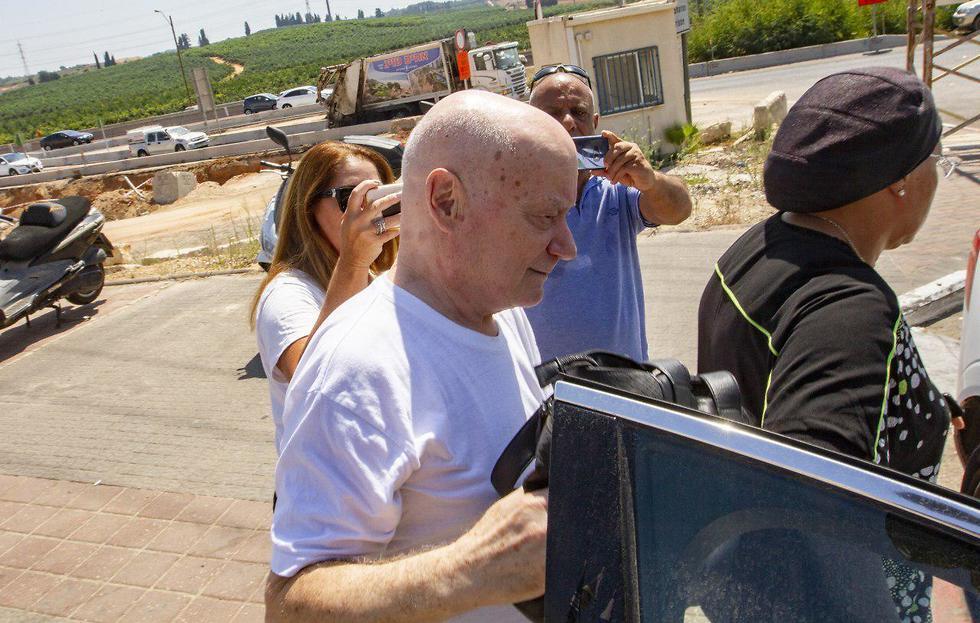
Amiram Hochberg was arrested in Switzerland and extradited to Israel in 1997 after a lengthy legal battle. He was later convicted of the killings and sentenced to two life terms in prison.
The investigation began when Shmuel Bleichman became concerned after his sister, Shlomit Bleichman, and their mother, Ida Bleichman, who both lived in Rehovot, had not answered phone calls for several days. He contacted police, saying the silence was highly unusual and asking officers to check on them.
About an hour later, police discovered Ida Bleichman’s body on the balcony of her apartment. The body had been wrapped in a carpet and showed signs of gunshot wounds. A forensic examination determined she had been killed several days earlier.
Police then went to Shlomit Bleichman’s apartment. The home showed no signs of a struggle, but neither she nor her young son, Itai, could be found. Both were declared missing.
Investigators later determined that Itai had finished his school day and was last seen heading toward his grandmother’s home. His mother had gone to work that morning but left later with Hochberg, her former partner and the boy’s father.
By the time police arrived at Hochberg’s home, he had already become a suspect. Witnesses told investigators the relationship between the former couple had been strained, and that Hochberg had been extremely possessive about his time with their son.
When investigators searched Hochberg’s computer, they found that its contents had been deliberately erased. Specialists managed to recover the data and discovered that he had researched multiple escape routes out of Israel to various destinations.
A major breakthrough came days later when a citizen reported an abandoned car in an orchard near Rehovot. The vehicle belonged to Shlomit Bleichman and contained large amounts of blood.
Police reconstructed a possible sequence of events: investigators believed Hochberg lured Shlomit from her workplace, entered her car with her, killed her and disposed of the body. He then allegedly went to Ida Bleichman’s home, shot her, wrapped the body and left it on the balcony before waiting for his son to return from school and taking him away.
At the time, however, police had no direct proof or knowledge of where Hochberg and the boy had gone.
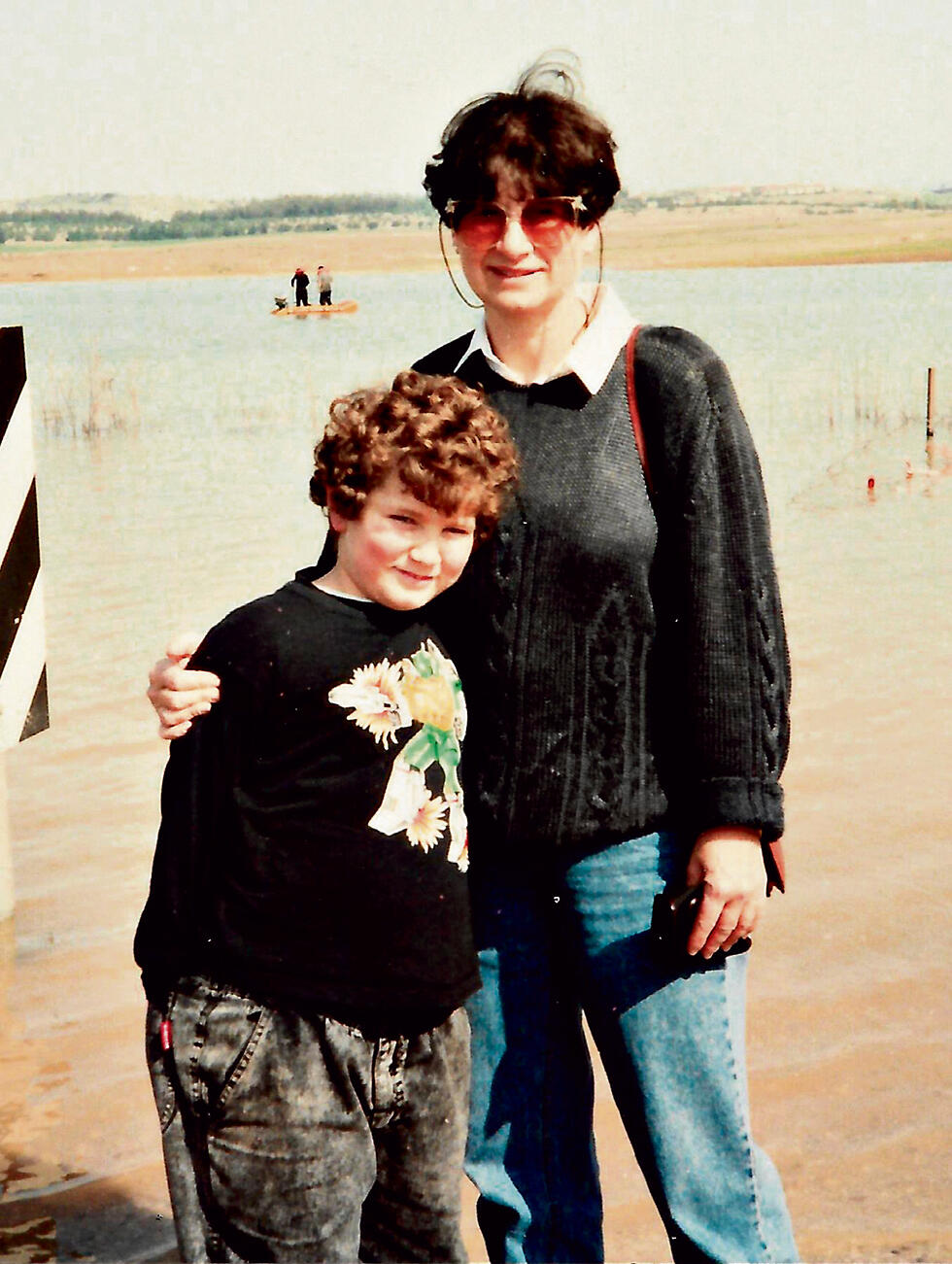
Itai and Shlomit
The key development came from Itai himself. Friends of Shlomit had told investigators the boy would likely try to call his mother if given the chance. Police therefore monitored the phone line in her apartment in case he attempted to make contact.
Nearly three months after the disappearance, the phone rang. The child hung up immediately after hearing a stranger answer, but the call allowed investigators to trace its origin to an apartment in Basel, Switzerland.
The following day, police carried out a ruse to arrest Hochberg. A neighbor knocked on his door asking for help with a problem in the building. When Hochberg went downstairs, officers were waiting and detained him.
Police then entered the apartment and told the boy they had come to take him home. His uncle, Shlomit’s brother, accompanied the officers and informed him that his mother was missing and his grandmother had been killed.
According to the boy’s later account, Hochberg had disguised himself with a mustache and sunglasses when picking him up near his grandmother’s home. The father then took him out of Israel using false passports, crossing into Egypt before traveling by bus from Taba to Cairo and flying on to Europe.
For three months they moved between cities and apartments while Hochberg told his son they had to keep running because his mother was in danger.
Hochberg denied involvement in the killings during the trial but was ultimately convicted and sentenced to two life terms.
About a decade later, he agreed to reveal the location where he said Shlomit Bleichman’s body had been left. Despite searches in the area he indicated, her remains have never been found.
Itai later returned to Israel and was adopted by his uncle. In an interview years later, he said he had never renewed contact with “the man called my father.” He went on to marry and now works as a veterinarian.