


Col. Asaf Hamami, Lt. Col. Yehonathan "Barnash" Tzor, Maj. Benaya Sarel, and freed hostage Avinatan Or share a common past: all served in Sayeret Rimon, the elite “desert commando” that operated between 2010 and 2018. After it was dismantled, its soldiers were reassigned to elite Maglan and Egoz. Many of its commanders still serve in key positions across the IDF.
The unit, made up of about 200 officers and soldiers, was known for its tight-knit, almost family-like atmosphere that has kept its members connected even seven years after it was shut down. During its years of activity, Sayeret Rimon was a specialized intervention unit under the Southern Command, trained for counterterrorism and infiltration defense operations in and around Gaza — including from Egypt’s Sinai Peninsula — with an emphasis on desert combat.
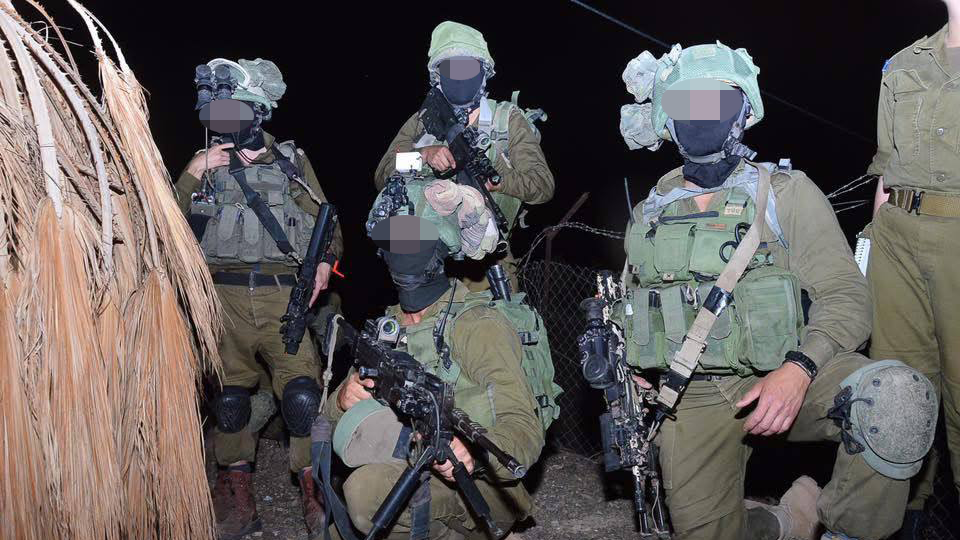
Its first commander, Benny Meir, said the unit “created shockwaves in the army, offering creative solutions to complex systemic problems.” Among them, he said, were early tunnel warfare innovations during Operation Protective Edge and the creation of the “battalion mobility unit,” which later became standard across the IDF for evacuating the wounded and transporting supplies.
For the past two years, Rimon veterans — whose operational experience in Gaza is among the most relevant in the army — have mostly stayed silent. “I just hope Hamas never discovered that Avinatan was one of Rimon’s commanders,” said Avraham, a former soldier. “Hamas has a special hatred for us, especially around Rafah, where we fought in 2014.”
'The first to call war'
According to Meir, “The DNA of Rimon soldiers is sacrifice — the collective before the individual. You can see it in every soldier who fell in battle or captivity.”
He mentioned Maj. Benaya Sarel, killed in Operation Protective Edge after charging ahead of his company to confront terrorists near Moshav Morag, and Master Sgt. (res.) Yohai Chai Galam, who was killed by sniper fire near Netzarim in August 2024.
They believe Or’s training in the unit helped him survive Hamas captivity. “Nothing prepares you for that kind of hell,” said Maj. R., “but he knew how to endure. When we heard he tried to escape, none of us were surprised.”
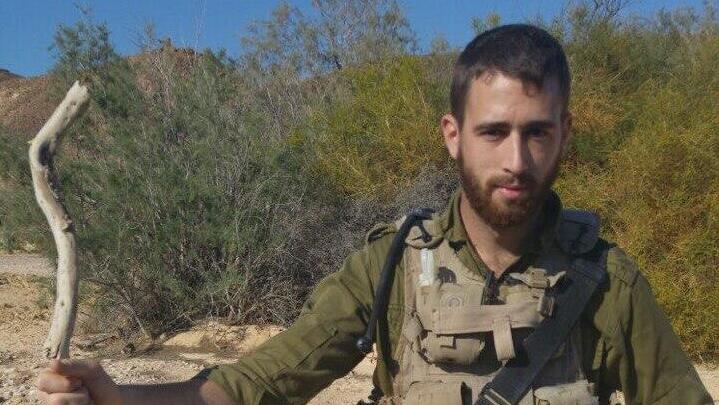
Avinatan Or
Lt. Col. Yehonathan "Barnash" Tzor, Rimon’s first team commander and later its operations officer, was also among the fallen. “Barnash was the kind of man whose battalion would always run into the fire to save others,” said Meir. “He fought alone against terrorists and prevented the kidnapping of Nahal Brigade commander Col. Yehonatan Aharon Steinberg. He was a true hero — the spirit of the unit.”
Col. Hamami, who commanded the southern Gaza brigade on October 7 and whose body was returned to Israel two years and one month after he fell, had succeeded Meir as Rimon’s commander. At his funeral, his father revealed his son’s written instruction: “If I’m taken prisoner, I won’t go in alive. Don’t make deals over me.”
“When we handed over command,” Meir recalled, “the first thing he said was, ‘You turned them from individuals into a unit — my job now is to turn them into a fighting unit.’ That was who he was. Mission first. That’s why he was the first to shout ‘war’ over the radio that morning.”
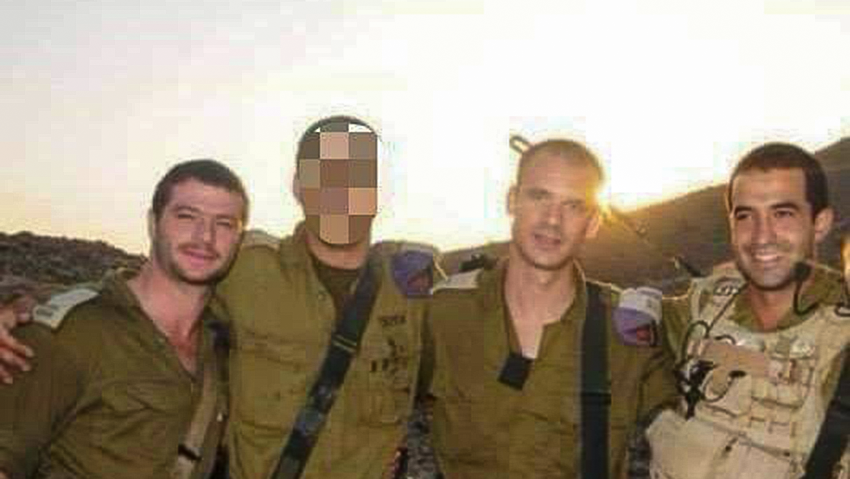
From left to right: Lt. Col. Yehonathan Tzor, Maj. Benaya Sarel, Col. Asaf Hamami
Maj. R., who served directly under Hamami, said, “He was a commander who cared deeply for his soldiers, technically brilliant, and always pushed for contact with the enemy. Everyone knew he would be among the first to engage on October 7 — and he was.”
Avraham, who served under Hamami from 2012 to 2015, added: “He understood the threat because he lived it. We constantly trained for a mass infiltration from Gaza. He knew exactly what was happening when others were caught off guard.”
Meir remembered one particular moment from a ceremony atop Mount Berekh: “You saw the three of them — Hamami, Sarel, and Barnash — standing together, embodying that pioneering spirit. That was Rimon.”
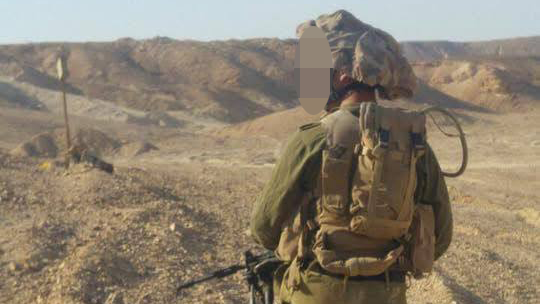
(Photo: Sayeret Rimon, IDF)
The commando that wasn’t there
When Rimon was first formed, its soldiers trained alongside the Givati Brigade, wearing black infantry boots and purple berets. A year later, they switched to desert camouflage uniforms. By 2015, as the Commando Brigade was established, Rimon’s training was absorbed into it — and the beret changed to red.
Meir still laments the decision to disband the unit in 2018, which the IDF justified as an “organizational efficiency measure.” Critics argued the small size of the unit made it hard to operate effectively, but Meir insists the opposite: “If Rimon had existed on October 7, we’d have had a fast, skilled force ready to deploy immediately and save lives.”
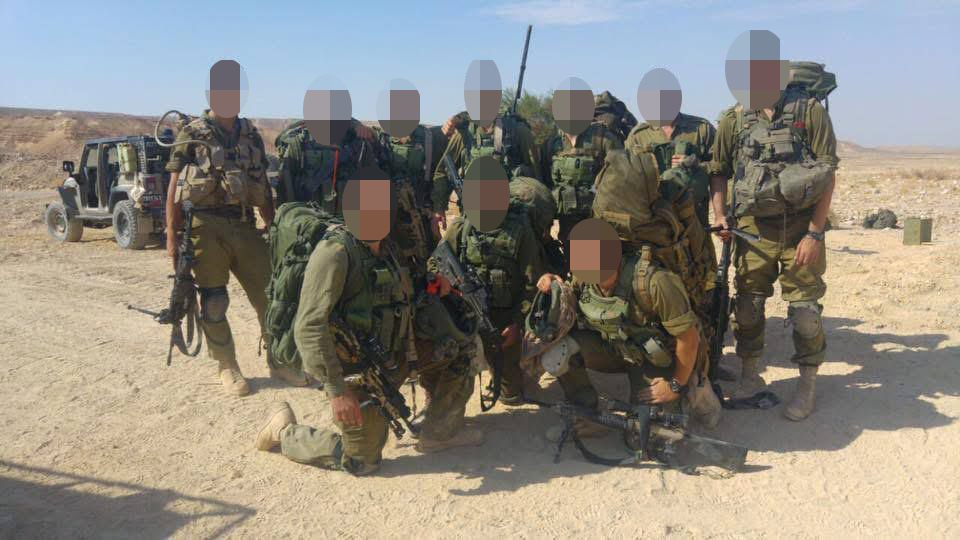
Unit training
(Photo: Sayeret Rimon, IDF)
Avraham agreed: “We trained for that exact scenario. People thought we were paranoid. When terrorists tried to infiltrate in 2014, we were the first to respond. We knew the terrain, the communities, the threat — and Hamas. It’s a huge missed opportunity that no unit like Rimon was there that morning.”
Maj. R., one of the founding officers, added: “The Northern Command has Egoz for guerrilla warfare; Central Command has Duvdevan for undercover operations and intelligence. But the South has nothing dedicated to Gaza now. That’s why Rimon was created in the first place — to handle exactly these threats.”
Yaakov, 30, who joined Rimon in August 2014, believes it should be revived as a lesson from October 7. “If Rimon had still existed, at least two special forces teams would’ve reached the Gaza envelope first,” he said. “We were small, mobile, and self-sufficient — we didn’t need outside support to move fast.”
Captivity and survival
Yaakov served under Avinatan Or for four rotations and completed about 500 days of reserve duty during the current war. He and his team still wear a Rimon patch they designed themselves. “We trained in desert survival, close combat, and navigation,” he said. “We were an elite infantry unit built for the South.”
When news of October 7 broke, the unit’s veterans had to remove Hamami and Or from their WhatsApp group to prevent sensitive information from leaking in case their phones were seized. “Avinatan was one of the first hostages we knew about — because of that horrific video,” Yaakov said.
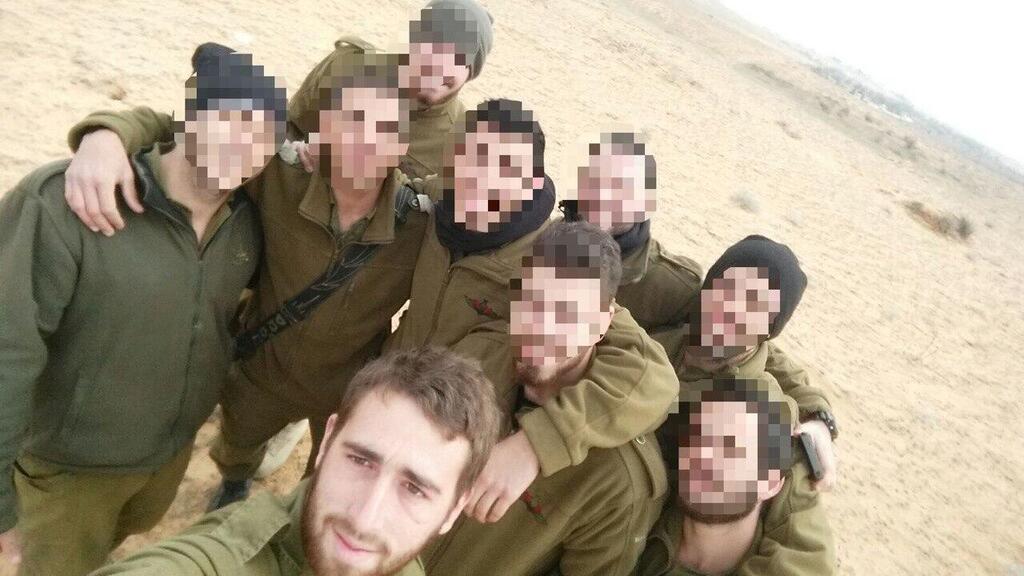
Avinatan Or with his comrades from Sayeret Rimon
“It was impossible not to recognize him,” recalled Eran, who served with Or between 2013 and 2016. “His height, his walk, his mustache. When I saw that clip, I screamed.”
Or’s background in Rimon was one reason the unit remained out of the public eye during the war — to protect him from being targeted or used as a high-value bargaining chip. “We all agreed to keep quiet,” said Maj. R. “We didn’t want to endanger him.”
Still, Rimon veterans quietly supported Or’s family throughout his captivity, joining them for regular vigils outside IDF headquarters in Tel Aviv.
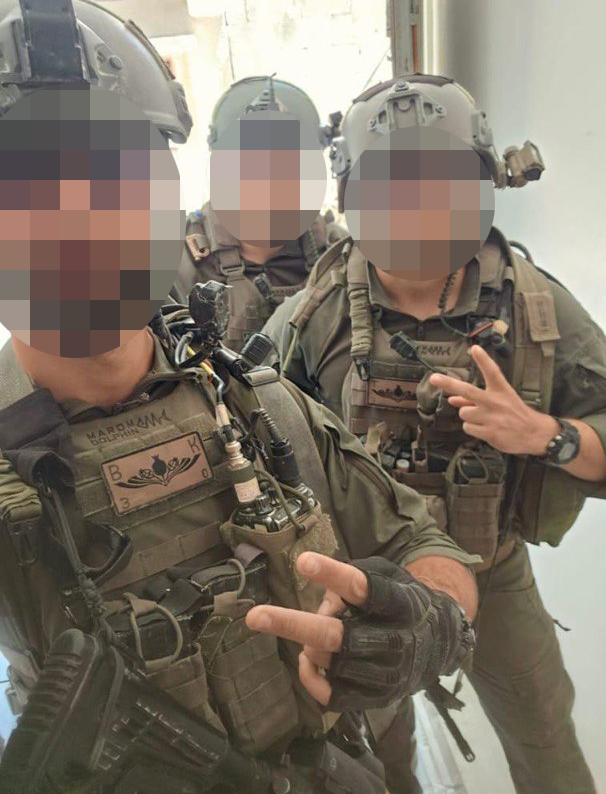
“When we came back without Avinatan, I felt like a failure.” Fighting with the Sayeret Rimon patch
They believe Or’s training in the unit helped him survive Hamas captivity. “Nothing prepares you for that kind of hell,” said Maj. R., “but he knew how to endure. When we heard he tried to escape, none of us were surprised.”
Eran added, “That’s so Avinatan. Even in chains, weakened and starved, he stayed true to himself. He had the courage to try.”
Yaakov said, “In Rimon, you learn to operate under total uncertainty. You realize your limits are far beyond what you thought possible. Avinatan’s strength didn’t surprise anyone.”
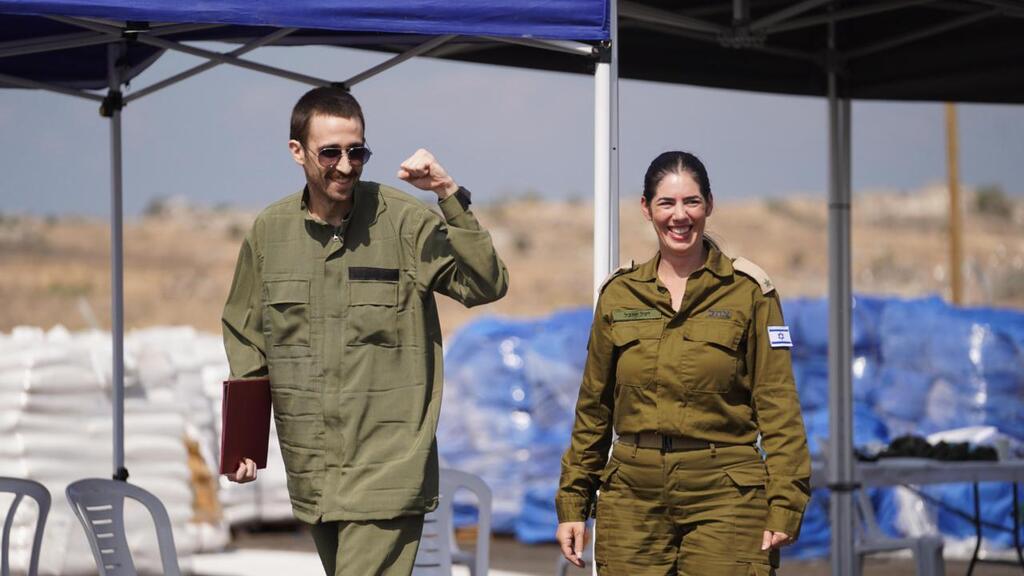
Avinatan Or after being released from Hamas captivity
(Photo: IDF)
“Avinatan was the kind of commander everyone wanted to follow,” Eran said. “Sharp, strong, and selfless. He connected people — even after service. Just before October 7, he organized a reunion for us all in the South.”
T., another Rimon veteran who served with Or, said he felt like a failure after being released home five months into the war. “We hadn’t brought Avinatan back. That was our mission,” he said. “Seeing him step off that helicopter closed a two-year circle.”
“When he and the hostages returned, it made all 500 days worth it,” Yaakov said. “We updated the group nonstop, and when that video of him waving from the hospital came out — that was our moment of euphoria.”