

Two days before the incident in Khan Yunis, when around 15 terrorists attempted to breach an IDF outpost, we visited the area along the Morg route. The Humvee cut across dirt paths and sand, the city’s ruins scattered and piled along the sides of the road. I looked at the broken homes and thought about who we were about to meet—the all-female medical team of the 74th Battalion. This is their home now, where they sleep and wake, lose and save lives. This is where they fight for their home and for the lives of others.
Khan Younis, Gaza
(Video: Hagar Kochavi)


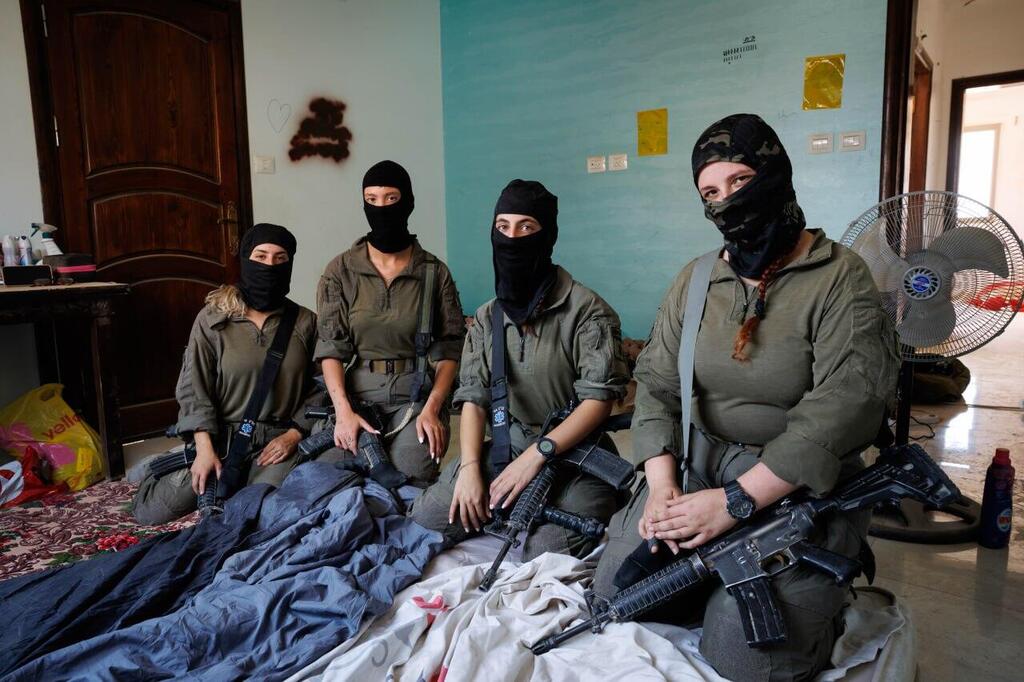
“You know that even now, while we sit with you, within seconds we might need to rush to treat the wounded,” says Lt. A, the battalion’s medical officer. On the torn sofas in their home, among dusty equipment and supplies, sits Sgt. N, a combat paramedic; Cpl. M, a combat paramedic; and Cpl. T, a combat medic.
Lt. A, 28, completed the military medical cadet course and immediately found herself at the heart of the fighting in Gaza. With no adjustment period, she entered the field. She accompanies soldiers, provides treatment under fire, and leads the medical team in the most critical moments.
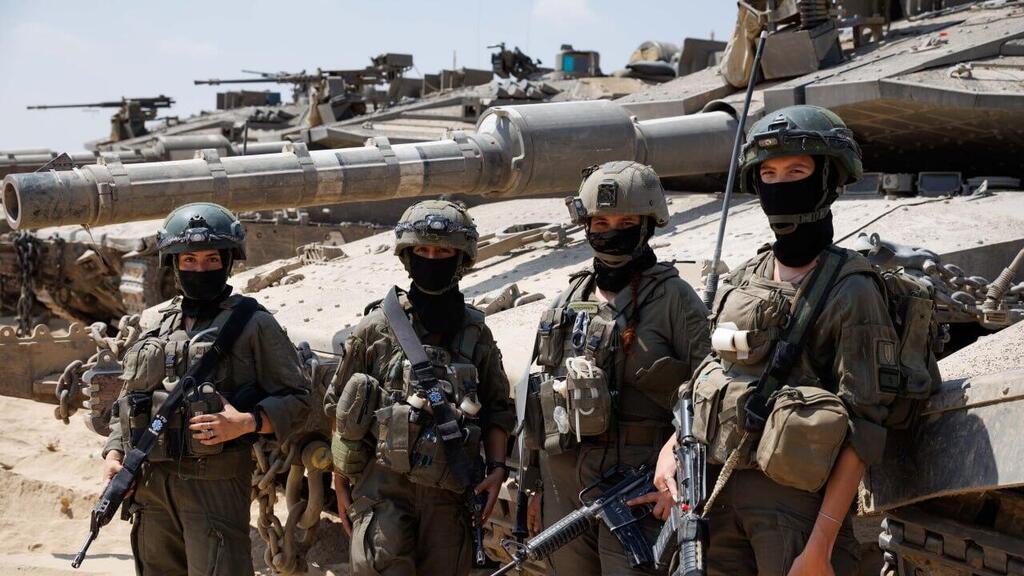
So you caution me, anything can happen now. This is the level of readiness?
“Absolutely, maximum level. When the event starts, you know what to do. When you go to sleep, you have no idea what will happen. Our gear stays with us, even when we go to the bathroom. In the moment, we feel omnipotent. The scariest moment is here and now, while I sit ready for the next call-up,” says Sgt. N, just 20, but already ten months accompanying soldiers in combat. After finishing her training, she went straight into fighting in Lebanon, then to Syria, and now in Gaza, alongside tank crews and infantry from Brigade 188.
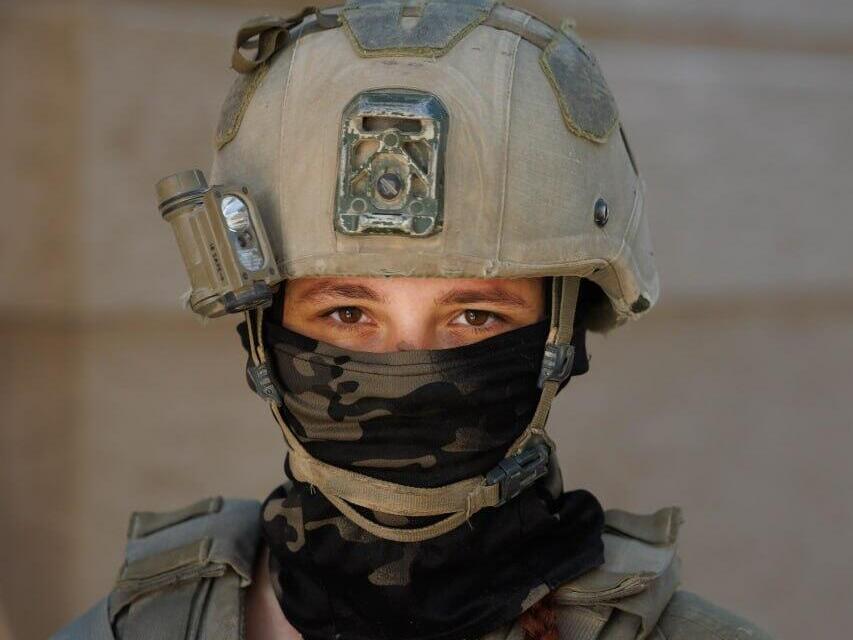
Lt. A
(Photo: Ziv Koren)
“The call comes without warning. You hear the shout, we jump on our gear, hop into the Humvee, and arrive at the scene—sometimes during ongoing operations. Along the way, we try to understand details—location, number of casualties, their condition. If there’s time, we give instructions remotely and try to get a detailed assessment. The journey is critical too; we must watch our surroundings and stay safe,” she explains.
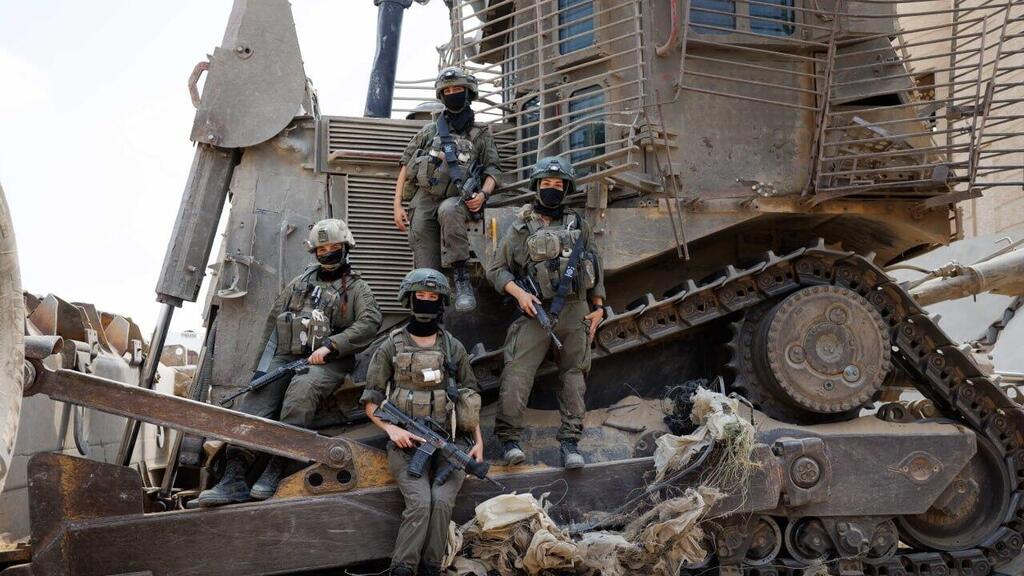
(Photo: Ziv Koren)
And when you arrive, what’s the first thing you do?
“It may sound strange, but I always ask, ‘How are you?’ Above all, I speak calmly. No matter the situation, it’s important to instill a sense of calm and control. I try to explain the patient’s condition as much as possible, reassure them, and distract them from the pain—ask what they like to eat, what they enjoy, who their friends are. I always try to comfort them.”
Decisions between life and death
In the depths of combat, when time is running out and lives hang in the balance, the hardest decision is weighing whether the risk outweighs the benefit.

Sgt. N
(Photo: Ziv Koren)
“I arrived at a serious accident with an unconscious female casualty with a head injury. The dilemma over whether to resuscitate her was huge—resuscitation increases infection risk and could slow recovery. But her condition was so critical, it was the last thing I could do. Ultimately, she did not survive,” N recounts.
In Gaza, she faced a similar dilemma: “A soldier was seriously wounded in the abdomen. The medical picture was complex. One indication for giving blood is when vital signs are insufficient—he met the criteria, and approval was given. Still, it was a deep decision, because of long-term risks. We were near a landing zone, with a doctor and a paramedic; I asked them to prepare the blood. He eventually received it by helicopter. Every action weighs pros and cons, and later is investigated.”
First time under fire
For Cpl. T, who entered Gaza immediately after training, her first field incident was also the toughest. It occurred when a Humvee hit an explosive, injuring soldiers. “One casualty was in very serious condition, but we stabilized him and evacuated him alive. That’s the most important thing—getting the wounded to the hospital alive. A few days later, I heard the announcement about the fallen. It was crushing, but we had to continue,” she recalls.

Cpl. T
(Photo: Ziv Koren)
“It’s very intense. The moment we learned he arrived at the hospital stable, it was incredible. Everyone here smiled. That day, nothing could ruin it,” says Lt. A. “Unfortunately, a few days later, the official release came. It’s hard and heartbreaking, but we managed to give him a few more days for his family. That’s meaningful and comforting to know we did everything.”
“As a medical team, we fight until the last second. You know that, so the crash is hard but directed elsewhere. You get up and give your all to the next casualty. There’s no right or ability to fall apart, because in five minutes, another wounded person may need you. In other cases, seeing them recover, walk, talk, post on Instagram—it’s unbeatable. It gives a sense of purpose. It reminds me why I do this and why I am here.”
Living with soldiers in a male-dominated environment
“It’s sometimes complicated. They don’t always fully understand what we go through, but they learn, and we have each other,” Lt. A says.
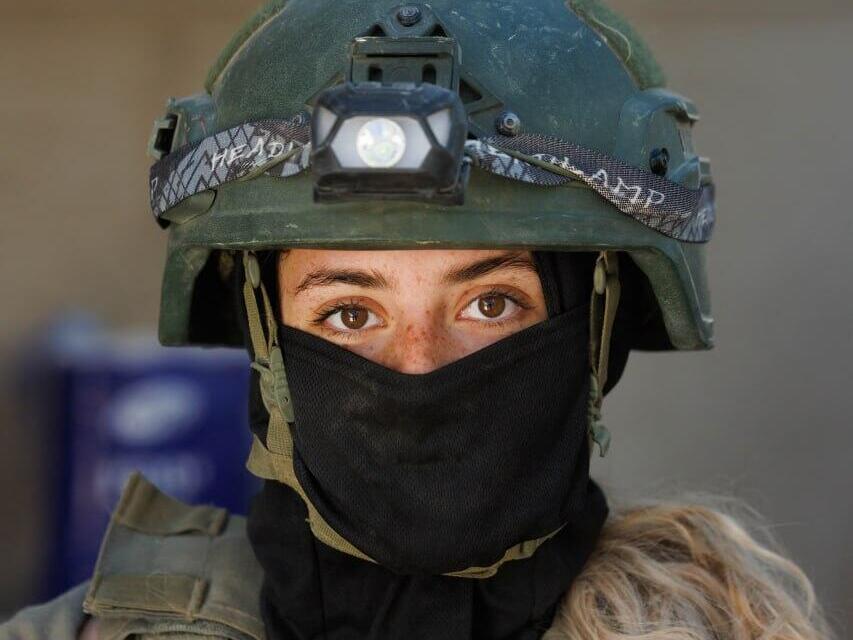
Cpl. M
(Photo: Ziv Koren)
“We’re always together—sleeping with about 20 people in the house. The company commander helps mediate between the gender dynamics and medical work. The relationship is excellent—they support us when it’s hard, shout ‘Fire is okay’ in the middle of the night when shots ring nearby.”
Learning from each other
“We taught soldiers basic tasks like laundry; it helps them feel more at home,” M says. “We try together to normalize this reality. Beyond medical care, they feel secure—when a soldier says, ‘I feel safe with you behind me,’ it’s a huge relief. We eat together, talk, play backgammon.”
T adds, “Sometimes they share feelings they wouldn’t tell each other. One talks about parents, another lost a friend. They open up—it’s amazing.”
After almost two years of fighting
“There’s fatigue and burnout, but during each operation, you see motivation and how much they want to give their all. I encounter soldiers not just in emergencies—as the battalion doctor, I see them daily, even for a sore throat. None want to leave. Despite the hardships, motivation is sky-high. No showers, mediocre food, but they all want to be here together,” A says.
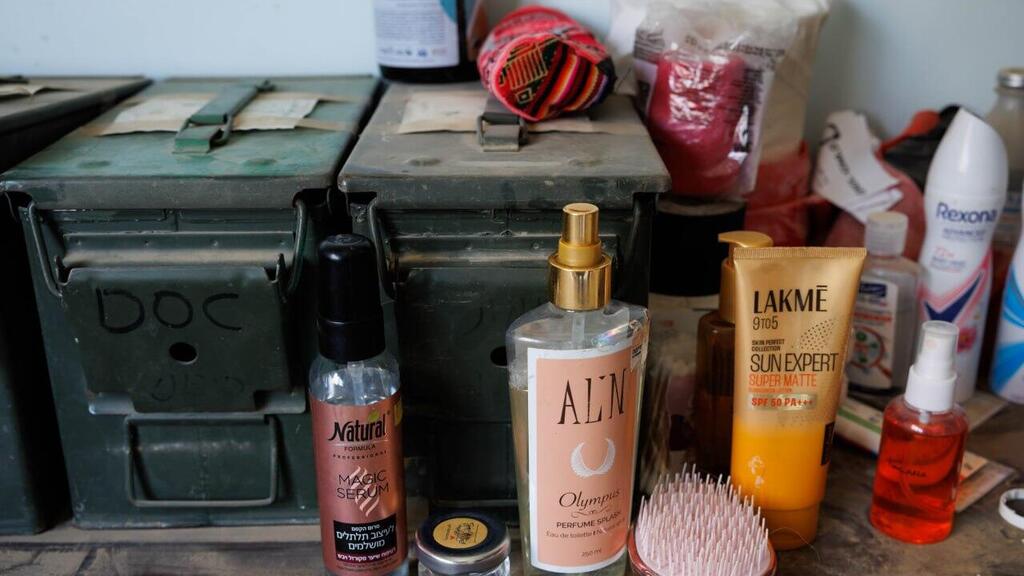
“For boys, it’s easier; we wash hair with six bottles of water.”
(Photo: Ziv Koren)
So far, 2,874 soldiers have been injured in Gaza maneuvers, 551 seriously, and 454 have fallen. During the war, the medical corps has undergone significant changes: for the first time in combat, full blood transfusions are administered by battalion medical teams, with new monitoring and resuscitation capabilities. The practice of full blood transfusions was trained before the war, and today the IDF is the only army in the world implementing this technology in combat.
Over the past year, about 150 regular paramedics were trained and sent to various units, and another 150 are currently in different course stages. “It’s the longest and best training in the army,” they say proudly. “We don’t see ourselves doing anything else, even in the future.”
(Photo: Ziv Koren)
“Don’t listen to voices that bring you down”
As a religious married woman, M wants to break stereotypes. “I want other girls, before army or national service, not to listen to voices that discourage them, about modesty or interaction with men. I’m not saying there are no difficulties, but the army ensures privacy—separate rooms, facilities. No man touches or hugs without permission.”
M, who had a draft exemption, began paramedic training in civilian life through national service. “Before the war, I debated whether to enlist. I chose to give up the exemption and enlist. Then it all started. Looking back—if I hadn’t enlisted, I’d regret it to this day.”
The team that holds it all together
“We’re anchors for each other, the only girls here, and that connects us,” they explain. Small details matter: “For boys, physical tasks are easier—like washing hair. One bottle is enough. For us, it takes six bottles and another hand. It takes time,” they laugh.
“We are one for the other, in everything,” T says. “We live, sleep, and eat together—it’s a bond hard to explain outside.”
“See, you’re their commander, but we live everything together. It creates respect—it’s not about rank but friendship,” says Lt. A.
“A fights for us, cares for us, and we all do the same, for the whole team,” they say. “We’re here to save lives, but along the way, we save each other too.”