

Dr. Cochav Elkayam-Levy, an international law expert, said Monday that the sexual violence committed during the Oct. 7 massacre and against hostages was “not random, but a real strategy.”
Speaking at the Women of the State conference hosted by ynet and Yedioth Ahronoth in cooperation with Na’amat, Elkayam-Levy said a forthcoming 280-page report by the Civil Commission on Oct. 7 Crimes by Hamas Against Women and Children would provide an evidentiary basis that could no longer be ignored.
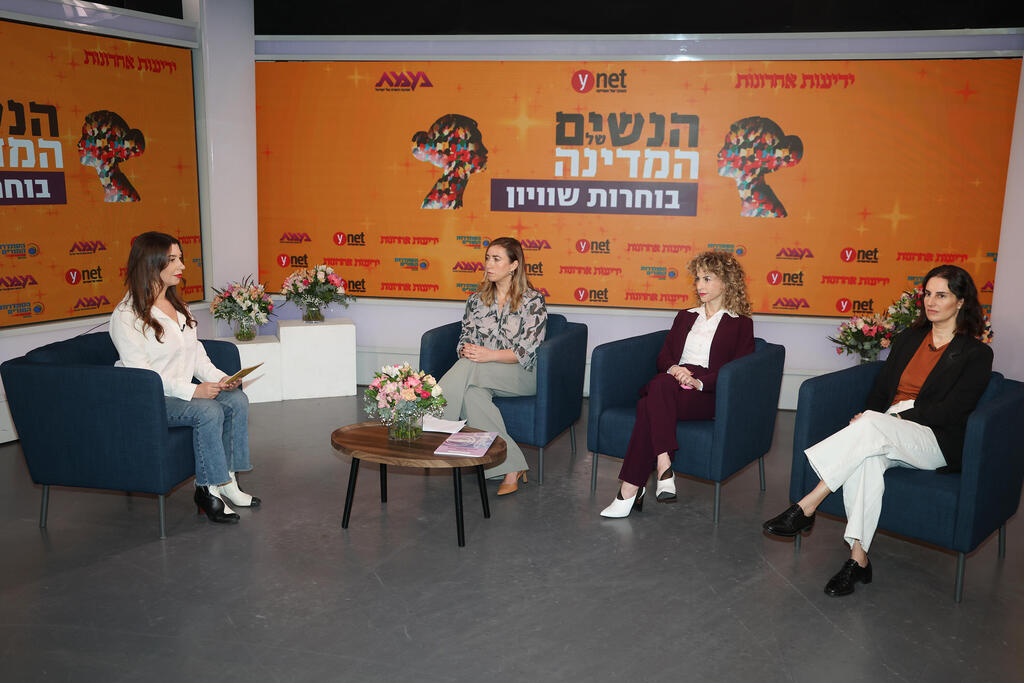
“The systematic and brutal sexual violence that began on Oct. 7 and continued during the abductions and in captivity was not random, but a real strategy,” she said.
Elkayam-Levy, an Israel Prize laureate, head of the Civil Commission and a lecturer at Reichman University’s Lauder School of Government, was among the first to document and publicly address the sexual crimes committed on Oct. 7. She said the effort was carried out amid what she described as unprecedented denial, including by international organizations.
“We very quickly understood there was denial, including from international organizations whose historic and universal commitment was to stand with victims,” she said. “We threw ourselves into a hell of watching dozens of materials and collecting them into a historical archive of testimony.”
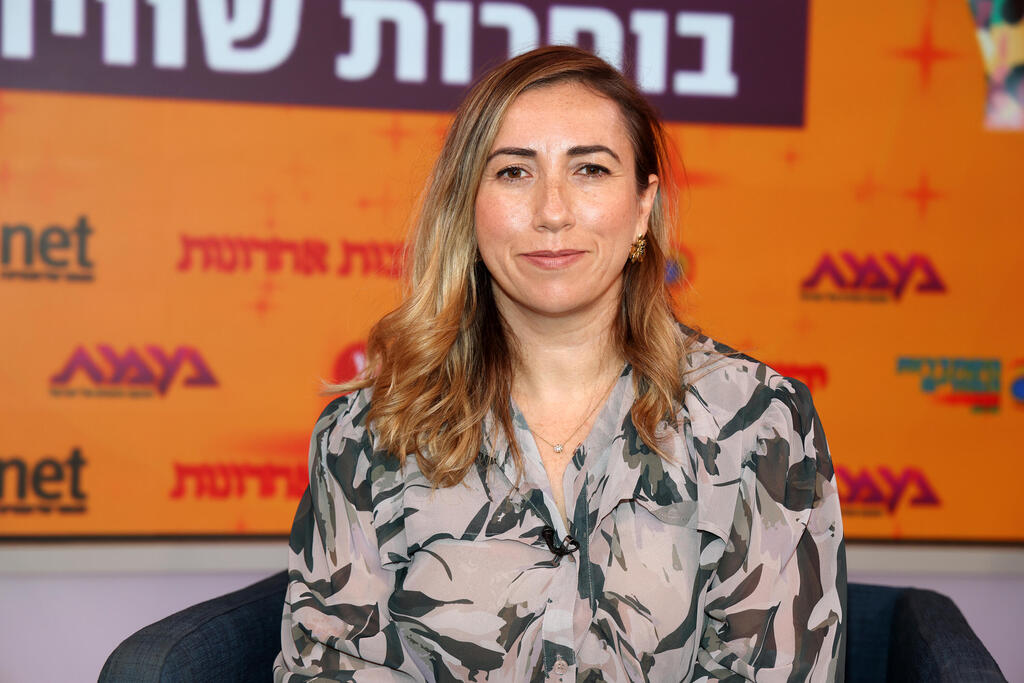
Dr. Cochav Elkayam-Levy
(Photo: Yariv Katz)
She said the report was built as a legal archive with evidentiary value and includes new testimonies, along with material already made public.
“This report creates a different reality,” she said. “It will no longer be possible to deny the sexual crimes.”
Elkayam-Levy said the full report is intended mainly for decision-makers, legal professionals and experts, not the general public.
“There is a moral and professional obligation for decision-makers in the government and around the world to watch, read and know every detail we wrote,” she said. “Not every person in Israel needs to read this report, certainly not in full detail.”
She said the source materials are being kept in a closed international archive headed by a senior figure from the USC Shoah Foundation’s Spielberg archive, and that the published report includes only a fraction of the testimonies gathered from captivity survivors and witnesses.
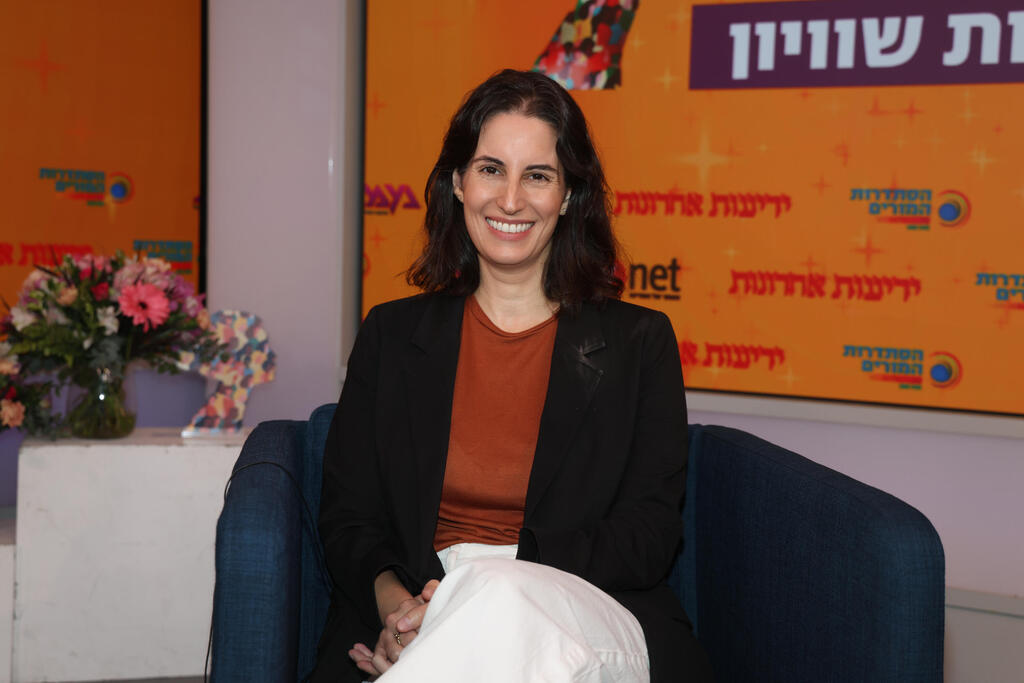
Shiran Mlamdovsky Somech
(Photo: Yariv Katz)
The panel also addressed the use of artificial intelligence to help sexual violence survivors in conflict zones share their stories without exposing their identities.
Shiran Mlamdovsky Somech, founder and CEO of Generative AI for Good, said her project uses AI-generated avatars to protect survivors whose lives could be endangered if they speak publicly.
“The words are real, the testimony is real, sometimes the voice is real — only the face is AI-based,” she said. “There is no other way for us to allow these women to speak without endangering them.”
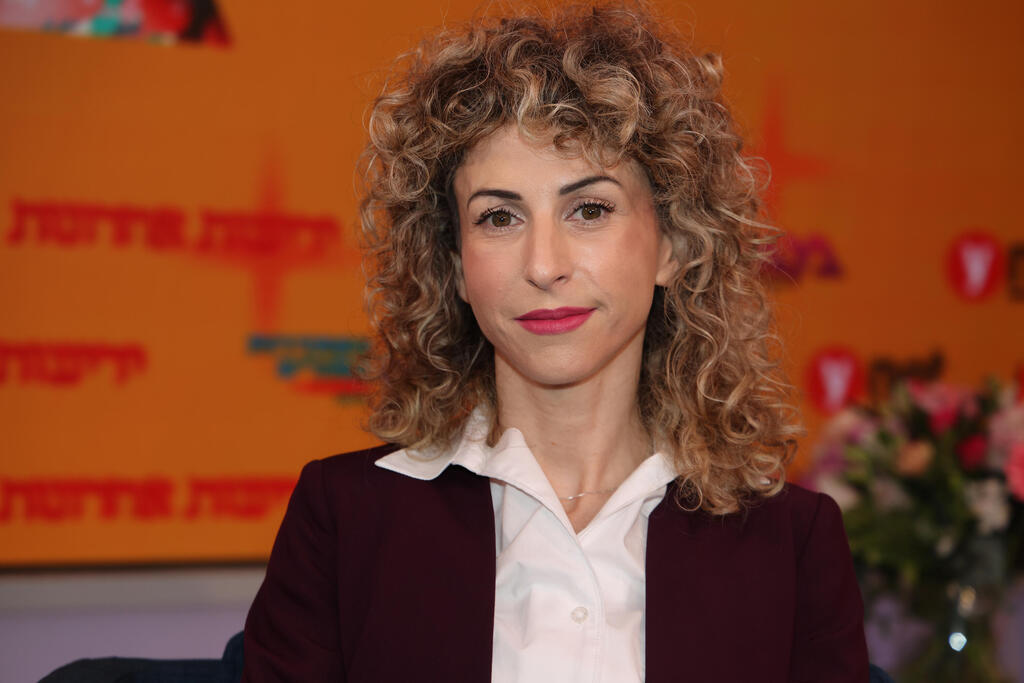
Dr. Sawsan Kheir
(Photo: Yariv Katz)
Dr. Sawsan Kheir, a lecturer and researcher at the University of Haifa, said survivors in conservative societies face severe risks for speaking about sexual violence. She cited Suwayda in Syria, where she said testimony has recently begun to emerge about rapes and other atrocities.
“In a very conservative society, simply speaking about these things is almost impossible,” she said.
First published: 17:38, 04.27.26