

On a summer night in August 1957, moviegoers stood outside Cinema North in Tel Aviv, waiting to see Robert Bresson’s A Man Escaped. Minutes later, the title would take on a grim meaning.
A masked young man wearing a beret and red rubber gloves arrived at the theater on Louis Marshall Street, pointed a gun at the cashier and demanded the day’s receipts. He then fled, firing indiscriminately at people waiting in line.
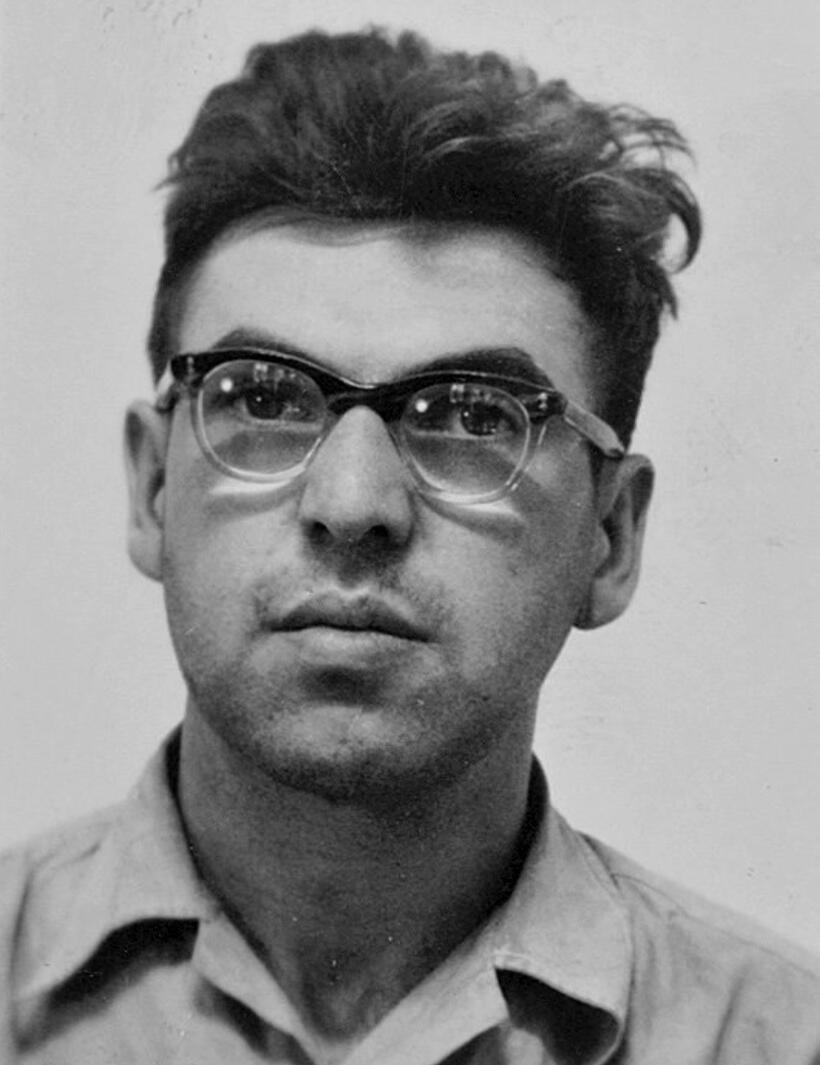
One bullet struck Dr. Fidia Yaakov Piatelli, an Italian-born aeronautical engineer who had fled fascist race laws and later helped build Israel’s Air Force during the War of Independence. He also served as chief engineer of Bedek Aviation, later known as Israel Aerospace Industries.
The killer disappeared into the darkness, setting off a manhunt that lasted nearly a year. Police tried a then-innovative method of producing a facial composite based on witness testimony, but it failed to produce a breakthrough.
The first lead came 13 months later, after a random fight at a cafe led police to a criminal hideout where a stolen weapon was found. One suspect muttered, “It’s Tommy’s,” pointing investigators toward Rafael “Tommy” Blitz, a 24-year-old with a criminal record.
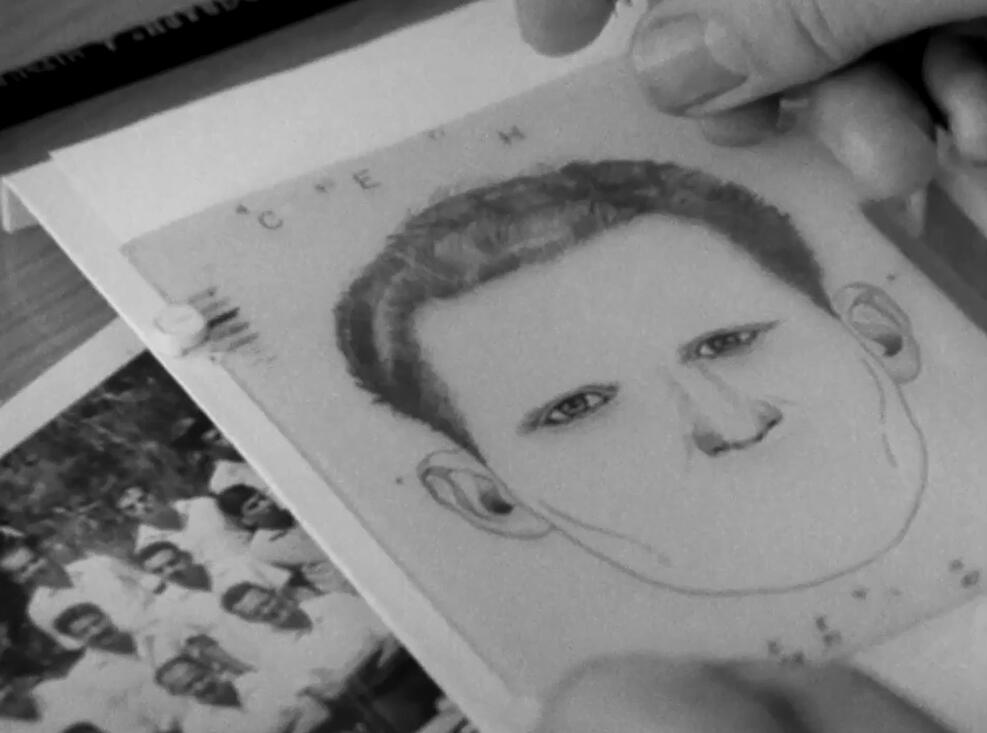
(Photo: Kan 11)
A ballistic test found that the gun had fired the bullet that killed Piatelli. Together with Blitz’s confession, the evidence led to his conviction and a life sentence in Ramle Prison.
Blitz’s life story was already marked by trauma. He was born in Antwerp in 1933 to a Jewish father and a Christian mother who collaborated with the Nazis. In 1940, his father was taken to a forced labor camp and later returned broken. He died soon afterward.
Blitz, then 7, was sent to a Catholic monastery, where his Jewish identity was effectively erased. In 1948, he immigrated to Israel through Youth Aliyah with his half brother, Patrick. His mother stayed in Europe, fearing Israel might prosecute her for collaborating with the Nazis, and later demanded that only Patrick be returned to her.
Blitz was left alone again. He moved from the monastery to a yeshiva in Bnei Brak, tried studying mechanics at an ORT school and eventually drifted into crime.
Prison did not end his notoriety. In May 1961, while inmates were watching the Brigitte Bardot film Babette Goes to War, Blitz escaped from prison with Nahman Farkash, already known as a serial escape artist.

Nahman Farkash
(Photo: Efi Shrir)
The two stole a motorcycle with a sidecar but ran into a police checkpoint near Holon. Farkash was caught, but Blitz escaped again. He reached Kibbutz Yagur, entered a children’s house at night and hid in the bed of one of the girls before continuing north and crossing into Syria.
After three months of questioning, Syrian authorities concluded he was no more than an escaped prisoner and returned him to Israel. He later found shelter with a Druze family before being captured again.
Back in prison, Blitz became part of one of the most unusual chapters in Israeli criminal history. Heineke Piatelli, the widow of the man he murdered, chose to forgive him, drawing strength from her Buddhist faith. She visited him in prison, supported him and funded his music studies.
Blitz became a model prisoner. In 1967, he was featured in the award-winning radio documentary Dial: A Prisoner’s Day. He also worked with a young linguist to compile a dictionary of Israeli criminal slang, helping introduce terms such as “zinzana,” a prisoner transport vehicle.
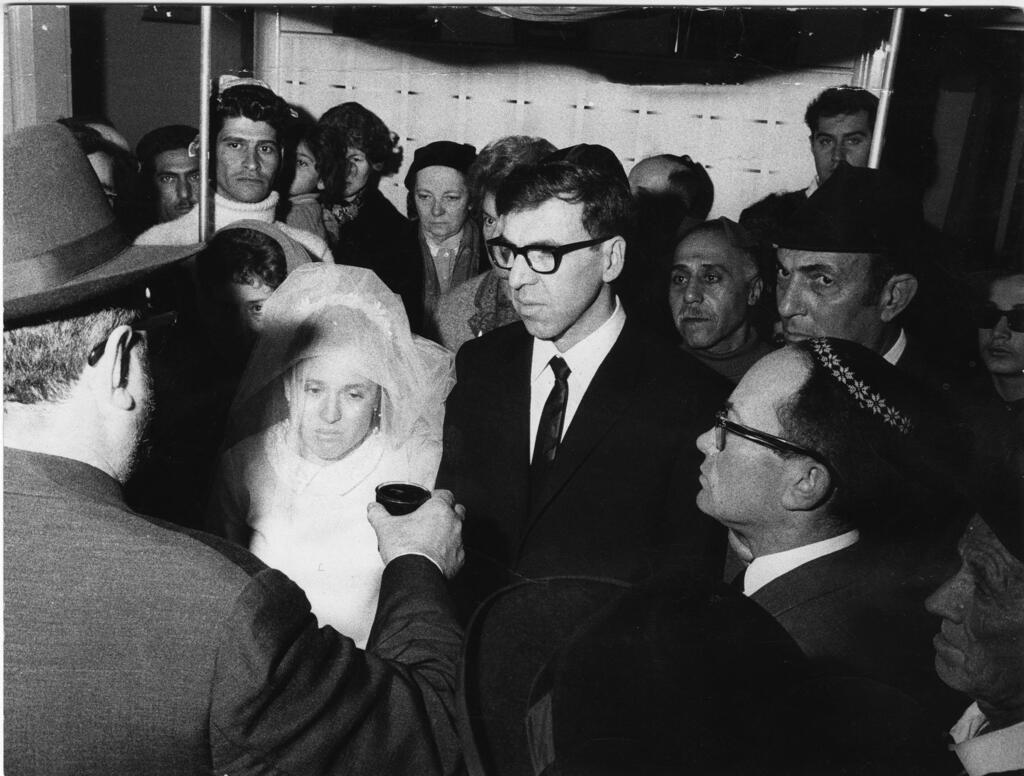
Blitz at his wedding
In 1969, he married Ahuva Margolin in prison. Heineke Piatelli, the victim’s widow, attended the ceremony.
Blitz was released in 1973 at age 38, started a family and tried to support himself as a music teacher. But the story did not end in rehabilitation.
In 1977, 20 years after her husband’s death, Heineke Piatelli died by suicide, drowning in a lake in Switzerland.
A decade later, Blitz was convicted of indecent acts against several music students and sent back to prison for years. He died in 2001.