

A year after six hostages were killed by Hamas terrorists in a Gaza tunnel, survivor Eliya Cohen said he is still struggling to recover, speaking in an interview with CNN aired Tuesday overnight.
Cohen recounted the bond he formed with fellow hostage Hersh Goldberg-Polin, who was among the six hostages murdered last year, the difficult farewell to Alon Ohel upon learning of his impending release and the emotional toll of knowing 20 hostages remain in captivity. “I know what they are going through at this very moment,” Cohen said.
Six months after his release, Cohen said he continues to feel guilt for being free. “I feel guilty when I eat, when I shower, even when I go to the hospital — because I know what the hostages in captivity are feeling right now,” he told CNN. “I feel the weight of the hostages in captivity on my shoulders. They are family I cannot allow myself to forget.”
Cohen was at the Nova music festival with his girlfriend Ziv Abud on October 7, 2023, when Hamas terrorists breached the Gaza border under heavy rocket fire. He and Abud along with about 30 others hid in a bomb shelter, but attackers threw grenades inside. Those at the front of the bunker were killed instantly.
“I talked with Ziv a lot … trying to see if she was alive,” Cohen said. “She told me, ‘At least in heaven, we’ll be OK.’”
Cohen was wounded in the leg and taken by terrorists along with Hersh Goldberg-Polin and Or Levy, leaving Abud behind. “I was sure I’d never see her again,” he said.
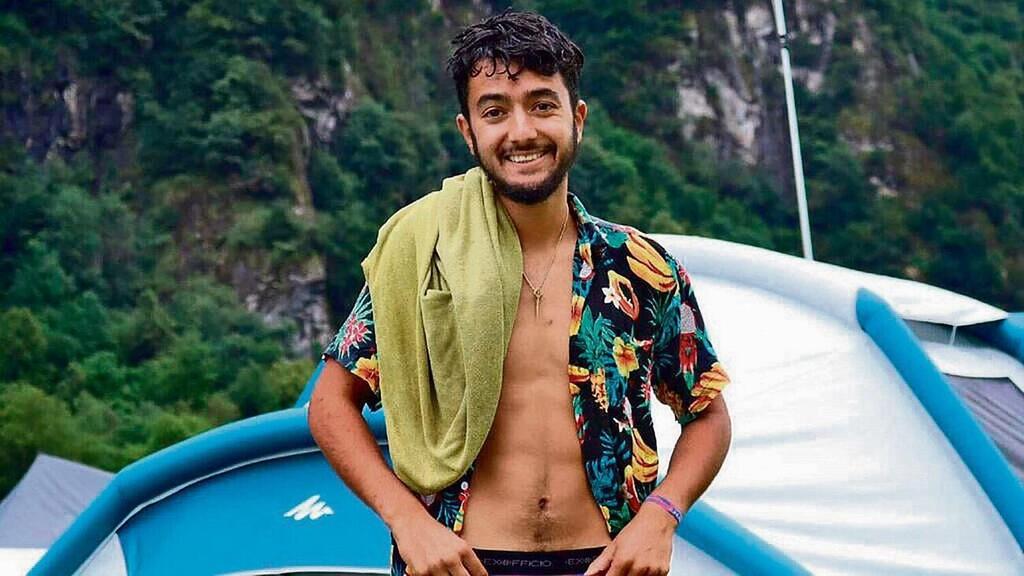
During 505 days in captivity, Cohen was chained underground in a small dark tunnel with Levy, Eli Sharabi and Alon Ohel. The hostages shared minimal rations of pita bread and canned beans, could shower only once every two months and went a year without brushing their teeth. “For eight months, we slept on the floor … I dislocated my shoulder countless times. We were weak,” Cohen said.
Cohen credited his survival to the relationships he formed with fellow hostages, especially Goldberg-Polin. The two first met in a bomb shelter, where Cohen saw the injury that severed Goldberg-Polin’s left arm. They were briefly reunited in a tunnel two months later. “We were together for three days, but it felt like we’d been friends for ten years,” Cohen said. Goldberg-Polin even helped him practice English, lending him a book to read.
Cohen had hoped Goldberg-Polin would be released in a first phase of a hostage exchange, but Hamas killed him and five others when Israeli forces approached the tunnel. “I cried a lot. I couldn’t believe it,” Cohen said.
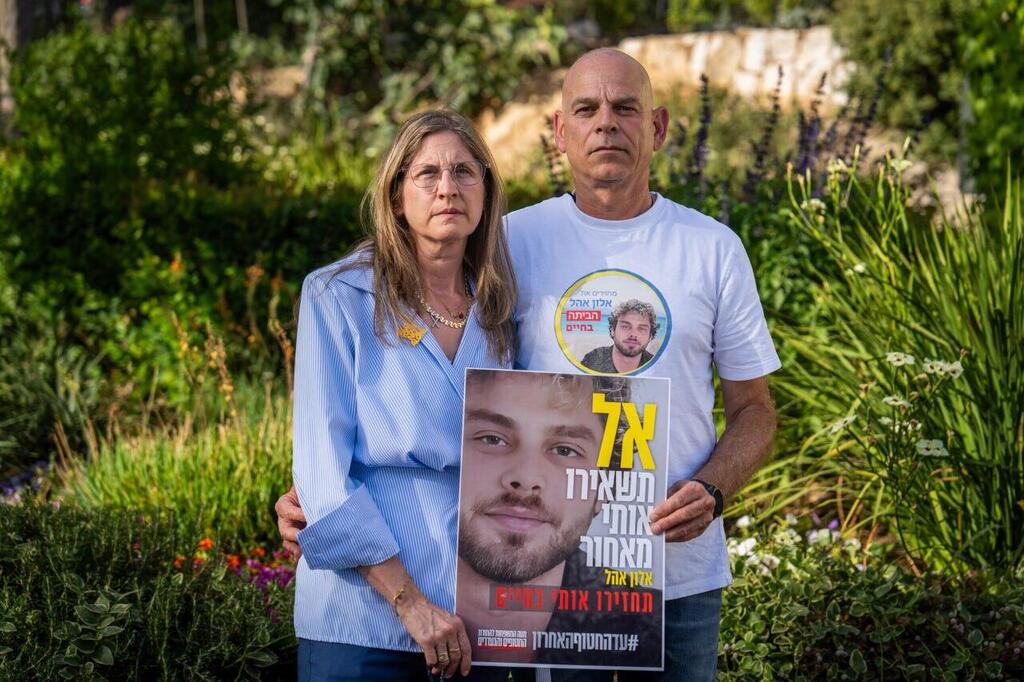
Alon Ohel's parents Kobi and Idit
(Photo: Shalev Shalom)
Cohen also reflected on the last hostage he was held with, Alon Ohel. After Levy and Sharabi were released in February, Cohen was told he would be next, leaving Ohel behind. “It was a difficult situation … we hugged and cried. I promised him I would fight for his release in Israel,” he said.
Upon returning home, Cohen discovered that Abud had survived the bomb shelter and had campaigned for his release during his captivity. “I can’t put into words how it felt,” he said. “For a week, it felt like a dream just to look at her.”
Cohen described his brief view of Gaza during captivity as an “apocalypse” and stressed that the remaining hostages’ release will require negotiation. He urged Israeli Prime Minister Benjamin Netanyahu to return to talks, saying, “I believe they can bring all the hostages home the same way I came home.”