

At 6:28 a.m. on October 7, 2023, Chen and Ofir Attias were still an ordinary couple from Rishon LeZion. She worked in insurance, he was a plumber, and they loved dancing and celebrating life.
After three years of fertility treatments, they had one overriding dream to become parents. Less than an hour later, their dream had become far more basic: they just wanted to stay alive.
Gallery
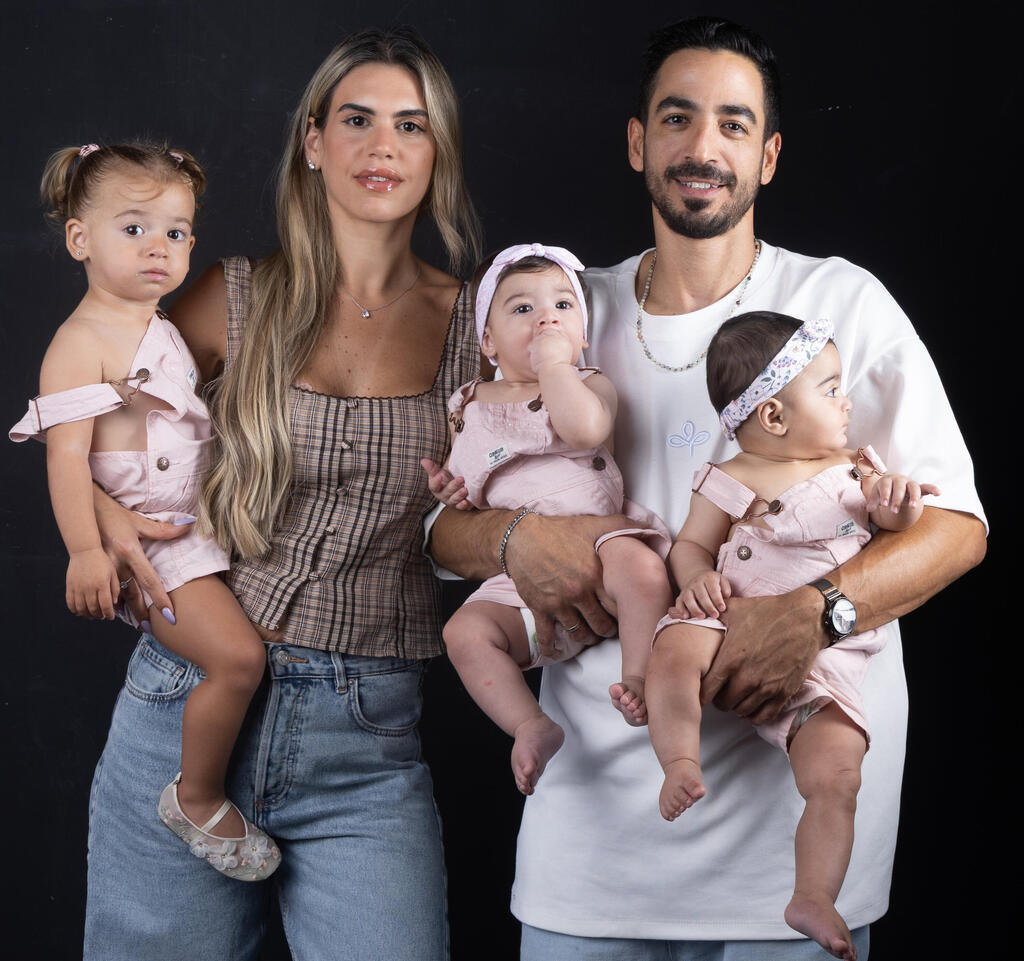
“My whole life flashed before my eyes.” Chen and Ofir Attias with Maya and twins Liv and Reef
(Photo: Avigail Uzi)
“We got to the Nova festival at around 6 a.m., and just as we finished settling in, all hell broke loose,” Chen recalled. “I remember that in the first moments we somehow stayed calm, probably because we were in shock. Friends called and said, ‘They’re shooting at us,’ and we didn’t really understand what was happening. We heard gunfire and bullets whistling overhead, but we said ‘Maybe the IDF is responding.’”
As the situation deteriorated, the couple got into their car and tried to escape. “There was insane panic,” Ofir said. “They were shooting at us with rifles and then machine guns. It didn’t feel real. At one point we saw a ditch and hid in it.
“I remember that even though I was terrified, I looked at Chen and promised myself, ‘I’m getting her out of here.’ I held her hand and said, ‘I love you, and everything is going to be OK.’ My whole life flashed before my eyes. What I had done, what I hadn’t done. I thought: Is this it? Is everything over? I only just got married. I haven’t even started a family.”
Nearly three years after the couple lay trembling in that ditch, Chen and Ofir are now a family of five, with 2-year-old Maya and 7-month-old twins Liv and Reef. Most days, the terror of death has been replaced by worries about diapers, baby formula and which preschool to choose.
Shlomi and Asthar Tubi were also very different people in October 2023, at what seemed like the height of their lives. The couple, who had met, fittingly, at a trance party, came to Nova to celebrate their bachelor and bachelorette party. Just two weeks earlier, Shlomi, a multidisciplinary artist, had proposed to Asthar, an insurance professional who was then four months pregnant.
“It was actually the first time I was meeting Asthar’s friends,” Shlomi said. When rockets began being intercepted overhead, Shlomi went to get their car while Asthar got into another vehicle, separating the couple amid the chaos.
Shlomi’s escape included hiding in the ground as gunfire raged around him. “I was lying in a potato field while a powered paraglider was shooting at me from above, RPGs were being fired to my right and left, and bullets were hitting the ground next to me,” he said. “I told myself, ‘This is not going to be my grave. There’s a woman waiting for me.’
“Everywhere around me I saw people being kidnapped and taken to jeeps, and I told myself, ‘I promised Asthar’s parents I would protect her. If I have to, I’ll go into Gaza instead of her. I won’t let my child grow up there.’”
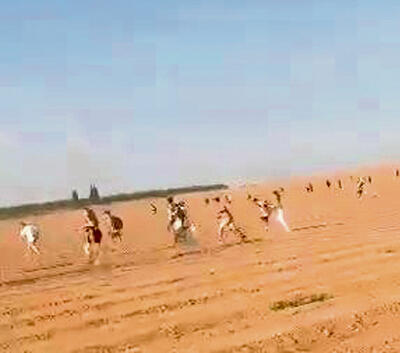
Run without looking back. The escape from Nova
Asthar, meanwhile, had abandoned the car she was in and begun running.“I ran without looking back because I didn’t want to see the horrors,” she said. “I remember talking to God in my head. I said, ‘There’s no way I waited until now to become a mother and this is how it ends. I trust you that the baby will come out healthy and whole.’ I asked that Shlomi survive too, because, ‘What, am I going to be a mother alone?’”
As she ran, Asthar also spoke to the unborn child inside her. “I told him, ‘Protect yourself. It’ll be OK. God is watching over you, Mom is here protecting you, we’ll be somewhere safe soon.’”
After hours of escape, the couple finally found each other near the community of Patish. “I ran toward Patish for 20 minutes until I found her among hundreds of people who were fleeing,” Shlomi said. “That was when I knew God was with me and we were getting out.”
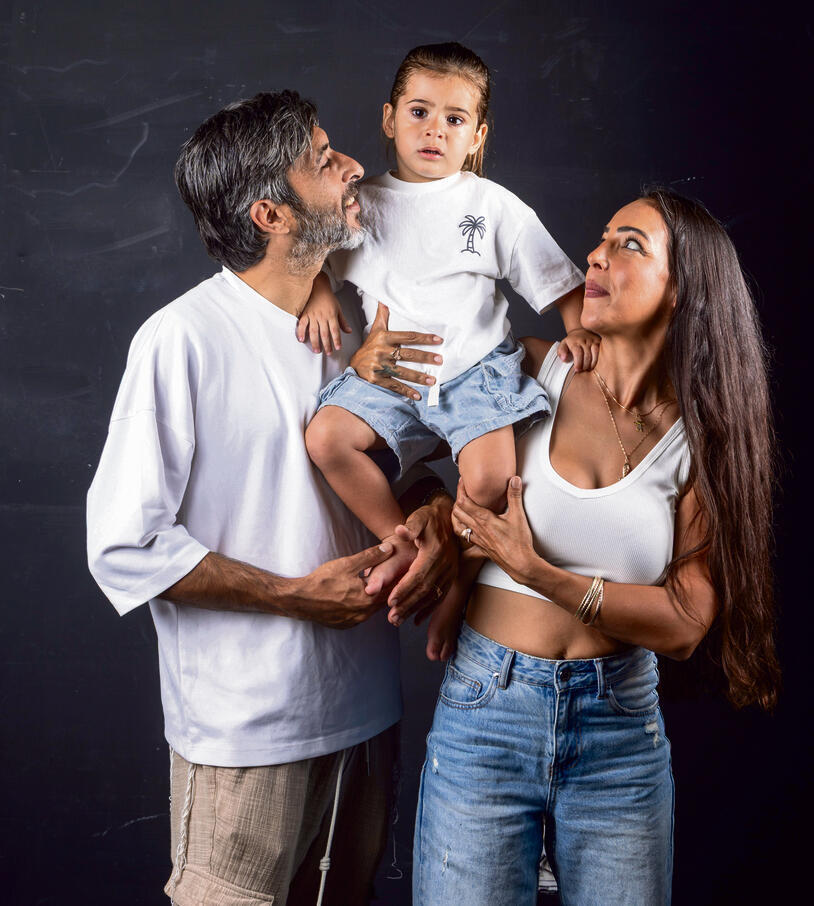
“God saved us so he could be born.” Asthar and Shlomi Tubi with their son, Benaya-Moshe
(Photo: Avigail Uzi)
A nurse examined Asthar in Patish, but she said she did not truly breathe again until the next day, when doctors at the hospital told her the fetus had a heartbeat and everything appeared normal. “The feeling I carried throughout the pregnancy was that God saved us so this child could be born,” she said.
They named him Benaya-Moshe, “Because Ben Yah means ‘son of God’ in Hebrew,” Asthar said. “But also because the rabbi told us that the Hebrew numerology of Benaya-Moshe equals 412, which at the time was the number of people killed at Nova.”
“We were living the dream”
Benaya-Moshe, Maya, Reef and Liv are just four of 120 babies born to survivors of the southern Israel music festivals, including Nova and Psyduck, and to bereaved Nova families.
According to the Nova Community nonprofit, which tracks the figures and provides mothers and families with emotional, psychological and financial support, another 12 babies are expected soon, representing new lives emerging from the ashes of the dance floor near Kibbutz Re’im.
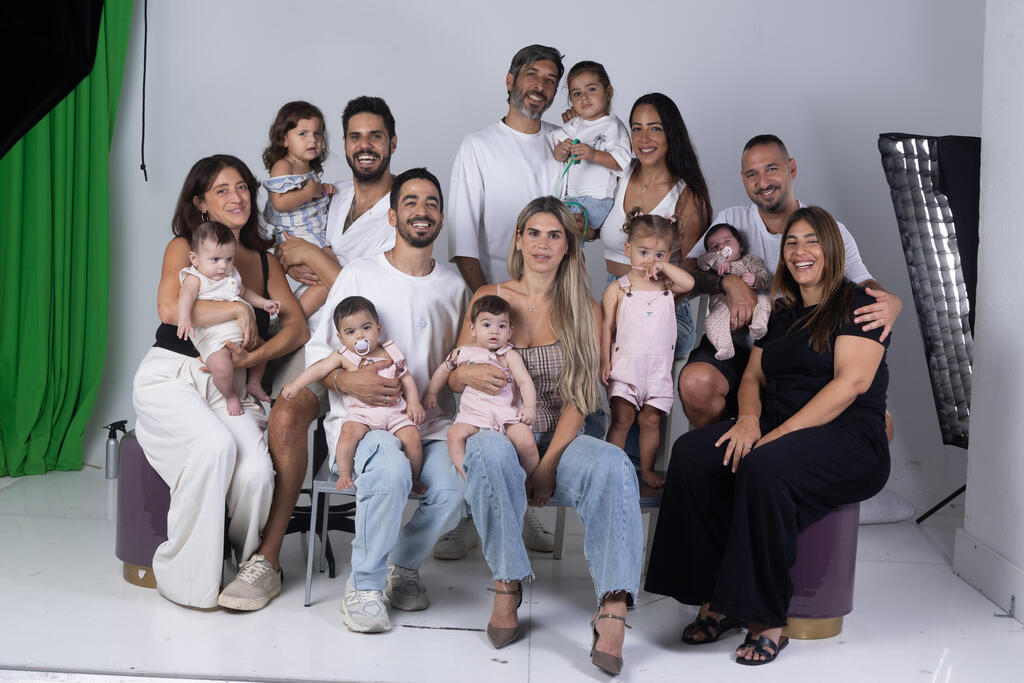
Nova survivors who became parents
(Photo: Avigaill Uzi)
Sarah Dahan had set herself a reminder to take a pregnancy test on October 9, 2023. She had married Adir, a musician and trance producer from Bat Yam, that June. The couple spent their honeymoon in Mexico surrounded by music and celebration, returned to Israel in September and quickly bought tickets for their next trance party, where they planned to reunite with friends including Chen and Ofir Attias.
“We got to the party at 2 a.m., and I remember looking at the clock at 5:55 and telling Adir, ‘What a beautiful time,’” Sarah said. “Half an hour later it started.”
At first, they got into their car and waited for things to calm down. Then they began driving toward Route 232 while receiving increasingly terrifying calls. “People were calling us saying a friend had been shot, girls were screaming that another friend had been shot,” Sarah recalled. “We thought they were having a bad trip. We couldn’t process that this was actually happening.
“Only when we got stuck in traffic and saw police officers shouting, ‘Get out of the car, there are terrorists,’ did we grab ourselves and run.”
Sarah and Adir had arrived with brothers Ron and Gal Segev but became separated while running through the fields. “All the time I felt someone was watching over us, as if someone had decided, ‘You are getting out of here alive,’” she said. “I remember looking up at the sky and talking to God: ‘I just got married. I waited so long. What, you let me get married just to take me away? Don’t you want me to have a family?’
“And then I remembered the pregnancy test I was supposed to take. The moment I thought, ‘Maybe I’m pregnant,’ I suddenly felt certain I wasn’t going to die.”
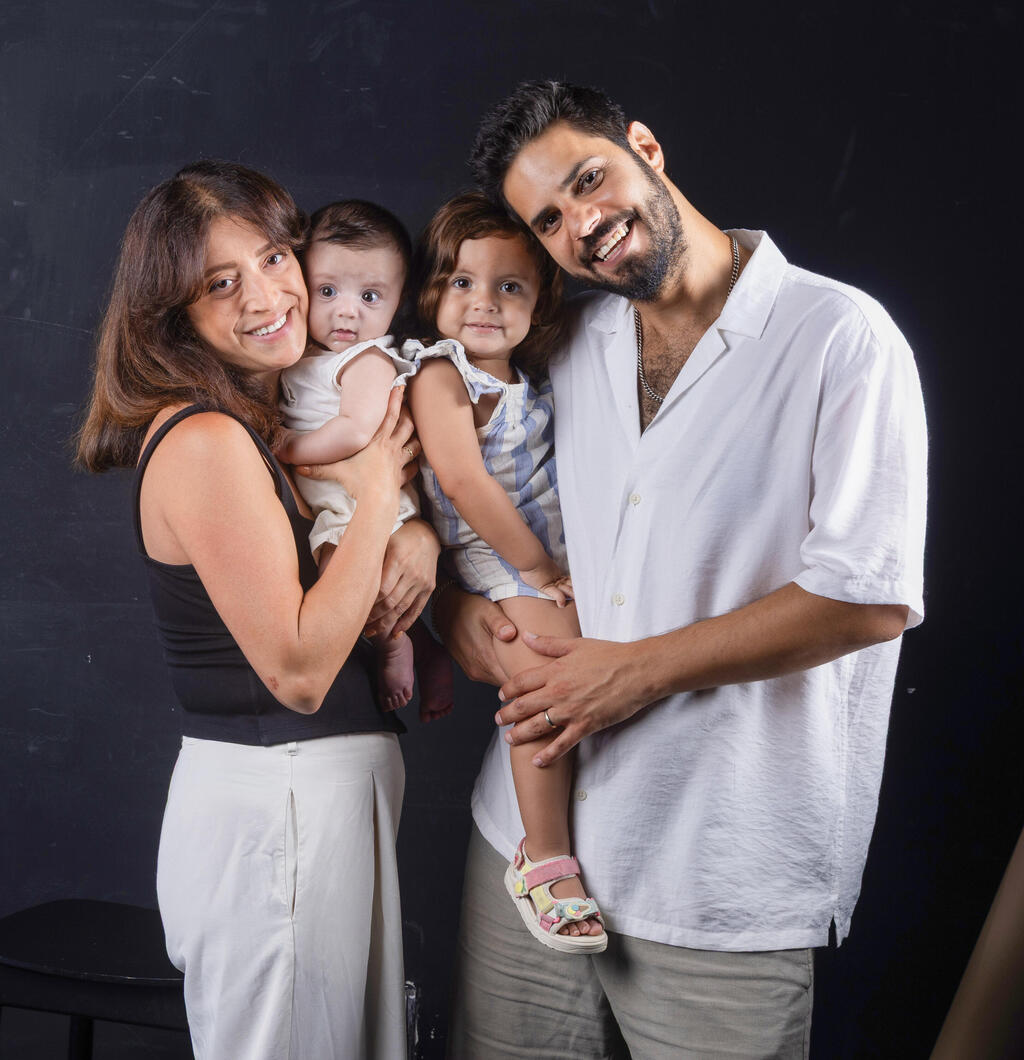
“The moment I thought, ‘Maybe I’m pregnant,’ I felt certain I wasn’t going to die.” Sarah and Adir Dahan with Shaya and Ari
(Photo: Avigail Uzi)
In the end, the Dahans were rescued by brothers Ron and Gal Segev, who found a running vehicle and began picking up people fleeing through the fields.
“One of them later told us that he thought he was going to die, closed his eyes and suddenly saw his bar mitzvah in his mind and thought of the number 13,” Sarah said. “Afterward he found the vehicle and rescued us. When we got home, I thought, ‘He said he saw the number 13, but there were 12 of us in the car.’ Two days later I found out I was pregnant. So actually, there were 13.”
Their daughter, now 2, was named Shaya, meaning “gift from God” in Hebrew. Her younger brother, born about six months ago, was named Ari (lion, in Hebrew) after Operation Roaring Lion. “Shaya was actually supposed to be called Emma,” Sarah said. “That was the name we had wanted for years, but when she was born, I felt it didn’t suit her because she was a gift from God.”
For Nati Ganon, a barber from Bat Yam who loved trance music and living life at full speed, the chapter of having children appeared to be over. He and his wife, Shiran, went to Nova after leaving their three older children at home.
“We lived the dream,” he said. “We had an apartment in a tower with a doorman and a gym, a new SUV. I worked hard and Shiran helped me. We traveled a lot. Every two months we would go on vacation, go out to restaurants, cafés. Whenever I talked to Shiran about having more children, she always said, ‘May God protect what we have and give children to those who want them.’”

Shiran Ganon z"l
(Photo: Courtesy of the family)
They arrived at Nova at about 3:45 a.m. “We said we’d watch the sunrise, stay a few hours and be home by noon,” Nati said.
When the rocket fire began, they packed their belongings into the car and tried to leave but became trapped in traffic. “At one point our car got stuck, and we were left trying to figure out what to do. You don’t know where to go, you don’t know the area.
“Shiran and I held hands from the beginning until the moment I was shot, for about an hour and a half. At one point we got into one of the cars, the driver made a U-turn and then the car came under fire. Shiran, who had been hit in the thigh, asked, ‘What is this, Nati?’ I told her, ‘Don’t worry, everything will be OK,’ and made her a tourniquet out of my hoodie.
“We decided to run. As soon as I opened the door, I turned my head to the left and saw a terrorist standing about 200 meters away. He shot me in the leg and completely shattered it. Instinctively, I tried to keep running, but I couldn’t. My whole leg had collapsed. Shiran could still move despite her injury, so I told her, ‘Run and don’t look back.’ That was it. That was the last time I saw her.
“From that moment on, I lay on the ground pretending to be dead. There was gunfire all around me, footsteps, cries of ‘Allahu Akbar.’ I could already hear the terrorist above me loading his weapon, and I told myself, ‘This is it.’ But somehow they moved on. Then a terrorist threw grenades and explosives into cars next to me, and they blew up. The blast lifted my body off the ground.”
“I lay there in the field for five hours and prayed. I told God, ‘For my children, I’m willing to get out of here even without a leg.’ I was rescued at 1:15 p.m. They took me to Soroka Medical Center and from there to Ichilov Hospital in Tel Aviv. I still have injuries to my back and leg.”
How did you find out Shiran had been murdered?
“Five days later, two social workers came to the hospital and told me. It took time to identify her. I didn’t go in to see her body because I wanted to remember her the way she was before Nova.
“At first, I wished I could trade places with Shiran so she would still be alive. But I came to understand that this was fate, God’s will, and I looked for a way to lift myself up. I had to be strong for my three children. I had to show them how you overcome things like this.”
Almost three years later, Nati is sitting on a couch changing diapers and feeding 3-month-old Naya, the daughter he had with his second wife, Bat El.
The couple married in March 2025 and moved from Bat Yam to a house in Rishon LeZion, where Nati runs a barber shop on a schedule that suits him. The rest of the time he is a father to Ilay, 18, Ori, 14, Mai, 11, and baby Naya.
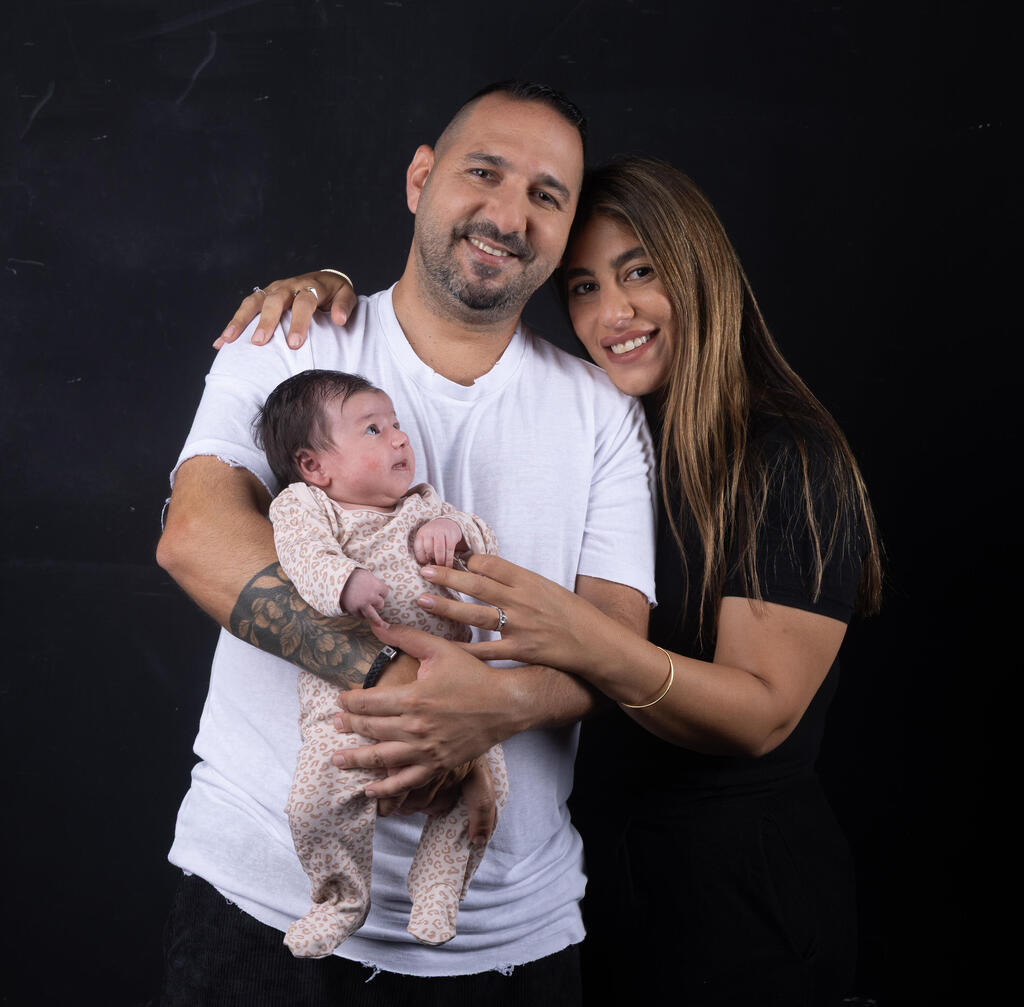
“In memory of the moments when I prayed I would make it out alive.” Bat El and Nati Ganon with Naya
(Photo: Avigail Uzi)
“Her name combines the Hebrew words Na and Yah,” he explained, “meaning ‘please, God,’ in memory of those moments when I prayed that I would make it out alive.”
‘From someone who feared nothing, I became anxious’
The children have brought enormous meaning to the lives of survivors. But being the parent of a baby or toddler in Israel in the years since October 7, amid repeated sirens and war, is difficult even without the added burden of having survived Nova.
Pregnancy itself can magnify that trauma. “Suddenly, from being the strongest person, someone who wasn’t afraid of anything, I became anxious,” said Chen Attias, 32.
Returning to fertility treatment after Nova was difficult. “On the one hand, I wanted continuity,” she said. “On the other, my soul was sad. In shock. Disconnected.”
Her pregnancy with Maya was high-risk and involved repeated hospitalizations. “Because of Nova, I had trouble sleeping and fears. Even at the health clinic, every person looked like a terrorist to me.”
Then she became pregnant again, naturally, with twins. She kept telling herself she would begin focusing on her own mental health once Maya started preschool. But by then she was already six months pregnant. “For now, being intensely busy with the girls helps keep me from falling apart,” she said. “I stay collected, and that is what works best for me. I don’t let my mind wander.”
Do you ever think about what kind of mother you might have been if you hadn’t been at Nova?
“I think I would have been a different mother. Part of my pain and anxiety comes from seeing all the families whose children were murdered or kidnapped. Those thoughts never leave my mind.
“Sometimes I put myself in the place of a mother whose child was there, and I just can’t bear it. I don’t know if I’ll let my daughters go to parties. We haven’t gone back to the trance scene ourselves yet either, maybe because we’re in family mode right now. We’ll go back, but not yet.”
It is not easy to reconcile the profound joy with the painful memories, says her husband, Ofir, 39. “When the girls were born, I was incredibly happy, but my joy in life is no longer what it once was.
“During Maya’s pregnancy, we spent a lot of time in hospitals. Every morning I would light a candle and pray, ‘We survived the worst thing imaginable. Please let my daughter be born healthy, beautiful, smart and wise.’ Then it was as if God said, ‘I’ll give you the most amazing girl in the world.’ And still, it isn’t easy.”
How do you cope? Raising three young girls is difficult enough as it is.
“We try hard to maintain a normal home, but there’s no question that it’s hard to be the child of a Nova survivor. Before Nova, my daughters would have gotten the strong Ofir, the one who could absorb anything and cope with everything. Today, something in me is broken, damaged. There are escapes, triggers, breakdowns that come out of nowhere. Suddenly everything goes black and you think, ‘What the hell is wrong with me? I served in a combat unit. Why can’t I get past this?’
“Two days ago, for example, I kicked the dining table because the girls were crying. I didn’t understand what was happening to me. Then Maya, the oldest, screamed, and that scream snapped me out of it. But it was frightening, because screaming and crying in general sometimes take me back to the explosions and gunfire. They take me back to that person who was running from Nova.”
When you look at the other parents at Maya’s preschool, do you feel there’s a gap between you?
“In general, as a Nova survivor, I feel a gap between myself and everyone else. It shows up at work, at the supermarket, at preschool, where there are parents who are more involved than I am. I can’t take on extra commitments because, for me, every additional thing means more pressure and another trigger.
“During the wartime sirens, I was afraid to go out into the stairwell and head down to the shelter because, in my mind, terrorists could surprise us at any moment. I was embarrassed to tell the neighbors, but once they understood, they would knock on the door and ask if we were OK. It only eased a little after we moved to an apartment with a reinforced safe room.
“There’s no getting around it, the trauma follows you everywhere. But we have great hope for the future and a sense of optimism because we survived, and we’ll do the best we can for the girls. Chen and the girls are my greatest source of joy, and they give me the strongest sense of security in the world. Without them, I don’t think I could cope.”
Will you tell the girls about the unusual circumstances surrounding their birth?
“Only with professional guidance. First I want to know what age is best to drop something like that on them. Yes, we’ll tell them what Mom and Dad went through and about the friends we lost.
“The very fact that we have children means we defeated the trauma. I just hope the state also steps up and remembers that we are not ordinary parents. We are parents who are a little broken, a little shattered, trying to give our children a normal family. I want to know there will be someone there to care for these children, because as the children of Nova survivors, they’re going to need help.”
‘I dream that someone kidnaps him’
For Shlomi Tubi, parenthood has become inseparable from his fears. “We were anxious throughout the entire pregnancy,” he said of Benaya-Moshe, who was still in the womb during Nova.
“We didn’t go for treatment because we were afraid of being given psychiatric medication that could affect the baby. We were afraid even to talk about our trauma and fears in case someone took him away from us.
“All the time I had thoughts about what kind of world I was bringing him into, and fears that the child and we would be kidnapped. The nightmares continue to this day.”
What helps you cope?
“At first, we tried to skip over what happened and just be two normal parents, but it’s hard. If my son shouts ‘Dad’ in the middle of the night, I’m losing it. At that exact moment, I’m dreaming that someone is kidnapping him, and he doesn’t even know it.
“To me, our son is an incredible survivor too, because he was there himself. His mother, he and I jumped together from a 50-meter-high hill, rolled all the way down and made it out safely.”
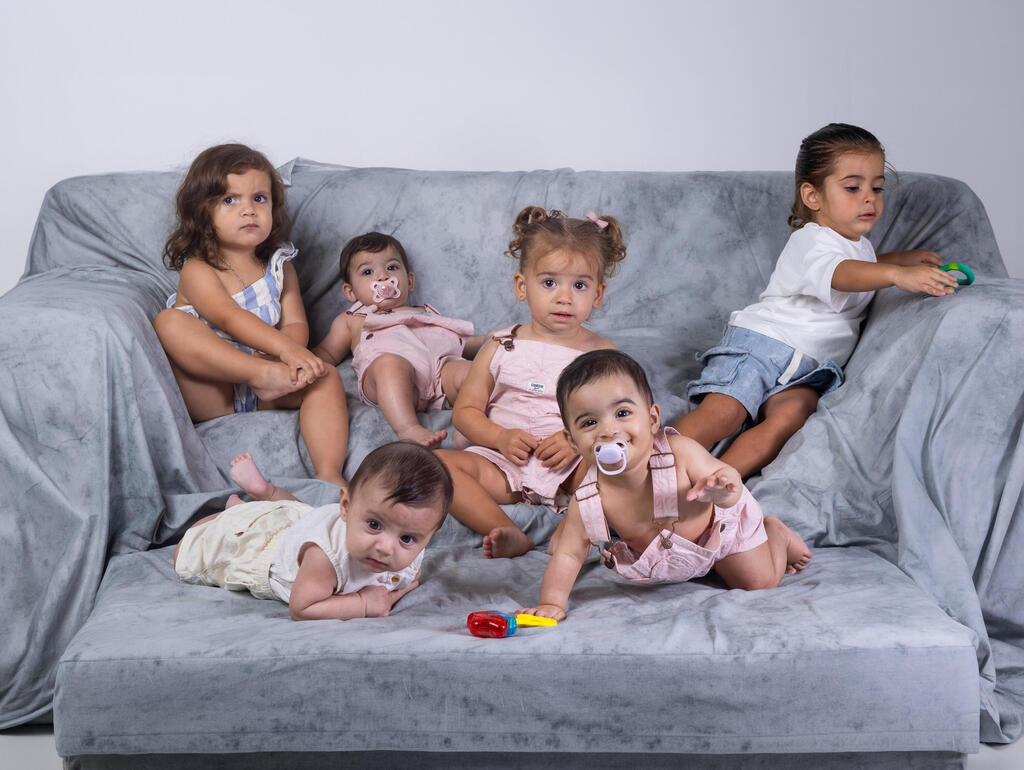
“Most of my triggers are connected to my son.” Babies born to Nova survivors
(Photo: Avigail Uzi)
Shlomi also has a 17-year-old daughter from a previous marriage, and the differences between the father he was then and the father he is now are striking, not just because of his age.
“Eliana, my oldest, had traveled with me to nine countries by the time she was 14. We went skiing, to Euro Disney and to parks around the world. When she was little, we were at the playground together every day.
“With Benaya-Moshe, I spend a lot of time at home. We draw, play and go feed birds in the field across from us. Why? Because the noise at indoor play centers is very hard for me, and traffic jams trigger me. Physically, we're also dealing with fibromyalgia, and everything hurts all the time.
“Despite everything, I’m so happy Benaya-Moshe came into the world. You wake up from a nightmare, see your child’s bed, and it immediately calms you down. It brings you out of the nightmare and back to reality.”
“During the pregnancy,” said his wife, Asthar, 37, “all I wanted was to make it safely to the birth. Afterward, everything came out. I struggle with myself every day: How is it that before Nova I did business in the United States, traveled the world, drove everywhere, and suddenly I can’t leave the house?
“There isn’t a day when I don’t have some kind of treatment. And what hurts most is that I’ve been around children my whole life, my friends’ kids, my nieces and nephews, and now that I finally have a child of my own, I’m not capable of taking him to an indoor play center because everything around me overwhelms me.
“Most of my triggers are connected to my son. At first, I checked every few seconds to make sure he was breathing. I wouldn’t even let myself be in the next room because I was afraid someone would come and kidnap him. I’m also constantly thinking, ‘Wait, did I lock the door?’”
Do you see all of this reflected in Benaya-Moshe too?
“Whether we want it to or not, our post-traumatic stress inevitably affects him. He is a little more alert, a little more watchful, like us. I have two friends who also gave birth after Nova, and there is something different about the connection between these children. They communicate with their eyes.”
And then, of course, there is survivor’s guilt. One of the most painful and enduring stories from Nova is that of Nitzan Rahum and Lidor Levi, who were murdered in what became known as the “death shelter.” Nitzan, 28, was four months pregnant at the time.
A few weeks ago, her sister Ofri appeared on the Israeli version of The Voice, told their story and performed Idan Raichel’s song “Longing.” For Asthar, who watched the show, it brought everything back.
“Of course I thought about Nitzan, who was pregnant just like I was, and I thought: That could have been me. It still stays with me, and it’s hard to keep thinking about the miracle that happened to me and ask myself, What did I do to deserve it?”
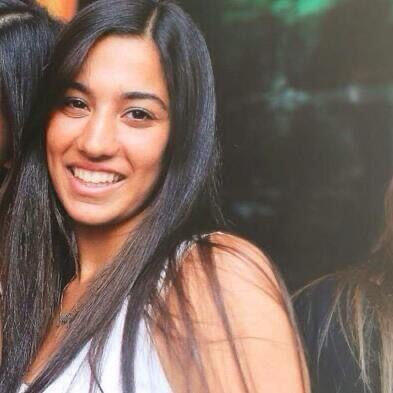
Murdered while four months pregnant. Nitzan Rahum
(Photo: Courtesy of the family)
Sarah Dahan, 38, was also pregnant during the festival, as she discovered on October 9, 2023. “I remember getting up at 6:30 a.m., taking the test and not believing it. Then I started crying. We couldn’t tell anyone either because it was still so early.
“Later, when the stories about the hostages began emerging, I imagined myself discovering the pregnancy in captivity and thought, ‘My God, what if I had been pregnant in Gaza?’ That thought never left me.”
Do you think you would have been a different mother if you hadn’t gone through what you did?
“We weren’t parents before, so it’s hard for me to know. What I can say is that today I’m a very patient mother. I’m constantly trying to create a calm environment for us, with as little stress as possible and without loud noises that startle me. It’s very important to me that the children grow up in a peaceful atmosphere.
“When I look at Shaya and Ari, I feel a sense of victory, and that nothing in life should ever be taken for granted. Someone above decided who would live and who wouldn’t, and I give thanks every day. Maybe without Nova, I would have taken it all for granted.”
“Finding out we were expecting, especially while rockets were falling and we were spending time in the safe room, was an overwhelming emotional contrast,” added her husband, Adir, 37. “But reality pushed us forward. You can’t sink or fall apart anymore. You have something to live for, something to hold on for, and it was clear to us that we would do everything for her.”
What about parties? Do you still go out dancing?
“Since Nova, I’ve understood that life is short and you never know what tomorrow will bring, so you have to be good parents and good people.
“Yes, we still go to parties, partly because it’s also my profession. The first party after Nova was in Shittim. We went with friends from Nova, and it felt like a small moment of victory. For me, trance is much more than music. It’s a culture built on values like mutual respect and acceptance of others. Even Shaya has already been to trance parties and absolutely loves it, including spending time with me in the studio.”
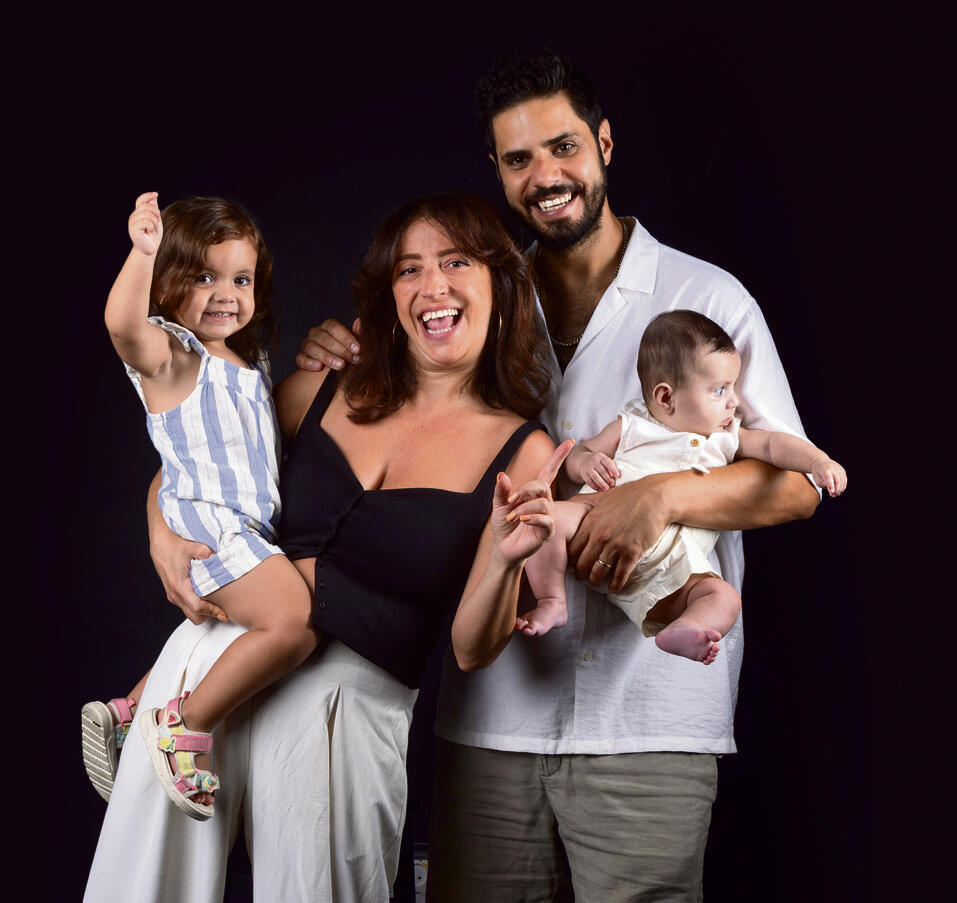
“You can’t sink or fall apart.” Sarah and Adir Dahan with Shaya and Ari
(Photo: Avigail Uzi)
What will you tell the children?
“We’ll tell them how we survived, but at the right age and when they want to know. In the end, this was also a national event that can’t really be hidden. It felt like a world war had broken out over our heads. We’re not erasing that night from our memory or from our lives. We even have a photo from the party at home. The Adir in that picture is just different from who I am today. I was more innocent then.
“I know Ofri, the sister of the late Nitzan Rahum, very well, and their story affected me deeply. You’re happy to be here, but at the same time you hurt and remember those who aren’t. I’ve thought about what it must have been like to be the parent of a child who went to Nova, and that’s the most terrifying thing there is. Since becoming a father, I understand much more of what my mother went through that day.”
“I don’t immediately tell our story to people I meet,” Sarah said. “Maybe because people are shocked when they hear it. I only tell them once I get closer to them. But I don’t hide it either. It’s part of my identity, part of who I am, part of the puzzle of my life, something very significant that I went through.”
“Every birth is a victory for life”
The Nova Tribe Community nonprofit provides emotional support to survivors and has also established “Born Together,” a holistic preparation group for pregnancy, childbirth and parenthood. The program is intended for survivors of the southern Israel music festivals, partners of survivors and women from bereaved families.
The group combines professional guidance and practical tools with a safe space for support, sharing and connection among women coping with similar experiences.
The nonprofit has also launched an initiative providing survivors and bereaved families who gave birth in 2026 with a 500-shekel grant for each baby. So far, 120 such grants have been distributed, with more expected to follow.
“Every one of these births is a victory for life,” said Reef Peretz, CEO of the Nova Tribe Community. “Every baby is a reminder of the power of life, continuity and the ability to grow even from profound devastation.
“Alongside supporting people through their hardest moments, we need to be there for the happy moments too, from pregnancy through birth and afterward, so they know they are never alone. The Nova Tribe family keeps growing, and all our hearts grow with it.”
Nati Ganon, now 42, embodies that sense of rebuilding. He married Bat El, 40, after Shiran was murdered at Nova. Bat El and Shiran had known one another but were not especially close.
“When I was in rehabilitation, she came to visit me, and from there it developed. I was the one who made the first move. At first she said, ‘What, is he OK? Is he crazy?’
“She was single then, and I remember always asking Shiran why Bat El wasn’t married and didn't have a relationship. So I also knew that if things were going anywhere between us, it would include marriage. I booked the wedding hall before I even proposed.”
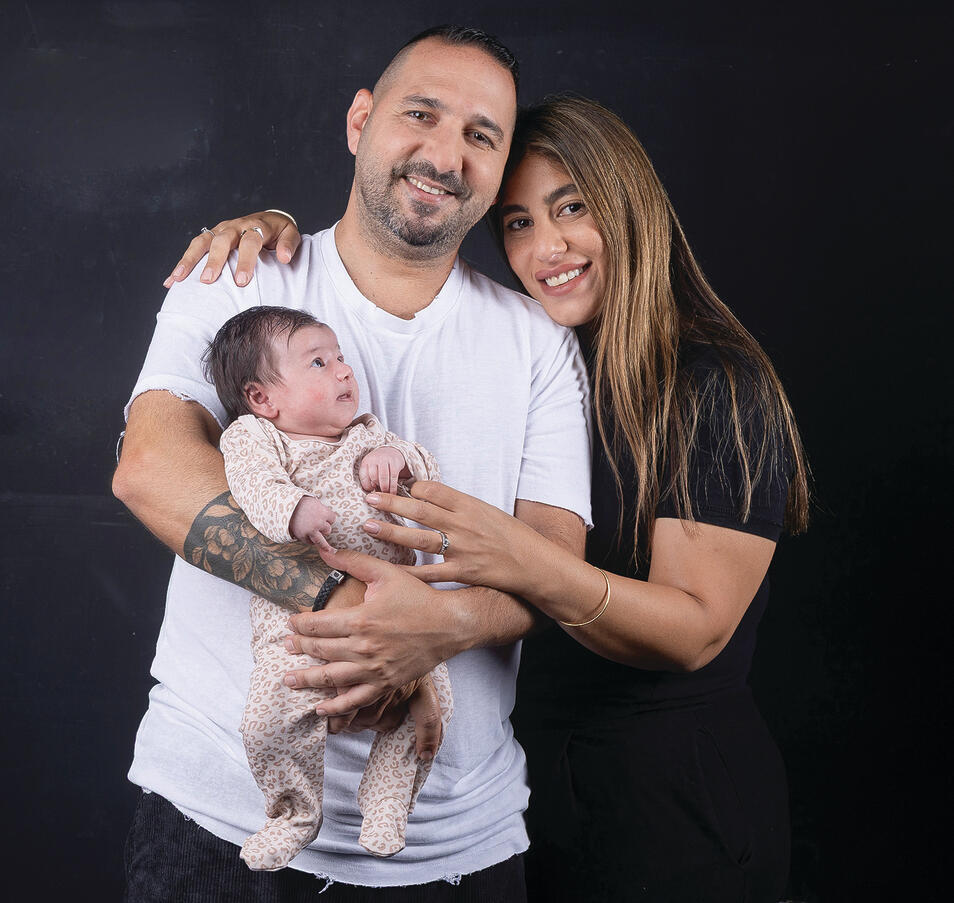
“The older kids fight over who gets to hold her.” Bat El and Nati Ganon with Naya
(Photo: Avigail Uzi)
Did you ever imagine you would have another baby?
“This little girl is a boost to life for me. A victory against all odds. A life was taken from me, and thank God, I brought a life into the world. Children are always a source of joy, but here it feels different, more powerful. Naya came into a family that had been through an earthquake.
“When Bat El told me she was pregnant, there was enormous excitement, tears. Walking into a hospital and going to the maternity ward instead of the rehabilitation ward, spending 18 hours in the delivery room, was incredibly emotional. This was something I had wished for.”
How did your children react to their new sister?
“With excitement and love. They said, ‘Too bad it wasn’t twins.’ The oldest, Ilay, is 18, so he’s less interested, but the girls, Ori and Mai, fight over who gets to hold Naya, who gets to look after her. They sit beside the stroller. I feed her too, pick her up and put her to sleep.
“She’s like a little toy in the house that everyone loves and cuddles. The only thing is, since she was born, I haven’t seen the inside of a café,” he joked. “But she’ll grow a little, and then we’ll leave her with family.”
And what about trance parties?
“I still go to parties. Trance is good for the soul. I left the fear at Nova.”