

"Look, I don't have any other addictions. I'm not prone to getting addicted to things like cigarettes, alcohol or substances like that," says Ofra Miron-Lichter firmly. "But I'm very prone to screen addiction, and by screens I mean all of them. First I got addicted to Facebook, then Instagram, TikTok and news websites."
Miron-Lichter is a clinical psychologist who was supposed to talk about "the phenomenon." Instead, she offers a candid account of her own addiction to screens, social media and news updates, which turned her into a "junkie," as she describes herself. Her family even blocked her access to the Haredi news website Behadrei Haredim, where she had been getting her news after all the other websites had been blocked as part of a self-imposed detox program.
Gallery
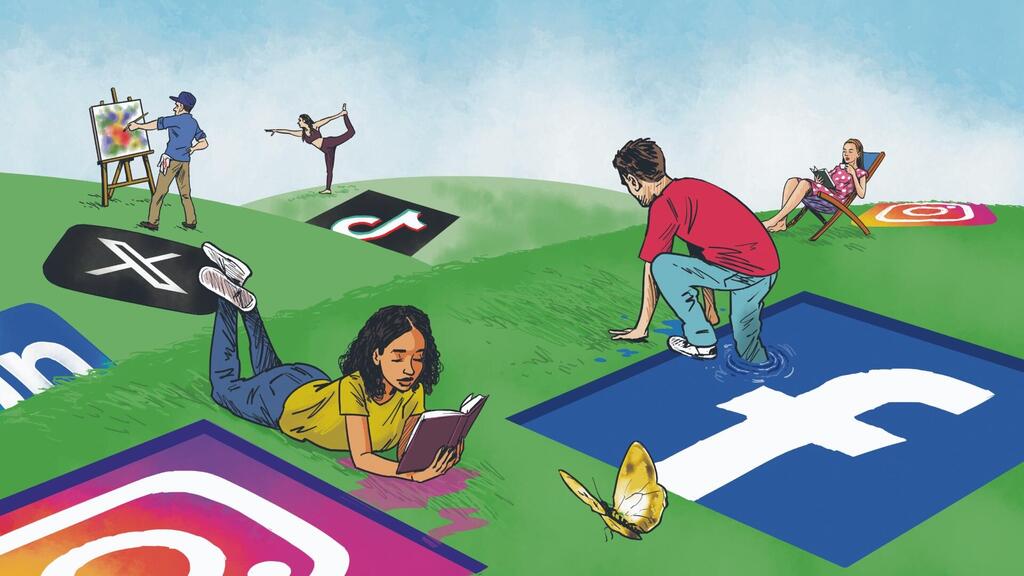
Even a psychologist couldn't stop scrolling: Inside Israel's social media detox trend
( Illustration: Guy Morad)
"I would look for it every spare moment," she adds. "And I'm a busy person with a lot going on, someone who knows it's bad and unhealthy, but that didn't change anything. I just kept looking for it, and I had no real motivation to change. Eventually, what happens to every addicted person happened to me: It got so bad that I had to do something about it."
What made you say enough was enough?
"It's a little personal, but people always talk about the body image problems it causes, beauty standards, anxieties that surface or wasted time. But we don't talk enough about the depressive states that screen addiction creates. And the depression isn't caused by some particular content you're exposed to on Instagram. It's not because everyone else is attractive and you're not. It's the passive scrolling itself. The very act of staring at a screen as time disappears.
"You don't need to see everyone else doing incredible things with their lives while you're not. The real mechanism that causes the harm is scrolling, the fact that you're sitting and watching rather than doing anything, just consuming content, even if it's educational, even if you're watching National Geographic or the History Channel.
"That's true of television too, but it's intensified on social media because the algorithm pushes all the addiction buttons, and you're constantly anticipating what the next video will be. It's a shutting down of the brain that creates depression. Not sadness, not a little dip in your mood because of comparisons we make, not a passing sense of feeling down. It creates real clinical depression and a significant drop in energy."
And when you're not looking at a screen, you're not entirely focused?
"Your attention becomes divided during every activity because you're wondering what you're missing on social media, or when you can finally go back or when it's acceptable to check your feed again. Or you're looking at a big screen and your phone at the same time.
"And yet, divided attention is a relatively minor problem compared with depression, which is a major problem and also causes anxiety and sleep problems. Willpower is no match for it. You can explain and understand the psychology of the algorithm and screen exposure, but all the knowledge in the world is no match for this habit.
"That's true even as awareness grows and schools no longer allow phones into classrooms, and it will remain true even when external regulation of social media is introduced. Only restrictions we impose on ourselves will help here. And that's very difficult, for children and adults alike.
"It's not easy for me to say this, but it's stronger than we are. The algorithm is a psychopath. It doesn't care what's in its way. It will do anything to get what it wants, and what it wants is you, your time, your attention, your clicks. You're facing a psychopath, and you have to protect yourself."
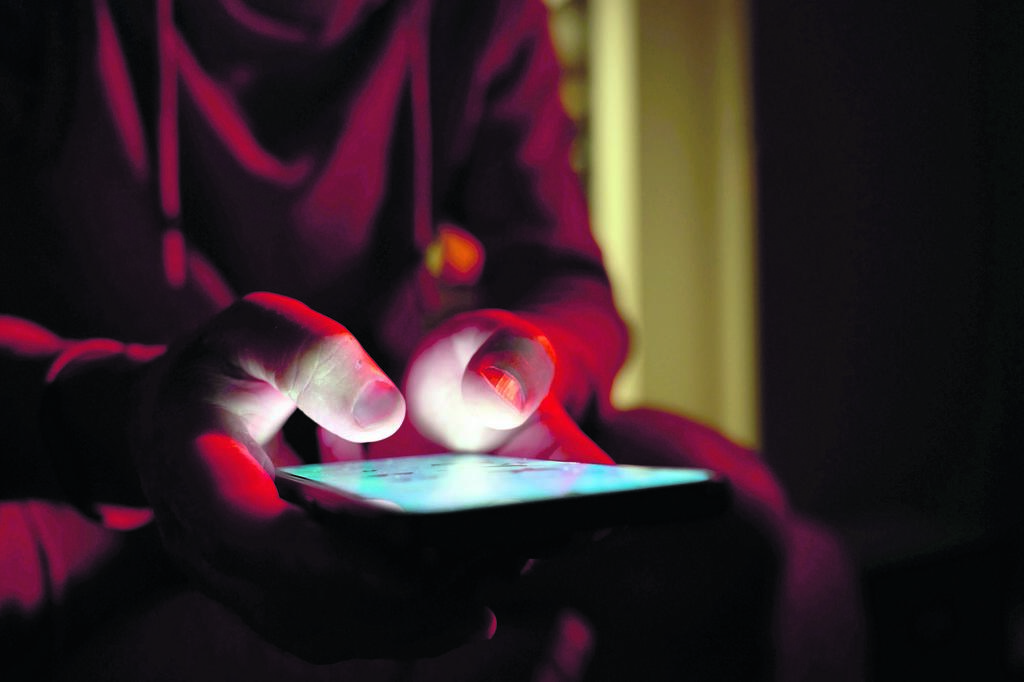
Always wondering what you're missing on social media
(Photo: Lazy_Bear/Shutterstock)
Miron-Lichter, 52, who also discusses the subject on her Hebrew-language podcast, "Sane Psychology in a Crazy World," recognized the symptoms in herself four years ago and took action. She completely cut herself off from every social media platform and news website, closing loopholes that had allowed her access through the family's laptop and iPad.
"There are lots of apps that block access to websites, send alerts saying, 'You've used up your time here for today,' or disable push notifications from websites, but they're a joke. You press 'skip' and keep going. Only ironclad blocks work, like when you don't know the password to reopen the gate to your feed and have no way around it.
"My husband had TikTok on his phone, and I would wait for him to come home so I could look at it. I completely wrecked his For You feed. I searched for what I wanted to watch, and his algorithm began changing what it showed to suit me. It learned who I was in seconds. Within an hour, it had been completely trained and had even tailored the ads to me.
"Eventually, I asked my husband to remove TikTok, and he did. The restriction extended to him too. My children were also limited in what they could have on their phones. When my son realized he was starting to get addicted too, he spent a while carrying an old-fashioned Nokia 'dumbphone', and we realized how complicated that was. Your credit card and Waze are all on your phone. It's very hard to go backward. But you have to find a very effective, very durable solution if you want to succeed."
Or self-discipline, perhaps?
"There's no self-discipline here. People need to understand that when it comes to screens, they really can't trust themselves. It's like taking a drug addict who's been clean for 10 years and putting heroin right in front of his face.
"Of course, there are people who manage to balance their time on social media and are less prone to addiction. My husband never got addicted to TikTok, but most of us do. Most people can't break this cycle."
What's life like on the other side, now that you've kicked your screen addiction?
"First of all, it frees up time. I'm more focused than I used to be. My mood is better. But the withdrawal symptoms are still there, like boredom and the feeling that you're out of the loop.
"I would search for any website where I could still get a little news, like looking for a cigarette butt on the sidewalk. That's how I discovered Haredi websites, which also carry news updates during wartime. During the war with Iran, my son blocked me from those too."
What about foreign news websites?
"Everything is blocked, everything! I don't have Google Chrome on my phone, iPad or computer. I look at minutes of screen time the way I'd look at a substance. And there are certain situations, like wars, that can make you relapse, just as people turn to alcohol or smoking during times of hardship and crisis.
"War sends many of us into a scrolling spiral that we can't escape even after it's over. We saw that during COVID too."
What do you do while waiting at the dentist? Just stare into space?
"I've gone back to reading books. I use Duolingo, talk to people on the phone and listen to music or podcasts. And look, I knew about what happened on the Flydubai flight, including everything that went on in the cockpit, without being connected to anything. You'd have to be on a desert island for important news not to reach you."
Miron-Lichter is a conservative representative of the growing movement of people disconnecting from social media. The most stringent among them even block themselves from niche news websites and retrain their thumbs to stop making the scrolling motion.
Others choose a middle path: Instagram installed only on an iPad rather than a cellphone, an app that blocks access to the feed at night, or a weeklong detox before returning. It's called "social cleansing."
They are of all ages and both sexes, united by a sense of disgust and a growing awareness of the price they are paying for endless scrolling, which has become an uncontrollable habit, performed like a motor tic dozens of times a day.
An article published this month in The New York Times examined fears that teenagers are trapped in "brain rot," a state of being hypnotized by an endless stream of mind-numbing TikTok videos and Reels featuring cats, dancing or "AI slop." But even adults consuming more intellectually demanding content are trying to put a finger in the dam to stem their compulsive hunger to scroll.
As with cigarettes, so with screens: Nobody quits smoking just because they see blackened lungs on a cigarette package. But a new wave of users is putting checks and balances in place.
Last July, influencer Liya Noga announced, on Instagram, of course, that she was deleting social media apps from her phone. "I realized they were making me focus far too much on how I look and compare myself to other women during five to seven hours of scrolling a day. I scrolled for hours without purpose, forgetting who I was and feeling bad about myself."
Young people on Reddit and Instagram describe switching to simple phones, including old-fashioned flip phones. In Instagram Stories posted after Yom Kippur this year, there were already quite a few declarations from influencers and ordinary social media users that disconnecting had actually been enjoyable, along with promises to try to incorporate it into everyday life.
Around the middle of the year, I also felt that something had to change. More than 15 years at the mercy of the algorithm began on the social network Mekusharim, moved to Facebook, then Instagram and TikTok, and now continue on Substack, a relatively new social network built around newsletters.

Content creator Liraz Vazana: 'The overload is constant, every day, and so are the voices in your head'
(Photo: Private album)
On almost every platform, the scrolling experience ends the same way: nausea after being force-fed information I didn't need, regret over 40 minutes that vanished, the feeling that I had fallen out of time, and an overwhelming urge to shop. Buy everything. Buy it now. Preferably with a coupon code.
My initial excitement over the magical algorithm that somehow knew I was one of millions planning a trip to Japan and delivered recommendation videos straight to me gave way to the feeling that someone had rummaged through my brain without my consent. And worst of all was the realization that I couldn't stop.
So I deleted the Instagram app from my phone and went one step further: I deliberately forgot my password so I couldn't log in from my computer either. I gained some peace, and more importantly, I gradually began forgetting the names of influencers' children. But I also felt as though I had thrown away an invitation to a class party and still wanted to know what was happening there.
Today, I'm still sticking to this arrangement, with planned two-hour lapses on weekends, after which I immediately delete the app again until the following week.
*****
"I've tried deleting Instagram twice: once for an extended period during pregnancy and again recently for a week," says Liraz Vazana, 27, from Beersheba, an occupational therapy student who has also recently started creating content for social media.
"I found myself constantly looking for the app. When you're sad, confused or don't know what you want, you open Instagram and it's just like a pacifier. It's emotional regulation in the most unregulated way imaginable. It makes you forget whatever feelings you had before, and you come away completely drained."
Why did you go back?
"When I was on pregnancy-related bed rest, I would catch myself scrolling through Instagram in the browser because I'd deleted the app. When I realized what I was doing, I said, 'Enough, you're just lying to yourself. You might as well download the app so at least it'll be convenient.'
"I now have a time limit set within Instagram, and it really doesn't help me. The overload is constant, every day, and so are the voices in your head. It's like a million people seeing you in the playground and telling you that you need to put socks on your child. Or a million hippies telling you about the quantum leap they've experienced and why you should try it too, and women showing off their beautiful homes.
"During the period when I wasn't on Instagram, I felt I needed that something, to open my phone and fiddle with it. I downloaded games and then tried to get rid of those too, but the overall feeling was that it was hard to fight.
"I would be sitting and breastfeeding, wondering what I was doing with my life, and find myself back on Instagram, then feel frustrated about it. Really, is the thing you need to do when you wake up in the morning catch up on the life of a woman you don't know? You're almost like her friend. You're sad with her, happy with her, excited for her and worried about her, and she doesn't even know your name."
*****
You might think people who create content for social media are protected from the mind-numbing passivity of scrolling, and can even make a living from it. But not really.
"They say it's better to be a creator than a consumer on social media, but when I post something, I also get caught up in who liked it, how much reach it gets in the first hour and what people wrote to me in direct messages," says Raen Hasbani, 27, from Tirat Carmel, a content creator who started on YouTube at 13.
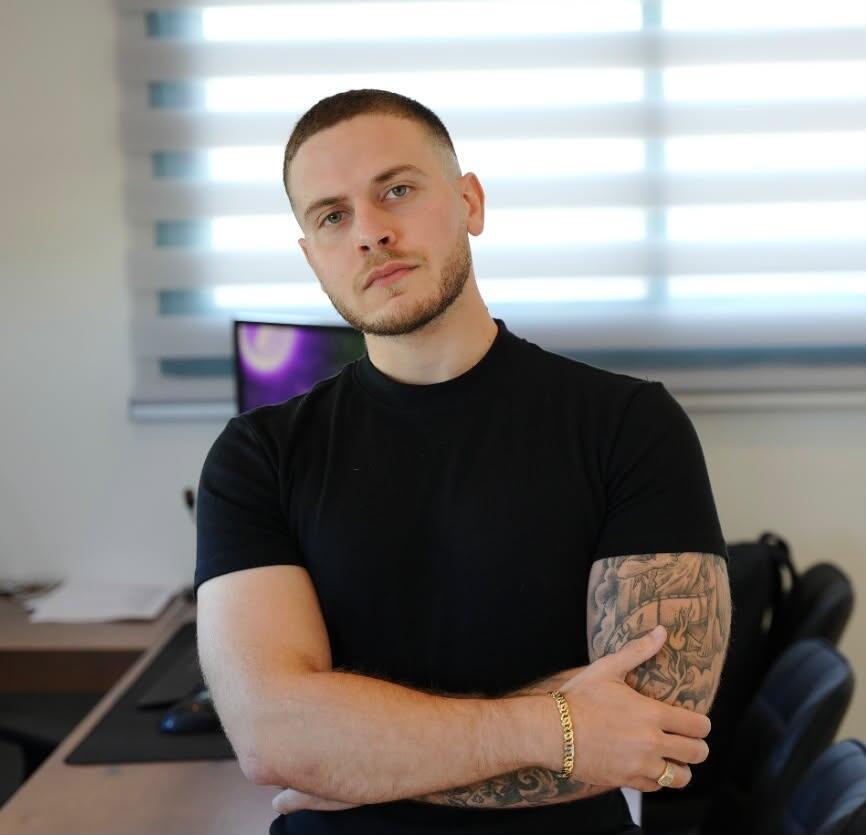
Raen Hasbani: 'People on social media don't care about one another'
(Photo: Privat album)
"Nobody is immune to it. Even the people creating the content, who are supposedly on the right side because they're making money or gaining publicity from it, are trapped too.
"And to upload content, you also have to consume content. Ninety percent of my time is spent watching other people, and I even make excuses to myself that it's my job and I'm getting inspiration.
"People on social media don't care about one another. You scroll and stop at whoever gives you the most explosive line, the most sensational hook, a sound effect that grabs your attention, regardless of who they are or what they want to say.
"That's where I fall into the trap too. Instead of communicating messages differently, I also get sucked into finding that hook. I use the audience's familiarity with celebrities or well-known figures. I put a few seconds of them saying or doing something at the beginning of a video, then move on to talking about it myself. And of course I'm caught in a dopamine loop of highs and lows whenever I post something, and that's no less addictive than scrolling."
Doesn't that make you want to abandon the whole thing?
"It's mainly the moment you realize that if you don't have to pay money to be on Instagram, then this is the real payment: what you do there, your movements, your interest and your attention.
"Three years ago, I deleted TikTok and decided to divide my life between two phones, one for work and one personal phone with no social media apps. I don't have notifications from any apps on that phone, and I feel that I have control over my attention when I use it.
"If I want to open WhatsApp and answer or send a message, it's not because some guy named Itzik sent something and I have to reply right that second, even if I'm doing something else. I actively open it because that's the right time for me. And yet, I still manage to break the restrictions I've set for myself and spend more time there than I want or need to."
The desire to sink into the comfort of the feed grows when the need for community becomes stronger, even when people understand that it is a parasocial form of community, built around one-sided relationships.
"After a month without Instagram, I realized that what I was looking for was a feeling of togetherness," Vazana says. "I felt in my bones that I was missing it, and it took me time to understand what that feeling was. How is it that influencers make you feel you're their friend, even though you're not? In fact, that feeling actually makes you less likely to go out and form friendships in the real world.
"I see lots of friends around me trying to rethink their relationship with Instagram. They make rules for themselves, like not going on after 10 p.m., or they delete the app completely for certain periods. I'm now trying to stay away from social media on Fridays and Saturdays."
Hasbani links this to a shift in social media algorithms.
"They used to be a place to connect, where everyone was equal and consumed the same content. I clearly remember how, one year, everyone at my school, and maybe everyone in the world, knew the song 'Gangnam Style' from YouTube. The feed showed us the same things.
"Today, I sit with friends and the algorithm shows each of us something different. The experience of spending time on social media has become more personal and less communal.
"Even when I'm sitting with friends who all spend several hours a day scrolling Instagram, we haven't necessarily been exposed to the same people, and we don't understand one another's experiences the way we used to."
The growing desire among many people to distance themselves from social media raises the question of where they are now supposed to get their news and political information. Between an influencer's food Story and a cat video, Instagram and TikTok have also established themselves in recent years as places where people consume news and form opinions about it. A Reuters report based on a survey of 100,000 respondents of all ages found that 54% had consumed news on social media in the week preceding the survey.
Instagram, which according to the Israel Internet Association led social media platforms last year with an overall usage rate of nearly 80% among young people, is home to accounts trying, often successfully, to figure out how to deliver news to the scrolling generation, ages 18 to 35.
One example is the news outlet "Under the Radar," which has 177,000 Instagram followers. In recent months, it has been publishing content about the upcoming elections, including posts presenting political candidates as profiles on dating apps, a format dubbed "Politinder," and Reels explaining how much elections cost.
The major challenge is to attract likes without feeding the algorithm extreme, polarizing rhetoric.
"I admit I didn't understand anything I was reading in the news," says Ori Herzberg, 26, who founded Under the Radar about five years ago, when he was 21.
"Back then, Instagram didn't have news or accessible explanations of complex issues. When we asked young people where they consumed content, they repeatedly told us they didn't go to external news websites, so it was clear we needed to be where young people already were.
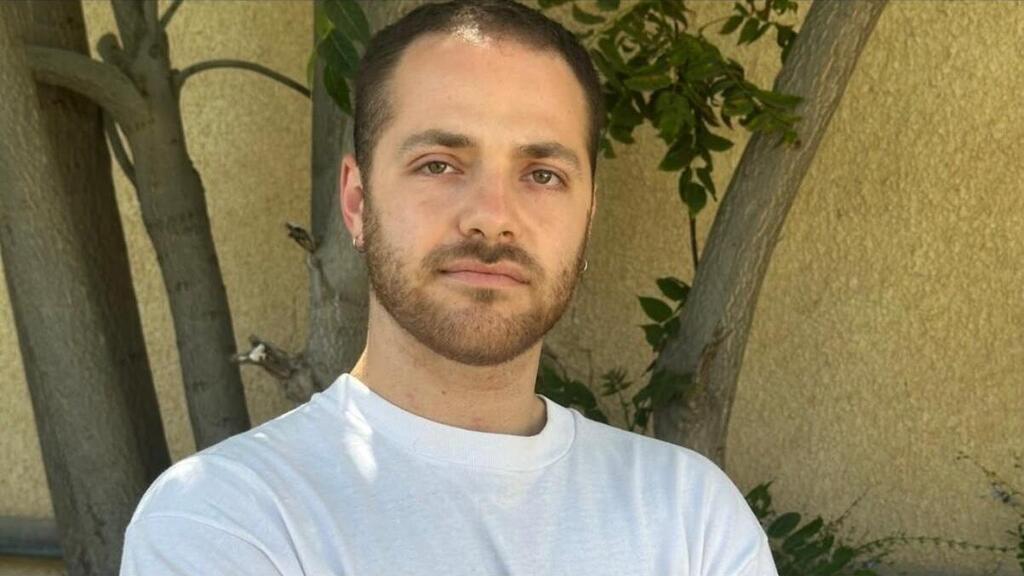
Ori Herzberg: 'Young social media users can no longer tell whether they're consuming fake content'
(Photo: Private album)
"We saw that a young Israeli spends almost four hours a day on Instagram and that most use all the social media platforms daily. This is absolutely the place where you decide what kind of coffee you drink, which shirt you buy and which ballot you put in the box."
Do many people on Instagram share political content, or do they consume it quietly?
"You share what you identify with and what you want to be part of your feed and the way people perceive you, or content that made you very angry, in which case you also write something negative about it. Of course, we prefer the identification option.
"We always try to ask how we can make the state budget interesting to you without wrapping the content in something populist or stupid. Instead, we ask why it's relevant to you as a young reservist who has completed 400 days of reserve duty."
But not everyone on these platforms operates the way you do.
"On social media, anyone can do whatever they want without any disclosure. There's an enormous amount of fake content and provocative headlines presented in quotation marks as though someone actually said them, when nobody did, except perhaps the person who wrote the item. It's designed to provoke reactions purely to generate traffic.
"Young social media users can no longer tell whether they're consuming fake content, and that further distorts the way they perceive political reality."
With so many young people wanting to break out of the cycle, some even switching to dumbphones, is there an effort to reach them offline?
"Yes, we've held quite a few in-person events around the elections, attracting 700 people. But put simply, social media is still the main way to reach an audience today."
*****
Watching a Reel telling you that you need to quit Instagram while you're actually on Instagram might sound funny, or suggest that all hope is lost. But amid growing demand to rethink our relationship with social media, content creators have emerged who do exactly that.
Linda Natan is a couples therapist and group facilitator who also found herself trapped.
"My business wouldn't look the same without Instagram, and it grew significantly thanks to that exposure," she explains. "Financially, too, there's a clear before and after social media in terms of what I earned. But I realized that when you don't know how to shape your technological environment to suit your needs, the benefits come with a million drawbacks. So you end up absorbing 90% disadvantages for 10% success.
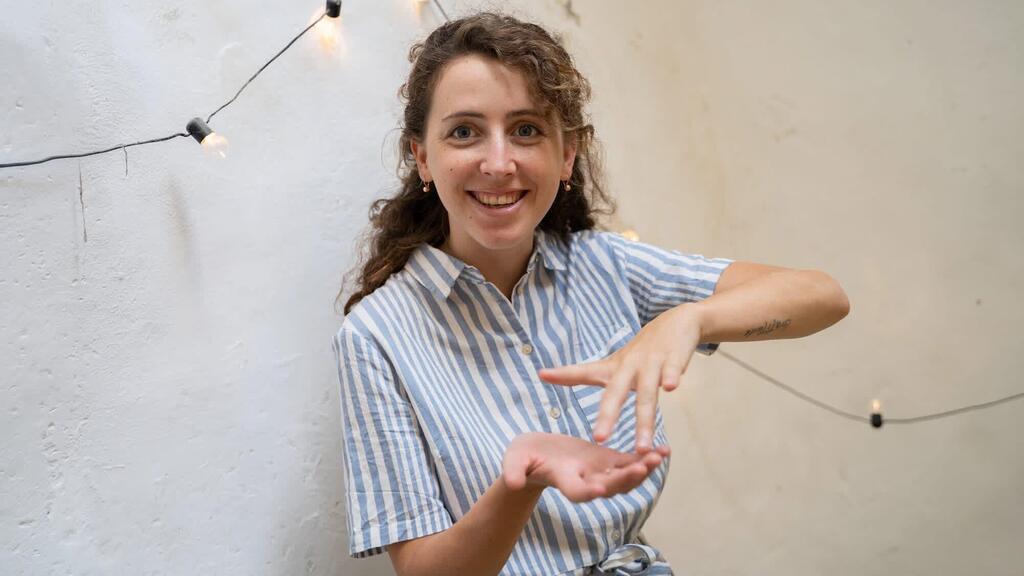
Couple's therapist Lina Nathan: 'My business wouldn't look the same without Instagram, and it grew significantly thanks to that exposure'
(Photo: Private album)
"The point when I said, 'Enough, it's no longer worth it,' was when I noticed that I was scrolling while sitting next to people who matter to me and whom I want to spend time with, like my children. I was doing it even when I no longer wanted to, when I knew it didn't feel good, but I couldn't stop. Or when I found myself opening Instagram without consciously choosing to, because I hadn't really wanted to open it and scroll for 15 minutes. It just somehow happened."
Can you explain why that happens?
"It's a bit like driving a car without studying the theory, taking driving lessons or passing a test. You're given something powerful, but nobody makes sure you know how to use it properly or protect yourself from the harm it can cause.
"There's not enough awareness that we can change our phones' default settings instead of absorbing every notification from social media, like messages telling you someone liked your post or wrote you something. Those features were designed to pull you in, not for your mental well-being, and we don't do enough with our settings to avoid falling into those traps."
What traps have you personally eliminated to break your screen addiction?
"It came down to something as basic as where I put my phone charger. In our house, and this might sound extreme, there's no scenario in which we go to sleep with a phone in the bedroom. We know our hands will reach for it before we fall asleep and first thing in the morning.
"The conversation isn't about my willpower at all. I remove the temptation so I don't have to rely on willpower. We have a charging station in the farthest corner of the house, not in the living room or kitchen, where we spend our family time. I don't have notifications, not even on WhatsApp. Anyone who needs me calls. I've also stopped expecting people to answer the moment I send them something.
"It was a long process, both understanding why we were dealing with this at home in the first place and getting family and friends on board with these choices. Because part of the difficulty in disconnecting is the fear of having difficult conversations and telling the people around you that you won't be available to them on WhatsApp every moment.
"Nobody teaches us that you can receive notifications from just five important people on WhatsApp instead of being endlessly available."
Together with psychologist Rotem Kahani, Natan leads a challenge designed to encourage mindful screen use.
"It includes having a kind of 'Yom Kippur,' disconnecting completely to experience the effect on your time, attention and body. Then many people report withdrawal symptoms, a feeling that nothing has any value, irritability and a lack of motivation. It passes after a few days, but it's not an easy stage.
"For those who can't delete social media because of their business, we suggest practical ways to limit their use. Not in an open-buffet format where you can go on whenever you want, but in a smart way. Limit the number of days, the number of hours, decide what part of the day you want to be there, and maybe remove the app from your device.
"As strange as it sounds in today's world, you need to make it less convenient. We also say it isn't a choice between zero and 100% use, because that approach very quickly leads back to 100%."
What have you gained by putting your finger in the dam?
"One of the positive effects is being present with my children. I enjoy spending time with them more, rather than feeling it's a task. I've also discovered that I can enjoy a simple encounter without feeling overwhelmed all the time.
"The relentless mechanism of social media makes you feel that things that once brought you joy no longer do, because simple things, like sitting down for a meal and looking someone in the eye, reading a book or spending time with your children, require more attention and produce lower levels of dopamine, while the brain is constantly searching for more and more.
"You're also able to process emotions instead of just suppressing them, because the instinct is almost always to scroll and eat sugar when something is really weighing on you. It's very refreshing to feel frustrated and simply experience that feeling for a while, without shutting down your brain and looking at someone else's life."