

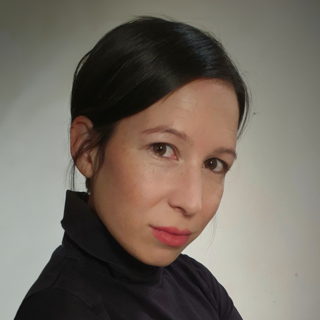
When archaeologist Dr. Ayelet Dayan first shared the title of her new book, The Body-Sifting Project, colleagues warned her no one would read it. But the work, produced in the aftermath of the October 7 massacre, is not meant for comfortable reading. It is a record of destruction — written by the woman who led the Israel Antiquities Authority team tasked with locating the remains of Israelis murdered by Hamas terrorists in the Gaza border communities.
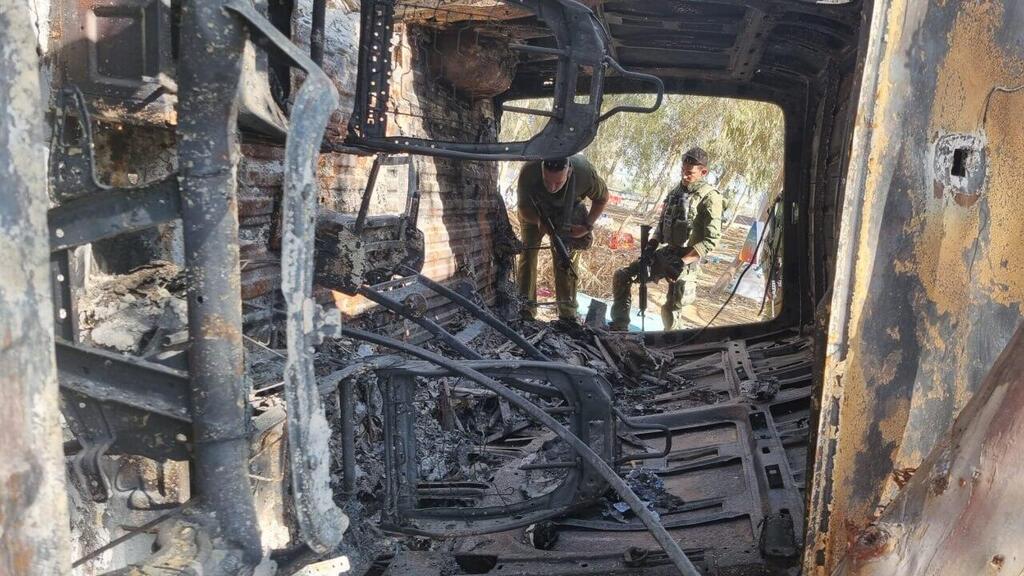
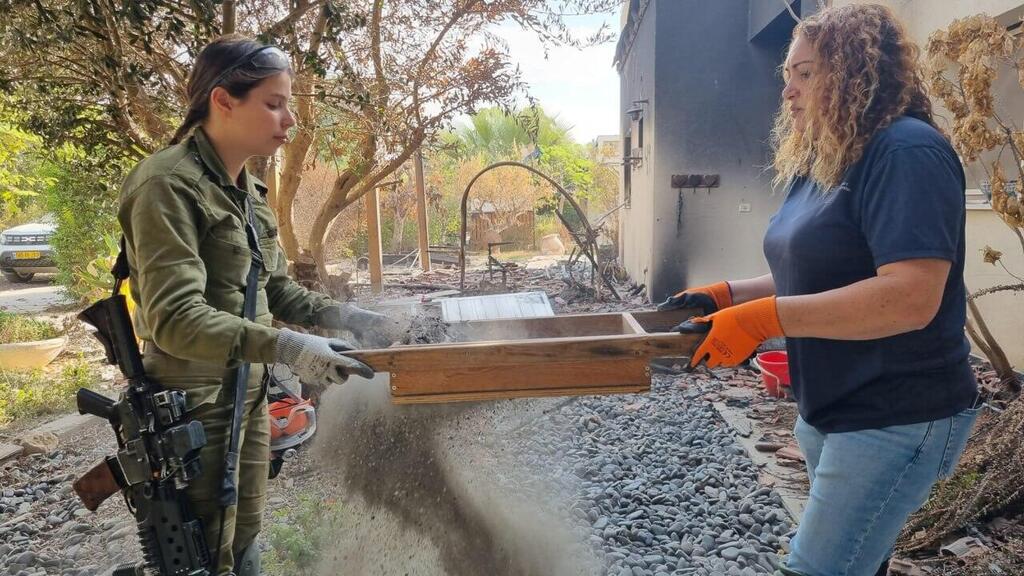
Dayan and her team were dispatched days after the attack to kibbutzim, the Nova festival site and stretches of Highway 232. The archaeologists, normally experts in ancient layers of ruin, suddenly found themselves documenting scenes no more than weeks old. “In excavations you don’t have smell, you don’t have blood, you don’t have color,” she said. “But here you stand in a place that was a paradise and see it destroyed.”
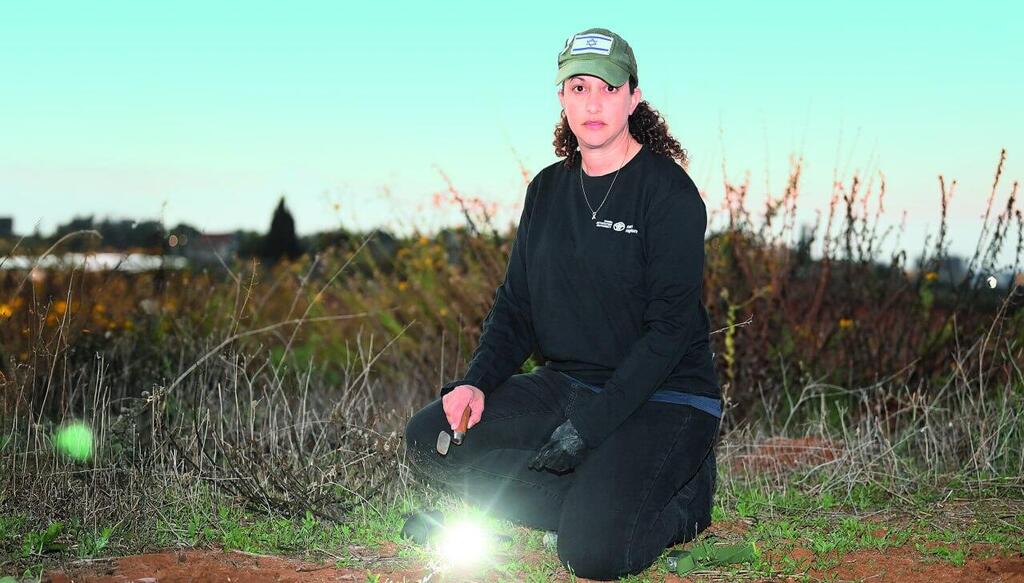
As she worked around the clock to help identify the missing, Dayan kept a real-time diary. It became a tool to organize memories she hoped to be able to forget — and a way to ensure the evidence would remain accessible when needed. Names and house numbers were removed due to censorship rules to protect families unless they proactively sought information.
Even a brief reading, she says, makes clear why she wanted to forget parts of what she saw. And why archaeologists were called in at all: the job required the skill to find fragments most people would never recognize.
A road where remains melted into asphalt
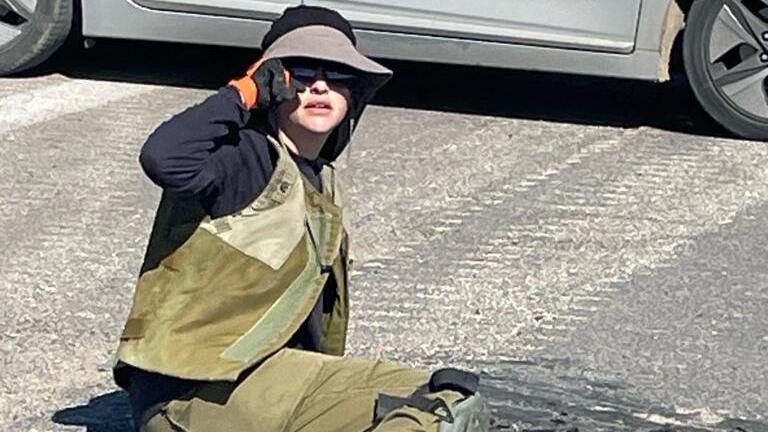
In one November 2023 entry, Dayan describes being sent with her team to Highway 232 near the Mefalsim bend — a stretch exposed to fire and often closed to vehicles. “It was the first time I agreed to watch a video showing the cars burning,” she wrote, to focus the search for remains. There they found personal items belonging to missing Israelis and “the remains of a murdered woman who burned and melted into the asphalt. I identified a necklace and hair. It was hard to believe what we saw.”
(Photo: Dr. Yuval Baruch)
Dayan gently separated jewelry into boxes and collected tissue fragments. “After that, every time we drove down that road, we were careful not to drive over the stains,” she recalled.
Preserving truth as others try to erase it
I met Dayan at the Israel Antiquities Authority’s Jerusalem exhibition “Rising From the Ashes,” which highlights the role archaeologists played in the war. She compares the work to uncovering Pompeii, the Roman city preserved beneath volcanic ash — except here the layers are recent, the victims known, and the violence intentional.
Early in the mission, her documentation was scattered across WhatsApp messages and notebooks. But as more military units entered the Gaza border communities — often without centralized reporting — Dayan became an informal hub for collecting data. She began cataloging every detail systematically: spreadsheets, emails, photographs and descriptions. The goal, she says, was simple: “to make sure the truth comes out.”
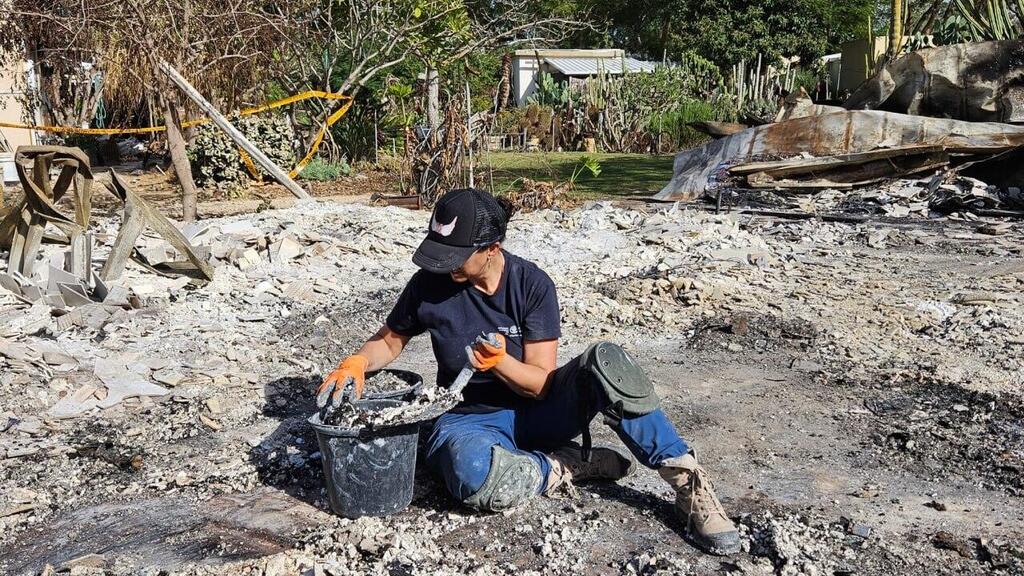
Search and identification of bodies by the Israel Antiquities Authority team after October 7
(Photo: Dr. Ayelet Dayan)
Now she is working to publish the material in English as part of global public diplomacy efforts. “This documentation is the most important thing,” she said. “It is proof for history, so no one can deny what happened. No one can say it’s fake or AI. It is evidence admissible in court.”
A year spent confronting death
For a full year, Dayan says, she was barely home. Her days began before dawn and ended close to midnight. She left gear and shoes outside the house — “you can’t bring that inside.” She likened the emotional transition to leaving a cemetery: “In archaeology you don’t handle the ashes and remains of people. Here it was death.”
Her diary, released as reconstruction begins in the devastated kibbutzim, follows her through those months. Residents are split on whether to demolish what remains or preserve it as a memorial. Dayan favors remembrance but says each community must decide for itself.
(Photo: Ilana Curiel)
As the war ended, she says, she watched Palestinians attempt to erase traces of October 7. Her book, she insists, is meant to counter that. “Archaeologists are researchers. This is science. It is based on evidence,” she said. “If we want to show the historical truth, we must present the findings objectively. What’s happening now is sad. Those with influence must stand by us. We don’t have another choice.”
Academic backlash abroad
Even outside the field, Dayan and her colleagues encountered hostility. At an international conference, she said, an attendee lifted his shirt to reveal a BDS slogan and shouted accusations of genocide, prompting applause from some. Israeli academics — archaeologists, psychologists, social workers — are increasingly shunned, she added. “They say you cannot cooperate with us, cannot speak to us.”
Some colleagues argue Israeli scholars must still attend conferences to represent the country. Dayan disagrees. “I’m not into politics. I don’t understand it and I don’t follow the news,” she said. “I just want to do research.”
First days in the disaster zone
In her diary, Dayan recounts her first trip to the Gaza border. Driving south, the landscape turned black — “like entering a cloud of smoke.” Roadblocks appeared at every junction. GPS failed. Detours doubled and tripled travel time. Security teams issued body armor and helmets. “It was surreal, in the middle of the country, to put on a vest and helmet,” she wrote. “We traveled in a convoy, everyone tense. Bodies were lying around. Terrorists were moving in the area. There were sirens.”
She says she felt no fear — only shock — and focused on the mission. Her emotions surfaced only alone in the car, usually when news reports announced names of the dead.
(Photo: Ilana Curiel)
Sleep brought its own toll. In one entry she describes dreaming of a giant worm attacking her, echoing what she had seen in the field at the Mefalsim bend. Even today, the sound of drones reminds her of swarming insects.
'The diary isn’t finished'
Dayan writes that after presenting her findings abroad, the first questions were not about the work but whether she had received psychological help. She said she eventually sought therapy only to reassure others. “They told me everything is fine, and that I shouldn’t waste my money.”
Her diary continues now that all living hostages have returned. “They promised nothing would be published until the hostages came home,” she said. “I promised that when they did, I would cooperate and give interviews. Now I think we can breathe. Almost.”