

The sales floor was once considered the back end of retail. For decades, headquarters planned, analysts modeled, marketers promoted, and the store floor was expected to simply execute. That world is gone.
For shoppers, this means frustration when products vanish from shelves. For companies, it means a direct hit to both loyalty and revenue. Every year, retailers worldwide lose hundreds of billions of dollars to empty shelves. Today, retail is shaped by immediacy. Shoppers are less patient, alternatives are one click away, and the cost of being out of stock is measured not only in sales lost but in trust eroded.
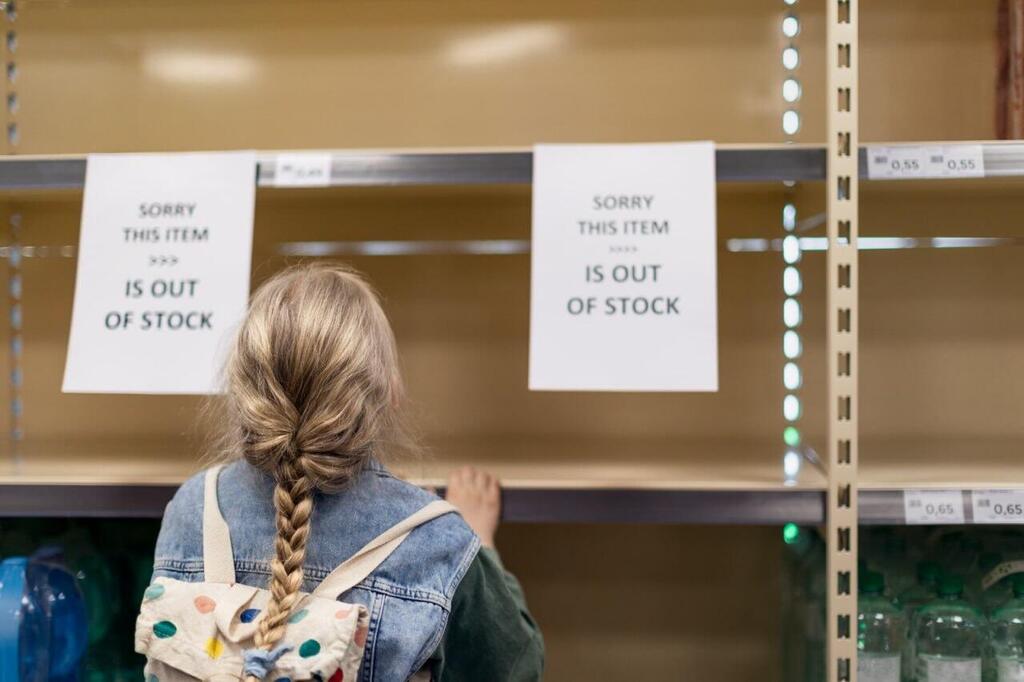
I have spent the last years watching this shift unfold up close. What once seemed like small execution gaps, an empty shelf or a delayed restock, has become a strategic risk. If a customer does not find what they came for, they do not wait. They switch.
This is where artificial intelligence enters the picture. Not in the abstract, not as another dashboard for headquarters, but directly on the floor. Computer vision and real-time decision making can now give stores something they never had before: situational awareness. A shelf is empty, it is identified, prioritized by revenue impact, and assigned instantly to the right associate.
The next step is even bigger. We are moving from a world of B2C to what I call B2A, business-to-agent commerce. AI agents are no longer assistants waiting for human prompts. They are becoming operators, detecting problems, deciding priorities, and delivering outcomes without friction. In a market worth trillions of dollars, the ability of agents to act in real time will separate those who thrive from those who fall behind.
This does not replace people. It frees them. When AI handles the detection and the triage, floor teams can focus on what humans do best: service, upselling, creating loyalty. The paradox of AI in retail is that the more intelligence you embed in the floor, the more human the experience becomes.
I believe we are entering what I call the final mile of retail. Logistics and e-commerce have had their revolutions, but the space between a shopper’s hand and the shelf is where the future of competitiveness will be decided. And that space represents a massive market: more than two million supermarkets and convenience stores worldwide.
Early deployments already show what is possible. Shelf-empty times are cut dramatically, replenishment cycles are shortened, and measurable revenue recovery is achieved within weeks. But beyond the numbers lies the larger point: retailers who continue to treat the floor as an afterthought will fall behind.
The coming decade belongs to those who recognize that execution is strategic. AI on the floor is no longer a luxury. It has become a condition for survival in an industry where patience is measured in seconds. And soon, survival will depend on something even more advanced: the ability of AI agents to execute end to end, closing the loop between digital intent and physical reality.
 Lanor Daniel
The question is no longer whether AI will transform retail. That transformation is already underway. The real question is which companies will have the courage to let their stores finally think in real time, and which will be ready for the B2A future where agents, not dashboards, define who survives.
Lanor Daniel is the Founder and CEO of ShopperAI, a retail-tech company pioneering AI-driven floor operations.