


Israel was founded on a simple conviction: no one else would defend it. The idea of self-reliance — of taking responsibility for its own security — has been central to the state’s identity since its birth. Yet as U.S. military officers take seats inside Israel’s war rooms and decision-making forums, that foundational principle may be shifting.
From Gaza to the northern border, American involvement has moved from consultation to direct participation. U.S. officers now play an active role in coordinating humanitarian aid to the Gaza Strip, managing ceasefires and monitoring supply routes. The rapid establishment of joint civilian-military centers under U.S. leadership marks a new phase of on-the-ground engagement.
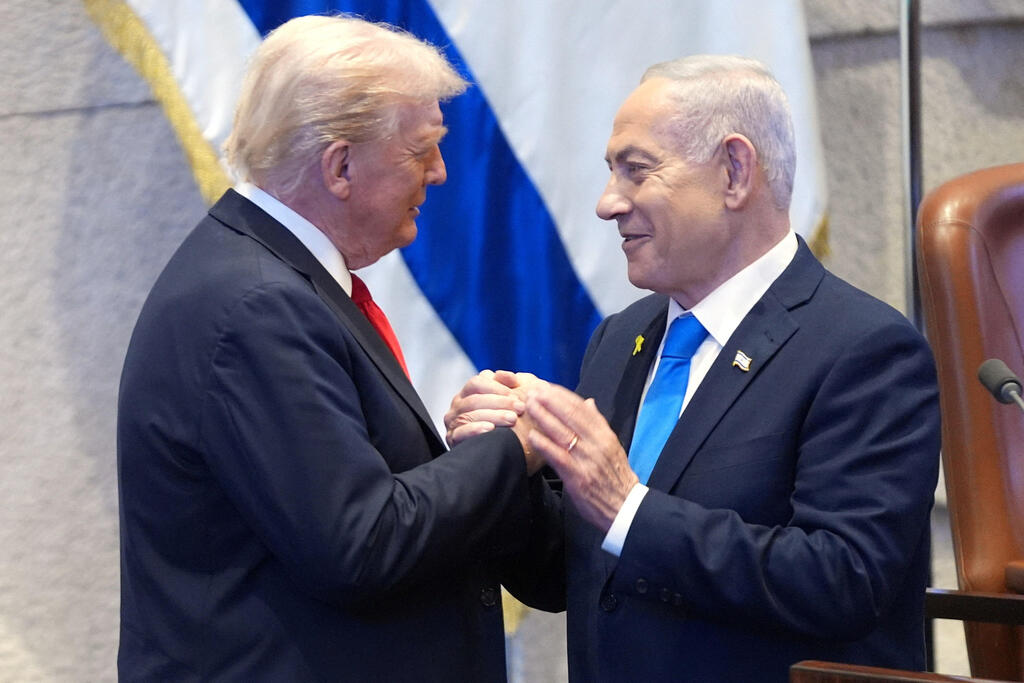
This is no longer remote cooperation. American officers are present in key operational spaces in Tel Aviv, in what officials describe as coordination — but what some Israelis fear is quiet oversight. The concern, voiced increasingly in Israeli commentary, is that Washington’s expanding role risks turning a partnership into dependence.
“It’s not assistance anymore,” one observer wrote. “It’s the transfer of a central component of our operational sovereignty — the very responsibility for our lives.”
Reports that U.S. President Donald Trump is seeking a security arrangement between Israel and Syria have deepened such concerns. According to Israeli media, the U.S. military is preparing to establish a base near Damascus, modeled after the “monitoring base” set up in Kiryat Gat to oversee operations related to Gaza. There are also indications of plans for another American facility near Israel’s southern border.
There is no question about the importance of the U.S.-Israel alliance. The military partnership runs deep, built on decades of intelligence sharing, training, and vital defense technology. But critics warn of a critical distinction between cooperation that strengthens Israel’s independence and involvement that gives foreign officers practical influence over whether Israeli operations move forward or stop.
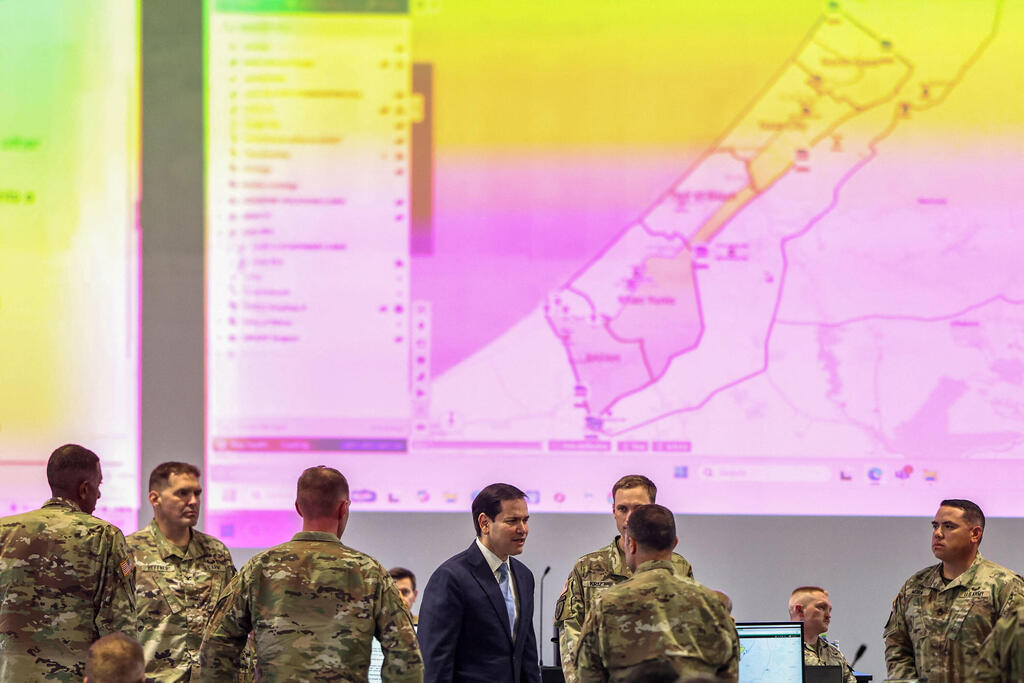
(Photo: Fadel SENNA / POOL / AFP)
Once American commanders are physically in the room, their judgment can easily become the final one. And that raises a deeper question: Who will now send Israel’s soldiers into battle? Who bears responsibility for the consequences of those decisions?
The United States seeks regional stability — a legitimate goal. But it is not always the same as the interest of those living within meters of an active border. The parents of young children in Metula, on Israel’s northern edge, are unlikely to entrust their lives to a distant foreign army. And Israel Defense Forces soldiers need to know that the commanders ordering them into combat are accountable only to their own country.
Israel needs the United States, especially in a volatile region. But partnership cannot become control. Prime Minister Benjamin Netanyahu owes the public transparency about the scope of American involvement and its implications.
The red lines must be clear: full disclosure of foreign presence in decision-making, defined limits on external oversight, and explicit exit conditions for U.S. involvement. Decisions of war and peace — especially those that send young Israelis into harm’s way — must remain in Israeli hands.
Anything less would cross a line that is not only about national pride, but about life itself.