



The offensive in Gaza has reached its stated goals and - unless the government decides to expand it - as it awaits a new Hamas response to the efforts of mediators to secure a ceasefire and hostage release deal, the IDF will hold the lines assigned to them.
Forty-one soldiers and officers have been killed since the latest operation began and attempts to dismiss their sacrifice as part of a “futile war” are contemptible. “No one fell in vain in this operation," a senior commander said. "They died in a war to defeat three Hamas brigades and in the effort to free the hostages.”
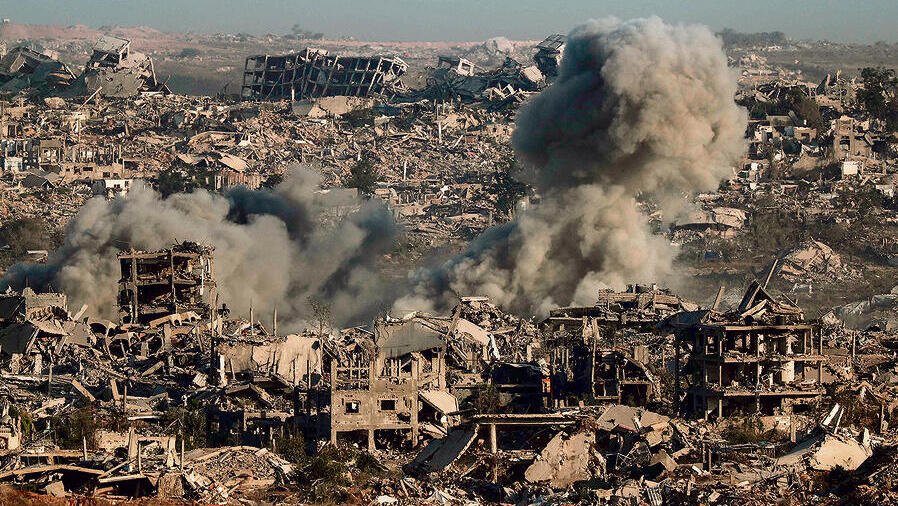
Despite the challenges of fighting in densely populated terrain, maintaining humanitarian aid and facing intense international pressure, the operation achieved unprecedented successes since the war began.
While guerrilla-style attacks by terrorists persist, Hamas’ military frameworks have been completely dissolved. Three brigade-level commanders were eliminated, including Yahya Sinwar’s brother Mohammed, who led the military wing and was considered even more extreme than the slain leader.
Also killed were Rafah brigade commander Mohammad Shabana and another senior Hamas official, Hakham Al-Issa. Additionally, eight battalion commanders, 39 company commanders and 1,500 terrorists were neutralized.
The Gaza Strip has been transformed: Rafah no longer exists, neither above nor below ground, with the IDF destroying all terror infrastructure and tunnels in the city. Much of Khan Younis, except for a sensitive area and a humanitarian zone, has met a similar fate.
In northern Gaza, from Beit Hanoun through Beit Lahia and Al-Atatra to the outskirts of Gaza City, little remains. This was not a series of raids and withdrawals but a methodical, systematic operation, albeit slow.
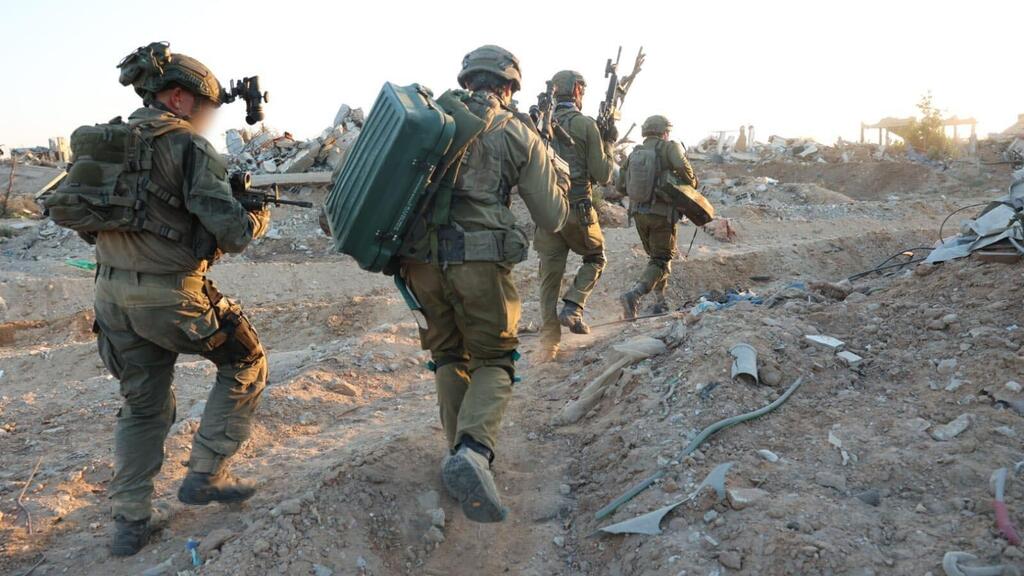
IDF troops in Beit Hanoun
(Photo: IDF Spokesperson's Unit)
“Before, we did this in a sprint,” explained Lt. Col. David Cohen, outgoing commander of the Golani Brigade’s Reconnaissance Unit, who served across all fronts over the past 21 months. “Now we work slowly, systematically, until the infrastructure is completely destroyed.”
The transformation is evident to anyone entering Gaza or seeing the images, but more importantly, residents of Israel’s border communities, gazing toward Gaza, see the threat once facing them removed.
The IDF was tasked with another complex mission: severing Hamas’s access to humanitarian aid entering Gaza. Despite seeming straightforward in studio discussions, this proved immensely challenging. The IDF established distribution centers, which Hamas targeted with mortars and gunfire, even attacking civilians seeking food.
Get the Ynetnews app on your smartphone: Google Play: https://bit.ly/4eJ37pE | Apple App Store: https://bit.ly/3ZL7iNv
At the same time, Hamas, with UN complicity, blocked aid trucks from entering, fueling a highly successful global starvation campaign against Israel’s faltering public relations efforts.
As pressure mounts, Hamas’ ambitions grow. Its current aim is a ceasefire without the cost of releasing hostages. Prime Minister Benjamin Netanyahu was willing to pay an exorbitant price for a partial deal to free half the living hostages, but Hamas raises obstacles and reveals other aspirations.
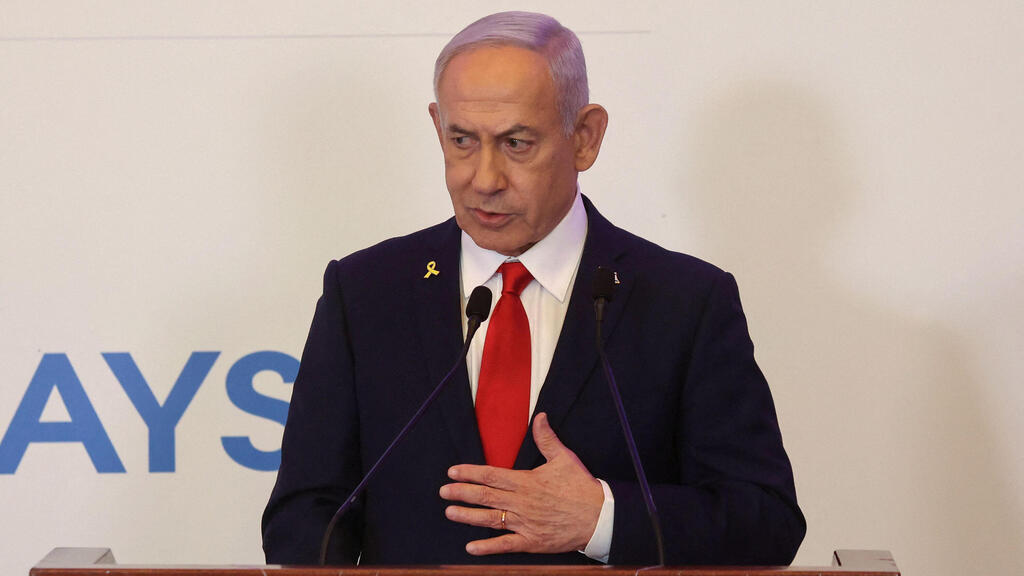
Prime Minister Benjamin Netanyahu
(Photo: GIL COHEN-MAGEN / AFP)
Some in Israel still believe a partial deal is possible, but it’s not only Hamas within Gaza but also its external leadership, led by Khalil al-Hayya, whose harsh statements against Israel complicate matters.
Netanyahu now faces a moral dilemma: whether to expand the operation to new areas or persist in negotiations with no clear end. IDF Chief of Staff Lt. Gen. Eyal Zamir proposes an alternative strategy of containment and attrition in existing zones, which poses less risk to hostages but may not generate sufficient pressure for a decisive outcome.
Hamas will likely always retain hostages as insurance against renewed Israeli offensives. For context, Hamas has held the bodies of Hadar Goldin and Oron Shaul since the 2014 war, showing little interest in significant concessions. Shaul's body was recovered by the IDF from Gaza in January.
Why, then, does a plan to conquer Gaza City—the last beating heart of Hamas—seem unfeasible? Over a million civilians are concentrated there, among whom Hamas’s remaining Gaza brigade operates, blending into the population.
Where could the IDF evacuate these civilians, given that most of the Strip is already devastated and unable to absorb more? How can effective combat be conducted in such conditions?
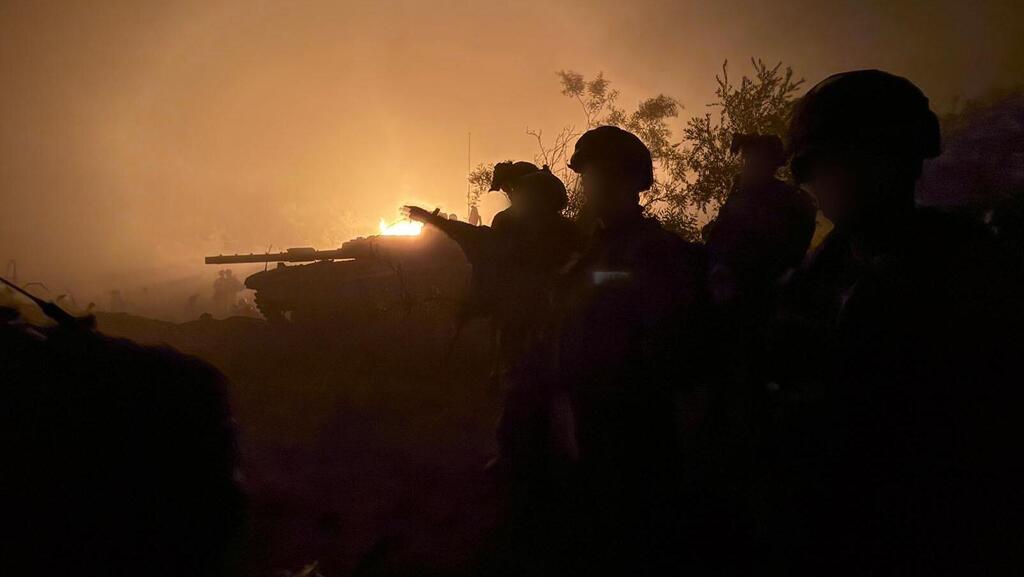
(Photo: IDF Spokesperson's Unit)
The critical question is how to fight in an area where hostages are suspected to be held. The same challenge applies to central Gaza’s camps—Nuseirat, Bureij, and Deir al-Balah—where Hamas maintains a presence amid a dense civilian population with nowhere to go.
There are no easy solutions, only a sober recognition of the limitations and the profound human and strategic costs of continuing combat in the Middle East’s most densely populated civilian area.