

Guy Goldstein notes in his recent ynet opinion piece, this technology enables artificial intelligence to shape what is considered relevant, contextual, and newsworthy before editors intervene. This technology emerges from a nexus where the Qatari state’s political agenda, the transnational ideological influence of the Muslim Brotherhood, and the technological power of corporations like Google Cloud converge.
By combining state-backed media ambitions with religious-political doctrine and advanced AI infrastructure, this system can spread a particular worldview across newsrooms worldwide. The result is a subtle but powerful realignment of global information flows, where the ideologies of these actors may quietly shape what millions come to see as objective news.
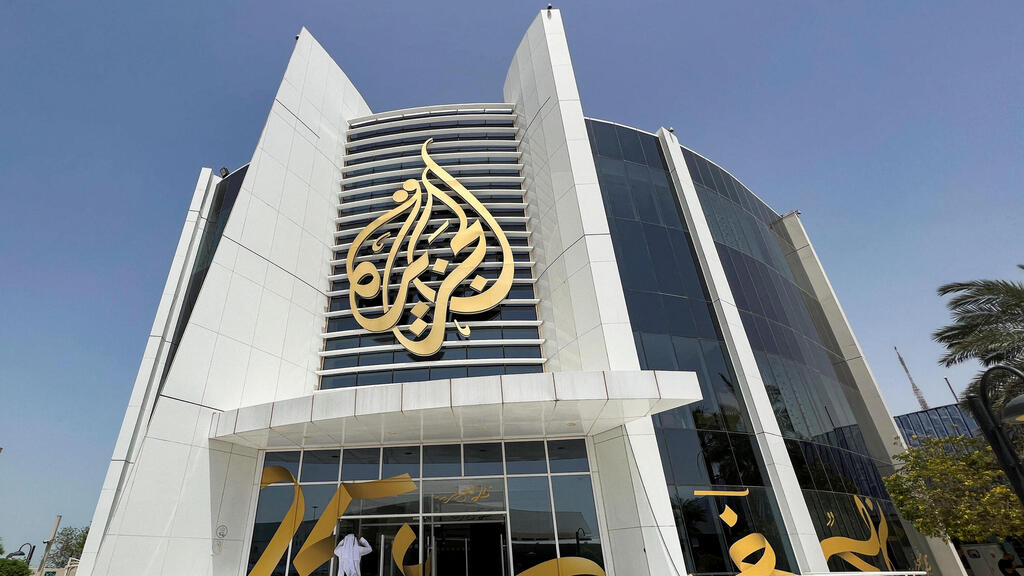
(Photo: Reuters)
What is particularly alarming is that this shift threatens to erase the last remnants of journalistic discretion at Al Jazeera. The network functions as a “trusted” distribution hub, with influence radiating far beyond its direct audience. Once AI-curated stories are disseminated, content becomes almost impossible to trace or contain, mirroring challenges in counter-terrorism policy and digital law enforcement. Legal responses, such as attempts to restrict or shut down broadcasts, become largely ineffective in a decentralized digital landscape. You simply cannot shut down every news outlet in the world.
More concerning is how AI-driven, state-aligned media systems like this shield undemocratic values under the constitutional rhetoric of free expression, framing real security risks as political disagreements.
 Meital ElmaliahPhoto: Courtesy
Alongside other flaws and limitations, international law still has no clear standard for defining or regulating the use of digital platforms for terrorist purposes. Existing legal frameworks address incitement only in vague, discretionary terms, constantly weighed against freedom of expression.
There is no clear threshold separating legitimate expression from unlawful incitement. Therefore, enforcement against online propaganda remains weak across borders, while technology continues to evolve far faster than the law. Without legal adaptation, deterrence erodes, and tech-enabled terrorism remains largely unchecked and alarmingly unleashed.
Meital Elmaliah is a second-year law and government student at Reichman University and a graduate of the IDF Spokesperson’s Unit. She writes about the intersection of international law, diplomacy, and advocacy shaping today’s global security landscape.