

The Qandil Mountains glow with the flickering flames of a symbolic gesture: Kurdish fighters surrendering their arms. In Syria, Palestinians are granted residency. Regional diplomacy—once reactive and combustible—now shifts toward a slow, deliberate recalibration. And in the midst of this transition, a pattern emerges: Israel shoulders the costs, while Turkey quietly sips up strategic gains.
This moment calls for clarity, not bravado. If Israel does not draw clear lines of strategic demarcation, it will find itself engulfed in a new kind of conflict—not a war of rockets and raids, but a subtler, colder struggle. One fought through diplomatic entanglement, international censure, and the steady attrition of strategic posture. For more than two decades, Turkey has been executing a careful, determined expansion of its neo-Ottoman vision.
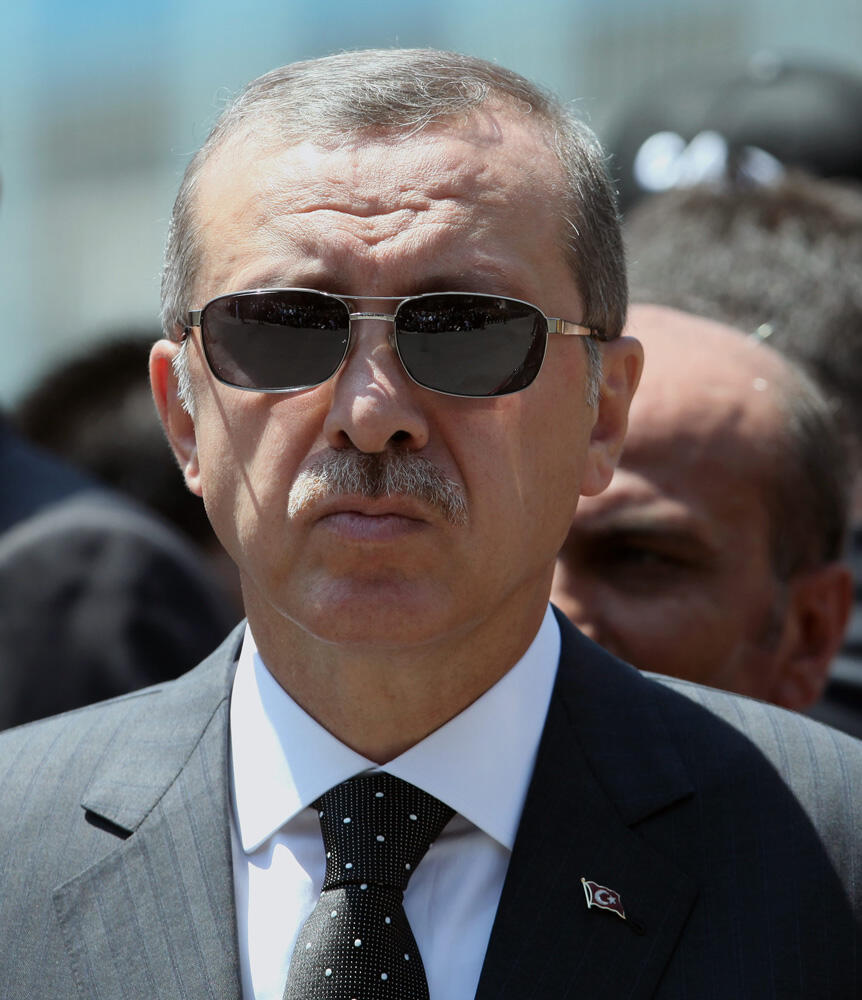
This is no ideological flourish. It is a full-fledged geopolitical enterprise, powered by a young, populous nation of over 85 million. With an indigenous defense industry, forward-deployed military bases, a complex web of regional influence stretching from Libya to the Eastern Mediterranean, and a nuanced rapport with both Russia and NATO—Turkey no longer merely seeks relevance. It seeks leadership.
For years, this ambition was hemmed in by four strategic obstacles: a bellicose, nuclear-aspiring Iran and its sprawling proxy network; a hostile Alawite regime in Damascus that mired Ankara in diplomatic quicksand; Hezbollah, entrenched and defiant on Israel’s northern frontier; and the persistent threat of Kurdish separatism within Turkey’s own borders. That was the regional geometry.
And then, paradoxically, came the unintentional windfall. Israel’s own campaign to constrain these same forces—through relentless pressure on Hezbollah, sabotage and surveillance against Iran’s nuclear apparatus, and surgical blows to Assad’s fragile regime—has in effect cleared the board for Turkey. Israel opened the gates only for Turkey to waltz through them.
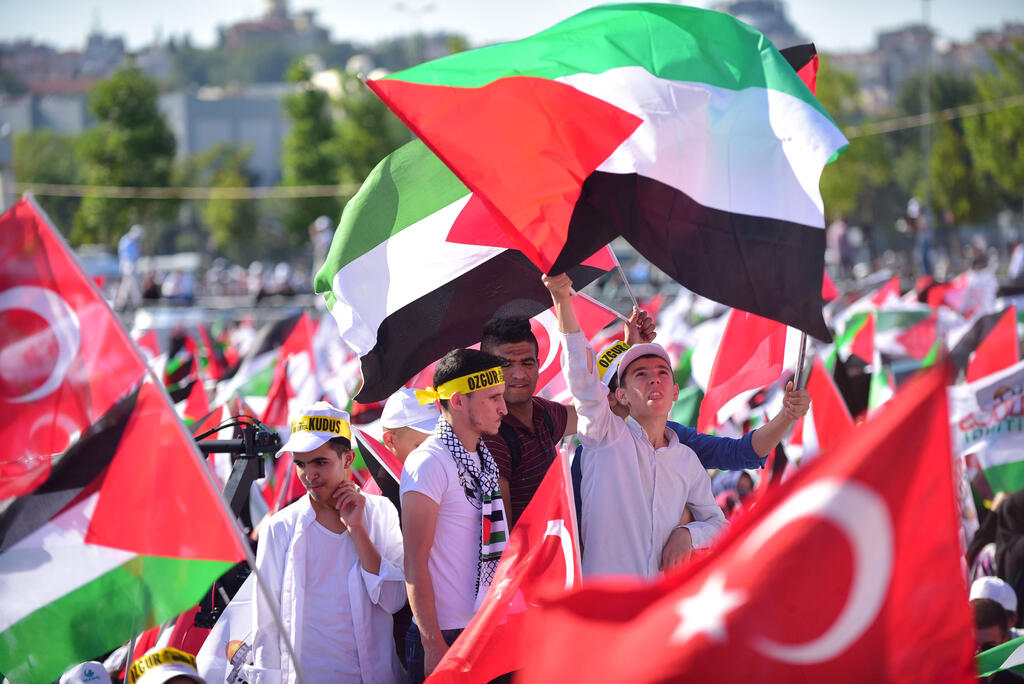
A pro-Palestinian demonstration in Turkey
The final barrier has now collapsed. Kurdistan Workers' Party has laid down its weapons. This week’s bonfire is not a gesture—it is a turning point. Turkey, unopposed and unbowed, has emerged victorious.
Get the Ynetnews app on your smartphone: Google Play: https://bit.ly/4eJ37pE | Apple App Store: https://bit.ly/3ZL7iNv
But what, then, is Turkey offering in return? While one would have hoped for gratitude, it's more like denunciation. President Erdoğan likens Israel to Nazi Germany. His foreign minister—once the head of intelligence—states bluntly: “There is no Palestinian problem. There is an Israeli problem.” These are not isolated remarks. Turkey is present in Gaza, challenges regional alignments, and positions itself as the spoiler to every Israeli normalization effort. It does not seek to influence—it seeks to dictate.
The machinery of this new order is already in motion. Ankara has become the de facto architect of the region’s evolving security arrangement. The American ambassador in Turkey now handles regional dossiers once the province of Washington or Cairo. Syrian overtures, Lebanese probes, and even mediation involving Hamas all pass through Turkish channels. The geopolitical grammar of the Middle East is increasingly spoken in Ankara’s dialect.
Turkey no longer sees itself as a neighbor. It imagines itself as an alternative. And this, perhaps more than anything, must be answered. Israel is not without vision of its own—nor without the means to pursue it.
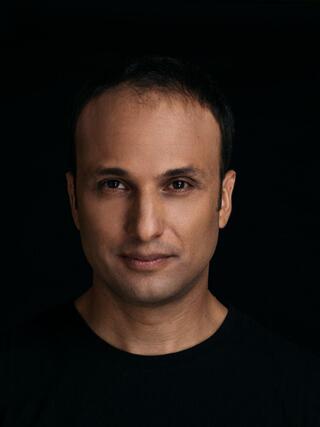 Jonathan Adiri
The way forward is not meekness, but deterrence, crafted not through brute confrontation but through calibrated friction and strategic clarity. Partnerships with Greece, Cyprus, Egypt, and Saudi Arabia—nations equally wary of Turkish ambition—must be deepened. Defense cooperation with the United States must not only continue but expand, precisely at a time when Turkey's NATO role grows more central. And Ankara must be firmly denied any official role in the Palestinian arena—not as an act of vengeance, but as a means of revealing its true motives.
The stakes are no longer theoretical. The cold war has begun—its contours quiet, yet unmistakable.
- Jonathan Adiri is an Israeli digital healthcare entrepreneur and an advisor to former Israeli president Shimon Peres.