

As a journalist who has long covered killings in Arab communities, I have watched a profound change take hold over the past two years. In the past, I could focus my reporting on innocent bystanders who were struck by criminal gunfire. Today, the rise in violence has been so extreme that this has become nearly impossible.
The number of killings is so vast that we are forced to devote our coverage to the crimes themselves. Even many violent incidents are swallowed by the constant bloodshed and never fully reach public attention.
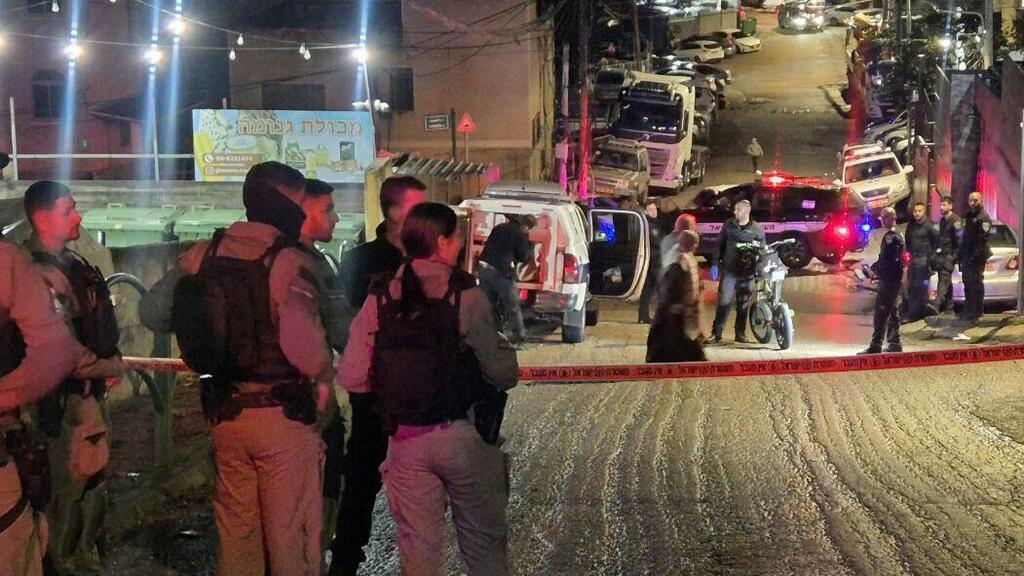
We are no longer dealing only with murders. Crime organizations have taken control of businesses and intruded deeply into family life. People live under daily threats and extortion. The message is blunt: do what we demand, or you will be killed.
The violence has reached the doorstep of nearly every family. I have received phone calls and messages from mothers who told me, “We have nothing to do with these conflicts, yet we fear for our lives.” Not long afterward, I found myself standing at crime scenes where their sons had been killed.
When police are weak and fail to protect innocent civilians — men, women and even teenagers — people live under constant threat, often with a sense that their fate is already sealed. Dozens have sent me their photos and personal stories in advance, asking that if they are murdered, their circumstances at least be told.
Some of my reporting has brought threats against me as well. I have chosen to stand my ground and continue telling the story of Arab society clearly and without fear.
Still, there is not a day when I do not hug my wife, Mona, and my children — Miriam and my sons, Hussam al-Din and Noah — knowing that when I leave home, I too cannot be certain I will return safely.
The violence has not only intensified; it has become more institutionalized and organized. Crime families now operate less like street gangs and more like structured organizations.
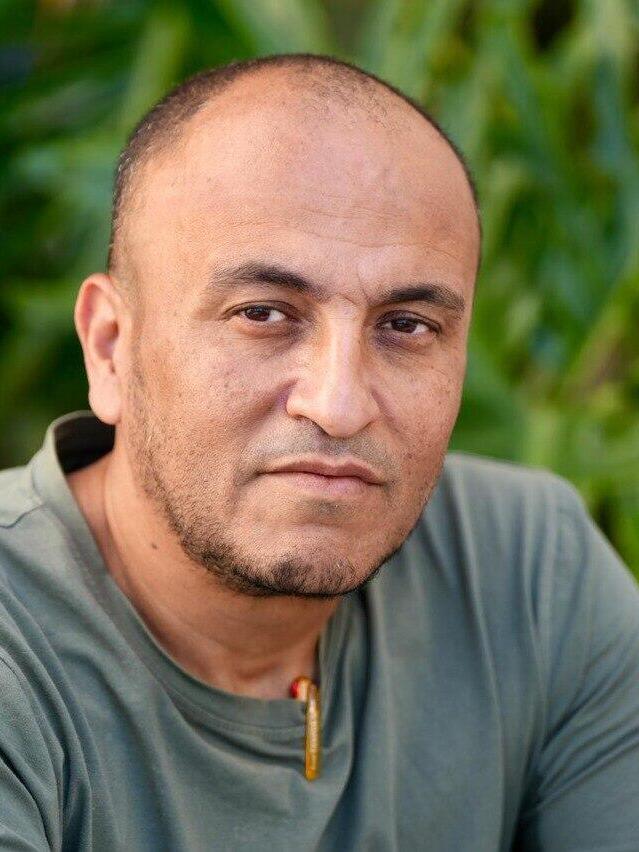 Hassan Shaalan
Years ago, criminals threatened me because of information I published that they did not like. Today, I sometimes receive calls from public relations representatives of crime groups. “This is the spokesperson for such-and-such organization,” they say, asking to respond to an article. One crime boss contacted me to request that I publish his message about seeking reconciliation. He told me he had lost 15 people, while the rival side had lost 12, and said the words of grieving mothers I interviewed had affected him.
This work is filled with despair, fear and anxiety. Yet despite that despair, the knowledge that my reporting has contributed, even in a small way, to the struggle against crime reminds me why we continue to fight.