


The geopolitical landscape of the Levant experienced a profound shudder this week, not from the familiar thud of artillery, but from the clinical, decisive halls of the European Parliament in Brussels.
In a move that signals the end of a decade-long era of strategic patience, European lawmakers delivered a crushing blow to President Recep Tayyip Erdogan’s "neo-Ottoman" project in Syria.
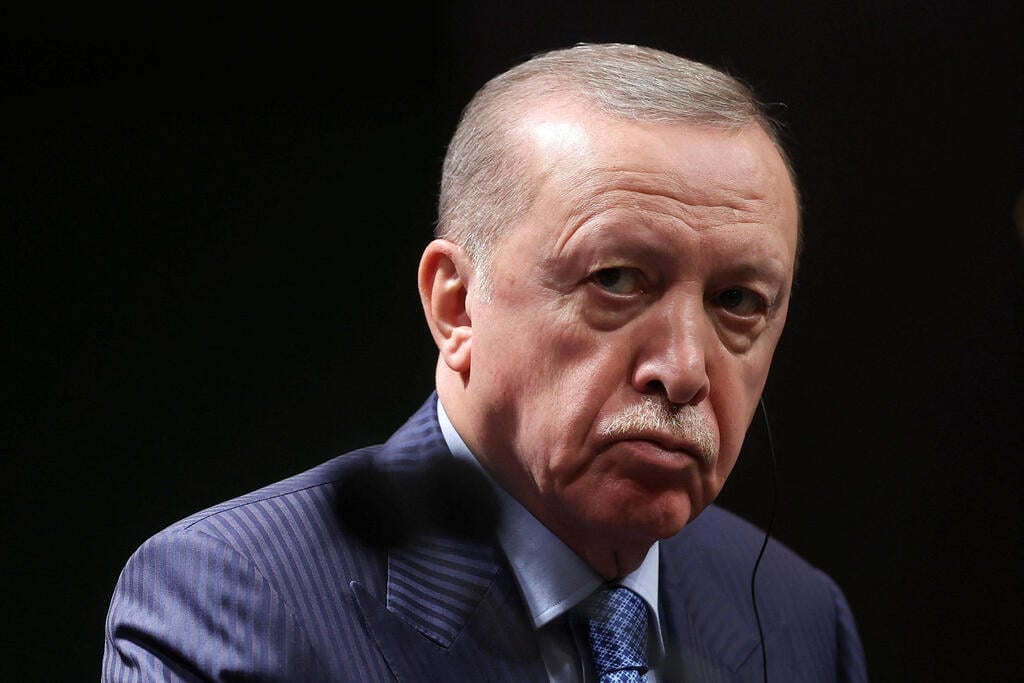
By a staggering majority of 363 to 71, the Parliament didn’t just issue a condemnation; it effectively dismantled the narrative that Ankara has meticulously crafted to justify its presence in the war-torn north.
For too long, the international community has watched with mounting anxiety as Erdogan utilized the Syrian vacuum to empower a patchwork of proxy militias whose ideological DNA is far closer to the radicalism of the past than the democracy of the future.
Under the guise of creating a "Safe Zone," Turkey has overseen a region where hardline Sharia-based governance often replaced civil order, and where the primary objective was not the defeat of terror, but the displacement of the Kurdish-led Syrian Democratic Forces.
The European resolution finally calls this gamble for what it is: a dangerous destabilization that has directly facilitated the resurgence of the Islamic State.
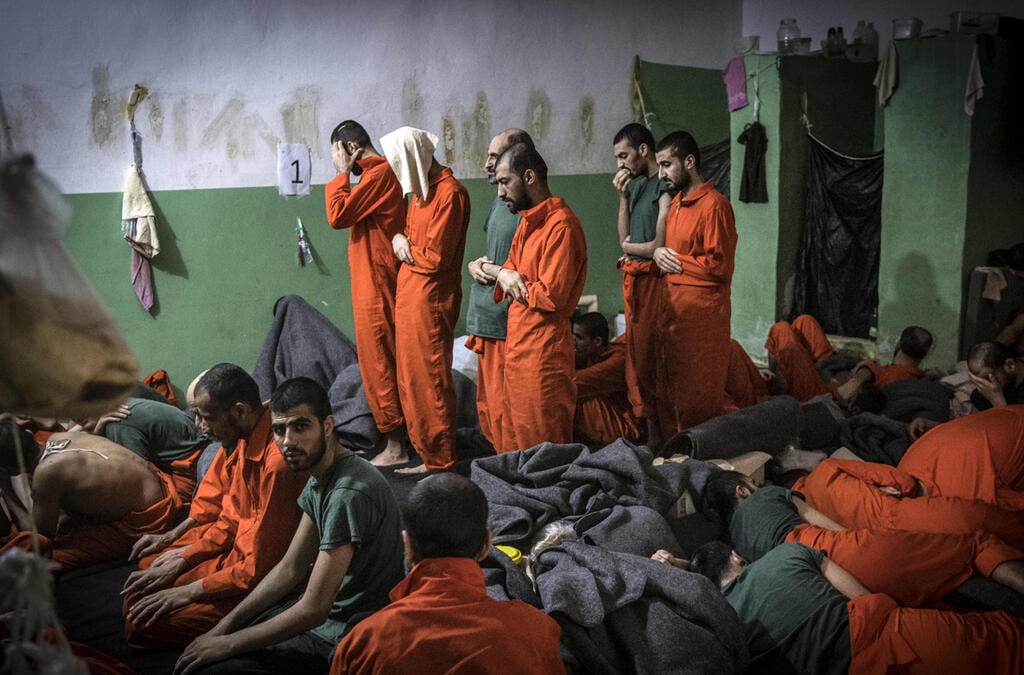
Islamic State members held in a prison in Kurdish-controlled territory, Syria
(Photo: AFP)
The most chilling revelation in the Brussels report is the direct link between Turkish-backed military operations and the escape of hundreds of ISIS prisoners. While Ankara frequently postures as a vanguard against terrorism, the European Parliament has highlighted the undeniable truth that Turkish incursions have consistently compromised the security of detention centers, allowing radicalized fighters to slip back into the shadows.
This is not merely a regional concern; it is a direct threat to the national security of the entire Mediterranean basin. When a NATO ally’s policies result in the jailbreak of the world’s most dangerous extremists, the term "ally" begins to lose its meaning.
Interestingly, the resolution takes the step of mentioning both Israel and Turkey as actors using Syria as a theater for indirect rivalries. However, a closer reading reveals a sharp distinction in the eyes of European policymakers.
While Israel’s involvement is fundamentally a defensive, pro-national security doctrine aimed at preventing the entrenchment of Iranian-backed terror on its immediate border, Turkey’s involvement is seen as an attempt to fundamentally alter the demography and ideology of the region.
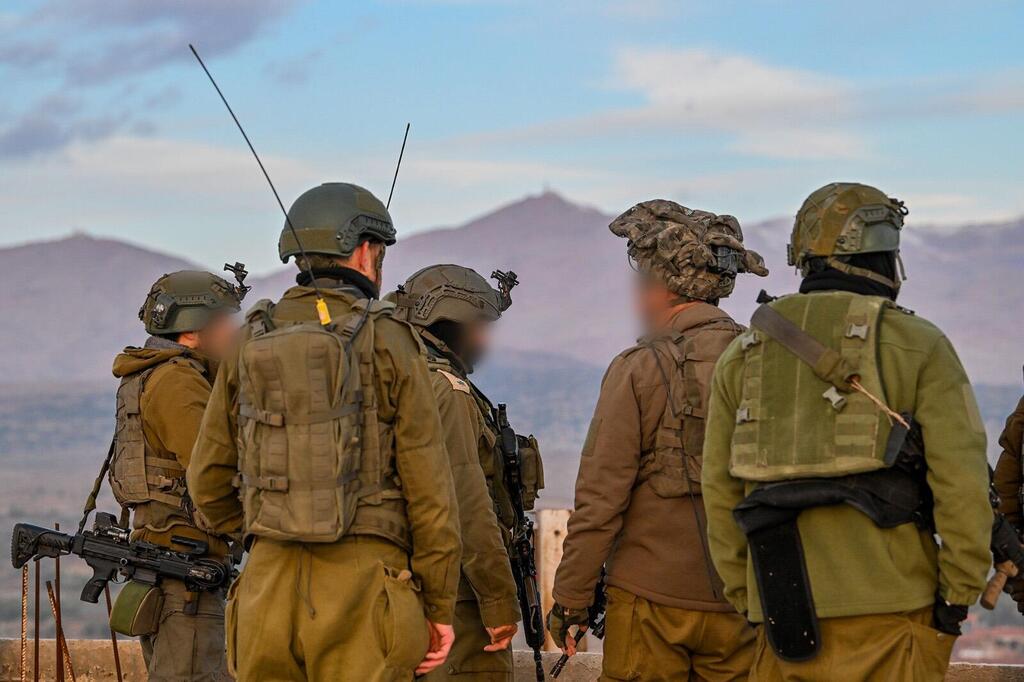
IDF troops in southern Syria
(Photo: IDF)
The European pivot suggests a realization that while Israel acts to prevent a vacuum from being filled by Tehran, Erdogan’s proxies are creating a vacuum being filled by the very radicalism Europe spent billions to contain.
The resolution’s surprising embrace of the integration agreement between the Syrian government and the SDF marks a watershed moment in Western pragmatism. It signifies a "Secular Front" policy—a recognition that the preservation of a national state structure, however imperfect, is a more reliable guarantor of security than a lawless frontier ruled by "Sharia-lite" fiefdoms.
By welcoming this cooperation, Europe is effectively boxing Erdogan out, signaling that the future of Syria must be decided by those on the ground who are committed to the fight against ISIS, rather than those who use the group’s presence as a convenient pretext for territorial expansion.
Europe is backing this new stance with more than just rhetoric. The announcement of a 620-million-euro financial support package for 2026 and 2027 is a strategic "soft power" salvo. By earmarking these funds for independent human rights organizations and local peace-building initiatives, the European Union is attempting to build a grassroots bulwark against the ideological export of the Turkish occupation.
 Amine Ayoub
This is a clear attempt to bypass the structures of the Turkish-backed "interim governments" and instead empower a civil society that resists the radicalization often found in the wake of Ankara’s proxies.
The Turkish Foreign Ministry was quick to dismiss these findings as "baseless," but the sheer scale of the parliamentary majority suggests that Ankara’s credibility has reached an all-time low. The consensus in Brussels is no longer a matter of partisan bickering; it is a unified defense of European and regional security against a leader who has spent years playing both sides of the jihadi coin.
As the United States continues to recalibrate its presence in the Middle East, this European awakening provides a necessary counterweight to the chaos.
- Amine Ayoub, a fellow at the Middle East Forum, is a policy analyst and writer based in Morocco.