

"We occupied Times Square!" Miri Regev shouted from the stage during the 70th Independence Day celebrations she orchestrated in New York back in the summer of 2018. This particular "occupation" required no military force. All it took was funneling a few million shekels to the city and the operators of the giant billboards projecting Israeli landscapes into the heart of Manhattan.
But for whom, exactly, was this ostentatious street party intended?
Those permitted inside the heavily secured, barricaded enclave included Jewish community VIPs, members of Congress, senior city officials, Zionist organization representatives, consulate staff, journalists, and a handful of Israeli expats or tourists who had registered in advance. After two hours of dancing on stage and taking selfies (including with the writer of this column), the then-Minister of Culture ended the event, reassuring the supporting crowd that Times Square was "in our hands." Well, eight years later, it’s clear New York has been liberated - or at least, that is how its residents feel after voting the pro-Palestinian Zohran Mamdani into the mayor's office.
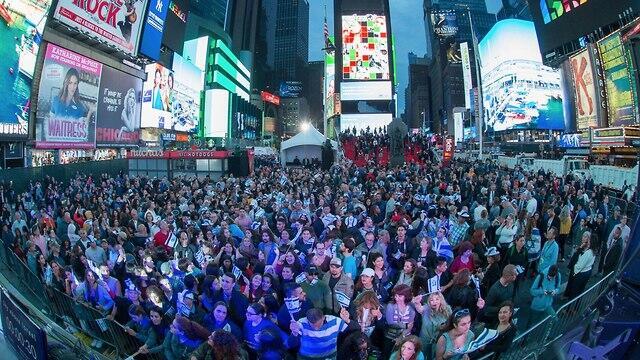
The frequent flyer Regev loves New York, but she is hardly alone. Israeli politicians routinely visit the city on official state missions or simply because they fancy a vacation. Typically, they blend fabricated meetings with Jewish community leaders and Shabbat receptions with wealthy donors, punctuated by shopping sprees in Manhattan’s luxury boutiques.
But their New York is not the real New York.
Whose New York is it?
It is impossible to truly connect with a massive metropolis of 8.5 million residents when your visit is confined to high-rise corporate offices downtown, lavish kosher cocktail galas, quick stops at Bloomingdale's and Macy's, and performative candlelighting at the Lubavitcher Rebbe's grave in Queens.
When you rub shoulders exclusively with city hall operatives and VIPs who claim to represent its million Jewish residents, it is easy to develop a detached sense of mastery over the city. Yet New York’s natural, incredibly diverse population is the very epitome of global cosmopolitanism, and today Mamdani and his loyalists represent that reality far more accurately than Netanyahu's high-ranking friends. And the latest polls show they are more popular than any of them - including with Jewish voters.
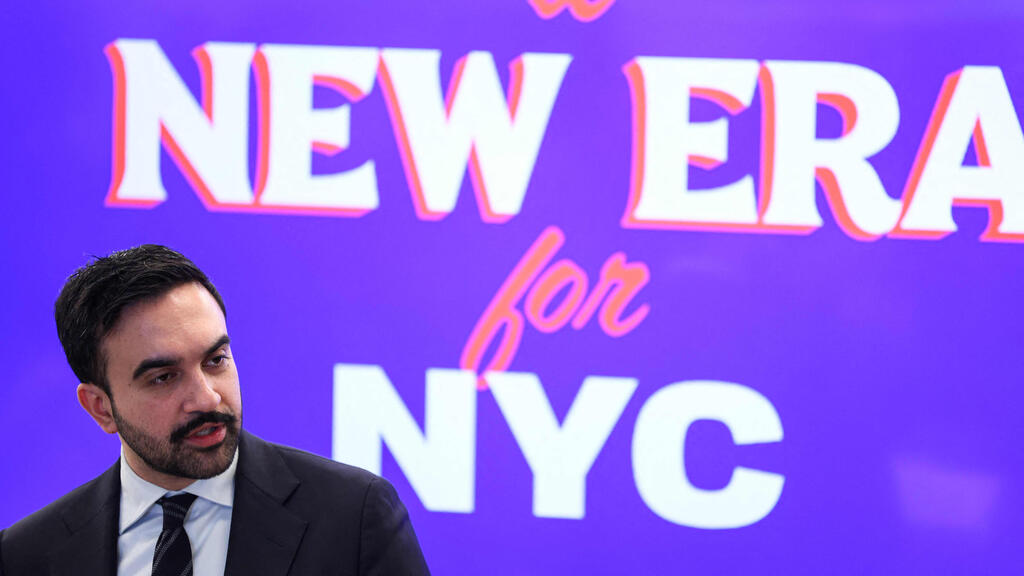
The election of Mayor Zohran Mamdani is in part a backlash against the old guard
(Photo: Charly Triballeau / AFP)
Many Israelis dream of taking a bite out of the Big Apple for a vacation or relocation. Many successfully integrate, chasing the American dream across real estate, tech and academia. But New York is the center of the modern world not just because of Wall Street, Carnegie Hall and Trump Tower. It is a city of refuge for displaced people from conflict zones such as Ecuador, Congo and Iran (whose flags flew throughout the city during the World Cup). It also serves as a sanctuary for LGBTQ+ Americans fleeing conservative strongholds in Texas, Idaho, and Missouri.
It is a rare territory where Hasidic Jews in shtreimels, Muslim women in burqas, trans individuals with pink hair and keffiyehs, bald Buddhists in saris, and naked Scientologists can coexist. Alongside the bankers and institutional investors, progressive left-wing activists have an equal right to exist. This includes a brand of socialism that is rapidly gaining momentum across New York and the United States.
Symptom of a deeper fracture
In New York, almost anything goes. That includes the "Free Palestine" and "Stop the Genocide" graffiti on street corners that, since October 7, have blended into the daily landscape. It represents everything Israel has never been, and has no desire to be. Pluralistic. From this perspective, it is understandable why so many lovers of Zion feel their deeply Jewish city has been hijacked and taken from them by the pro-Palestine movement.
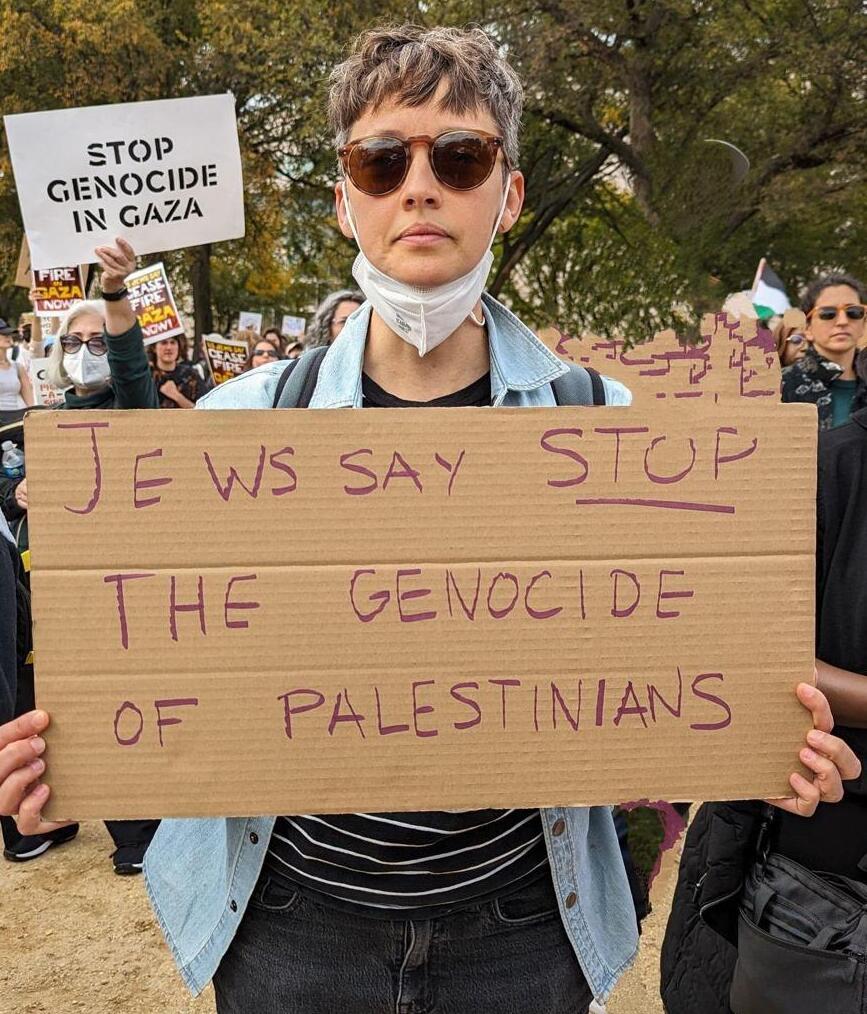
Current American public sentiment tilts sharply against Israel, and Zionist Jews (as well as non-Zionists) frequently pay the price
The immediate, reflex explanation is antisemitism. It is true that current American public sentiment tilts sharply against Israel, and Zionist Jews (as well as non-Zionists) frequently pay the price, perceived as proxies for their home state. However, the vocal protests against Israel are not the root cause; they are a symptom of a deeper, more fundamental phenomenon in American public life: a fierce rebellion against the establishment and the existing political order.
The recent wave of so-called socialist victories in New York’s Democratic primaries is, first and foremost, a defiance of the status quo. It is a backlash against the legacy of the Trump administration, as well as against Biden and Kamala Harris that preceded it. While old-guard commentators view these factions as traditional political rivals, the younger generation sees little difference between them. To them, both sides have surrendered to corporations and powerful corporate donors, perpetuating a political system that never served the ordinary citizen, and fight to keep things the same as they have always been for the benefit of the few in power.
This is the core of the current fracture: the rebellion of everyday citizens against the institutional stagnation of Washington politicians, consultants, and lobbyists. The vast majority of the old guard look and sound identical — lawyers, businessmen and retired generals who choose to pivot into public service. Fed up with this elite class of politicians, right-wing voters propelled Trump to power on a promise to "drain the swamp." Now, the left wants its own combative, revolutionary force to dismantle the existing order.
The crumbling armor for Israel
The burning debate over U.S. support for Israel fits squarely into this rift. For decades, Israel enjoyed steadfast, ironclad backing from American presidents, senators, representatives and bureaucrats. These were the very individuals Israeli prime ministers, ambassadors and emissaries met with for strategic briefings and lavish receptions during every visit to Washington, New York or Miami.
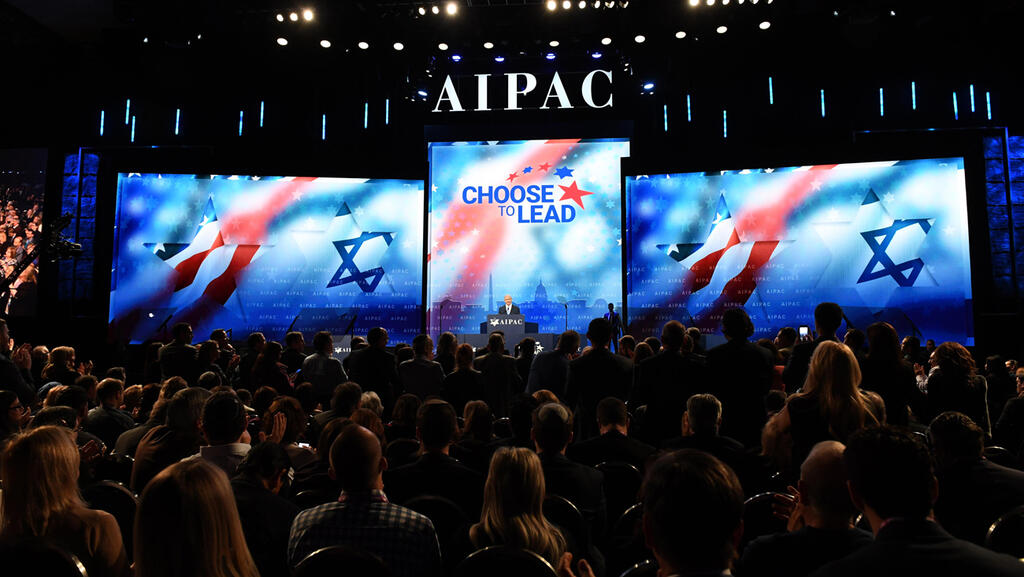
Today, an AIPAC endorsement is increasingly viewed as a political liability
(Photo: Haim Zach, GPO)
This closed circle of high-level influence, fueled by the financial muscle of extraordinarily wealthy donors and organizations like AIPAC, has been breached. The armor granted to Israel under the auspices of veteran, long-serving politicians is crumbling. In the past, congressional and Senate candidates relied entirely on big-donor money to fund exorbitant television ads and campaign apparatus. Today, social media provides direct, cheap and unmediated access to the masses, allowing anti-establishment candidates to bypass traditional gatekeepers entirely.
Recent New York election cycles clearly signal this shifting balance of power. Despite massive funding poured in by the city's business elite to block the election of Mamdani, who openly threatened to "tax the rich," and despite AIPAC declaring war on him and his progressive allies, the establishment failed time and again.
Today, an AIPAC endorsement is increasingly viewed as a political liability for progressive candidates on the eve of elections. Look at the current campaign of Abdul El-Sayed in the Democratic primaries in Michigan, which thrives on the narrative that AIPAC is pouring millions into his opponent, Haley Stevens. These internet-driven dynamics are rewriting the rulebook of American politics. Fundraising totals used to be the definitive predictor of ballot-box success. We are now in a new era where young, outsider, resource-poor candidates can seize center stage, much to the terror of institutional lobbyists who have lost control of the narrative.
The shift we cannot stop
While these developments extend far beyond Israel, they undeniably impact it - and it should worry every one of us. Contrary to the optics coming out of the White House and Capitol Hill, Israel was never a top-tier priority on the agenda of America's silent majority. However, since October 7, large swaths of that majority have developed an acute awareness of Middle Eastern geopolitics and, more importantly, of how much it costs them as taxpayers as they struggle to make ends meet.
With the Israeli brand diminishing across the board into an international low, the political elites in New York and Washington remain Israel's only real safety belt. But as their influence fizzles out in the face of charismatic, anti-establishment candidates dominating Instagram and TikTok, it is difficult to see how this drift can be halted.
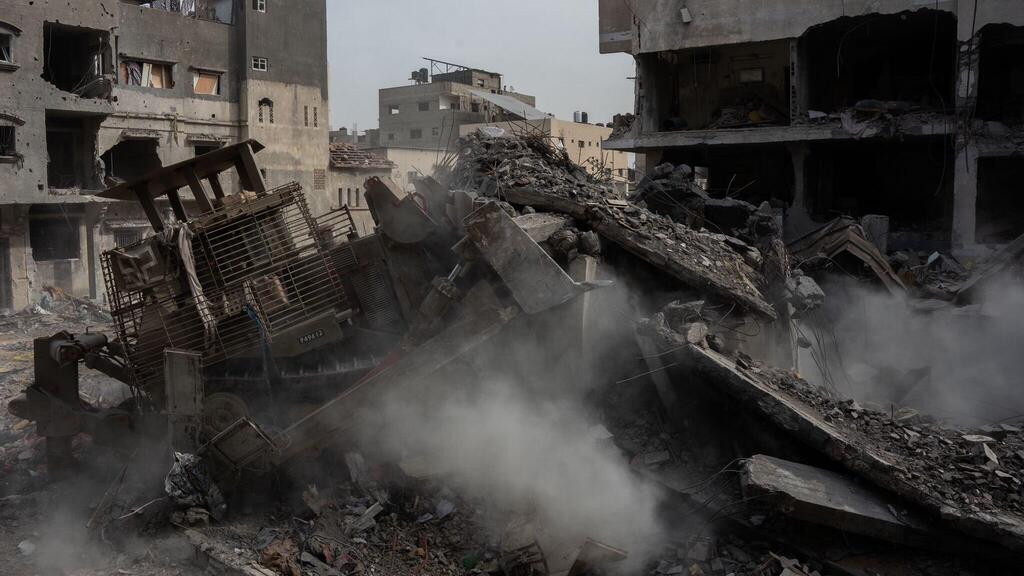
IDF bulldozer operates in Gaza: Mamdani and his allies are calling to halt military aid to Israel
(Photo: IDF Spokesperson's Unit)
Mamdani and his allies - figures like Claire Valdez, Darializa Avila Chevalier, Brad Lander (the progressive Jewish and Zionist running for the House of Representatives), and 29-year-old Melat Kiros in Colorado, likely heading to Congress, as well as El-Sayed - are championing ideas once dismissed as radical fringe positions. To the average citizen, however, policies like taxing high earners, universal healthcare, abolishing ICE and tackling the cost of living make a lot of sense, and so does the prospect of halting military aid to Israel.
They bring an authentic, grassroots anti-establishment energy that veteran leadership simply cannot contain. Like it or not, they give voice to ordinary New Yorkers, like the thousands of passers-by who stood behind the barricades of Miri Regev’s street party. Made to feel like outsiders in their own city as they watched high-ranking guests celebrating the 'occupation of Times Square' with waving Israeli flags.
Today, the fence of that sterile, exclusive territory has been breached. The defensive shield of the old world's dignitaries is no longer functional. This reality will hold, at least until Mamdani and his peers become their own establishment, causing the pendulum to swing against them from the other side as their disappointed voters push back. That shift may happen sooner than expected, but for Israel, it might already be too late.